Trusted by 3,500+ International Patients Across 15+ Countries | Speak with a Dedicated Medical Coordinator 24/7 | Personalized Care Every Step of the Way
+91 83682 47758
info@medivisorhealth.com
Medivisor India Treatment Logo
  • Home
    • About Us
    • Our Services
    • Our Team
    • Our Safety Measures
    • Loading treatments...
    • Loading hospitals...
    • Loading doctors...
    • Treatment Cost
    • Treatment Process
    • Visa Process
    • Travel Guide
    • FAQs
    • Why Medivisor
    • Success Stories
    • Patient Activities
    • Social Activities
    • News Coverage
    • Blog
  • Become a Partner

Medivisor India Treatment is a trusted New Delhi–based medical travel partner connecting global patients to advanced, affordable, high-quality healthcare in India.

  • Medivisor House 359, Sector 1, Vaishali, Ghaziabad, (Delhi/NCR) India
  • +91 8368 247 758
  • info@medivisorhealth.com

About Us

  • About Us
  • Our Services
  • Our Team
  • Our Medical Advisors
  • Our Safety Measures
  • Join Our Network
  • Contact Us

India Treatment

  • Hospitals
  • Treatments
  • Treatment Cost
  • Treatment Process
  • Visa Process
  • Travel Guide
  • FAQs
  • Why Medivisor

Gallery

  • Patient Testimonials
  • Patient Activities
  • News Coverage
  • Blog

Get in Touch

© 2026 Medivisor India Treatment. All rights reserved.

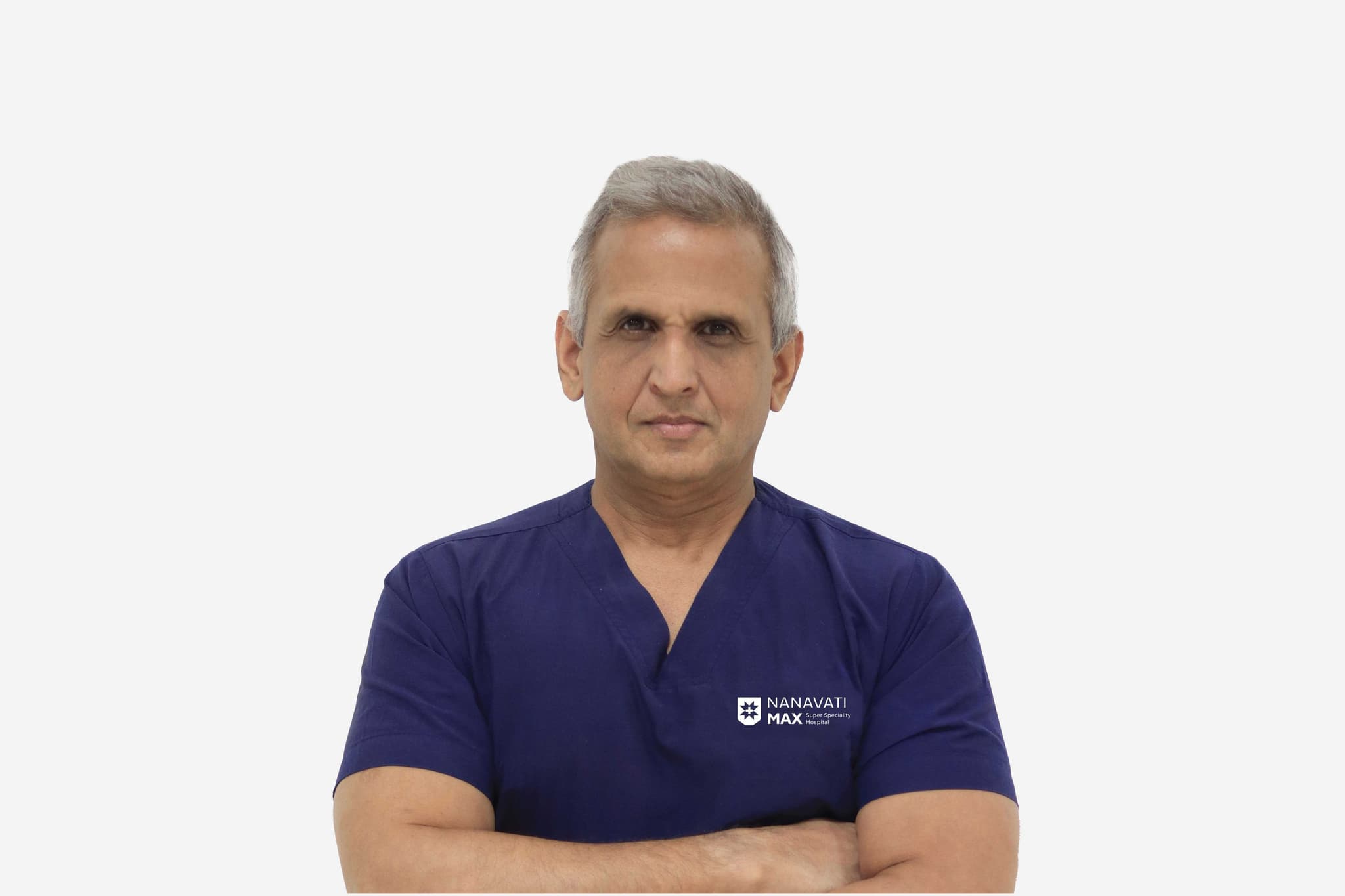
Dr Jatin Kothari

Principal Director, Nephrology & Chief Consultant, Renal Transplant Medicine

30+ years experience

 Dr Jatin Kothari
  1. Home
  2. Doctors
  3. Dr Jatin Kothari

About Dr Jatin Kothari

Dr. Kothari is a highly distinguished specialist in renal care based in Mumbai, bringing over 30 years of extensive clinical experience to his practice. He currently holds a senior leadership position as the Principal Director of Nephrology at Nanavati Max Super Speciality Hospital, where he manages a wide spectrum of complex kidney conditions.

Mastery in Renal Transplantation and Innovation

He is a leading expert in the field of organ transplantation, specializing in living-related, deceased donor, and swap kidney transplants. His technical expertise and clinical oversight have been instrumental in advancing transplant protocols, offering life-saving solutions for patients with end-stage renal disease.

Clinical Leadership and Specialized Procedures

In his role as Principal Director, he oversees the nephrology department’s clinical standards and multidisciplinary care strategies. His practice encompasses the comprehensive management of acute and chronic kidney diseases, ensuring the delivery of high-standard medical interventions and dialysis services.

Academic Contributions and Excellence

Throughout his three-decade career, Dr. Kothari has been at the forefront of nephrological innovation in India. He is recognized for his dedication to clinical excellence and his role in coordinating complex transplant programs, making him a respected authority in the global medical community.

Dr. Jatin Kothari at a Glance

  • Over 30 years of extensive clinical experience as a Nephrologist and Transplant Physician.

  • Principal Director of Nephrology at Nanavati Max Super Speciality Hospital.

  • Specialized expert in living-related, deceased donor, and swap kidney transplants.

  • Leader in managing complex renal cases and advanced clinical protocols.

  • Prominent figure in the Mumbai medical community focused on transplant innovation.

  • Responsible for overseeing high-standard nephrological care within the Max Healthcare network.

D.M. (Nephrology)-Bombay University
M. D. (Medicine)-Bombay University
MBBS - Bombay University
Clinical fellowship in Nephrology and Transplantation- University of Toronto, Canada, 2000-03.
Visiting ISPD Scientist- University of Missouri Health Sciences-Columbia –USA , 2000.
ISN (International Society of Nephrology) Education Ambassador- ISN Global Outreach Program.
International Transplant Observership -Massachusetts General Hospital, Boston- USA, 2009.
Roche Preceptorship in Kidney transplantation-University of Alabama-Birmingham, USA ,2006.
Past Joint Secretary-Zonal Transplant Coordination Committee (ZTCC)-Maharashtra, India-2010-16.
Transformational Leadership course for Health Care Management- International School of Business (ISB)-Hyderabad-2012.
Fellow-International Society of Nephrology.
ISN-ANIO Fellowship in Nephropathology-2012-13.
Preceptorship in Kidney Transplantation-University of Toulouse - France , 2014.
Certificate course on Enterpreneurship in Emerging Economies - HarvardX (Online initiative of Harvard University) 2020
Pursuing PhD in Social entrepreneurship @Tata Institute of Social Sciences (TISS) Mumbai 2016-21
Post Graduate teacher for DNB Nephrology since 2006 (@ Hinduja Hospital)

No awards & achievements available

Affiliated Hospitals

Nanavati-Max Super Specialty Hospital, Mumbai

Super Specialty

Mumbai, Maharashtra

1950

Estd.

595+

Beds

450+

Doctors

May we help you?

Enter digits only (6-15 digits). We'll add your country code.

Related Treatments

Kidney Transplant Surgery

Kidney Transplant Kidney transplant surgery is a life-saving procedure where a healthy kidney from a donor (living or deceased) is placed into a patient with end-stage renal disease (ESRD). It is generally the preferred treatment over lifelong dialysis, offering a significantly better quality of life and higher long-term survival rates. This procedure restores the body's ability to filter waste and maintain fluid balance naturally. When You Should Consider a Kidney Transplant End-Stage Renal Disease (ESRD): When your kidneys have lost approximately 90% of their function due to chronic conditions. Diabetes Mellitus: One of the leading causes of kidney failure that can be effectively managed through transplantation. Chronic High Blood Pressure: Persistent hypertension that has caused irreversible damage to the kidney's filtering units (nephrons). Polycystic Kidney Disease (PKD): A genetic disorder causing numerous cysts to grow in the kidneys, eventually leading to failure. Preemptive Transplant: For patients whose kidney function is declining but who have not yet started dialysis, as this often leads to the best long-term outcomes. How Is Performed Anesthesia: The operation is performed under general anesthesia and typically takes between 3 to 4 hours. Placement: The donor kidney is placed in the lower abdomen (usually the right or left groin area). Native Kidneys: Your original kidneys are generally left in place unless they are causing specific complications like chronic infection or severe high blood pressure. Vascular Connections: The donor kidney's artery and vein are surgically attached to your existing iliac blood vessels in the lower abdomen to establish blood flow. Ureteral Connection: The donor's ureter (the tube that carries urine) is connected directly to your bladder to allow for natural voiding. Monitoring: Once blood starts flowing, the new kidney often begins producing urine immediately, though it can sometimes take several days to fully "wake up." Pre-Procedure Preparation Transplant Evaluation: A comprehensive series of medical, surgical, and psychological tests to ensure you are a suitable candidate for the procedure. Compatibility Testing: Blood typing (A, B, AB, or O) and tissue typing (HLA matching) to find the best possible donor match. Crossmatch Test: A final blood test mixed with the donor's cells to ensure your immune system will not immediately attack the new organ. Dental and Cancer Screenings: Ensuring there are no active infections or undiagnosed malignancies that could be exacerbated by anti-rejection medication. Fasting: Following strict "nothing by mouth" instructions for 8 hours prior to your scheduled surgery. Tests Before Kidney Transplant Echocardiogram: A detailed heart ultrasound to ensure your cardiovascular system can handle the surgery. Chest X-ray: To rule out any active lung infections or fluid buildup prior to anesthesia. Panel Reactive Antibody (PRA) Test: Measures the level of antibodies in your blood to determine how difficult it will be to find a compatible match. CT Scan of the Pelvis: To evaluate the blood vessels in the lower abdomen where the new kidney will be attached. ECG: A routine heart check to confirm cardiac stability for the duration of the procedure. Life After Kidney Transplant Hospital Stay: Typically lasts 3 to 7 days for the recipient to monitor organ function and manage post-operative pain. Lifelong Medication: You must take immunosuppressant (anti-rejection) drugs daily for the rest of your life to prevent your immune system from attacking the new kidney. Physical Restrictions: Avoid lifting objects heavier than 4.5 kg (10 lbs) for at least 6 to 8 weeks to allow the abdominal wall to heal. Driving and Work: Driving is usually restricted for 2 to 6 weeks, and most people can return to professional work within 8 to 12 weeks. Dietary Adjustments: While restrictions are fewer than on dialysis, you must avoid raw/undercooked foods and grapefruit/grapefruit juice, which can dangerously interfere with anti-rejection medications. Why Specialized Treatment Is Highly Effective Eliminates Dialysis: A successful transplant removes the need for time-consuming dialysis treatments, providing true freedom and independence. Higher Energy Levels: Restoring natural kidney function helps correct anemia and remove toxins, leading to significantly increased vitality. Fewer Dietary Restrictions: Patients can enjoy a much broader range of foods and fluids compared to the strict limitations of a renal diet. Improved Long-term Survival: Statistics consistently show that transplant recipients live longer than patients who remain on long-term dialysis. Cost-Effective Care: While the initial surgery is intensive, the long-term cost of maintaining a healthy transplant is much lower than the ongoing cost of dialysis.

May we help you?

Enter digits only (6-15 digits). We'll add your country code.