Double Valve Replacement (DVR)
Double Valve Replacement (DVR)
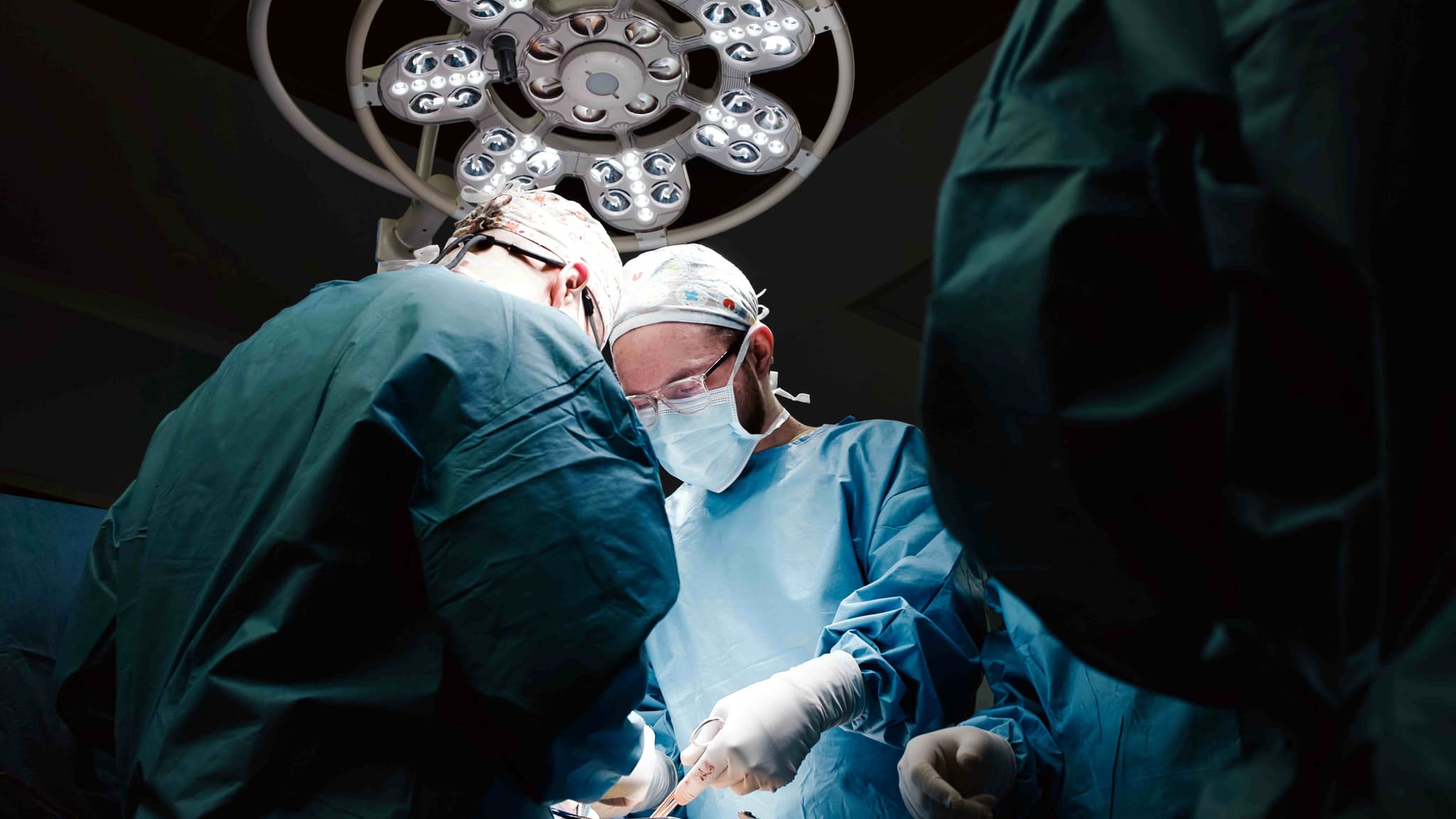
Double Valve Replacement (DVR) is a major cardiac surgery where two of the heart's four valves—most commonly the Mitral and Aortic valves—are replaced during a single operation. This is typically required when both valves are severely diseased (stenosed or leaking) and cannot be effectively repaired. DVR remains a life-saving intervention for advanced multi-valve disease, often restoring normal life expectancy for patients with severe heart failure.
When You Should Consider DVR
Rheumatic Heart Disease: The leading cause of multi-valve damage, where chronic inflammation scars both the mitral and aortic valves.
Calcific Degeneration: Age-related buildup of calcium that stiffens both heart structures simultaneously.
Endocarditis: A severe bacterial infection that has spread from one valve to another, causing structural destruction.
Left Ventricular Strain: When the failure of one valve causes a "domino effect," putting pressure on the second valve until it also fails.
Symptomatic Heart Failure: When symptoms like severe breathlessness, chest pain, and fainting can no longer be managed with medication.
Choosing the Replacement Valves
Mechanical Valves: Made of carbon and metal. They are extremely durable and rarely need replacing, but require lifelong blood thinners (Warfarin).
Bioprosthetic (Tissue) Valves: Made from pig (porcine) or cow (bovine) tissue. They do not require long-term heavy blood thinners but usually wear out in 10–15 years.
On-X Mechanical Valves: A newer generation of mechanical valves that may allow for lower doses of blood thinners.
Ross Procedure (Specialized): Using the patient's own pulmonary valve to replace the aortic valve, though less common in a double-replacement scenario.
[Image comparing a mechanical heart valve and a bioprosthetic tissue valve]
How Is Performed
Access: A midline incision is made through the breastbone (sternotomy) to provide the surgeon full access to the heart.
Cardiopulmonary Bypass: The patient is connected to a heart-lung machine; the heart is temporarily stopped to allow for precise surgery.
Valve Removal: The surgeon opens the aorta and the left atrium to meticulously excise the diseased aortic and mitral valves.
Implantation: Two new valves are sewn into the heart’s natural rings (annulus) using high-strength sutures.
De-airing & Restarting: Air is removed from the heart chambers, blood flow is restored, and the heart is restarted.
Pre-Procedure Preparation
Fasting: Required for at least 8–12 hours before surgery, as it is performed under general anesthesia.
Blood Prep: Extensive blood work, including cross-matching for several units of blood in case a transfusion is needed.
Dental Clearance: Mandatory to ensure no oral bacteria could infect the new prosthetic valves.
Medication Adjustment: Adjusting current medications, especially blood thinners and anti-platelet drugs, as directed by the surgeon.
System Check: Pulmonary function tests and chest X-rays to ensure the lungs are prepared for recovery.
Tests Before DVR
Echocardiogram (TTE/TEE): The primary imaging tool to grade the severity of both valve diseases and measure heart chamber size.
Coronary Angiogram: To check for blockages in the heart arteries that might need to be bypassed during the same surgery.
Cardiac CT or MRI: To provide 3D anatomical detail of the valves and the surrounding heart structures.
Carotid Doppler: To evaluate the risk of stroke by checking the arteries supplying the brain.
Organ Function Panels: Including kidney and liver function tests, as these organs are vital for a successful recovery.
Life After DVR
ICU Stay: Patients spend 24 to 48 hours in the ICU for intensive monitoring of heart rhythm and blood pressure.
Hospital Stay: Total recovery in the hospital usually lasts 7 to 10 days.
Anticoagulation: If mechanical valves are used, strict monitoring of blood clotting levels (INR) begins immediately and continues for life.
Sternal Precautions: No lifting anything heavier than 3 kg for 8 to 12 weeks to allow the breastbone to heal.
Cardiac Rehabilitation: Supervised exercise is critical starting at week 6 to help the heart adjust to the new valves.
Benefits of DVR
Corrects Circulation: Immediately corrects the "back-pressure" on the lungs and the rest of the body.
Symptom Relief: Drastically reduces shortness of breath, fatigue, and swelling in the legs.
Stops Progression: Prevents the progressive stretching and weakening of the heart muscle.
Long-Term Durability: Modern prosthetic options allow many patients to experience decades of improved health.
Single-Stage Correction: Treating both valves in one surgery avoids the high risk of a "redo" operation later in life.
Double Valve Replacement (DVR) Cost in India
The cost of Double Valve Replacement (DVR) in India is generally affordable compared with many other countries, making India a popular destination for international patients seeking quality medical care. The treatment cost depends on factors such as the hospital, doctor's experience, treatment approach, medical condition, hospital stay, diagnostic tests, medicines, and any additional procedures required. For international patients, the starting cost of Double Valve Replacement (DVR) in India is approximately 4000 USD, although the final price may vary based on individual treatment requirements. Patients are advised to obtain a personalized treatment estimate after medical evaluation.