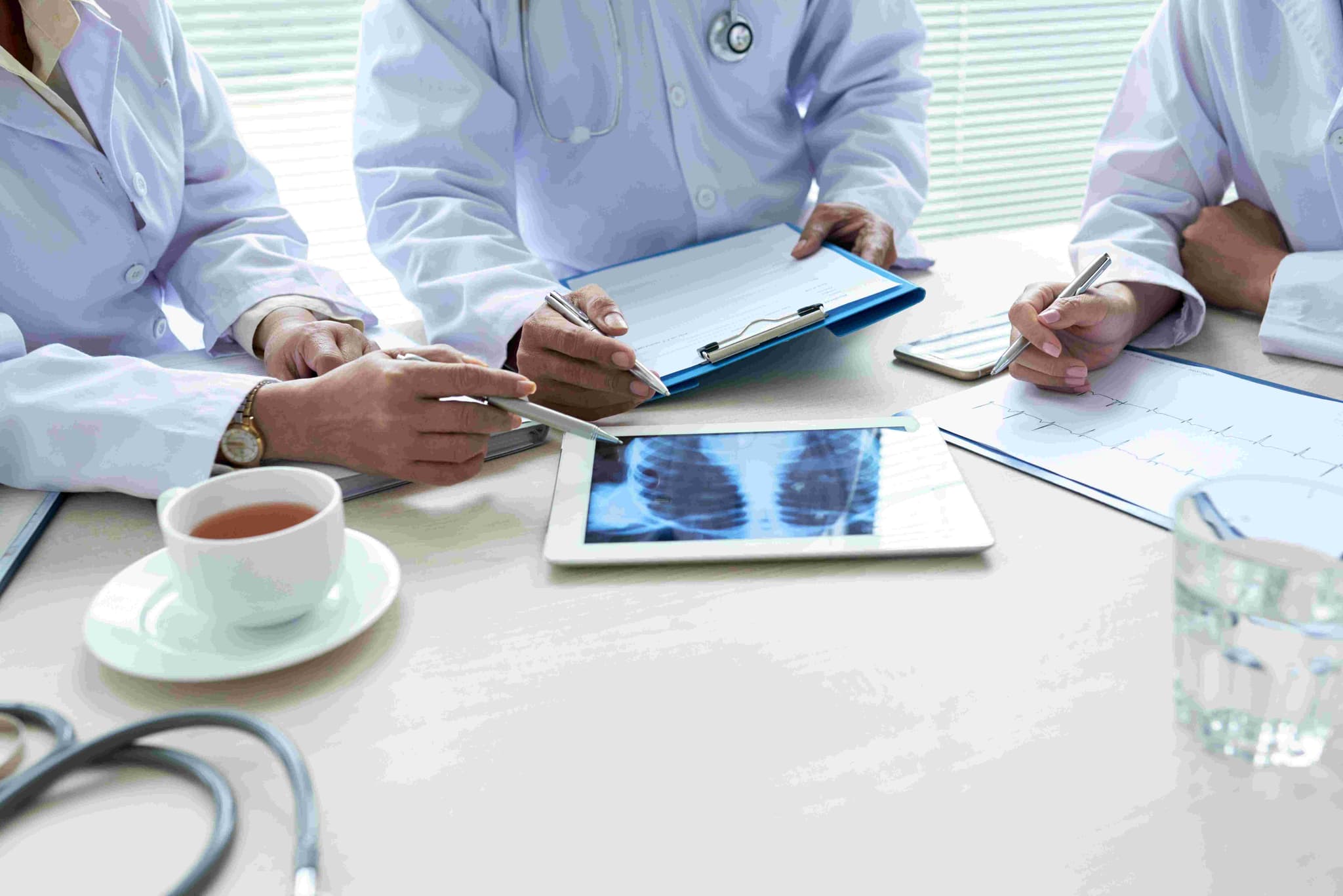
Lung Transplant Surgery
Lung Transplant
A lung transplant is a major surgical procedure to replace one or both diseased lungs with healthy donor lungs. It is typically a treatment of last resort for end-stage lung diseases that no longer respond to other medical therapies. The goal is to improve the patient's quality of life and extend life expectancy when other options have been exhausted.
When You Should Consider a Lung Transplant
End-Stage COPD (Emphysema): When chronic obstructive pulmonary disease has caused such severe damage that breathing is difficult even with supplemental oxygen.
Idiopathic Pulmonary Fibrosis: Progressive scarring of the lung tissue that prevents the lungs from transferring oxygen into the bloodstream.
Cystic Fibrosis: A genetic condition causing thick, sticky mucus to build up in the lungs, leading to repeated, life-threatening infections.
Pulmonary Hypertension: High blood pressure in the arteries of the lungs that can eventually lead to right-sided heart failure.
Alpha-1 Antitrypsin Deficiency: A genetic disorder that can cause severe lung and liver disease.
Types of Lung Transplant
Single Lung Transplant: Replaces one damaged lung. This is often used for certain restrictive diseases like pulmonary fibrosis.
Double (Bilateral) Lung Transplant: Replaces both lungs simultaneously. This is the primary choice for infectious diseases like cystic fibrosis to ensure no infected tissue remains.
Heart-Lung Transplant: A rare procedure that replaces the heart and both lungs, usually for patients with severe pulmonary hypertension and concomitant heart failure.
How Is Performed
Anesthesia: The procedure is highly complex and performed under general anesthesia.
Duration: A single transplant usually takes 4 to 8 hours, while a double transplant can take 6 to 12 hours.
Incision: For a single lung, an incision (thoracotomy) is made on the side of the chest. For a double lung, a horizontal "clamshell" incision is often made across the chest.
Support: During the surgery, you may be connected to a heart-lung bypass machine or ECMO (Extracorporeal Membrane Oxygenation) to circulate blood and oxygen.
Connection: Surgeons meticulously sew the new lung's main airway (bronchus) and major blood vessels (pulmonary artery and veins) to your own.
Pre-Procedure Preparation
Transplant Evaluation: An extensive series of tests to ensure you are healthy enough for surgery and committed to a lifelong post-transplant regimen.
Psychological Assessment: To evaluate your support system and ability to manage complex medication schedules.
Pulmonary Rehab: Engaging in specialized exercise to keep your body as strong as possible while waiting for a donor match.
Vaccinations: Ensuring all immunizations are up to date, as your immune system will be suppressed after surgery.
The Waiting List: Once approved, you are placed on a national registry where donor lungs are matched based on blood type, organ size, and geographic distance.
Tests Before Lung Transplant
Pulmonary Function Tests (PFTs): To measure exactly how much air your lungs can hold and how well they move gases.
Cardiac Catheterization: To check the pressure in your lung arteries and the overall strength of your heart.
Chest CT Scan: Providing high-resolution 3D images of your lung structure and chest cavity.
Tissue Typing: Matching your tissue markers with potential donors to reduce the risk of immediate organ rejection.
ECG and Stress Test: Ensuring your heart can withstand the rigors of a multi-hour major surgery.
Life After Lung Transplant
Hospital Stay: Typically 1 to 3 weeks, with the first several days spent in the Intensive Care Unit (ICU) on a mechanical ventilator.
Lifelong Medication: You must take immunosuppressant (anti-rejection) drugs for the rest of your life to prevent your body from attacking the new lung.
Monitoring: Frequent follow-up visits, blood tests, and bronchoscopies (using a camera to look inside the lungs) are required, especially in the first year.
Physical Rehab: You will start walking within days of surgery and gradually progress to light exercise over 6 to 8 weeks.
Lifestyle Adjustments: Avoiding crowds during flu season, wearing masks in certain environments, and strict food safety are necessary to prevent infections.
Why Specialized Treatment Is Highly Effective
Significant Survival Benefit: For many patients with end-stage disease, a transplant can extend life expectancy by many years.
Restored Breathing: Patients often transition from being housebound on oxygen to walking, traveling, and engaging in physical hobbies.
Advanced Surgical Support: The use of ECMO technology allows surgeons to perform transplants on the most critically ill patients with greater safety.
Comprehensive Care Teams: Post-transplant care involves a dedicated team of pulmonologists, surgeons, pharmacists, and coordinators to manage every aspect of recovery.
Improved Quality of Life: Beyond just survival, a successful transplant provides the "gift of breath," allowing for a return to a much more normal and active lifestyle.
Lung Transplant Surgery Cost in India
The cost of Lung Transplant Surgery in India is generally affordable compared with many other countries, making India a popular destination for international patients seeking quality medical care. The treatment cost depends on factors such as the hospital, doctor's experience, treatment approach, medical condition, hospital stay, diagnostic tests, medicines, and any additional procedures required. For international patients, the starting cost of Lung Transplant Surgery in India is approximately 20000 USD, although the final price may vary based on individual treatment requirements. Patients are advised to obtain a personalized treatment estimate after medical evaluation.