Trusted by 3,500+ International Patients Across 15+ Countries | Speak with a Dedicated Medical Coordinator 24/7 | Personalized Care Every Step of the Way
+91 83682 47758
info@medivisorhealth.com
Medivisor India Treatment Logo
  • Home
    • About Us
    • Our Services
    • Our Team
    • Our Safety Measures
    • Loading treatments...
    • Loading hospitals...
    • Loading doctors...
    • Treatment Cost
    • Treatment Process
    • Visa Process
    • Travel Guide
    • FAQs
    • Why Medivisor
    • Success Stories
    • Patient Activities
    • Social Activities
    • News Coverage
    • Blog
  • Become a Partner

Medivisor India Treatment is a trusted New Delhi–based medical travel partner connecting global patients to advanced, affordable, high-quality healthcare in India.

  • Medivisor House 359, Sector 1, Vaishali, Ghaziabad, (Delhi/NCR) India
  • +91 8368 247 758
  • info@medivisorhealth.com

About Us

  • About Us
  • Our Services
  • Our Team
  • Our Medical Advisors
  • Our Safety Measures
  • Join Our Network
  • Contact Us

India Treatment

  • Hospitals
  • Treatments
  • Treatment Cost
  • Treatment Process
  • Visa Process
  • Travel Guide
  • FAQs
  • Why Medivisor

Gallery

  • Patient Testimonials
  • Patient Activities
  • News Coverage
  • Blog

Get in Touch

© 2026 Medivisor India Treatment. All rights reserved.

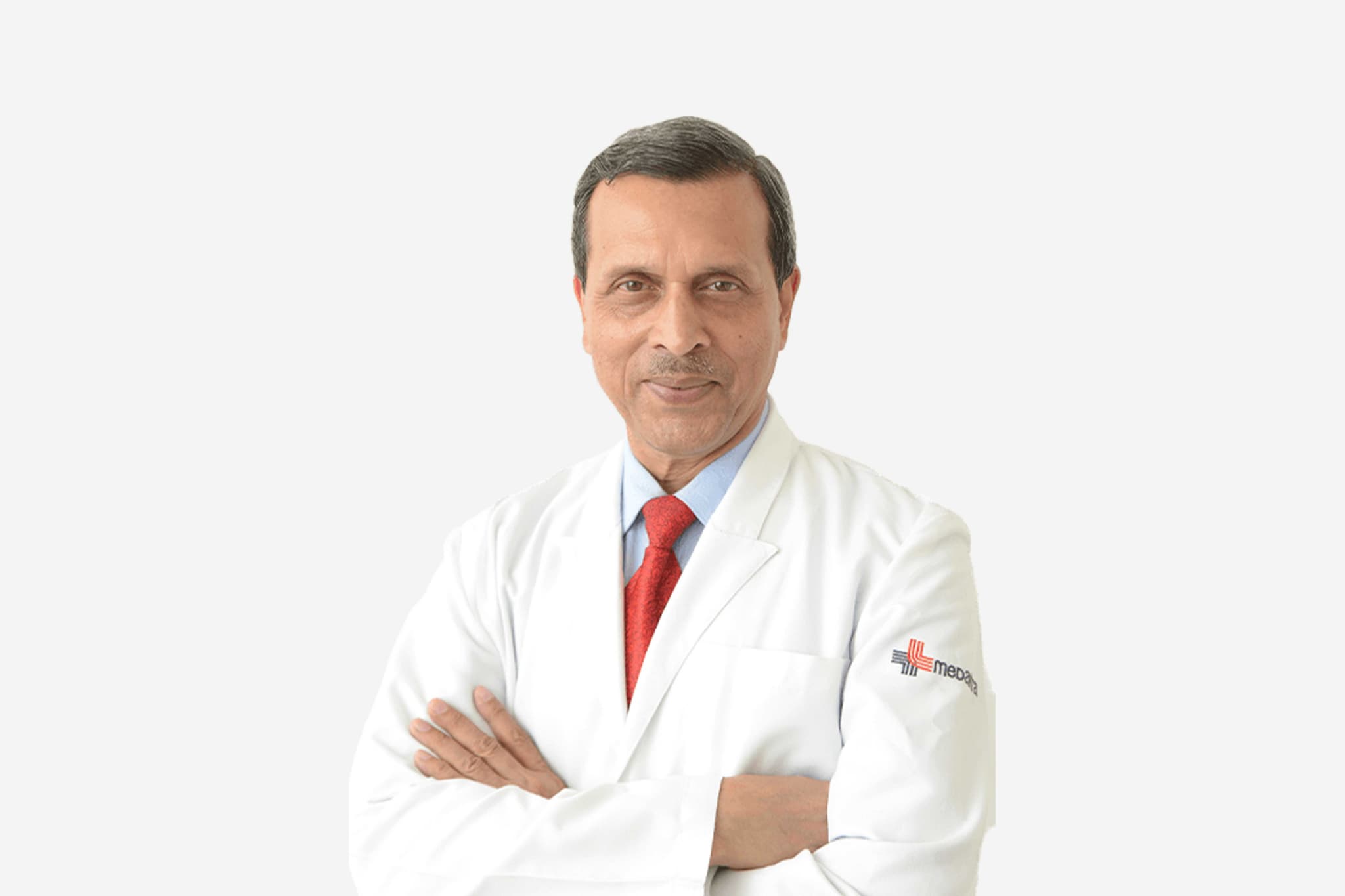
Dr Arvind Kumar

Chairman - Institute of Chest Surgery, Chest Onco-Surgery & Lung Transplant

44+ years experience

 Dr Arvind Kumar
  1. Home
  2. Doctors
  3. Dr Arvind Kumar

About Dr Arvind Kumar

Dr. (Prof.) Arvind Kumar is a world-renowned thoracic surgeon with a monumental legacy of over 15,000 chest surgeries, including more than 8,000 performed via minimally invasive (VATS) and robotic methods. After a distinguished 36-year tenure at the All India Institute of Medical Sciences (AIIMS), New Delhi, he now leads the most comprehensive "Chest Surgery Program" in the country. He is recognized as the pioneer who introduced robotic chest surgery to India and remains a global leader in the treatment of complex thoracic conditions.

Pioneer of Robotic and Minimally Invasive Thoracic Surgery

Dr. Kumar is credited with performing the first Video-Assisted Thoracic Surgery (VATS) and Robotic Chest Surgeries in India. His expertise allows him to treat diseases of the lungs, pleura, mediastinum, and esophagus through "keyhole" incisions. These advanced techniques significantly reduce post-operative pain, minimize scarring, and ensure much faster recovery times for patients compared to traditional open-chest surgery.

Asia’s Leading Authority on Myasthenia Gravis and Thymoma

Dr. Kumar holds one of the largest clinical experiences in Asia for the surgical management of thymic diseases. He is a specialist in Robotic Thymectomy, particularly for patients suffering from Myasthenia Gravis and Thymoma. His high success rate in these complex procedures has made him a primary referral point for mediastinal tumors across the continent.

Comprehensive Chest Oncosurgery and Trauma Care

Under Prof. Kumar’s leadership, his specialized team provides cutting-edge surgical interventions for both malignant and benign chest ailments. His areas of expertise include:

  • Thoracic Oncology: Expert removal of Lung Cancer, Esophageal Cancer, Carcinoid Tumors, and Posterior Mediastinal Tumors.

  • Airway Surgery: Specialized procedures involving the Trachea (windpipe) and Diaphragm.

  • Infectious & Chronic Diseases: Surgical management of Bronchiectasis, Aspergilloma, Pneumothorax, and Empyema.

  • Chest Trauma: Advanced emergency care for complex chest wall injuries and thoracic trauma.

National Leadership and Academic Legacy

Having dedicated nearly four decades to clinical excellence and research at AIIMS, Dr. Kumar has trained generations of thoracic surgeons. His program is the largest and most technologically advanced in India, integrating the Da Vinci Robotic System to achieve unmatched surgical precision. His commitment to "Team Thoracic Surgery" ensures that every patient receives a multidisciplinary, state-of-the-art approach to chest healthcare.

Dr. (Prof.) Arvind Kumar at a Glance

  • 15,000+ Chest Surgeries performed.

  • 8,000+ Minimally Invasive and Robotic procedures.

  • Pioneer of Robotic Chest Surgery and VATS in India.

  • Asia’s Largest Experience in Robotic Thymectomy for Myasthenia Gravis.

  • 36 Years of distinguished service at AIIMS, New Delhi.

  • Expertise in Lung Cancer, Esophageal Cancer, and complex Chest Trauma.

FACS - Surgery | MS - General Surgery | FAMASI - Surgery | FUICC - Surgery | MNAMS - Surgery | FIAGES - Surgery | FICS - Surgery | MBBS | FRCS - General Surgery
The most prestigious "Dr. B.C. Roy National Award" by the Government of India in the category "Eminent Medical Person of the year 2014
National President: The Association of Surgeons of India 2019
National Honorary Secretary, The Association of Surgeons of India 2009
Honoured with "Fakhr-e-Hind" (Pride of Nation) award. 2006
Awarded "Raj Nanda Fellowship" by the Raj Nanda Pulmonary Disease Research Trust in association with the British Thoracic Society 1999
Awarded the coveted WHO Fellowship, got trained in Advanced Tracheo-Bronchial Surgery under Dr. Joel Cooper
Dr. Patterson at Thoracic Service, Barnes Hospital, University of St. Louis, St. Louis, Missouri (USA), & Dr. Ralph J Lewis at Thoracic Service, St. Peter's Hospital, New Jersey (USA)
Honored with the prestigious ICRETT (Cancer) Fellowship by International Union against Cancer (UICC- Geneva)
got trained in Minimal Access
Advanced Chest Surgical Procedures under Prof. Robert J. Ginsberg, Chief of Thoracic Service, Memorial Sloan Kettering Cancer Centre, New York, USA. 2019
Awarded “ASI Betadine Lifetime Achievement Award” by the Association of Surgeons of India 2019
Awarded “ASI Social Services Award 2019” by the Association of Surgeons of India 2019
Awarded “Presidential Oration-2019” by the Association of Surgeons of India 2017
Awarded "Dr. PK Sen Memorial Oration" by the Association of Surgeons of India 2013
Awarded "Dr. Das Mohapatra Oration" by the Association of Surgeons of India 2010
Awarded "Dr. N Mohan Das Memorial Oration" by the Association of Surgeons of India 2008
Awarded “Dr. A.K. Sen Sarma Endowment Lecture” by the Association of Surgeons of India 1992
Awarded Khandelwal junior Oncology award for Scientific Excellence 1984
Nominated for "Sir Hiralal Gold medal" for being the "Best Postgraduate of the Year" at AIIMS, New Delhi 1980
Awarded "Dr. V. Ramalingaswamy prize" for being the "Best undergraduate of the year" at AIIMS, New Delhi
Affiliated Hospitals

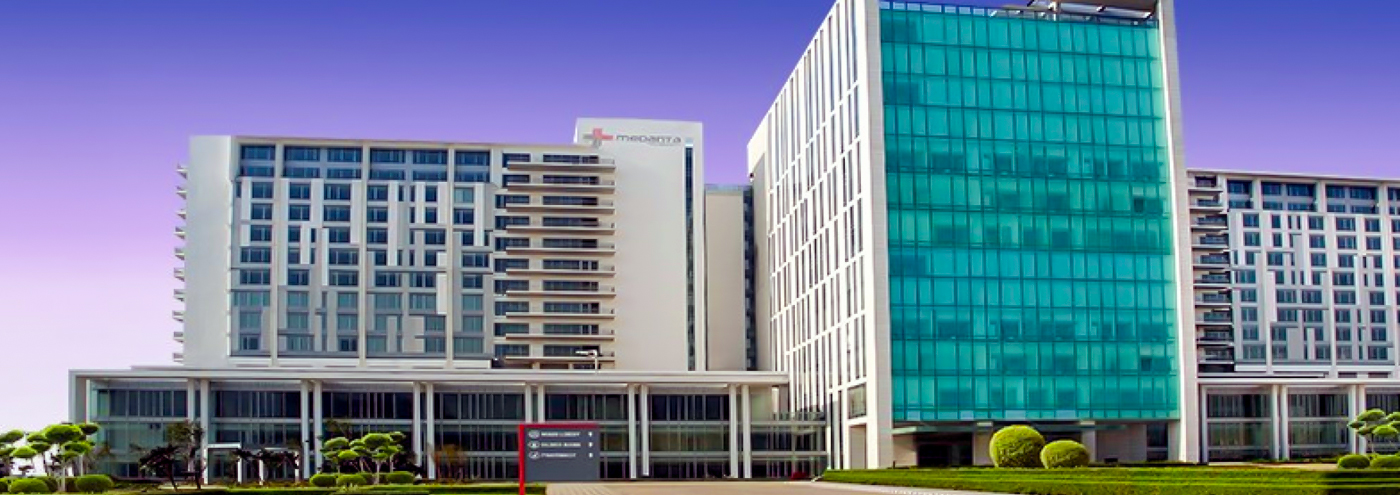
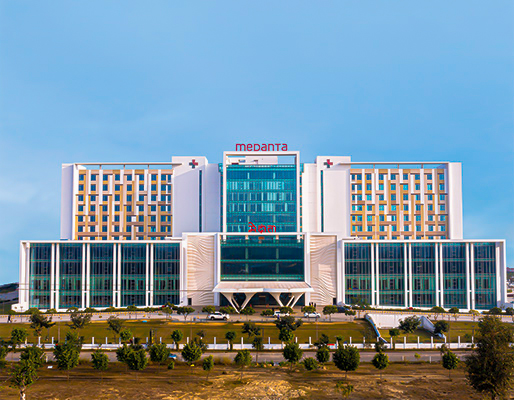
Medanta Super Specialty Hospital, Lucknow

Super Specialty

Lucknow, Uttar Pradesh

2019

Estd.

900+

Beds

300+

Doctors

May we help you?

Enter digits only (6-15 digits). We'll add your country code.

Related Treatments

Lung Transplant Surgery

Lung Transplant A lung transplant is a major surgical procedure to replace one or both diseased lungs with healthy donor lungs. It is typically a treatment of last resort for end-stage lung diseases that no longer respond to other medical therapies. The goal is to improve the patient's quality of life and extend life expectancy when other options have been exhausted. When You Should Consider a Lung Transplant End-Stage COPD (Emphysema): When chronic obstructive pulmonary disease has caused such severe damage that breathing is difficult even with supplemental oxygen. Idiopathic Pulmonary Fibrosis: Progressive scarring of the lung tissue that prevents the lungs from transferring oxygen into the bloodstream. Cystic Fibrosis: A genetic condition causing thick, sticky mucus to build up in the lungs, leading to repeated, life-threatening infections. Pulmonary Hypertension: High blood pressure in the arteries of the lungs that can eventually lead to right-sided heart failure. Alpha-1 Antitrypsin Deficiency: A genetic disorder that can cause severe lung and liver disease. Types of Lung Transplant Single Lung Transplant: Replaces one damaged lung. This is often used for certain restrictive diseases like pulmonary fibrosis. Double (Bilateral) Lung Transplant: Replaces both lungs simultaneously. This is the primary choice for infectious diseases like cystic fibrosis to ensure no infected tissue remains. Heart-Lung Transplant: A rare procedure that replaces the heart and both lungs, usually for patients with severe pulmonary hypertension and concomitant heart failure. How Is Performed Anesthesia: The procedure is highly complex and performed under general anesthesia. Duration: A single transplant usually takes 4 to 8 hours, while a double transplant can take 6 to 12 hours. Incision: For a single lung, an incision (thoracotomy) is made on the side of the chest. For a double lung, a horizontal "clamshell" incision is often made across the chest. Support: During the surgery, you may be connected to a heart-lung bypass machine or ECMO (Extracorporeal Membrane Oxygenation) to circulate blood and oxygen. Connection: Surgeons meticulously sew the new lung's main airway (bronchus) and major blood vessels (pulmonary artery and veins) to your own. Pre-Procedure Preparation Transplant Evaluation: An extensive series of tests to ensure you are healthy enough for surgery and committed to a lifelong post-transplant regimen. Psychological Assessment: To evaluate your support system and ability to manage complex medication schedules. Pulmonary Rehab: Engaging in specialized exercise to keep your body as strong as possible while waiting for a donor match. Vaccinations: Ensuring all immunizations are up to date, as your immune system will be suppressed after surgery. The Waiting List: Once approved, you are placed on a national registry where donor lungs are matched based on blood type, organ size, and geographic distance. Tests Before Lung Transplant Pulmonary Function Tests (PFTs): To measure exactly how much air your lungs can hold and how well they move gases. Cardiac Catheterization: To check the pressure in your lung arteries and the overall strength of your heart. Chest CT Scan: Providing high-resolution 3D images of your lung structure and chest cavity. Tissue Typing: Matching your tissue markers with potential donors to reduce the risk of immediate organ rejection. ECG and Stress Test: Ensuring your heart can withstand the rigors of a multi-hour major surgery. Life After Lung Transplant Hospital Stay: Typically 1 to 3 weeks, with the first several days spent in the Intensive Care Unit (ICU) on a mechanical ventilator. Lifelong Medication: You must take immunosuppressant (anti-rejection) drugs for the rest of your life to prevent your body from attacking the new lung. Monitoring: Frequent follow-up visits, blood tests, and bronchoscopies (using a camera to look inside the lungs) are required, especially in the first year. Physical Rehab: You will start walking within days of surgery and gradually progress to light exercise over 6 to 8 weeks. Lifestyle Adjustments: Avoiding crowds during flu season, wearing masks in certain environments, and strict food safety are necessary to prevent infections. Why Specialized Treatment Is Highly Effective Significant Survival Benefit: For many patients with end-stage disease, a transplant can extend life expectancy by many years. Restored Breathing: Patients often transition from being housebound on oxygen to walking, traveling, and engaging in physical hobbies. Advanced Surgical Support: The use of ECMO technology allows surgeons to perform transplants on the most critically ill patients with greater safety. Comprehensive Care Teams: Post-transplant care involves a dedicated team of pulmonologists, surgeons, pharmacists, and coordinators to manage every aspect of recovery. Improved Quality of Life: Beyond just survival, a successful transplant provides the "gift of breath," allowing for a return to a much more normal and active lifestyle.

Related Specialists

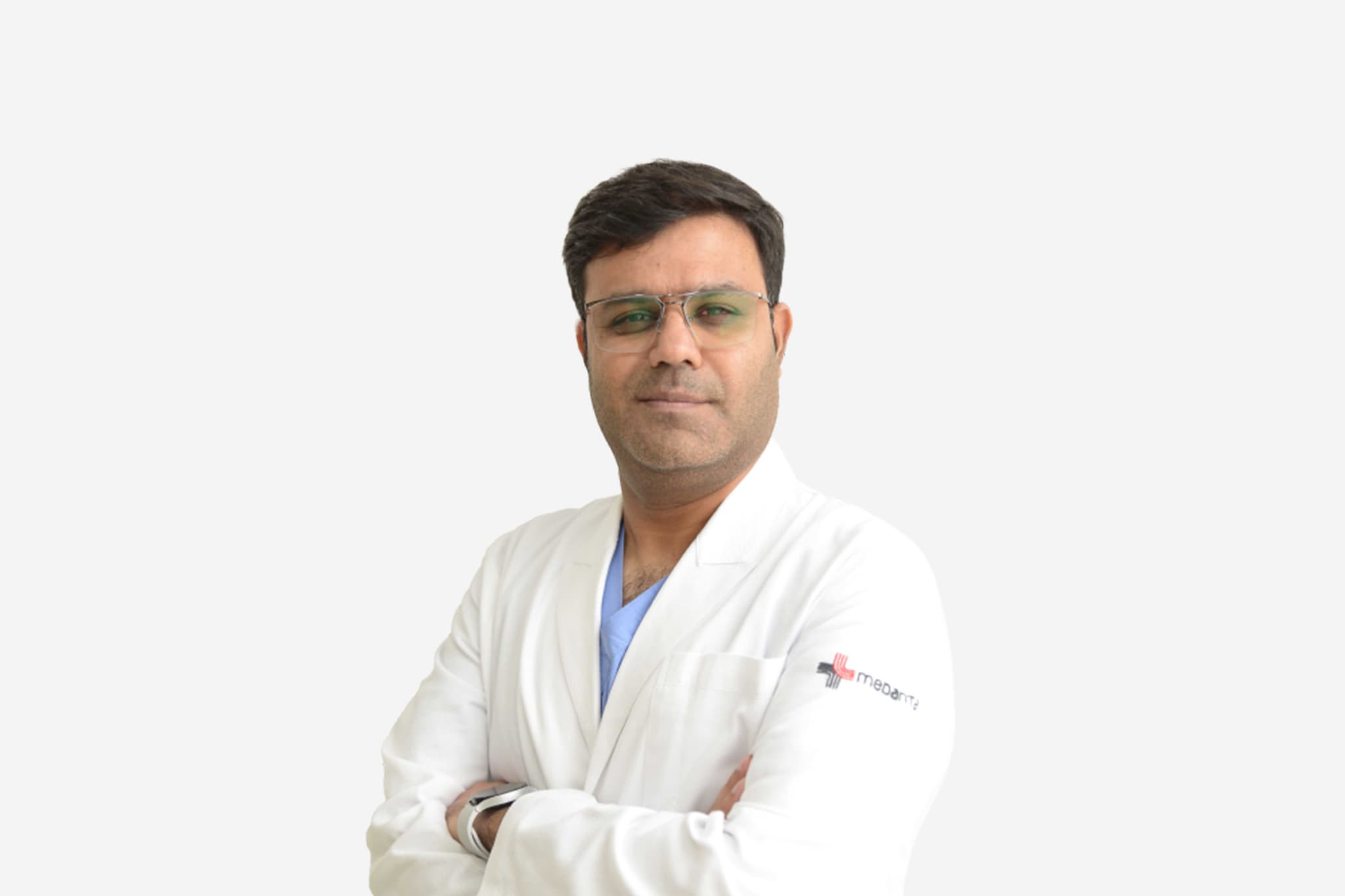
Dr Sandeep Attawar
Dr Sandeep Attawar
Cardiothoracic & Vascular Surgeon (CTVS), Lung Transplant Surgeon, Heart Transplant Surgeon, Pediatric Cardiac Surgeon
33+years experience

May we help you?

Enter digits only (6-15 digits). We'll add your country code.