Medivisor India Treatment Logo
  • Home
  • About Us
    • About Us
    • Our Services
    • Our Team
    • Our Medical Advisors
    • Our Safety Measures
  • Treatment
    • Loading treatments...
  • Hospitals
    • Loading hospitals...
  • Patient Guide
    • Treatment Cost
    • Treatment Process
    • Visa Process
    • Travel Guide
    • FAQs
    • Why Medivisor
  • Gallery
    • Success Stories
    • Patient Activities
    • Social Activities
    • News Coverage
    • Blog
  • Become a Partner

+91 83407 80250

Medivisor Logo

Medivisor India Treatment is a trusted New Delhi–based medical travel partner connecting global patients to advanced, affordable, high-quality healthcare in India.

  • Medivisor House 359, Sector 1, Vaishali, Ghaziabad, (Delhi/NCR) India
  • +91 8340 780 250
  • info@medivisorhealth.com

About Us

  • About Us
  • Our Services
  • Our Team
  • Our Medical Advisors
  • Our Safety Measures
  • Join Our Network
  • Contact Us

India Treatment

  • Hospitals
  • Treatments
  • Treatment Cost
  • Treatment Process
  • Visa Process
  • Travel Guide
  • FAQs
  • Why Medivisor

Gallery

  • Patient Testimonials
  • Patient Activities
  • News Coverage
  • Blog

Get in Touch

© 2026 Medivisor India Treatment. All rights reserved.

Brain Care hospital

Brain Care

  1. Home
  2. Departments
  3. Brain Care

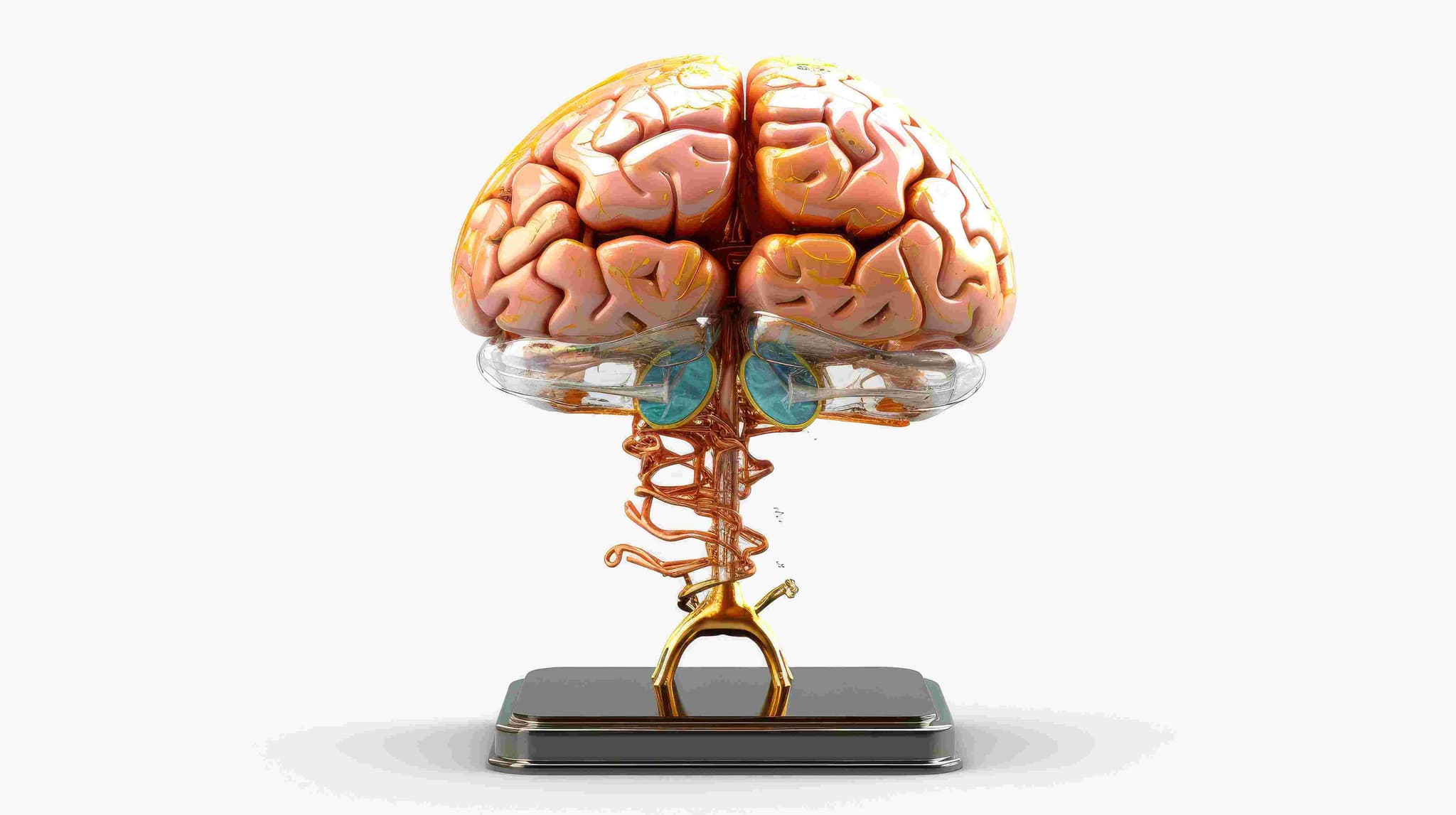
Neurosciences Department (Brain & Spine)

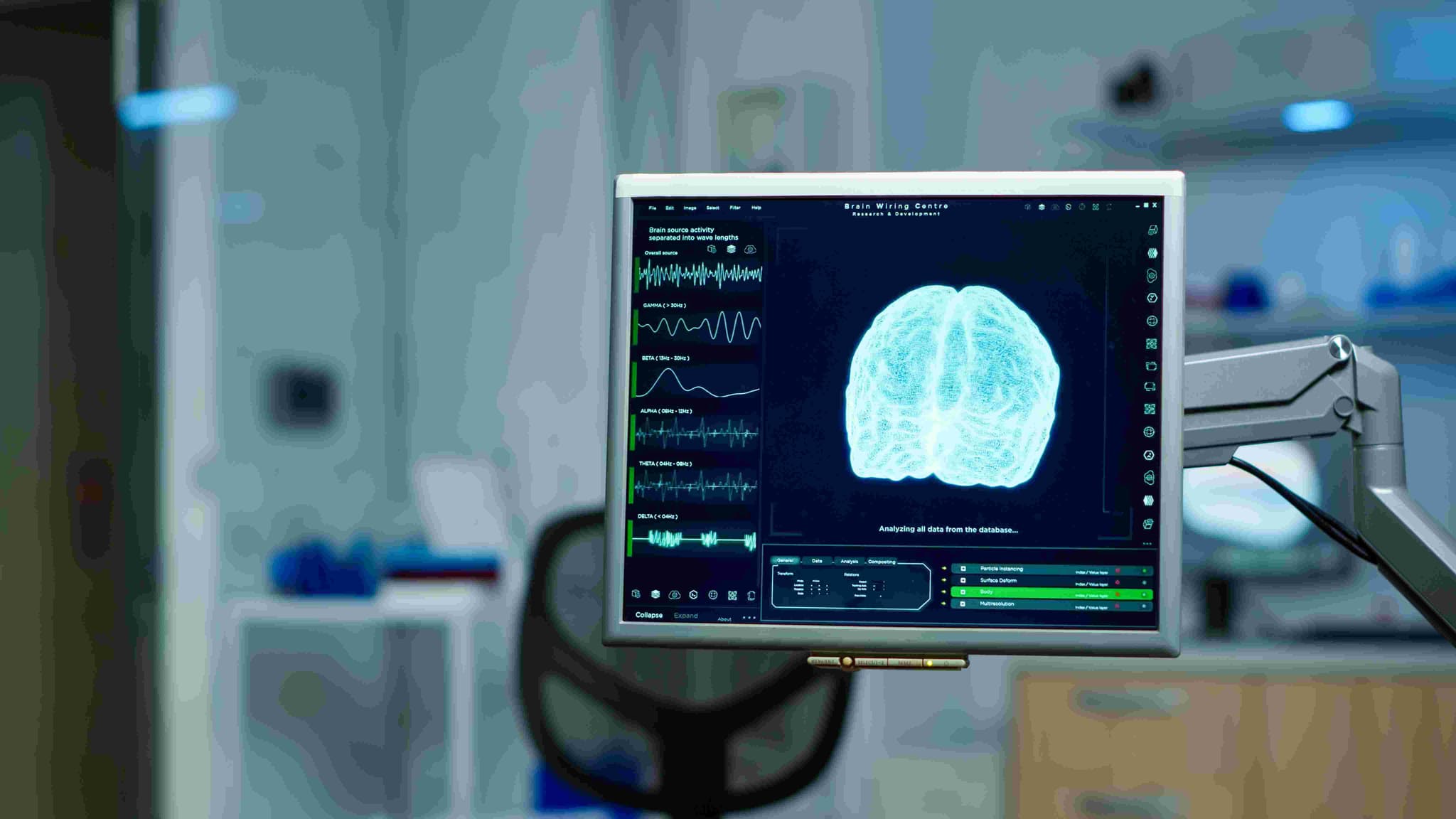
The Neurosciences Department is a world-class center of precision, dedicated to the most delicate structures of the human body: the brain and spinal cord. Combining medical neurology with advanced neurosurgery, this department functions as a high-tech sanctuary for patients facing complex neurological challenges. For international families, it offers a seamless blend of "GPS-guided" surgical accuracy and compassionate rehabilitative care, ensuring that the most sensitive interventions are handled with elite expertise.

A Specialized Circle of Experts

Neurological care requires a highly synchronized team of specialists who map every electrical and biological pathway of the nervous system:

  • Neurologists: Expert diagnosticians who manage chronic conditions like Stroke, Epilepsy, Parkinson’s, and Migraines through advanced medical therapies.

  • Neurosurgeons: Specialized "architects" of the brain who perform life-saving operations for tumors, aneurysms, and spinal disorders.

  • Interventional Neuroradiologists: Specialists who use minimally invasive "vessel-mapping" to treat brain blockages through tiny catheters, avoiding traditional open surgery.

  • Neuro-Physiologists & Anesthetists: Dedicated experts who monitor brain waves and vital pressure changes in real-time to ensure maximum safety during procedures.

  • Neuro-Psychologists: Compassionate specialists who help patients navigate changes in memory, speech, and behavior during their recovery journey.

Advanced Infrastructure and "Brain-GPS" Technology

Precision is the hallmark of this department, where sub-millimeter accuracy is maintained through cutting-edge hardware:

  • Neuro-Navigation Systems: Functioning like a GPS for the brain, this technology creates a 3D map to guide surgeons through complex pathways with total safety.

  • High-Powered Operative Microscopes: Advanced visualization tools that allow surgeons to see microscopic nerves and vessels at 20x magnification.

  • Non-Invasive Radiosurgery: Utilizing Gamma Knife or CyberKnife technology to destroy deep-seated tumors with radiation beams, requiring no surgical incisions.

  • Intraoperative Monitoring (IOM): A "safety-ping" system that monitors nerve health during surgery, instantly alerting the team if critical areas are approached.

  • Specialized Neuro-ICU: A dedicated intensive care wing staffed by experts trained in the hourly monitoring of consciousness and pupillary reactions.

Comprehensive Diagnostic and Recovery Units

The department is a self-contained ecosystem designed for rapid diagnosis and holistic rehabilitation:

  • The Stroke Excellence Unit: A rapid-response area focused on "Time is Brain" protocols to treat clots and prevent long-term disability.

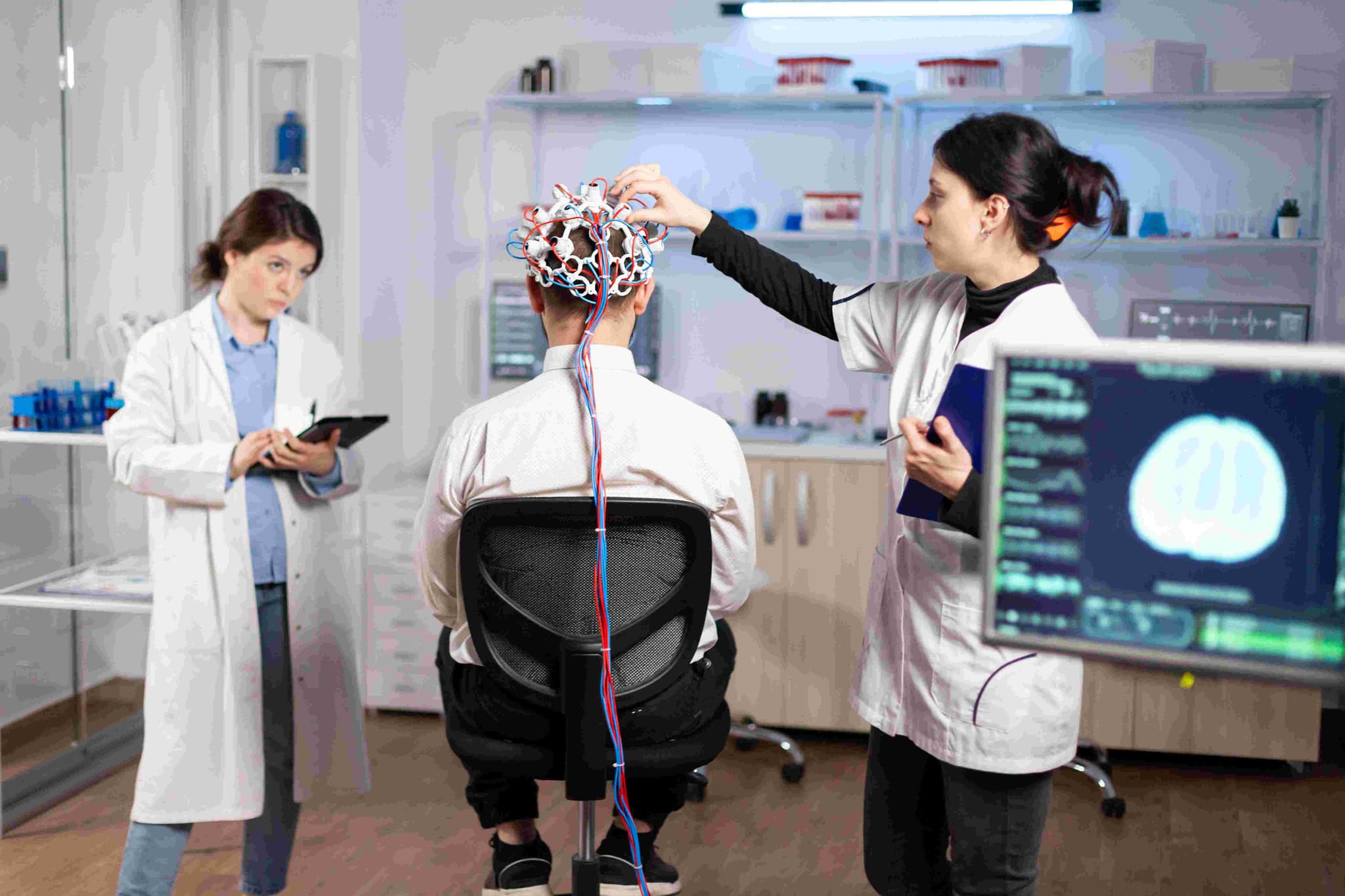
  • Advanced EEG & Sleep Labs: Specialized diagnostic suites for recording brain electrical activity and treating disorders like Sleep Apnea and Narcolepsy.

  • Neuro-Rehabilitation Wing: A dedicated space for physical, speech, and occupational therapy to help patients "retrain" the brain after treatment.

  • International Patient Suite: A premium lounge for global families to coordinate medical records, follow-up scans, and travel logistics in a calm environment.

May we help you?

Enter digits only (6-15 digits). We'll add your country code.

Brain Care Treatments

Acoustic Neuroma Surgery

Acoustic Neuroma Surgery

Acoustic neuroma surgery (vestibular schwannoma resection) is a specialized craniotomy performed to remove a benign tumor growing on the hearing and balance nerves. Because these tumors are located in the cerebellopontine angle—a crowded space near the brainstem—the primary goal is to remove the tumor while preserving the facial nerve and, if possible, any remaining hearing. This surgery requires extreme precision to protect the delicate structures that control facial movement and balance.

When You Should Consider Acoustic Neuroma Surgery

  • Documented Growth: If follow-up MRI scans show the tumor is enlarging, increasing the risk of future nerve damage.

  • Brainstem Compression: Large tumors that press against the brainstem can become life-threatening and require surgical decompression.

  • Progressive Hearing Loss: When a tumor is still small enough that a hearing-preservation surgical approach is a viable option.

  • Balance Instability: Persistent vertigo or dizziness caused by the tumor’s pressure on the vestibular (balance) nerve.

  • Facial Twitching or Numbness: Signs that the tumor is beginning to impact the adjacent facial or trigeminal nerves.

How Is Performed

  • Anesthesia: The surgery is performed under general anesthesia and typically lasts 4 to 10 hours, depending on the tumor's size and the chosen surgical approach.

  • Intraoperative Monitoring: Small electrodes are placed on the face and near the ear to provide real-time nerve monitoring. This provides the surgeon with immediate feedback if the facial or hearing nerves are being stressed.

  • Surgical Approaches:
    Translabyrinthine: The surgeon reaches the tumor through the inner ear bone (mastoid). This provides the best view of the facial nerve but results in permanent, total hearing loss in that ear.
    Retrosigmoid (Sub-occipital): An incision is made behind the ear to reach the tumor from behind. This offers a chance to preserve existing hearing.
    Middle Fossa: An opening is made above the ear, used primarily for very small tumors when the primary goal is to save hearing.

  • Tumor Removal: Using a high-powered microscope and an ultrasonic aspirator, the surgeon meticulously peels the tumor away from the brainstem and cranial nerves.

  • Fat Graft: If the inner ear was opened, a small piece of fat (usually taken from the abdomen) is used to seal the area and prevent cerebrospinal fluid (CSF) leaks.

  • Closing: The bone flap is replaced or the opening is covered with a titanium mesh or plate, and the scalp is closed with stitches.

Pre-Procedure Preparation

  • High-Resolution MRI: A dedicated "internal auditory canal" protocol scan to map the tumor’s exact relationship to the nerves.

  • Audiogram and ABR: Detailed hearing tests to establish your baseline hearing level and the health of the auditory nerve.

  • Vestibular Testing: To evaluate how much your balance system has already been affected by the tumor.

  • Fasting: Following "nothing by mouth" instructions for 8 hours prior to your scheduled anesthesia.

  • Medication Audit: You may be asked to stop taking blood thinners or anti-inflammatory medications several days before the procedure.

Tests Before Acoustic Neuroma Surgery

  • Contrast-Enhanced CT Scan: To provide a detailed map of the bone structures surrounding the inner ear and skull base.

  • Videonystagmography (VNG): A specialized test to record eye movements and determine the extent of balance nerve involvement.

  • Blood Panels: A routine check of your blood count, electrolytes, and clotting factors.

  • ECG: A standard heart check to confirm cardiovascular stability for a multi-hour neurosurgical procedure.

Life After Acoustic Neuroma Surgery

  • Hospital Stay: Typically 3 to 5 days, usually including at least one night in the Neuro-ICU for intensive monitoring.

  • Balance and Vertigo: Since the balance nerve is often removed with the tumor, significant dizziness and vertigo are common for the first few days. The brain usually adapts within a few weeks through "vestibular compensation."

  • Activity Restrictions: No heavy lifting or straining for 6 weeks. Most patients return to professional work within 6–12 weeks.

  • Vestibular Rehabilitation: Specialized balance therapy is often started shortly after surgery to speed up the brain's ability to compensate for the lost balance nerve.

  • Facial Nerve Recovery: If the facial nerve was stretched during surgery, temporary facial drooping may occur; specialized facial exercises and eye care (drops/gels) are necessary during the recovery phase.

Why Specialized Treatment Is Highly Effective

  • Advanced Nerve Monitoring: The use of real-time electrical feedback significantly increases the chances of preserving the facial nerve and maintaining your natural appearance.

  • Tailored Surgical Approaches: Surgeons can choose the specific "pathway" to the tumor that best balances tumor removal with the goal of hearing preservation.

  • Microsurgical Precision: Utilizing high-definition operating microscopes allows for the safe separation of the tumor from the delicate brainstem surface.

  • Multidisciplinary Expertise: Care is coordinated between neurosurgeons and neuro-otologists (ear specialists) to manage both the neurological and hearing aspects of the condition.

  • Long-Term Tumor Control: For most benign vestibular schwannomas, a complete surgical resection provides a permanent cure with a very low risk of recurrence.

Aneurysm Clipping

Aneurysm Clipping

Aneurysm clipping is a specialized neurosurgical procedure used to treat a brain aneurysm by placing a small metal clip across its "neck." This prevents blood from entering the weakened, bulging area of the artery, effectively eliminating the risk of a life-threatening rupture or re-bleeding. Unlike endovascular coiling, which treats the aneurysm from the inside, clipping is an open surgical approach that provides a definitive, mechanical seal.

When You Should Consider Aneurysm Clipping

  • Ruptured Aneurysm: Performed as an emergency procedure to stop a subarachnoid hemorrhage (brain bleed) and prevent a second, often fatal, rupture.

  • Large Unruptured Aneurysms: A preventative measure for aneurysms that are growing or have reached a size where the risk of bursting outweighs the risk of surgery.

  • Complex Aneurysm Shape: For wide-necked or irregular aneurysms that may not be suitable for endovascular coiling.

  • Younger Patients: Clipping is often favored for younger patients as it typically offers a highly durable, lifelong solution with a very low rate of recurrence.

  • Mass Effect: When a large aneurysm is pressing on nearby cranial nerves, causing symptoms like double vision or facial pain.

How It Is Performed

  • Craniotomy: A precise incision is made in the scalp, usually behind the hairline. A small section of the skull (bone flap) is temporarily removed to provide the surgeon access to the brain's protective layers.

  • Anesthesia: The surgery is performed under general anesthesia and typically lasts 3 to 5 hours, depending on the aneurysm's location.

  • Microdissection: Using a high-powered operating microscope, the neurosurgeon carefully navigates the natural folds and fluid-filled spaces of the brain to locate the aneurysm without disturbing healthy tissue.

  • Clip Application: A tiny, permanent titanium clip is placed precisely across the neck of the aneurysm. This seals the bulge while allowing blood to flow normally through the main (parent) artery.

  • Flow Verification: Surgeons often use intraoperative fluorescence (ICG dye) or micro-Doppler ultrasound to confirm the aneurysm is completely closed and that all surrounding vessels remain open and healthy.

  • Closure: The bone flap is secured back in place with small titanium plates and screws, and the scalp is closed with stitches or surgical staples.

Pre-Procedure Preparation

  • Cerebral Angiography: The "gold standard" diagnostic test to map the exact size, shape, and orientation of the aneurysm relative to other blood vessels.

  • Neurological Assessment: A detailed baseline exam of your motor skills, speech, and vision.

  • Steroid/Anti-Seizure Protocol: In some cases, medications are started before surgery to reduce brain irritation or the risk of a seizure.

  • Fasting: Following "nothing by mouth" instructions for 8 hours prior to your scheduled anesthesia.

  • Medication Audit: You will be asked to stop taking blood thinners or anti-inflammatory medications (like aspirin or ibuprofen) several days before the procedure.

Tests Before Aneurysm Clipping

  • CTA or MRA Scan: High-resolution 3D imaging used to plan the surgical trajectory and identify the best "angle" for clip placement.

  • Blood Panels: A routine check of your blood count, electrolytes, and clotting factors to ensure a safe surgical experience.

  • ECG and Chest X-ray: Standard checks to confirm your heart and lungs are healthy enough for a multi-hour neurosurgical procedure.

  • Cerebrospinal Fluid (CSF) Analysis: For ruptured cases, this helps determine the extent of the initial bleed.

Life After Aneurysm Clipping

  • Hospital Stay: Patients with unruptured aneurysms typically stay 2 to 5 days. For ruptured cases, the stay often extends to 2 to 3 weeks in a specialized Neuro-ICU for intensive monitoring.

  • Initial Symptoms: Headaches, fatigue, and "clicking" or "popping" sensations in the scalp are common as the bone flap heals.

  • Activity Restrictions: No heavy lifting, straining, or vigorous exercise for 6 to 8 weeks. Most patients can return to driving and light desk work within one month.

  • Follow-up Imaging: While the clip is a permanent solution, periodic imaging (MRA or CTA) is performed to monitor the surgical site and ensure no new aneurysms develop.

  • Vasospasm Monitoring: For those who experienced a rupture, the team will monitor closely for "vasospasm" (narrowing of brain vessels) for up to 14 days following the initial bleed.

Why Specialized Treatment Is Highly Effective

  • Definitive Mechanical Seal: Once clipped, the risk of the aneurysm ever bleeding again is extremely low, providing long-term peace of mind.

  • Preserves Parent Artery: Advanced micro-surgical techniques ensure that the "hammock" of the clip seals the bulge while maintaining 100% of the normal blood flow to the brain.

  • Real-Time Verification: Intraoperative dye (ICG) allows the surgeon to see blood flow through the vessels in real-time, ensuring the clip is perfectly positioned before the surgery ends.

  • Durability: Titanium clips are MRI-safe and designed to stay in place for a lifetime without needing adjustment or replacement.

  • Addresses Complex Cases: Surgery remains the gold standard for aneurysms that are technically difficult to treat via the "inside" catheter-based methods.

AVM (Arteriovenous Malformation) Surgery

AVM (Arteriovenous Malformation) Surgery

AVM (Arteriovenous Malformation) surgery, clinically known as surgical resection, is a major neurosurgical procedure to physically remove an abnormal tangle of blood vessels from the brain or spinal cord. The primary goal is to eliminate the risk of a life-threatening brain hemorrhage. Unlike other treatments that may take years to work, surgical resection provides an immediate and definitive "cure" by removing the malformation entirely in a single session.

When You Should Consider AVM Surgery

  • Preventing Hemorrhage: AVMs carry a 2–4% annual risk of bursting; surgery is often the most definitive way to permanently eliminate this risk.

  • Ruptured AVM: Performed as an emergency to remove the malformation and any resulting blood clot (hematoma) to relieve life-threatening pressure on the brain.

  • Seizure Control: If the AVM is irritating the brain's surface and causing frequent seizures that are difficult to manage with medication.

  • Accessible Location: Surgery is highly effective for AVMs located on or near the surface of the brain where they can be reached without disturbing deep, critical structures.

  • Vascular Steal Syndrome: When the AVM "steals" blood from healthy surrounding brain tissue, leading to progressive neurological weakness or cognitive decline.

How It Is Performed

  • Craniotomy: The surgeon makes a precise incision in the scalp, usually behind the hairline, and temporarily removes a small section of the skull (bone flap) to access the brain.

  • Anesthesia: The surgery is performed under general anesthesia and typically lasts 4 to 8 hours depending on the size and complexity of the AVM.

  • Microdissection: Using a high-powered operating microscope, the neurosurgeon carefully separates the AVM from the surrounding healthy brain tissue with sub-millimeter precision.

  • Vessel Ligation: The "feeding" arteries that bring high-pressure blood into the AVM are identified and closed with tiny permanent clips or cautery. The "draining" veins are left for last to ensure blood does not back up and cause a rupture during the procedure.

  • Resection: Once the blood supply is completely cut off, the entire malformed tangle is lifted out of the brain cavity.

  • Closing: After confirming there is no remaining bleeding, the bone flap is replaced and secured with small titanium plates, and the scalp is closed with stitches or surgical staples.

Pre-Procedure Preparation

  • Digital Subtraction Angiography (DSA): A detailed "road map" of the brain's blood vessels to identify every feeding artery and draining vein.

  • Functional MRI (fMRI): To map critical areas of the brain near the AVM responsible for speech, movement, or vision.

  • Pre-Surgical Embolization: In some cases, a catheter procedure is done a day or two before surgery to "glue" some of the vessels, making the final resection safer and reducing blood loss.

  • Fasting: Following "nothing by mouth" instructions for 8 hours prior to your scheduled anesthesia.

  • Anti-Seizure Medication: Often started before the procedure to stabilize the brain's electrical activity.

Tests Before AVM Surgery

  • CT and MRI Scans: To provide a 3D view of the AVM's volume and its exact relationship to the surrounding healthy brain tissue.

  • Diffusion Tensor Imaging (DTI): A specialized MRI that shows the white matter "wiring" near the AVM to help the surgeon avoid important pathways.

  • Blood Panels: A routine check of your blood count, electrolytes, and clotting factors to ensure a safe surgical experience.

  • ECG: A standard heart check to confirm cardiovascular stability for a multi-hour neurosurgical procedure.

Life After AVM Surgery

  • Hospital Stay: Typically 3 to 7 days. For a ruptured AVM, the stay may extend to 2 or 3 weeks in a specialized Neuro-ICU for intensive recovery.

  • Initial Symptoms: Headaches, fatigue, and "brain fog" are common for the first few weeks. Some patients may also experience temporary scalp numbness or "clicking" sensations as the bone flap heals.

  • Activity Restrictions: No heavy lifting, straining, or vigorous exercise for 6 to 8 weeks. Most patients can return to light work or school within 1–2 months.

  • Final Confirmation: A follow-up angiogram is usually performed before discharge or a few months later to prove the AVM is 100% gone.

  • Rehabilitation: If the AVM was in a functional area, physical or occupational therapy may be recommended to help regain strength or coordination.

Why Specialized Treatment Is Highly Effective

  • Immediate Risk Elimination: Once the AVM is removed, the risk of a future brain hemorrhage is effectively reduced to zero.

  • Definitive Cure: Unlike radiation therapy, which can take 2–3 years to close an AVM, surgical resection provides an instant resolution.

  • Advanced Micro-Neurosurgery: The use of high-definition microscopes and neuronavigation allows surgeons to navigate the brain's natural folds with minimal impact on healthy tissue.

  • Reduces Brain Irritation: Removing the physical tangle of vessels often leads to a significant reduction in chronic headaches and seizure activity.

  • Integrated Care Teams: Patients benefit from a multidisciplinary team including neurosurgeons, interventional neuroradiologists, and specialized nurses to manage every stage of the journey.

AVM Embolization

AVM Embolization

AVM (Arteriovenous Malformation) Embolization is a minimally invasive, catheter-based procedure used to block or reduce blood flow to an abnormal tangle of blood vessels. It is most commonly used to treat brain AVMs but can also address malformations in the spine or other parts of the body. By plugging the "feeding" arteries of the malformation, the procedure stabilizes the vascular structure and reduces the risk of life-threatening hemorrhages.

When You Should Consider AVM Embolization

  • Pre-Surgical Preparation: To shrink the AVM and block deep, hard-to-reach feeding vessels, making surgical removal (resection) safer by significantly reducing blood loss.

  • Pre-Radiosurgical Adjunct: To reduce the total volume of the AVM, making it a better candidate for targeted Stereotactic Radiosurgery (SRS).

  • Vascular Steal Syndrome: When the AVM "steals" blood from healthy brain tissue, causing chronic headaches, seizures, or progressive neurological deficits.

  • High Rupture Risk: If diagnostic imaging shows weakened vessel walls (aneurysms) within the AVM that are at high risk of bleeding.

  • Inoperable AVMs: For malformations located in "eloquent" or deep areas of the brain where traditional open surgery is too risky.

How It Is Performed

  • Access: A thin, flexible tube called a catheter is inserted into a major artery, usually in the groin (femoral) or the wrist (radial). No skull incisions are required.

  • Anesthesia: The procedure is typically performed by a neurointerventional specialist under general anesthesia and lasts between 2 to 3 hours.

  • Guidance: Using real-time X-ray imaging (fluoroscopy) and contrast dye, the surgeon threads the micro-catheter through the vascular system directly to the AVM's feeding vessels.

  • Blocking (Embolization): A specialized "embolic agent" is injected through the catheter to seal the vessels. Common agents include:
    Liquid Glues (Onyx or NBCA): Medical-grade substances that harden quickly to permanently seal the abnormal vessels.
    Microcoils: Tiny platinum or steel coils that trigger the body's natural clotting process.
    Particles: Small medical grains that physically plug the smaller, intricate vessels of the AVM.

  • Completion: Once the desired blood flow reduction is achieved, the catheter is removed, and the access site is closed with a pressure device.

[Image showing the "Onyx" embolic agent filling the AVM nest]

Pre-Procedure Preparation

  • Cerebral Angiography: A detailed "road map" of your brain's blood vessels to identify the exact feeders of the AVM.

  • Neurological Baseline: A comprehensive exam to document your current motor skills, speech, and vision before the procedure.

  • Kidney Function Tests: To ensure your body can safely clear the contrast dye used during the imaging process.

  • Fasting: Following "nothing by mouth" instructions for 8 hours prior to your scheduled anesthesia.

  • Medication Audit: You may be asked to stop taking blood thinners several days before the procedure to minimize the risk of bleeding at the access site.

Tests Before AVM Embolization

  • CT or MRI Scan: To visualize the relationship between the AVM and the surrounding healthy brain tissue.

  • Functional MRI (fMRI): Occasionally used to map critical areas of the brain (like speech or movement centers) near the AVM.

  • Blood Panels: A routine check of your blood count and coagulation profile to ensure a safe surgical experience.

  • ECG: A standard heart check to confirm you are healthy enough for the administration of anesthesia.

Life After AVM Embolization

  • Hospital Stay: Most patients stay at least one night for close observation. If the AVM has previously ruptured, a longer stay in a neuro-intensive care unit (ICU) may be required.

  • Immediate Symptoms: It is normal to experience mild headaches, nausea, or temporary fatigue for a few days following the procedure.

  • Activity Restrictions: Avoid heavy lifting and strenuous exercise for about 5 to 7 days to allow the artery access site (groin or wrist) to heal completely.

  • Follow-up Imaging: A repeat angiography is typically performed within 6 to 12 months to check for recanalization (vessels reopening) or new blood flow pathways.

  • Multidisciplinary Care: Embolization is often just one step; you will continue to be monitored by a team including neurosurgeons and radiation oncologists.

Why Specialized Treatment Is Highly Effective

  • Minimally Invasive Access: Treating complex brain vascular issues through a tiny puncture in the wrist or groin avoids the need for a craniotomy.

  • Enhanced Surgical Safety: By "turning off" the high-pressure blood flow to the AVM, surgeons can remove the remaining malformation with much higher precision and lower risk.

  • Immediate Pressure Reduction: Successfully blocking feeding vessels reduces the immediate strain on fragile AVM walls, lowering the risk of a sudden hemorrhage.

  • Precision Delivery: Modern micro-catheters can navigate deep into the brain's smallest vessels, allowing for highly targeted treatment of even the most complex malformations.

  • Symptom Resolution: Many patients find that redirected blood flow to healthy brain tissue alleviates chronic seizures and headaches.

Balloon-Assisted Coiling

Balloon-Assisted Coiling

Balloon-Assisted Coiling (BAC), also known as the remodeling technique, is a minimally invasive endovascular procedure used to treat brain aneurysms, particularly those with a wide neck or complex shape. It utilizes a temporary balloon to provide a protective barrier while platinum coils are packed into the aneurysm, ensuring the main artery remains clear.

When You Should Consider Balloon-Assisted Coiling

  • Wide-Neck Aneurysms: Aneurysms where the opening is too wide to hold coils on their own (dome-to-neck ratio < 2), preventing them from falling into the bloodstream.

  • Acute Rupture: Often the preferred choice for recently ruptured aneurysms because, unlike stents, it does not require long-term dual antiplatelet therapy, which is dangerous during an active brain bleed.

  • Bifurcation Aneurysms: Useful for aneurysms located where blood vessels branch off, as the balloon helps keep those vital side branches open during the coiling process.

  • Emergency Salvage: When a sudden rupture occurs during a standard coiling procedure, the balloon can be instantly inflated to stop the bleeding.

  • Avoidance of Permanent Hardware: Ideal for patients who cannot tolerate or do not want a permanent metal stent left inside their artery.

Methods of Balloon-Assisted Coiling

  • Standard Remodeling: A single balloon is used to cover the neck of the aneurysm while a second microcatheter delivers the coils.

  • Double-Balloon Technique: Used for extremely complex or wide-base aneurysms, involving two balloons to protect multiple branching vessels simultaneously.

  • Dual-Lumen Ballooning: Utilizing a specialized catheter that can both inflate a balloon and deliver coils through the same device.

  • Temporary Stenting Effect: The balloon is used to "mold" the coil mass into a specific shape that conforms to the aneurysm wall before the balloon is removed.

How Balloon-Assisted Coiling Is Performed

  • Vascular Navigation: A catheter is inserted, usually through the femoral artery (groin) or radial artery (wrist), and guided to the brain using real-time X-ray imaging (fluoroscopy).

  • Balloon Placement: A specialized balloon microcatheter is positioned in the main artery, directly across the opening (neck) of the aneurysm.

  • Inflation and "Remodeling": The balloon is temporarily inflated with a mixture of saline and contrast dye to create a temporary wall across the aneurysm's neck.

  • Coil Packing: While the balloon is inflated, soft platinum coils are packed into the aneurysm sac. The balloon prevents the coils from protruding into the main artery.

  • Stability Verification: The balloon is periodically deflated to check if the coils remain stable and in place. If they shift, the balloon is reinflated for further packing.

  • Catheter Removal: Once the aneurysm is densely filled and the coils are stable without support, the balloon is deflated and all catheters are removed. No hardware is left in the artery.

Pre-Procedure Preparation

  • Diagnostic mapping via Digital Subtraction Angiography (DSA) to determine the exact width of the aneurysm neck.

  • Fasting (NPO) for 8–12 hours prior to the procedure.

  • Administration of heparin (a short-term blood thinner) during the procedure to prevent clots from forming while the balloon is inflated.

  • Baseline neurological assessment to monitor the patient's speech, motor, and sensory functions before and after the surgery.

Tests Before Balloon-Assisted Coiling

  • Digital Subtraction Angiography (DSA): The gold standard for measuring the "dome-to-neck" ratio to decide if a balloon is necessary.

  • CT or MRI Scan: To assess the brain for any signs of recent hemorrhage or structural abnormalities.

  • Kidney Function Tests: To ensure the patient's kidneys can safely filter the contrast dye used during the X-ray process.

  • Blood Coagulation Profile: Checking the patient's natural clotting ability before introducing surgical blood thinners.

Life After Balloon-Assisted Coiling

  • Hospital Stay: Patients are typically monitored for 1 to 2 days for unruptured aneurysms. For ruptured cases, the stay extends to 2 to 3 weeks in a Neuro-ICU.

  • Immediate Post-Op: Strict bed rest is required for 6 hours to prevent bleeding at the catheter insertion site (groin or wrist).

  • Medication: Most patients only require short-term aspirin (2–4 weeks), which is a significant benefit over the months of intense blood thinners required for stents.

  • Activity: Most patients return to normal light activities within 1 to 3 weeks.

  • Follow-up: Mandatory MRA or Angiography scans are performed at 6 and 12 months to ensure the coils haven't settled and the aneurysm remains sealed.

Benefits of Balloon-Assisted Coiling

  • No Permanent Implant: Unlike stent-assisted coiling, no metal is left in the main artery, reducing the long-term risk of blood clots or "clogging" (restenosis).

  • Superior Safety in Ruptures: Allows for the treatment of wide-necked aneurysms without the high risk of bleeding complications associated with long-term blood thinners.

  • Immediate Hemorrhage Control: Provides a "safety net" that can immediately stop internal bleeding if the aneurysm ruptures during the procedure.

  • Improved Packing Density: Allows the surgeon to pack more coils into the aneurysm than would be possible without the balloon's support, potentially reducing recurrence.

Brain Tumor Removal (Craniotomy)

Brain Tumor Removal (Craniotomy)

A craniotomy is the primary surgical procedure used to remove a brain tumor. It involves carefully removing a section of the skull, known as a "bone flap," to provide the surgeon direct access to the brain. Once the tumor is addressed, the bone flap is typically replaced and secured with small titanium plates and screws. This procedure is the cornerstone of neurosurgical oncology, allowing for both the removal of the mass and the acquisition of tissue for a precise diagnosis.

When You Should Consider a Craniotomy

  • Primary Brain Tumors: For tumors that originate in the brain, such as gliomas or meningiomas, where removal can reduce pressure and slow progression.

  • Metastatic Tumors: When cancer from another part of the body has spread to the brain and is causing neurological symptoms or is surgically accessible.

  • Diagnostic Biopsy: When a tumor's type is unknown, a craniotomy allows for a larger tissue sample than a needle biopsy, leading to a more accurate treatment plan.

  • Intracranial Pressure Relief: To alleviate the "mass effect" caused by a tumor that is compressing healthy brain tissue, which can cause severe headaches, nausea, or vision loss.

  • Symptom Management: To stop or reduce seizures and focal neurological deficits (like weakness or speech issues) caused by the tumor’s location.

How It Is Performed

  • Mapping: Surgeons use Neuronavigation—a high-tech system similar to GPS for the brain—and pre-operative MRI scans to pinpoint the tumor's exact coordinates before making an incision.

  • Anesthesia: The surgery is performed under general anesthesia and can take anywhere from 3 to 7 hours depending on the tumor's location and complexity.

  • The Opening: A precise incision is made in the scalp, and a specialized surgical drill (craniotome) is used to remove a piece of the skull.

  • Tumor Removal (Resection):
    Gross Total Resection: The surgeon removes the entire visible tumor.
    Subtotal Resection: If the tumor is too close to critical areas (eloquent brain) controlling speech or movement, only a portion is removed to preserve function.

  • Advanced Tools: Surgeons may use an ultrasonic aspirator to break up the tumor or fluorescent dye (5-ALA), which makes tumor cells glow under a special light to help distinguish them from healthy tissue.

  • Closing: After the tumor is removed, the bone flap is put back in its original position, and the scalp is closed with stitches or surgical staples.

Specialized Types of Craniotomy

  • Awake Craniotomy: The patient is woken up during the middle of surgery to perform tasks like talking or moving fingers. This allows the surgeon to map and avoid "eloquent" areas responsible for speech or motor skills in real-time.

  • Endoscopic Craniotomy: A minimally invasive approach using a small hole and a camera (endoscope), often used for tumors located in the ventricles or deep within the brain.

  • Keyhole Craniotomy: A smaller, more targeted opening (often behind the ear or above the eyebrow) used to access specific areas with minimal disruption to surrounding tissue.

Pre-Procedure Preparation

  • High-Resolution Imaging: Detailed MRI or CT scans with contrast to map the tumor’s size, vascularity, and relationship to functional brain zones.

  • Steroid Protocol: You may be started on medications like dexamethasone a few days before surgery to reduce brain swelling (edema) caused by the tumor.

  • Anti-Seizure Medication: Often prescribed preventatively to reduce the risk of a seizure during or after the procedure.

  • Fasting: Adhering to "nothing by mouth" instructions for 8 hours prior to your scheduled anesthesia.

  • Scalp Preparation: The surgical area may be washed with a specialized antiseptic, and a small amount of hair may be trimmed along the incision line.

Tests Before a Craniotomy

  • Functional MRI (fMRI): To identify specific areas of the brain used for speech, movement, and sensation relative to the tumor.

  • Diffusion Tensor Imaging (DTI): A specialized MRI that maps the white matter "wiring" of the brain to help the surgeon avoid critical pathways.

  • Blood Panels: A routine check of your blood count, electrolytes, and clotting factors to ensure a safe surgical experience.

  • ECG: A standard heart check to confirm cardiovascular stability for a multi-hour procedure.

Life After a Craniotomy

  • Hospital Stay: Typically 3 to 7 days. You will likely spend the first night in the Neuro-ICU for intensive monitoring of your neurological status.

  • Initial Symptoms: It is common to experience headaches, fatigue, and "brain fog." You may also notice temporary swelling around the eyes or scalp.

  • Activity Restrictions: No heavy lifting or strenuous exercise for 6 to 8 weeks. Most patients can return to light desk work within 4–6 weeks.

  • Stitch Removal: Scalp stitches or staples are typically removed by the surgical team 10–14 days after the procedure.

  • Follow-up Treatment: Depending on the biopsy results (pathology), further treatments such as radiation or chemotherapy may begin a few weeks after the brain has had time to heal.

Why Specialized Treatment Is Highly Effective

  • Maximum Safe Resection: The combination of neuronavigation and intraoperative mapping allows surgeons to remove the largest amount of tumor possible while protecting your personality and physical abilities.

  • Immediate Pressure Relief: Removing the tumor mass often leads to a rapid improvement in headaches and other symptoms caused by brain compression.

  • Precision Technology: Tools like fluorescent dyes and ultrasonic aspirators allow for cleaner margins and less trauma to the surrounding healthy brain tissue.

  • Multidisciplinary Expertise: Care is coordinated between neurosurgeons, neuro-oncologists, and rehabilitation specialists to provide a comprehensive path from surgery to recovery.

  • Definitive Diagnosis: A craniotomy provides the highest quality tissue samples, ensuring that follow-up treatments (like targeted therapy) are based on the exact molecular profile of the tumor.

Brainstem Surgery

Brainstem Surgery

Brainstem surgery is one of the most complex and delicate procedures in neurosurgery. The brainstem controls vital life functions—including breathing, heart rate, and consciousness—and acts as the "highway" for all nerve signals traveling between the brain and the body. Because the brainstem is packed with critical nuclei and fiber tracts in a very small space, the surgical goal is usually Maximal Safe Resection or decompression while strictly avoiding these "high-rent" areas.

When You Should Consider Brainstem Surgery

  • Focal Brainstem Gliomas: Specific types of tumors that can be safely separated from the surrounding healthy brainstem tissue.

  • Cavernous Malformations (Cavernomas): Small clusters of abnormal blood vessels that have bled or pose a high risk of future hemorrhage within the brainstem.

  • Brainstem Hemangioblastomas: Highly vascular tumors, often associated with Von Hippel-Lindau disease, that cause progressive pressure.

  • Symptomatic Cysts or Abscesses: Collections of fluid or infection that are causing life-threatening pressure on the body's respiratory or cardiac centers.

  • Tectal Plate Tumors: Lesions located in the back of the midbrain that can block the flow of cerebrospinal fluid, causing hydrocephalus.

How It Is Performed

  • Anesthesia: The surgery is performed under general anesthesia and typically lasts 6 to 10 hours due to the extreme precision required.

  • Surgical Approaches: The entry point is tailored to the exact location of the lesion:
    Suboccipital/Telovelar: Accessing the back of the brainstem (medulla or pons) through an incision at the very base of the skull.
    Retrosigmoid: Reaching the side of the brainstem, often used for issues near the cranial nerves.
    Endoscopic Endonasal: For specific lesions at the very front of the brainstem, surgeons may access the area through the nose.

  • Intraoperative Neuromonitoring (IONM): This is the most critical safety feature. Electrodes continuously monitor motor pathways, sensory pathways, and cranial nerves (eye movement, swallowing, and facial sensation) to warn the surgeon if they are near vital tissue.

  • Microsurgical Dissection: Using a high-powered microscope and specialized lasers or ultrasonic aspirators, the surgeon removes the lesion through "safe entry zones"—specific areas where the density of critical nerve fibers is lowest.

  • Closing: After ensuring all bleeding is controlled, the skull opening is meticulously closed with titanium plates or mesh, and the scalp is stitched.

Pre-Procedure Preparation

  • Advanced Neuroimaging: Utilizing specialized MRI sequences like Tractography (DTI) to map the exact location of the "wiring" inside your brainstem.

  • Steroid Protocol: You will likely be started on high doses of Dexamethasone before surgery to minimize brainstem swelling (edema).

  • Neurological Baseline: A comprehensive assessment of your current motor strength, coordination, and cranial nerve function (swallowing, vision, facial movement).

  • Fasting: Following "nothing by mouth" instructions for 8 hours prior to your scheduled anesthesia.

  • Medication Audit: You must stop all blood thinners and anti-inflammatory medications several days before the procedure to prevent bleeding.

Tests Before Brainstem Surgery

  • Brainstem Auditory Evoked Response (BAER): To check the integrity of the hearing pathways through the brainstem.

  • Somatosensory Evoked Potentials (SSEP): To monitor the sensory pathways that travel from your limbs to your brain.

  • Cerebrospinal Fluid (CSF) Study: To rule out active infection or check for specific tumor markers if the diagnosis is unclear.

  • ECG and Chest X-ray: Standard checks to ensure your heart and lungs can handle a long, intensive surgical procedure.

Life After Brainstem Surgery

  • Hospital Stay: Typically 7 to 14 days. Most patients spend the first several days in a specialized Neuro-ICU for intensive monitoring of breathing and heart rate.

  • Initial Symptoms: Temporary "cranial nerve palsies" (double vision, facial numbness, or swallowing difficulty) are common as the brainstem heals from surgical manipulation.

  • Post-Op Steroids: Continued use of Dexamethasone is essential to manage swelling within the tight confines of the skull base.

  • Inpatient Rehabilitation: Most patients transition to specialized physical, occupational, and speech therapy for several weeks to regain coordination and strength.

  • Long-term Monitoring: Regular MRI scans and neurological check-ups are mandatory to monitor healing and ensure no recurrence of the lesion.

Why Specialized Treatment Is Highly Effective

  • Protects Vital Functions: The use of real-time IONM monitoring provides an unparalleled safety net, allowing surgeons to stop immediately if vital pathways are at risk.

  • Targeted "Safe Zones": Advanced anatomical knowledge allows surgeons to enter the brainstem through areas that do not contain critical nerve centers, preserving your quality of life.

  • Immediate Decompression: For lesions causing pressure, surgery provides the fastest way to relieve strain on the centers that control breathing and heart rate.

  • Precision Technology: Ultrasonic aspirators allow for the gentle removal of tumor tissue without the "pulling" or "tugging" that can damage delicate brainstem fibers.

  • Multidisciplinary ICU Care: Recovery is managed by a team of neuro-intensivists and specialized nurses trained specifically to handle the unique needs of brainstem surgery patients.

Carotid Artery Stenting (stroke prevention)

Carotid Artery Stenting (stroke prevention)

Carotid Artery Stenting (CAS) is a minimally invasive procedure used to open a narrowed carotid artery—the primary blood vessel in the neck that supplies the brain. By using a metal mesh stent to widen the artery, this procedure restores healthy blood flow and significantly reduces the risk of a future stroke. It is often a preferred alternative to open surgery (endarterectomy) for patients with complex anatomy or high-risk medical conditions.


When You Should Consider Carotid Artery Stenting

  • Significant Stenosis: Blockage of more than 70% in patients without symptoms, or more than 50% in those with a history of mini-strokes (TIAs).

  • High Surgical Risk: Patients with severe heart or lung disease who may not tolerate the stress of traditional open neck surgery.

  • Difficult Anatomy: When the blockage is located too high or too low in the neck for a surgeon to reach safely with an incision.

  • Restenosis: For patients whose artery has narrowed again after a previous carotid endarterectomy.

  • Radiation-Induced Stenosis: When the narrowing is a result of prior radiation therapy to the neck, making the tissue difficult to operate on traditionally.

How Carotid Artery Stenting Is Performed

  • Vascular Access: A small puncture is made in the femoral artery (groin) or radial artery (wrist) to serve as the entry point for the catheters.

  • Embolic Protection Device (EPD): A tiny filter, shaped like an umbrella, is positioned past the blockage. This "safety net" catches any loose plaque fragments before they can travel to the brain.

  • Predilation (Angioplasty): A small balloon is guided to the site of the narrowing and inflated to prepare the area for the stent.

  • Stent Deployment: A self-expanding metal mesh tube is released across the blockage. It acts as a permanent scaffold, pressing the plaque against the artery walls to keep the vessel open.

  • Post-Dilation: The surgeon may inflate a balloon inside the newly placed stent to ensure it is fully expanded and snug against the artery wall.

  • Filter Removal: Once the stent is secure, the protection filter—along with any captured debris—is folded and removed from the body.

Pre-Procedure Preparation

  • Diagnostic Imaging: Confirmation of the blockage via Carotid Ultrasound, CT Angiogram (CTA), or MR Angiogram (MRA).

  • Dual Antiplatelet Therapy (DAPT): Taking Aspirin and Clopidogrel (Plavix) for 3–5 days prior is mandatory to prevent blood clots from forming on the new stent.

  • Fasting (NPO): No food or drink for 8–12 hours before the procedure.

  • Neurological Baseline: A thorough exam of speech, vision, and motor skills is conducted so the team can monitor for changes during the surgery.

Tests Before Carotid Artery Stenting

  • Carotid Duplex Ultrasound: A non-invasive test using sound waves to measure the speed of blood flow and the degree of narrowing.

  • CT Angiogram (CTA): Provides a detailed 3D view of the calcium and plaque buildup to help the surgeon select the correct stent size.

  • Electrocardiogram (EKG): To ensure the heart is stable, as manipulating the carotid artery can sometimes affect heart rate.

  • Blood Panels: Routine screens to check kidney function (for processing contrast dye) and blood clotting levels.

Life After Carotid Artery Stenting

  • Hospital Stay: Typically 24 hours for close monitoring of blood pressure and neurological status.

  • Immediate Recovery: Patients must remain on bed rest for about 6 hours post-op to ensure the access site in the groin or wrist heals without bleeding.

  • Medication Adherence: This is the most critical step; missing blood thinners in the first 3 to 6 months can cause the stent to clog (stent thrombosis). Lifetime aspirin is usually required.

  • Activity: Heavy lifting and strenuous exercise are restricted for 1 week, though most patients return to normal light activities within a few days.

  • Follow-up Schedule: Ultrasound scans are mandatory at 1 month, 6 months, and then annually to ensure the artery remains open.

Benefits of Carotid Artery Stenting

  • Minimally Invasive: Avoids a large incision in the neck, reducing the risk of local nerve damage and scarring.

  • Faster Recovery: Most patients return to their normal routine much sooner than those undergoing open surgery.

  • Real-time Monitoring: Since it is usually performed under local anesthesia, the medical team can communicate with the patient throughout the procedure to ensure brain function remains perfect.

  • Effective Stroke Prevention: Long-term studies show that CAS is highly effective at keeping the carotid artery open and preventing future strokes.

Dural AV Fistula Embolization

Dural AV Fistula Embolization

Dural Arteriovenous Fistula (DAVF) Embolization is a specialized endovascular procedure used to close abnormal connections (fistulas) between the dural arteries and the venous system surrounding the brain or spinal cord. Unlike congenital malformations, DAVFs are typically acquired later in life due to factors such as trauma, blood clots (sinus thrombosis), or infections. The procedure uses a catheter-based approach to navigate the vascular system and "plug" the high-pressure leak into the veins.

When You Should Consider DAVF Embolization

  • Cortical Venous Reflux: A high-risk condition where blood flows backward into the brain's veins, significantly increasing the risk of a life-threatening hemorrhage or stroke.

  • Pulsatile Tinnitus: A debilitating "whooshing" or rhythmic thumping sound in the ear that matches your heartbeat, caused by high-pressure blood flow near the ear structures.

  • Increased Intracranial Pressure: When the fistula interferes with normal drainage, causing severe headaches, nausea, or progressive vision loss.

  • Neurological Deficits: Sudden or progressive weakness, numbness, or seizures caused by "venous congestion" in the brain or spinal cord.

  • Aggressive Lesion Grading: If diagnostic imaging (Borden or Cognard classification) identifies the fistula as high-grade with a significant risk of bleeding.

How It Is Performed

  • Access: A thin, flexible catheter is inserted into a blood vessel in the groin or wrist and threaded toward the brain using real-time X-ray guidance (fluoroscopy).

  • Anesthesia: The procedure is typically performed under general anesthesia to ensure the patient remains perfectly still, taking approximately 2 to 4 hours.

  • Transarterial Route: The most common approach, reaching the fistula through the feeding dural arteries (such as the middle meningeal artery).

  • Transvenous Route: An alternative or combined approach accessing the site through the venous sinuses, which is often highly effective for specific high-grade lesions.

  • Embolization: Once the catheter is at the target, "embolic agents" are injected to permanently seal the connection. Common agents include:
    Liquid Embolics (Onyx or PHIL): Non-adhesive liquids that harden upon contact with blood to fill the fistula "nest."
    Microcoils: Small platinum coils that trigger the body's natural clotting process.
    Medical Glue (NBCA): A fast-acting adhesive used to instantly seal high-flow connections.

Pre-Procedure Preparation

  • Digital Subtraction Angiography (DSA): The "gold standard" diagnostic test to map the complex architecture of the fistula and its feeding vessels.

  • Neurological Assessment: A detailed baseline exam of your vision, motor function, and cranial nerves.

  • Kidney Function Tests: To ensure your kidneys can safely process the contrast dye used during the X-ray guidance.

  • Fasting: Following "nothing by mouth" instructions for 8 hours prior to the administration of anesthesia.

  • Medication Audit: You may be asked to stop taking blood thinners several days before the procedure to minimize the risk of bleeding at the access site.

Tests Before DAVF Embolization

  • MRI or CT Angiography: To visualize the relationship between the fistula, the dural sinuses, and the surrounding brain tissue.

  • Formal Hearing Test: Often required for patients presenting with pulsatile tinnitus to establish a baseline.

  • Blood Panels: A routine check of your blood count and clotting factors to ensure a safe endovascular experience.

  • ECG: A standard heart check to confirm cardiovascular stability for the duration of the procedure.

Life After DAVF Embolization

  • Hospital Stay: Patients are typically monitored in the hospital for 1 to 2 days to ensure there are no changes in neurological status.

  • Immediate Symptoms: It is normal to experience mild headaches and soreness at the puncture site (groin or wrist) for 2–3 days.

  • Activity Restrictions: No heavy lifting (over 4.5 kg / 10 lbs) or strenuous exercise for 5 days following the procedure to allow the access site to heal.

  • Follow-up Imaging: A repeat angiography is usually performed at 6 and 12 months to ensure the fistula remains completely closed.

  • Symptom Resolution: Most patients notice an immediate disappearance of pulsatile tinnitus and a gradual reduction in headaches as the venous pressure normalizes.

Why Specialized Treatment Is Highly Effective

  • Minimally Invasive: Treating complex brain vascular connections through a tiny puncture in the wrist or groin avoids the risks and recovery time of a craniotomy.

  • High Success Rates: Modern embolic agents allow for complete occlusion of the fistula in 72% to 90% of cases in a single session.

  • Targeted Pressure Relief: By closing the fistula, the procedure immediately stops the dangerous backward flow of blood into the brain's delicate veins.

  • Preserves Normal Flow: Advanced micro-catheters allow specialists to seal the abnormal connection while carefully preserving the healthy blood flow necessary for brain function.

  • Prevents Future Stroke: Definitive closure of high-risk fistulas provides a durable defense against intracranial hemorrhage and long-term neurological damage.

Endoscopic Endonasal Surgery

Endoscopic Endonasal Surgery

Endoscopic Endonasal Surgery (EES) is a minimally invasive surgical technique that uses the nose and sinuses as natural "corridors" to reach and treat conditions at the base of the brain or the top of the spine. Unlike traditional "open" brain surgery, it requires no external incisions on the face or scalp and avoids the need to remove large parts of the skull. This advanced approach allows surgeons to access deep-seated tumors and vascular issues with minimal disruption to healthy brain tissue.

When You Should Consider Endoscopic Endonasal Surgery

  • Pituitary Tumors: This is the primary and most common use for EES, particularly for adenomas affecting hormone levels or vision.

  • Skull Base Tumors: Including meningiomas, chordomas, and craniopharyngiomas located at the very bottom of the brain.

  • Cerebrospinal Fluid (CSF) Leaks: To repair physical holes or defects in the skull base where brain fluid is dripping through the nose.

  • Optic Nerve Compression: To decompress nerves that are being pinched by tumors, often leading to rapid vision improvement.

  • Sinus or Nasal Malignancies: For specialized removal of tumors that have invaded the bone separating the nose from the brain.

  • Top-of-Spine Disorders: To treat abnormalities where the skull meets the spinal column without traditional neck surgery.

How It Is Performed

  • Collaborative Team: The surgery is typically a joint effort between a neurosurgeon and an ENT (Otolaryngologist), performed under general anesthesia.

  • Access: A high-definition endoscope (a thin tube with a camera) is inserted through the nostrils. This provides a panoramic, high-magnification view of the surgical field.

  • Navigation: Surgeons use an image-guided system (neuronavigation), similar to a GPS for the brain, to map the exact location of the target in real-time using your pre-operative scans.

  • Removal: Specialized long-reach micro-instruments are passed through the nostrils to remove tumors or treat the affected area without any external skin cuts.

  • Reconstruction: To prevent brain fluid leaks, the surgeon may reconstruct the surgical site using a nasoseptal flap (the patient's own nasal tissue with its own blood supply) or specialized synthetic sealants.

  • Closing: Because there are no external incisions, no stitches are needed on the face or scalp; the internal nasal passages are simply cleaned and occasionally padded with temporary sponges.

Pre-Procedure Preparation

  • Skull Base MRI and CT: High-resolution scans to provide a 3D "roadmap" of your bone structure and major blood vessels.

  • Endocrine Evaluation: Comprehensive blood tests to check your current pituitary hormone levels.

  • Visual Field Testing: A detailed eye exam to establish a baseline for your vision and peripheral awareness.

  • Nasal Assessment: An ENT check-up to ensure your nasal anatomy (like the septum) is suitable for the endoscopic instruments.

  • Fasting: Following "nothing by mouth" instructions for 8 hours prior to your scheduled anesthesia.

Tests Before Endoscopic Endonasal Surgery

  • CT Navigation Scan: A specialized scan performed close to the surgery date to "calibrate" the surgical GPS system.

  • Hormone Panels: Specifically checking thyroid, adrenal, and growth hormones which may be impacted by the surgery.

  • Blood Panels: A routine check of your blood count, electrolytes, and clotting factors.

  • ECG: A standard heart check to confirm cardiovascular stability for the duration of the procedure.

Life After Endoscopic Endonasal Surgery

  • Hospital Stay: Patients typically stay in the hospital for 1 to 5 days, often spending the first night in a specialized Neuro-ICU.

  • Immediate Symptoms: It is normal to experience nasal congestion, mild headaches, and blood-tinged nasal drainage for 1 to 2 weeks.

  • Nasal Care: Regular saline nasal rinses are essential to keep the nasal passages clean, moist, and free of crusting.

  • The "No" Rules (4–6 Weeks): To protect the internal seal and prevent a brain fluid leak, you must strictly avoid:
    Blowing your nose: This can force air into the brain cavity.
    Straining: Stool softeners are often prescribed to prevent internal pressure.
    Heavy lifting: Nothing over 5–7 kg (11–15 lbs).
    Bending over at the waist: Keep your head above your heart level at all times.

  • Follow-up Debridement: You will visit your ENT specialist several times in the first month to have the nasal passages professionally cleaned (debrided).

Why Specialized Treatment Is Highly Effective

  • No External Scars: By utilizing natural pathways, there is no impact on your facial appearance or hairline.

  • Enhanced Visualization: The endoscope allows surgeons to see "around corners" and behind critical nerves that would be hidden in traditional surgery.

  • Faster Recovery: Avoiding a craniotomy (opening the skull) significantly reduces post-operative pain and shortens the hospital stay.

  • Direct Access: EES provides the shortest, most direct route to the pituitary gland and skull base, minimizing the "travel distance" through healthy brain tissue.

  • Superior Seal Techniques: The use of vascularized nasal flaps has revolutionized the safety of this procedure, dramatically reducing the risk of post-operative infections and leaks.

Endoscopic Skull Base Surgery

Endoscopic Skull Base Surgery

Endoscopic Skull Base Surgery is a minimally invasive technique used to reach tumors and abnormalities at the very bottom of the brain and the top of the spine. Instead of utilizing large incisions or traditional "open" craniotomies, surgeons use the nose and sinuses as natural corridors to reach the target area. This advanced approach allows for the treatment of complex conditions located deep within the head without the need to retract or move the brain.

When You Should Consider Endoscopic Skull Base Surgery

  • Pituitary Adenomas: The most common use for this approach, particularly for tumors affecting hormone levels or vision.

  • Meningiomas & Chordomas: Tumors located at the base of the skull that would otherwise require highly invasive open surgery.

  • Craniopharyngiomas: Complex tumors located near the pituitary gland and optic nerves.

  • CSF Leaks: Repairing physical holes in the skull base where brain fluid is dripping from the nose.

  • Acoustic Neuromas: Certain tumors affecting the nerves responsible for balance and hearing.

  • Esthesioneuroblastoma: Rare tumors arising from the olfactory (smell) nerves at the roof of the nose.

How It Is Performed

  • Team Effort: The surgery is typically a collaborative effort between a Neurosurgeon and an ENT (Otolaryngologist), performed under general anesthesia over 3 to 7 hours.

  • Nasal Access: The ENT surgeon inserts a high-definition endoscope (a thin tube with a camera) through the nostrils. No external skin incisions are made on the face or scalp.

  • Navigation: Using a 3D "GPS" system mapped from your pre-operative MRI, the surgeons navigate through the sphenoid or ethmoid sinuses to reach the skull base bone.

  • Bone Opening: A small, precise window is created in the thin bone at the base of the skull to expose the protective lining of the brain (dura) or the tumor itself.

  • Tumor Removal: Using long, specialized micro-instruments through the other nostril, the tumor is removed in sections. The endoscope provides a close-up, panoramic view of critical structures like the optic nerves and carotid arteries.

  • Reconstruction: To prevent brain fluid leaks, the surgical opening is sealed using a nasoseptal flap (a flap of your own nasal tissue with its own blood supply), fat grafts, or specialized synthetic glues.

Pre-Procedure Preparation

  • High-Resolution Imaging: Dedicated skull base MRI and CT scans to map the bone anatomy and vascular structures.

  • Endocrine Testing: Comprehensive blood panels to check pituitary hormone function before the gland is approached.

  • Ophthalmology Review: Detailed visual field and acuity testing if the tumor is near the optic nerves.

  • Nasal Endoscopy: A quick office-based look at your nasal passages to ensure there are no obstructions like polyps or a severely deviated septum.

  • Fasting: Adhering to "nothing by mouth" instructions for 8 hours prior to your scheduled anesthesia.

Tests Before Endoscopic Skull Base Surgery

  • CT Navigation Scan: A specialized scan used to "sync" your anatomy with the surgical GPS system in the operating room.

  • Visual Field Test: To establish a baseline for your peripheral vision, which is often improved by the surgery.

  • Blood Panels: A routine check of your blood count, electrolytes, and clotting factors.

  • ECG: A standard heart check to confirm cardiovascular stability for a multi-hour procedure.

Life After Endoscopic Skull Base Surgery

  • Hospital Stay: Typically 2 to 4 days, with the first night often spent in the Neuro-ICU for intensive monitoring.

  • Immediate Symptoms: Nasal congestion, "crusting" inside the nose, and mild headaches are normal for 2 to 3 weeks as the sinuses heal.

  • Nasal Care: You will need to perform frequent saline nasal rinses to keep the surgical area clean and moist.

  • The "No" Rules (4–6 Weeks): To protect the internal seal and prevent a CSF leak, you must strictly avoid:
    Blowing your nose: This can force air into the brain cavity.
    Straining: Stool softeners are usually prescribed to prevent internal pressure.
    Heavy lifting: Nothing over 5 kg (11 lbs).
    Drinking through a straw: The suction pressure can disrupt the nasal flap.

  • Long-term Follow-up: Regular nasal debridement (cleaning) by your ENT and follow-up MRIs are required to monitor healing and ensure no tumor recurrence.

Why Specialized Treatment Is Highly Effective

  • No Visible Scars: By using the nose as a natural corridor, there are no incisions on the face, preserving your natural appearance.

  • Faster Recovery: Avoiding a traditional craniotomy means significantly less post-operative pain and a quicker return to daily activities.

  • Panoramic Visualization: The endoscope allows surgeons to see "around the corner" of critical nerves and arteries with better clarity than a traditional microscope.

  • Brain-Sparing Technique: Because the approach is from underneath the brain, there is no need for brain retraction, reducing the risk of post-operative swelling or cognitive changes.

  • Highly Precise Reconstruction: The use of vascularized nasoseptal flaps has revolutionized the success rate of sealing the skull base, making the procedure safer than ever before.

Endovascular Coiling

Endovascular Coiling

Endovascular Coiling (also known as Endovascular Embolization) is a minimally invasive procedure used to treat a brain aneurysm—a weak, bulging spot in an artery wall. Instead of performing traditional open surgery (clipping), the surgeon reaches the brain through the network of blood vessels to "pack" the aneurysm with platinum coils, effectively sealing it off from blood flow and preventing a life-threatening rupture.

When You Should Consider Endovascular Coiling

  • Unruptured Aneurysms: Found incidentally during scans, these are treated to prevent a future "worst headache of your life" subarachnoid hemorrhage.

  • Ruptured Aneurysms: An emergency intervention to stop further bleeding and stabilize a patient who has suffered a brain bleed.

  • Surgical Risk Factors: When the aneurysm is located in a deep or difficult-to-reach area of the brain where open skull surgery would be too dangerous.

  • Patient Age and Health: Often preferred for older patients or those with medical conditions that make recovery from major open surgery difficult.

  • Specific Anatomy: Aneurysms with a narrow "neck" are ideal candidates for coiling, as the coils are more likely to stay securely inside the bulge.

Methods of Endovascular Embolization

  • Simple Coiling: Filling the aneurysm with soft platinum coils until blood can no longer enter.

  • Balloon-Assisted Coiling: A temporary balloon is inflated in the main artery to hold coils in place while they are being packed into a wide-necked aneurysm.

  • Stent-Assisted Coiling: A permanent mesh stent is placed across the neck of the aneurysm to act as a scaffold, preventing coils from falling back into the main bloodstream.

  • Flow Diversion: A specialized, high-density stent is placed in the main artery to redirect blood flow away from the aneurysm entirely, causing it to shrink over time without necessarily filling it with coils.

  • Liquid Embolics: In rare cases, a medical "glue" or liquid polymer is used instead of or alongside coils to seal the space.

How Endovascular Coiling Is Performed

  • Vascular Access: The surgeon makes a tiny incision in the groin (femoral artery) or wrist (radial artery) and inserts a sheath.

  • Catheter Navigation: A long, thin guide catheter is threaded through the body's main arteries up into the carotid or vertebral arteries in the neck.

  • Microcatheter Placement: Using real-time X-ray guidance (fluoroscopy), a much thinner microcatheter is maneuvered into the brain and directly into the opening of the aneurysm.

  • Coil Deployment: Soft platinum wires (coils) are pushed through the microcatheter. Once they enter the aneurysm, they curl into a mesh ball, filling the space.

  • Induced Thrombosis: The coils disrupt the blood flow, causing the blood inside the aneurysm to clot (thrombose), which creates a solid seal.

  • Final Angiogram: The surgeon performs a final dye test to confirm that blood is flowing normally through the healthy brain arteries and is no longer entering the aneurysm.

Pre-Procedure Preparation

  • Digital Subtraction Angiography (DSA): A specialized "map" of the brain's blood vessels is created to measure the aneurysm’s dimensions precisely.

  • Blood Thinner Regimen: For unruptured cases, patients start antiplatelet medications (like aspirin or clopidogrel) days in advance to prevent clots during the procedure.

  • Fasting (NPO): No food or drink for 8–12 hours prior, as the procedure is performed under general anesthesia to ensure total immobility.

  • Kidney Function Check: Blood tests are performed to ensure the kidneys can safely filter the contrast dye used during the X-ray imaging.

Tests Before Endovascular Coiling

  • CT Angiogram (CTA) or MRA: Non-invasive scans used to detect the presence and approximate size of the aneurysm.

  • Digital Subtraction Angiogram (DSA): The gold standard test to see the 3D architecture of the aneurysm neck and its relationship to nearby branches.

  • Platelet Function Test: To ensure that blood-thinning medications are working at the correct level to prevent procedural strokes.

  • Electrocardiogram (EKG): Routine heart monitoring to ensure the patient is fit for general anesthesia.

Life After Endovascular Coiling

  • Unruptured Recovery: Most patients stay 1 to 2 days for observation and can return to normal activities within 1 to 2 weeks.

  • Ruptured Recovery: Requires a lengthy stay (14–21 days) in a Neuro-ICU to manage complications like vasospasm (artery tightening).

  • Immediate Post-Op: Patients must lie flat for about 6 hours to ensure the artery access site in the groin or wrist heals properly without bleeding.

  • Medication Adherence: If a stent was used, taking dual blood thinners is mandatory for 6–12 months to keep the stent from clogging.

  • Long-Term Monitoring: Because coils can "compact" or settle, follow-up MRA or angiography scans are required at 6 and 12 months, and periodically thereafter.

Benefits of Endovascular Coiling

  • No Craniotomy: Eliminates the need to open the skull, resulting in significantly less physical trauma and a faster recovery.

  • Reduced Pain: Most patients experience only minor discomfort at the incision site rather than the headaches associated with open brain surgery.

  • Access to Deep Arteries: Allows surgeons to treat aneurysms that are located in areas of the brain that would be impossible or highly dangerous to reach with a scalpel.

  • Proven Efficacy: For many patients, coiling offers a safety profile and success rate comparable to or better than traditional surgical clipping.

Glioma Surgery

Glioma Surgery

Glioma surgery is a specialized craniotomy performed to remove tumors that arise from the "gluey" supportive cells (glial cells) of the brain. Because gliomas often blend into healthy brain tissue rather than having a clear border, the surgical goal is Maximal Safe Resection—removing as much tumor as possible while preserving vital functions like speech, vision, and movement.

When You Should Consider Glioma Surgery

  • New Diagnosis: When imaging shows a suspected glioma (Grade I–IV) that requires both removal and a tissue sample for molecular diagnosis.

  • Symptom Management: To reduce the "mass effect" that causes severe headaches, personality changes, or cognitive "brain fog."

  • Seizure Control: If a glioma is irritating the brain's surface and causing frequent or uncontrolled seizures.

  • Recurrent Glioma: When a previously treated tumor shows signs of regrowth on follow-up scans and requires further debulking.

  • Increased Intracranial Pressure: To alleviate pressure that may be affecting your vision or causing nausea and vomiting.

How Is Performed

  • Neuronavigation: Surgeons use a 3D "GPS" system mapped from your pre-operative MRI to guide their instruments in real-time with sub-millimeter precision.

  • Anesthesia: The surgery is typically performed under general anesthesia (unless an "awake" approach is required) and takes between 4 to 7 hours.

  • Fluorescence-Guided Surgery (5-ALA/Glow): You may drink a specialized solution (Gliolan) before surgery that causes high-grade glioma cells to glow pink under a specific blue light, helping the surgeon distinguish the tumor from healthy brain tissue.

  • Intraoperative Monitoring: Small electrodes track your brain’s electrical activity throughout the procedure to ensure motor and sensory pathways remain intact.

  • The Resection: The surgeon uses an ultrasonic aspirator—a tool that uses high-frequency vibrations to break up the tumor while suctioning it away—to gently remove the mass.

  • Pathology: Pieces of the tumor are sent immediately to a pathologist to confirm the tumor grade and identify specific molecular markers that guide future treatments.

Specialized Approaches

  • Awake Craniotomy: If the glioma is located near the "speech center" or motor strip, you may be woken up during surgery to talk or follow commands. This ensures the surgeon can remove the tumor without touching areas responsible for your communication.

  • Intraoperative MRI (iMRI): Some advanced neurosurgical centers use an MRI scanner located directly inside the operating room to scan the brain during the surgery. This allows the surgeon to see if any hidden tumor remains before the final closing.

  • Stereotactic Biopsy: In cases where a glioma is in a very deep or "inoperable" location, a tiny needle is used to take a sample through a small burr hole for diagnosis.

Pre-Procedure Preparation

  • Molecular Mapping: Advanced MRI sequences (like Spectroscopy or DTI) to understand the chemical makeup and wiring of the tumor.

  • Steroid Protocol: You will likely be started on Dexamethasone several days before surgery to reduce brain swelling (edema) caused by the glioma.

  • Anti-Seizure Medication: Most patients are prescribed preventative medication to stabilize the brain's electrical activity before the procedure.

  • Fasting: Following "nothing by mouth" instructions for 8 hours prior to your scheduled anesthesia.

  • Hair Preparation: A small strip of hair along the incision line may be trimmed, though many modern techniques allow for minimal hair removal.

Tests Before Glioma Surgery

  • Contrast-Enhanced MRI: The primary tool used to define the tumor's boundaries and its relationship to major blood vessels.

  • Functional MRI (fMRI): To map exactly where your brain processes language and movement relative to the glioma.

  • Blood Panels: A routine check of your blood count, electrolytes, and clotting factors to ensure a safe surgical experience.

  • ECG: A standard heart check to confirm cardiovascular stability for a multi-hour neurosurgical procedure.

Life After Glioma Surgery

  • Hospital Stay: Typically 3 to 5 days, usually beginning with one night in the Neuro-ICU for intensive monitoring.

  • Post-Op Steroids: Continued use of Dexamethasone for several days to manage temporary brain swelling, which can sometimes cause a brief worsening of symptoms.

  • Medication Management: Most patients stay on anti-seizure medications for several weeks or months post-op to prevent "electrical storms" in the brain.

  • Recovery Timeline: Stitches or staples are removed in 10–14 days. Most patients return to light activity within 4 weeks and can resume normal routines in 6 to 8 weeks.

  • Next Steps in Care: Because gliomas can be infiltrative, surgery is often followed by Radiation and Chemotherapy (such as Temozolomide) starting 3–4 weeks after the brain has healed.

Why Specialized Treatment Is Highly Effective

  • Maximal Safe Resection: Utilizing real-time mapping and fluorescence allows for the removal of the maximum amount of tumor while protecting your quality of life.

  • Molecularly Targeted Care: The tissue obtained during surgery allows oncologists to tailor your follow-up chemotherapy to the specific genetic profile of your tumor.

  • Minimizes "Mass Effect": Removing the bulk of the glioma provides immediate relief from the pressure and headaches associated with brain tumors.

  • Neuro-Protective Technology: Intraoperative monitoring and awake mapping ensure that the "high-rent" areas of your brain are avoided, preserving your ability to speak and move.

  • Integrated Recovery: Care is managed by a multidisciplinary team of neurosurgeons, neuro-oncologists, and therapists to provide a seamless transition from surgery to long-term management.

Intracranial Artery Stenting

Intracranial Artery Stenting

Intracranial Artery Stenting (IAS) is a minimally invasive procedure used to treat severe narrowing (stenosis) of the arteries located deep inside the brain. By placing a tiny metal mesh tube (stent) to prop open the vessel, the procedure restores critical blood flow and serves as a vital intervention for preventing major ischemic strokes in patients who have not responded to medication alone.

When You Should Consider Intracranial Artery Stenting

  • High-Grade Stenosis: Blockage of the brain's internal arteries exceeding 70%, particularly when the narrowing is severe enough to limit blood flow.

  • Failed Medical Therapy: Patients who continue to suffer from strokes or mini-strokes (TIAs) despite taking maximum doses of blood thinners and cholesterol-lowering statins.

  • Recurrent TIAs: Frequent "warning strokes" that indicate a specific area of the brain is consistently being starved of oxygen.

  • Hypoperfusion: Cases where advanced imaging shows that a significant portion of brain tissue is at risk of dying because the blood pressure behind the blockage is too low.

  • Specific Vascular Anatomy: When the narrowing is located in a major "trunk" artery of the brain where a total blockage would be catastrophic.

Methods of Intracranial Stenting

  • Balloon-Expandable Stenting: The stent is mounted on a balloon; as the balloon inflates, it simultaneously opens the artery and expands the stent into place.

  • Self-Expanding Stenting: A highly flexible "low-profile" stent is released from a catheter and automatically expands to the shape of the brain artery.

  • Submaximal Angioplasty: Gently widening the artery with a balloon before placing the stent to reduce the risk of tearing the fragile vessel walls.

  • Drug-Eluting Stenting: Using stents coated with specialized medication to prevent the growth of scar tissue inside the vessel (restenosis).

  • Wingspan Stent System: A specific type of self-expanding stent system designed specifically for the unique, twisty environment of the brain's vasculature.

How Intracranial Artery Stenting Is Performed

  • Vascular Access: A catheter is inserted through the femoral artery (groin) or radial artery (wrist) and navigated through the body's main vessels up into the skull.

  • Micro-Navigation: Using real-time, high-definition X-ray (fluoroscopy), a microcatheter is guided through the fragile and twisty arteries deep within the brain to reach the blockage.

  • Pre-Dilation (Angioplasty): A very small, high-pressure balloon is positioned at the blockage and inflated to carefully widen the narrowed segment.

  • Stent Deployment: The micro-stent (made of nitinol or cobalt-chromium) is deployed across the narrowed area. It acts as a permanent internal scaffold to keep the artery open.

  • Blood Flow Assessment: Contrast dye is injected to ensure the artery is successfully propped open and that blood is reaching the distal (further) parts of the brain.

  • Final Verification: The surgeon confirms the stent is perfectly "apposed" (snug) against the artery wall before removing the delivery catheters.

Pre-Procedure Preparation

  • Digital Subtraction Angiography (DSA): The gold standard imaging used to measure the exact length and diameter of the blockage before the procedure.

  • Dual Antiplatelet Therapy (DAPT): Taking Aspirin and Clopidogrel (Plavix) for 5–7 days prior is mandatory to prevent the body from forming clots on the metal stent.

  • Platelet Function Test: A mandatory blood test to verify that the antiplatelet medications have reached the "therapeutic window" needed for safe stenting.

  • Fasting (NPO): No food or drink for 8–12 hours prior to general anesthesia, which is required to keep the patient perfectly still.

Tests Before Intracranial Artery Stenting

  • Perfusion CT or MRI: Advanced scans to map exactly how much brain tissue is currently at risk and if the blood flow is significantly restricted.

  • Digital Subtraction Angiography (DSA): Provides the highest-resolution map of the brain's "plumbing" to plan the navigation route.

  • Kidney Function Screen: Checking the patient's ability to safely filter the contrast dye used during the imaging phases.

  • Neurological Baseline: A comprehensive assessment of motor skills, speech, and vision to serve as a comparison for post-operative monitoring.

Life After Intracranial Artery Stenting

  • Hospital Stay: Usually 24 to 48 hours in a Neuro-ICU for intensive blood pressure monitoring; keeping blood pressure stable is critical to prevent brain bleeding.

  • Immediate Recovery: Bed rest is required for about 6 hours post-op to ensure the entry site in the groin or wrist heals properly.

  • Strict Medication Adherence: This is mandatory; missing a single dose of blood thinners in the first 6–12 months can cause the stent to clog, leading to a massive stroke.

  • Activity: Most patients can return to normal light activities within a week, but strenuous exercise should be avoided for 1 to 2 weeks.

  • Follow-up Imaging: Mandatory MRA or CTA scans at 3, 6, and 12 months are required to monitor for "over-healing" or scar tissue growth inside the stent.

Benefits of Intracranial Artery Stenting

  • Direct Stroke Prevention: Significantly reduces the long-term risk of a major stroke in the specific area of the brain supplied by the narrowed artery.

  • Restored Brain Function: Many patients report improvements in "brain fog" or chronic dizziness as healthy blood flow is restored to starved brain tissue.

  • Minimally Invasive: Reaches the deep structures of the brain through the blood vessels, avoiding the need for a major open-skull surgery (craniotomy).

  • Immediate Structural Support: Provides a permanent solution to high-grade blockages that have already proven resistant to the best available medications.

Meningioma Surgery

Meningioma Surgery

Meningioma surgery is a specialized craniotomy performed to remove a tumor that grows from the meninges—the protective membranes surrounding the brain and spinal cord. Because the vast majority of meningiomas are benign (Grade 1) and grow outside the brain tissue rather than infiltrating it, the primary surgical goal is usually Gross Total Resection. This involves the complete removal of the tumor and its attachment point to the dura mater to prevent the tumor from growing back.

When You Should Consider Meningioma Surgery

  • Symptomatic Growth: If the tumor is causing persistent headaches, seizures, or personality changes.

  • Neurological Deficits: When the mass compresses critical structures, leading to weakness, numbness, or loss of coordination.

  • Vision or Hearing Loss: For tumors located near the skull base that press against the optic or auditory nerves.

  • Documented Growth: If follow-up MRIs show the tumor is enlarging, even if you currently have few symptoms.

  • Mass Effect: To alleviate significant pressure on the brain tissue or shift of the brain's midline structures.

How It Is Performed

  • Image Guidance: Surgeons use Neuronavigation (a 3D GPS system mapped from your pre-operative MRI) to plan the exact entry point and trajectory, minimizing disruption to healthy tissue.

  • Anesthesia: The surgery is performed under general anesthesia and typically lasts 3 to 6 hours, depending on the tumor's size and its proximity to major blood vessels or nerves.

  • The Opening: A precise scalp incision is made, and a section of the skull (bone flap) is temporarily removed to provide direct access.

  • Tumor Removal:
    Since meningiomas are often firm, the surgeon may use an ultrasonic aspirator to hollow out the center of the tumor first.
    The "shell" of the tumor is then carefully peeled away from the brain surface, sensitive nerves, and major blood vessels.

  • Dural Repair: The piece of the meninges where the tumor was originally attached is removed to ensure no microscopic cells remain. The surgeon then patches this area with a synthetic graft or tissue from your own scalp (fascia).

  • Closing: The bone flap is secured back in place with small titanium plates and screws, and the scalp is closed with stitches or surgical staples.

Specialized Approaches

  • Skull Base Surgery: For tumors at the very bottom of the brain (near the eyes or ears), specialized drilling techniques are used to reach the tumor without having to move or retract the brain significantly.

  • Endoscopic Endonasal Surgery: For specific meningiomas near the optic nerves or pituitary gland, some can be removed entirely through the nose using a high-definition camera (endoscope), leaving no external scars.

  • Keyhole Craniotomy: A minimally invasive approach using a much smaller opening, often hidden in the eyebrow or behind the hairline, for specifically located tumors.

Pre-Procedure Preparation

  • Contrast MRI: A high-resolution scan to map the tumor’s blood supply and its relationship to the surrounding venous sinuses.

  • Steroid Protocol: You may be started on medications like dexamethasone a few days before surgery to reduce brain swelling (edema) caused by the tumor.

  • Anti-Seizure Medication: Often prescribed preventatively to stabilize the brain's electrical activity before and after the procedure.

  • Fasting: Following "nothing by mouth" instructions for 8 hours prior to your scheduled anesthesia.

  • Physical Exam: A thorough check-up to ensure your heart and lungs are healthy enough for a multi-hour surgery.

Tests Before Meningioma Surgery

  • Visual Field Testing: If the tumor is near the optic nerves, a detailed eye exam is necessary to establish a baseline.

  • Audiogram: For tumors near the hearing nerves (internal auditory canal) to document current hearing levels.

  • Blood Panels: A routine check of your blood count, electrolytes, and clotting factors.

  • ECG: A standard heart check to confirm cardiovascular stability for the duration of the procedure.

Life After Meningioma Surgery

  • Hospital Stay: Typically 3 to 5 days, including at least one night in the Neuro-ICU for intensive neurological monitoring.

  • Initial Symptoms: Headaches and fatigue are common. You may also have temporary swelling or bruising around the eyes or forehead for about a week.

  • Activity Restrictions: No heavy lifting, straining, or high-impact exercise for 6 weeks to allow the bone and scalp to heal properly.

  • Return to Routine: Most patients can return to driving and light desk work within 4–8 weeks, depending on their recovery progress.

  • Long-term Monitoring: Even with a complete removal, you will need periodic MRIs (initially every 6–12 months) to ensure there is no recurrence over the long term.

Why Specialized Treatment Is Highly Effective

  • Curative Potential: For most Grade 1 meningiomas, a successful surgical resection is considered a permanent cure.

  • Preserves Brain Function: Because these tumors grow outside the brain, skilled surgeons can usually remove them with minimal impact on your cognitive or physical abilities.

  • Advanced Tools: The use of ultrasonic aspirators and micro-dissection tools allows for the safe separation of the tumor from delicate nerves and arteries.

  • Immediate Pressure Relief: Removing the mass provides instant relief from the "dragging" sensation and headaches associated with intracranial pressure.

  • Minimal Scarring: Modern surgical planning allows for incisions that are often hidden within the hairline or natural skin creases.

Pituitary Tumor Surgery (Endoscopic)

Pituitary Tumor Surgery (Endoscopic)

Endoscopic Pituitary Surgery, also known as Endoscopic Transsphenoidal Surgery, is a minimally invasive procedure that uses the nostrils as natural pathways to reach and remove tumors from the pituitary gland. Because it avoids large incisions and brain retraction, it typically offers a faster recovery and fewer side effects than traditional open surgery. This approach allows surgeons to access the "master gland" at the base of the brain with extreme precision.

When You Should Consider Endoscopic Pituitary Surgery

  • Hormone-Secreting Tumors: Such as those causing Cushing’s disease (excess cortisol), acromegaly (excess growth hormone), or prolactinomas.

  • Non-Functioning Macroadenomas: Large tumors that do not produce hormones but press on the optic nerves, causing vision loss, double vision, or chronic headaches.

  • Pituitary Apoplexy: An emergency condition where a tumor bleeds or outgrows its blood supply, requiring rapid decompression.

  • Failed Medical Management: When medications are unable to sufficiently control hormone levels or stop the growth of the tumor.

  • Rathke’s Cleft Cysts: Benign fluid-filled growths that can interfere with normal gland function or cause pressure symptoms.

How It Is Performed

  • Collaborative Team: The surgery is usually a joint effort between a neurosurgeon and an Ear, Nose, and Throat (ENT) surgeon, taking about 2 to 3 hours under general anesthesia.

  • Nasal Access: The ENT surgeon inserts a thin, lighted tube with a high-definition camera (endoscope) through one nostril to navigate to the very back of the nasal cavity.

  • Opening the Sphenoid Sinus: The surgeon opens the sphenoid sinus (an air-filled space behind the nose) to reach the sella turcica, the small bony compartment that houses the pituitary gland.

  • Tumor Removal: Using specialized long instruments through the other nostril, the neurosurgeon removes the tumor in small pieces. The endoscope provides a panoramic, high-magnification view of the area, including nearby carotid arteries and optic nerves.

  • Reconstruction: If needed, a small fat graft (often taken from the abdomen) or synthetic material is used to fill the space and seal the area to prevent cerebrospinal fluid (CSF) leaks.

Pre-Procedure Preparation

  • Endocrine Evaluation: Comprehensive blood and urine tests to establish your baseline hormone levels (growth hormone, ACTH, prolactin, etc.).

  • High-Resolution MRI: A dedicated "pituitary protocol" scan to map the tumor’s exact size and its relationship to the optic chiasm.

  • Ophthalmology Exam: A detailed visual field test to document any current vision loss before the surgery.

  • Nasal Assessment: An ENT evaluation to ensure your nasal passages are clear and suitable for the endoscopic approach.

  • Fasting: Following "nothing by mouth" instructions for 8 hours prior to your scheduled anesthesia.

Tests Before Endoscopic Pituitary Surgery

  • Visual Field Testing: To measure peripheral vision, which is often the first thing affected by pituitary tumors.

  • Dynamic Hormone Testing: Specialized "stimulation" or "suppression" tests to confirm the type of secreting tumor.

  • Carotid Imaging: Occasionally required if the tumor is very large and wrapping around the main arteries of the brain.

  • ECG: A standard heart check to confirm cardiovascular stability for the duration of the procedure.

Life After Endoscopic Pituitary Surgery

  • Hospital Stay: Typically 1 to 3 days, often starting with one night in the Intensive Care Unit (ICU) for close monitoring of your fluid balance and hormone levels.

  • Immediate Symptoms: It is normal to experience nasal congestion, mild headaches, and "watery" or blood-tinged nasal drainage for 1 to 2 weeks.

  • The "No" Rules: For 4 to 6 weeks, you must strictly avoid:
    Blowing your nose: To prevent pressure buildup that could cause a CSF leak.
    Lifting and Straining: No lifting objects over 5 lbs or heavy straining, which increases intracranial pressure.
    Drinking through straws: The suction can interfere with the healing of the nasal repairs.

  • Hormone Monitoring: You will work closely with an endocrinologist to check if your gland is producing the correct amount of hormones post-op.

  • Follow-up MRI: A baseline scan is usually performed 3 months after surgery to ensure the entire tumor was removed.

Why Specialized Treatment Is Highly Effective

  • No External Scars: By using the natural pathway of the nose, there are no visible incisions on the face or scalp.

  • Superior Visualization: The endoscope allows surgeons to "see around corners," identifying tumor tissue that might be missed with traditional microscopic surgery.

  • Rapid Vision Improvement: Decompressing the optic nerves often leads to a quick and significant improvement in peripheral vision and clarity.

  • Preserves Gland Function: The high-magnification view helps surgeons distinguish between the tumor and the healthy part of the pituitary gland.

  • Reduced Brain Trauma: Because the brain is not "moved" or retracted to reach the tumor, post-operative headaches and recovery times are greatly reduced.

Stent-Assisted Coiling

Stent-Assisted Coiling

Stent-Assisted Coiling is an advanced endovascular procedure used to treat wide-necked brain aneurysms that cannot be safely packed with coils alone. In these cases, the opening of the aneurysm is too broad to hold coils in place; the stent acts as a "scaffold" or fence, keeping the coils securely inside the bulge while ensuring the main artery remains open for blood flow.

When You Should Consider Stent-Assisted Coiling

  • Wide-Necked Aneurysms: Aneurysms where the "neck" (opening) is wider than 4mm or the dome-to-neck ratio is less than 2.

  • Complex Aneurysm Shapes: Irregularly shaped bulges that would otherwise allow coils to "prolapse" or fall back into the parent artery.

  • Recurrent Aneurysms: Cases where previous coiling has settled or compacted, requiring a stent to provide a more permanent seal.

  • Unstable Aneurysms: When the structural integrity of the artery wall needs reinforcement alongside the coiling process.

  • Fusiform Aneurysms: Spindle-shaped bulges that involve a segment of the artery rather than a simple "berry" shape.

Methods of Stent-Assisted Coiling

  • Jailing Technique: A microcatheter is positioned inside the aneurysm before the stent is deployed. Once the stent is opened, it "jails" the catheter against the wall, allowing the surgeon to pack coils through the mesh.

  • Trans-Stent Technique: The stent is deployed first, and the surgeon then maneuvers a microcatheter through the tiny holes in the stent mesh to reach the aneurysm.

  • Y-Stenting: For aneurysms located at a "fork" in the artery, two stents are placed in a Y-configuration to protect both branching vessels.

  • Self-Expanding Stents: High-tech mesh tubes that automatically expand to the size of the artery when released from the catheter.

  • Balloon-Assisted Stenting: Using a temporary balloon to help position or expand the stent in complex vascular pathways.

How Stent-Assisted Coiling Is Performed

  • Vascular Navigation: Using fluoroscopy (real-time X-ray), a guide catheter is threaded from the groin or wrist up to the target artery in the brain.

  • Stent Deployment: The surgeon carefully positions and releases the cylindrical mesh stent across the neck of the aneurysm.

  • Coiling the "Bulge": Through a microcatheter, tiny platinum coils are pushed into the aneurysm. The stent mesh acts as a permanent barrier, preventing any part of the coils from entering the main bloodstream.

  • Flow Disruption: The presence of the stent across the neck helps slow down the blood entering the aneurysm, which aids in the clotting (thrombosis) process.

  • Occlusion Confirmation: Contrast dye is injected to verify that the aneurysm is completely blocked and that the parent artery remains perfectly clear.

  • Incision Closure: The access site in the groin or wrist is closed with a pressure device or a small collagen "plug."

Pre-Procedure Preparation

  • Dual Antiplatelet Therapy (DAPT): This is the most critical phase; patients must take Aspirin and Clopidogrel (Plavix) for at least 5–7 days before the procedure to prevent the body from treating the metal stent as a foreign object and forming a clot.

  • 3D Angiography: A high-resolution scan to measure the exact diameter of the parent artery to ensure the stent is sized perfectly.

  • Fasting (NPO): No food or drink for 8–12 hours prior to general anesthesia.

  • Kidney Function Assessment: Ensuring the patient can safely process the contrast dye used for the X-ray mapping.

Tests Before Stent-Assisted Coiling

  • Platelet Function Test (VerifyNow): A blood test to confirm the antiplatelet medications have effectively thinned the blood to the "therapeutic window" for a stent.

  • Digital Subtraction Angiography (DSA): The gold standard for mapping the complex 3D relationship between the aneurysm and nearby arterial branches.

  • CT or MRI Scan: To rule out any recent bleeding or other neurological conditions that might affect the surgical approach.

  • Physical Neurological Baseline: A detailed exam of motor and sensory function to serve as a comparison for post-operative monitoring.

Life After Stent-Assisted Coiling

  • Most patients spend 1 to 2 days in a Neuro-ICU for monitoring (unruptured) or 2 to 3 weeks if the aneurysm had previously bled.

  • Strict Medication Adherence: This is life-or-death; missing a single dose of blood thinners in the first 6–12 months can cause the stent to clog, leading to a stroke.

  • Over 6–12 months, the natural lining of the artery grows over the stent (endothelialization), making it a permanent, integrated part of the vessel wall.

  • Patients must follow a strict imaging schedule (MRA or Angiography) at 6, 12, and 24 months to ensure the stent remains open and the aneurysm closed.

  • Normal activity can typically be resumed in 1–2 weeks, though heavy lifting is restricted for the first few days while the incision site heals.

Benefits of Stent-Assisted Coiling

  • Allows for the safe and effective treatment of wide-necked aneurysms that were previously considered "uncoilable."

  • Provides a significantly lower recurrence rate compared to coiling alone, as the stent provides a more robust seal.

  • Offers a minimally invasive alternative to open skull surgery for complex or deep-seated brain aneurysms.

  • The presence of the stent can actually help remodel the artery wall, promoting long-term vascular health.

Vertebral Artery Stenting

Vertebral Artery Stenting

Vertebral Artery Stenting (VAS) is a minimally invasive procedure used to open a narrowed vertebral artery—one of the two major blood vessels in the back of the neck that supply the brainstem and cerebellum (the "posterior circulation"). By placing a metal mesh stent to widen the artery, this procedure restores critical blood flow and is primarily used to prevent a posterior stroke and resolve symptoms like chronic vertigo or "drop attacks."

When You Should Consider Vertebral Artery Stenting

  • Vertebral Artery Stenosis: Blockage of more than 50% in patients who continue to experience symptoms despite taking maximum medical therapy.

  • Posterior Circulation Symptoms: Recurrent spells of dizziness (vertigo), double vision (diplopia), loss of balance, or sudden "drop attacks" where the legs give way.

  • Failed Medical Management: Patients who have suffered a mini-stroke (TIA) or minor stroke while already taking blood thinners and statins.

  • High-Risk Anatomy: When the narrowing is located at the "origin" (where the vertebral artery branches off the subclavian artery in the chest), making open surgery difficult.

  • Inadequate Collateral Flow: When the other vertebral artery is also narrow or missing, making the blocked artery the sole supply of blood to the brainstem.

Methods of Vertebral Artery Stenting

  • Balloon-Expandable Stenting: The stent is mounted on a balloon and expanded directly into the blockage, often used for narrowing at the artery's origin.

  • Drug-Eluting Stents (DES): The same type used in heart surgeries; these are coated with medication to prevent the growth of scar tissue (restenosis) inside the vessel.

  • Self-Expanding Stenting: A flexible stent released from a catheter that automatically expands to fit the artery, often used for narrowing higher up in the neck.

  • Pre-Dilation Angioplasty: Gently widening the blockage with a small balloon before the stent is placed to ensure a smooth fit.

  • Embolic Protection: In some cases, a tiny filter is used to catch any loose plaque fragments during the procedure to prevent them from reaching the brainstem.

How Vertebral Artery Stenting Is Performed

  • Vascular Access: A small puncture is made in the femoral artery (groin) or radial artery (wrist) to serve as the entry point for the surgical catheters.

  • Navigation: Using real-time X-ray (fluoroscopy), the surgeon guides a catheter through the aorta and into the origin of the vertebral artery in the chest or neck.

  • Angioplasty: A tiny, high-pressure balloon is guided to the site of the narrowing and inflated to "pre-dilate" the segment and prepare it for the stent.

  • Stent Deployment: The metal mesh stent is deployed across the blockage. It acts as a permanent internal scaffold, pressing the plaque against the artery walls to keep the vessel open.

  • Flow Verification: Contrast dye is injected to confirm that blood is flowing freely through the stent and reaching the brainstem and cerebellum.

  • Final Removal: Once the stent is secure and properly "apposed" (snug) against the wall, the balloon and delivery catheters are removed.

Pre-Procedure Preparation

  • Diagnostic Imaging: Confirmation of the degree of narrowing via CT Angiography (CTA), MR Angiography (MRA), or Digital Subtraction Angiography (DSA).

  • Dual Antiplatelet Therapy (DAPT): Taking Aspirin and Clopidogrel (Plavix) for 5–7 days prior is mandatory to prevent blood clots from forming on the new metal stent.

  • Fasting (NPO): No food or drink for 8–12 hours before the procedure, which is usually performed under local anesthesia with sedation.

  • Neurological Baseline: A thorough exam of speech, vision, and motor skills is performed so the surgical team can monitor for any changes in real-time.

Tests Before Vertebral Artery Stenting

  • CT Angiography (CTA): Provides a high-resolution 3D view of the calcium and plaque buildup to help the surgeon select the correct stent diameter.

  • Digital Subtraction Angiography (DSA): The gold standard for measuring the exact length of the blockage and the health of the surrounding vessels.

  • Doppler Ultrasound: A non-invasive test used to measure the speed of blood flow through the vertebral arteries in the neck.

  • Blood Panels: Routine screens to check kidney function (for processing the contrast dye) and ensure blood clotting levels are safe for surgery.

Life After Vertebral Artery Stenting

  • Hospital Stay: Typically 24 hours in a specialized unit for close monitoring of blood pressure and neurological status.

  • Immediate Recovery: Patients must remain on bed rest for about 6 hours post-op to ensure the access site in the groin or wrist heals properly.

  • Strict Medication Adherence: This is mandatory; missing a single dose of blood thinners in the first 6–12 months can cause the stent to clog (stent thrombosis).

  • Activity: Strenuous activity and heavy lifting are restricted for 1 week, though most patients experience immediate relief from dizzy spells.

  • Follow-up Schedule: Mandatory Doppler Ultrasound or CTA scans are performed at 1 month, 6 months, and then annually to monitor for re-narrowing (restenosis).

Benefits of Vertebral Artery Stenting

  • Immediate Symptom Relief: Most patients report a near-instant cessation of vertigo, "drop attacks," and double vision as blood flow is restored.

  • Minimally Invasive: Avoids a complex surgery in the deep neck or chest, significantly reducing recovery time and local trauma.

  • Real-time Monitoring: Since it is usually performed under sedation, the surgeon can talk to the patient throughout the procedure to ensure brainstem function is perfect.

  • Effective Stroke Prevention: Long-term results show that VAS is highly effective at keeping the vertebral artery open and preventing strokes in the posterior circulation of the brain.

Vertebral Artery Stenting

Vertebral Artery Stenting

Vertebral artery stenting is a minimally invasive endovascular procedure used to open narrowed vertebral arteries, which provide critical blood supply to the brainstem and the back of the brain. It is primarily performed to reduce the risk of a vertebrobasilar stroke in patients who have already experienced symptoms like vertigo or minor strokes despite medical treatment. By placing a small mesh tube within the vessel, the procedure restores healthy blood flow to the brain.

When You Should Consider Vertebral Artery Stenting

  • Symptomatic Narrowing: If you have 50% or greater narrowing of the vertebral artery and continue to experience TIAs (mini-strokes) or minor strokes.

  • Persistent Vertigo: Recurrent dizziness or balance issues caused by "vertebrobasilar insufficiency" that does not improve with medication.

  • Failed Medical Therapy: For patients who have recurrent neurological symptoms despite taking blood thinners and high-dose cholesterol medications.

  • High-Risk Surgical Anatomy: Because traditional open surgery on these deep arteries is highly complex, stenting is the preferred surgical alternative for most patients.

  • Posterior Circulation Stroke: If a previous stroke has been traced back to a blockage in the vertebral artery system.

How Is Performed

  • Anaesthesia: The procedure is performed under local anaesthesia with conscious sedation or general anaesthesia, taking about 1 to 2 hours.

  • Access: A small incision is made in the groin (femoral artery) or the wrist (radial artery) to insert a thin, flexible catheter.

  • Guidance: Using real-time X-ray (fluoroscopy), the specialist guides a wire and catheter through the vascular system to the narrowed section of the vertebral artery.

  • Stent Placement: A small, specialized mesh tube (stent) is guided through the catheter and positioned exactly at the site of the blockage.

  • Expansion: The stent is expanded, pushing against the artery walls to flatten the plaque and keeping the vessel held open to restore full blood flow.

  • Completion: The catheter is removed, and the small access site in the groin or wrist is closed with a pressure device or a small stitch.

[Image showing a catheter-guided stent placement in the neck]

Pre-Procedure Preparation

  • Diagnostic Angiography: A detailed mapping of your arteries to determine the exact location and degree of the narrowing.

  • Blood Thinning Protocol: You will likely be started on aspirin and clopidogrel (Plavix) several days before the procedure to prevent clots.

  • Kidney Function Tests: To ensure your kidneys can safely process the contrast dye used during the X-ray guidance.

  • Fasting: Following "nothing by mouth" instructions for 6–8 hours prior to your scheduled procedure.

  • Medication Audit: Reviewing all current supplements and medications, especially any that affect blood clotting.

Tests Before Vertebral Artery Stenting

  • CT Angiogram (CTA) or MRA: High-resolution 3D imaging used to visualize the blood vessels in the neck and brain.

  • Doppler Ultrasound: A non-invasive test to measure the speed and direction of blood flow through the vertebral arteries.

  • Neurological Exam: A baseline assessment of your strength, balance, and coordination.

  • ECG: A routine heart check to confirm cardiovascular stability for the duration of the procedure.

Life After Vertebral Artery Stenting

  • Hospital Stay: Most patients stay in the hospital overnight for close neurological observation and are discharged the following day.

  • Antiplatelet Therapy: This is the most critical part of aftercare; you must take Dual Antiplatelet Therapy (DAPT), typically aspirin and clopidogrel, for 1 to 6 months to prevent clots.

  • Activity Restrictions: Avoid heavy lifting and strenuous exercise for about 5 to 7 days to allow the artery access site (groin or wrist) to heal.

  • Long-term Monitoring: Regular Doppler ultrasound or CT scans are performed at 3, 6, and 12 months to ensure the stent remains open and free of new plaque.

  • Lifestyle Management: Continued management of blood pressure and cholesterol is essential to prevent "restenosis" (narrowing again).

Why Specialized Treatment Is Highly Effective

  • Minimally Invasive: Avoids the need for large neck incisions, leading to less pain and a significantly faster recovery than open surgery.

  • Stroke Prevention: Successfully opening the artery provides a durable defense against life-threatening strokes in the back of the brain.

  • Immediate Flow Restoration: Patients often experience an immediate improvement in blood supply to the brainstem and cerebellum.

  • High Success in the Neck: Stenting the portion of the artery in the neck (extracranial) is considered very safe with low complication rates.

  • Advanced Imaging Guidance: The use of high-tech fluoroscopy allows for sub-millimeter precision when placing the stent within the vessel.

May we help you?

Enter digits only (6-15 digits). We'll add your country code.

Get Treated

Join thousands of patients who trust us with their health. Get started today and experience world-class medical care at your fingertips.

Trusted by 2,500+ patients worldwide 🌍