Medivisor India Treatment Logo
  • Home
  • About Us
    • About Us
    • Our Services
    • Our Team
    • Our Medical Advisors
    • Our Safety Measures
  • Treatment
    • Loading treatments...
  • Hospitals
    • Loading hospitals...
  • Patient Guide
    • Treatment Cost
    • Treatment Process
    • Visa Process
    • Travel Guide
    • FAQs
    • Why Medivisor
  • Gallery
    • Success Stories
    • Patient Activities
    • Social Activities
    • News Coverage
    • Blog
  • Become a Partner

+91 83407 80250

Medivisor Logo

Medivisor India Treatment is a trusted New Delhi–based medical travel partner connecting global patients to advanced, affordable, high-quality healthcare in India.

  • Medivisor House 359, Sector 1, Vaishali, Ghaziabad, (Delhi/NCR) India
  • +91 8340 780 250
  • info@medivisorhealth.com

About Us

  • About Us
  • Our Services
  • Our Team
  • Our Medical Advisors
  • Our Safety Measures
  • Join Our Network
  • Contact Us

India Treatment

  • Hospitals
  • Treatments
  • Treatment Cost
  • Treatment Process
  • Visa Process
  • Travel Guide
  • FAQs
  • Why Medivisor

Gallery

  • Patient Testimonials
  • Patient Activities
  • News Coverage
  • Blog

Get in Touch

© 2026 Medivisor India Treatment. All rights reserved.

ENT (Ear Nose Throat) hospital

ENT (Ear Nose Throat)

  1. Home
  2. Departments
  3. ENT (Ear Nose Throat)

ENT Department (Otorhinolaryngology)

The ENT Department is a specialized center of excellence dedicated to the intricate structures of the head and neck. Because this region houses the vital organs for hearing, balance, smell, and speech, the department utilizes microscopic precision and advanced endoscopic technology. For international patients, this facility represents a "Center for the Senses," where delicate surgeries are performed with sub-millimeter accuracy to restore communication and quality of life.

Specialized Sub-Specialty Teams

The complexity of the head and neck requires a team of highly focused experts, each mastering a specific sensory or anatomical domain:

  • Otologists and Neurotologists: Specialists in hearing and balance who perform microsurgeries like Cochlear Implants and eardrum reconstructions.

  • Rhinologists: Experts in the nasal passages and sinuses who utilize advanced "Skull Base" surgery to treat chronic sinusitis and nasal polyps.

  • Laryngologists: Dedicated voice and swallowing specialists who treat professional speakers and singers for vocal cord disorders.

  • Head & Neck Surgeons: A specialized oncology and surgical team focused on the management of thyroid, salivary gland, and throat tumors.

  • Pediatric ENT Experts: Specialists who provide gentle, sized-down care for children facing issues like tonsillitis or "glue ear."

  • Audiology & Speech Pathologists: Professionals who provide diagnostic hearing tests, fit advanced hearing aids, and lead speech rehabilitation.

Advanced Technology and "Keyhole" Precision

The department is heavily equipped with high-definition visualization tools to navigate the narrow corridors of the ear, nose, and throat:

  • High-Powered Otomicroscopes: Advanced floor-mounted microscopes used to visualize the tiny, microscopic bones of the middle ear during surgery.

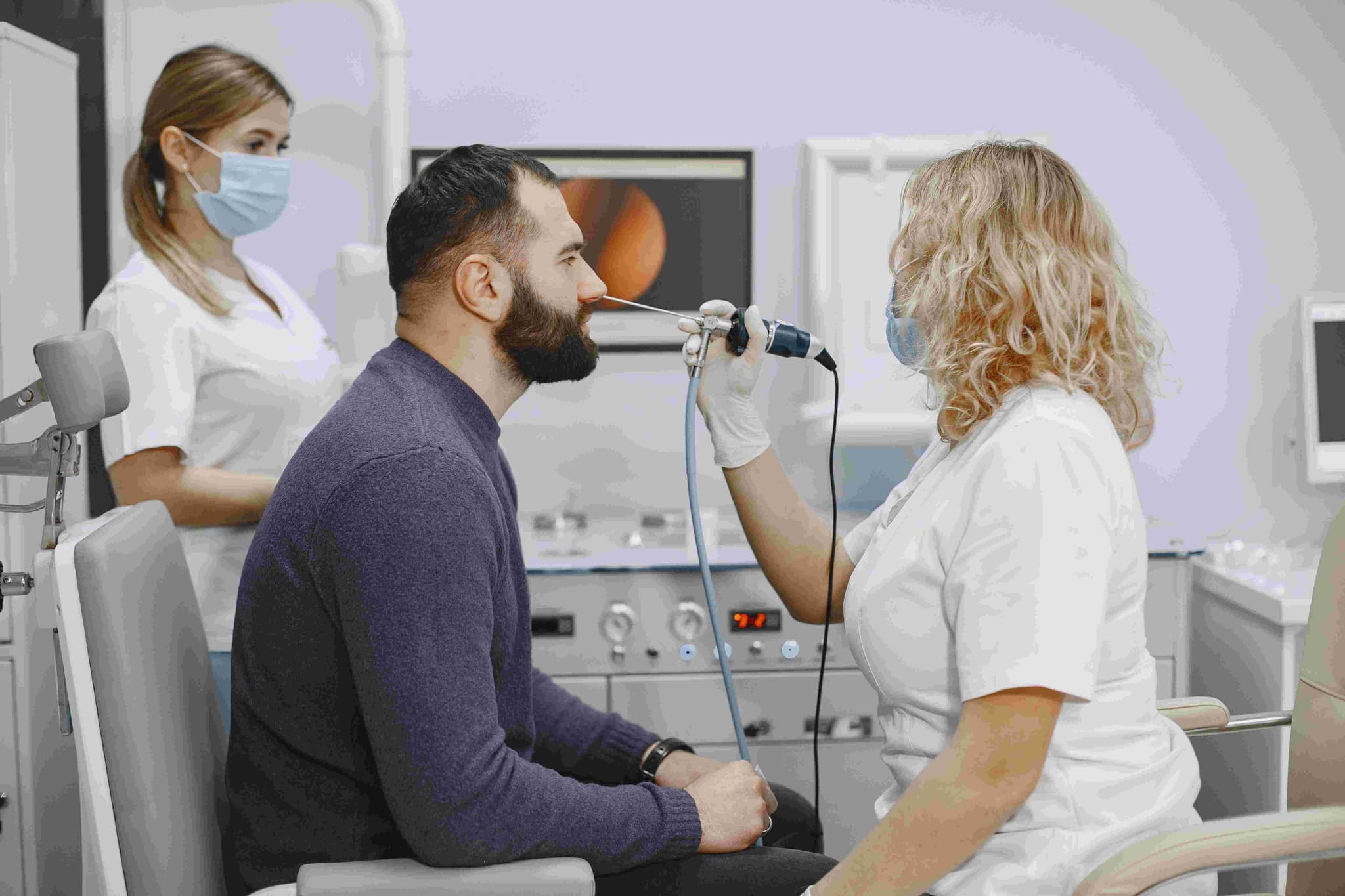
  • Flexible Fiber-Optic Endoscopy: Ultra-thin "noodle" cameras that allow for a live, awake view of the vocal cords and deep sinus openings.

  • Microdebrider & Laser Technology: High-speed, precision tools that allow for "bloodless" tissue removal while protecting healthy surrounding structures.

  • Intraoperative Nerve Monitoring: A critical safety system that tracks the facial nerve during surgery, ensuring the preservation of facial expressions and speech.

  • Vestibular Testing (VNG): Advanced diagnostic goggles that track eye movements to pinpoint the exact cause of vertigo and balance disorders.

Comprehensive Diagnostic and Wellness Facilities

To ensure a total recovery, the department houses specialized units for testing and therapy:

  • The Vertigo & Balance Clinic: A dedicated space for evaluating inner ear function and providing vestibular rehabilitation.

  • The Speech & Voice Lab: A computer-integrated environment used to analyze vocal pitch and intensity for post-surgical recovery.

  • Modern Allergy Wing: On-site "Skin Prick" and blood testing to identify environmental triggers for chronic sinus inflammation.

  • Sleep & Snoring Lab: Specialized diagnostic suites for identifying airway collapse during sleep apnea through Sleep Endoscopy (DISE).

  • International Patient Support: A dedicated office to assist global patients with surgical planning, hearing aid mapping, and post-operative follow-up.

A Commitment to Sensory Restoration

The department focuses on minimally invasive techniques to ensure patients return to their daily lives as quickly as possible:

  • Scar-Free Surgery: Most sinus and voice procedures are performed through natural openings, leaving no external marks.

  • Rapid Recovery Protocols: Utilizing laser and coblation technology to minimize post-operative pain and promote faster healing of delicate tissues.

  • Holistic Communication Care: Combining surgical success with long-term speech and hearing adaptation for a complete return to social and professional life.

May we help you?

Enter digits only (6-15 digits). We'll add your country code.

ENT (Ear Nose Throat) Treatments

Adenoidectomy

Adenoidectomy

Adenoidectomy is a specialized surgical procedure performed to remove the adenoids—small pads of immune tissue located high in the back of the throat, directly behind the nose. While adenoids help infants fight infections, they can become chronically enlarged or infected in childhood. This enlargement can obstruct breathing, interfere with sleep, and block the drainage of the ears and sinuses.

When You Should Consider an Adenoidectomy

  • Chronic Mouth Breathing: When enlarged adenoids physically block the nasal passage, forcing a child to breathe through their mouth constantly.

  • Obstructive Sleep Apnea (OSA): If a child experiences heavy snoring, gasping, or pauses in breathing during sleep due to airway obstruction.

  • Recurrent Ear Infections: When adenoids block the Eustachian tubes, leading to persistent fluid buildup ("glue ear") or frequent, painful infections.

  • Chronic Sinusitis: If a child suffers from persistent nasal congestion and sinus infections that do not respond to standard antibiotic therapy.

  • Dental or Facial Changes: Long-term mouth breathing (often called "adenoid face") can sometimes affect the development of the jaw and alignment of the teeth.

How Is Performed

  • Anesthesia: The surgery is a quick, outpatient procedure performed under general anesthesia, usually taking between 15 to 30 minutes.

  • Access: The surgeon reaches the adenoids entirely through the open mouth. There are no external incisions and no visible facial scars.

  • Removal Techniques:
    Curette: A traditional method using a small, spoon-shaped instrument to precisely scrape the tissue away.
    Electrocautery: Using thermal energy (heat) to remove the tissue while simultaneously sealing blood vessels to stop any bleeding.
    Coblation: An advanced method using low-temperature radiofrequency energy to dissolve the tissue, which often results in less post-operative discomfort.
    Microdebrider: A tiny, rotating suction tool used for highly precise removal of the adenoid tissue.

  • Hemostasis: The surgeon ensures all bleeding has stopped completely before the patient is woken up. Stitches are almost never required for this procedure.

Pre-Procedure Preparation

  • Medical History Review: Discussing any family history of bleeding disorders or previous reactions to anesthesia.

  • Medication Audit: You must stop giving your child aspirin or certain herbal supplements for at least 1–2 weeks prior to surgery to minimize bleeding risks.

  • Infection Screen: Ensuring the child does not have a high fever or an active, acute respiratory infection on the day of surgery.

  • Fasting: Following strict "nothing by mouth" instructions for the hours preceding the general anesthesia.

  • Comfort Planning: Preparing soft, cool foods and cold drinks at home to encourage hydration immediately after the procedure.

Tests Before Adenoidectomy

  • Lateral Neck X-ray: A simple imaging test to visualize the size of the adenoids and the degree of airway narrowing.

  • Nasal Endoscopy: Using a small, flexible camera in the office to get a direct view of the adenoid tissue behind the nose.

  • Tympanometry: To check for fluid behind the eardrums, which often occurs alongside enlarged adenoids.

  • Sleep Study (Polysomnography): May be recommended if the primary concern is severe snoring or suspected sleep apnea.

Life After Adenoidectomy

  • Healing Timeline: Most children recover fully within 7 to 10 days. A nasal-sounding voice and "stinky" bad breath are normal for 1–2 weeks during the healing process.

  • Hydration: This is the most critical part of recovery. Encourage plenty of cool fluids to keep the throat moist and prevent dehydration.

  • Dietary Transition: Start with soft, cool foods (jelly, yogurt, ice cream). You must strictly avoid "scratchy," spicy, or very hot foods (chips, citrus, toast) for at least one week.

  • Pain Management: Mild to moderate throat or ear pain is common. Regular doses of paracetamol or ibuprofen, as directed by your doctor, are usually sufficient.

  • Activity Restrictions: Children should stay home from school or daycare for about one week. Vigorous exercise or swimming should be avoided for 14 days to prevent bleeding.

Why Specialized Treatment Is Highly Effective

  • Restores Natural Breathing: Removing the physical obstruction allows the child to return to healthy nasal breathing almost immediately.

  • Improves Sleep Quality: Clearing the airway resolves snoring and sleep apnea, leading to better rest and improved daytime behavior and focus.

  • Protects Ear Health: By unblocking the Eustachian tubes, the surgery allows the ears to drain naturally, often ending the cycle of chronic ear infections.

  • Rapid Recovery: As a short, outpatient procedure with no external cuts, children typically bounce back to their normal energy levels very quickly.

  • Long-Term Solution: While there is a very small chance of partial regrowth in children under age 3, an adenoidectomy generally provides a lifelong solution to upper airway obstruction.

Cochlear Implant Surgery (Hearing Restoration)

Cochlear Implant Surgery (Hearing Restoration)

Cochlear implant surgery is a specialized procedure that restores a sense of sound by bypassing damaged parts of the inner ear and directly stimulating the auditory nerve. Unlike hearing aids, which amplify sound, cochlear implants convert sound into electrical signals that the brain interprets as speech and environmental noise.

When You Should Consider a Cochlear Implant

  • Severe-to-Profound Hearing Loss: When high-power hearing aids no longer provide enough clarity for speech understanding in one or both ears.

  • Poor Speech Recognition: For adults who score poorly on speech recognition tests (typically less than 50%) even with well-fitted hearing aids.

  • Early Childhood Intervention: Children as young as 9 to 12 months who are born with profound hearing loss to support near-normal speech and language development.

  • Hybrid Candidacy: For individuals who have some residual low-frequency hearing but suffer from profound high-frequency hearing loss.

  • Sensorineural Loss: When the tiny hair cells in the cochlea are damaged or missing, but the auditory nerve remains functional.

How Is Performed

  • Anesthesia: The surgery is an outpatient procedure performed under general anesthesia and typically lasts between 1.5 and 2.5 hours.

  • Incision and Access: The surgeon makes a small, discreet incision behind the ear and creates a tiny opening in the mastoid bone to reach the inner ear.

  • Electrode Insertion: A thin, flexible electrode array is carefully threaded into the cochlea—the spiral-shaped hearing organ.

  • Internal Component Placement: The receiver-stimulator is secured under the skin against the skull, where it will communicate with the external processor.

  • Verification: Surgeons use intraoperative tests or X-rays to confirm the electrodes are correctly positioned before closing the incision with sutures.

  • Same-Day Discharge: Most patients are monitored for a few hours and then allowed to return home the same day.

Pre-Procedure Preparation

  • Comprehensive Audiological Evaluation: Detailed testing to ensure hearing aids are no longer providing sufficient benefit.

  • CT or MRI Imaging: High-resolution scans to confirm the cochlea is shaped correctly and the auditory nerve is present.

  • Vaccination Review: Recipients are often recommended to receive meningitis vaccinations prior to surgery as a standard safety precaution.

  • Expectation Setting: Discussing the "rehabilitation" phase, as the brain requires time and practice to interpret the new electrical signals.

  • Transportation: Arranging for a ride home, as you will be drowsy from the anesthesia and may experience temporary dizziness.

Tests Before Cochlear Implantation

  • Speech-in-Noise Testing: Measuring your ability to understand sentences in a noisy environment while wearing hearing aids.

  • Promontory Stimulation: In some cases, a small test to confirm the auditory nerve responds to electrical pulses.

  • Vestibular Testing: Assessing your balance system, as the inner ear is responsible for both hearing and equilibrium.

  • Otoacoustic Emissions (OAEs): To check the function of the outer hair cells in the cochlea.

Life After Cochlear Implant Surgery

  • Initial Healing (1–2 weeks): Stitches are typically removed after 7–14 days. You may experience mild swelling, temporary changes in taste, or a "full" feeling in the ear.

  • Activation (2–4 weeks post-op): Hearing is not immediate. Once the site has healed, an audiologist fits the external processor and "switches on" the device for the first time.

  • Mapping and Rehabilitation: Initial sounds often seem "robotic" or "mechanical." You will undergo multiple "mapping" sessions to fine-tune the device settings.

  • Brain Training: Consistent participation in auditory therapy is essential to help the brain learn to interpret these new signals into recognizable speech.

  • Activity Restrictions: Avoid heavy lifting or strenuous exercise for the first 1–2 weeks to allow the internal components to settle.

Why Specialized Treatment Is Highly Effective

  • Direct Nerve Stimulation: By bypassing damaged hair cells, the implant provides a clear signal directly to the brain, overcoming severe biological barriers.

  • Proven Success in Children: Early implantation allows children to attend mainstream schools and develop complex language skills alongside their peers.

  • Restores Social Connection: Significantly improves the ability to communicate in groups, use the telephone, and enjoy music.

  • Advanced Technology: Modern implants are "MRI-safe" and offer water-resistant processors, allowing for a highly active lifestyle.

  • Lifelong Support: Once implanted, the internal device is designed to last for decades, while the external processor can be upgraded as technology improves.

CSF Leak Repair (endoscopic)

CSF Leak Repair (endoscopic)

Endoscopic CSF (Cerebrospinal Fluid) leak repair is a specialized, minimally invasive surgery performed to seal a hole in the skull base—the critical bone barrier separating the brain from the nasal cavity. This procedure is essential for stopping the drainage of brain fluid and, more importantly, preventing bacteria from entering the central nervous system and causing life-threatening infections such as meningitis.

When You Should Consider CSF Leak Repair

  • Clear Nasal Drainage (Rhinorrhea): If you experience a persistent, watery discharge from one side of the nose that often increases when leaning forward or straining.

  • Salty or Metallic Taste: A distinct sensation in the back of the throat caused by spinal fluid draining down from the skull base.

  • Recurrent Meningitis: If you have suffered from unexplained or repeat bacterial infections of the brain lining.

  • Post-Traumatic Leaks: Following a head injury or facial fracture that has compromised the integrity of the skull base.

  • Iatrogenic Leaks: As a follow-up to previous sinus or neurosurgical procedures where a small opening in the dura was created.

  • Spontaneous Leaks: Often associated with high intracranial pressure, frequently seen in patients with idiopathic intracranial hypertension.

How Is Performed

  • Anesthesia: The surgery is performed under general anesthesia and typically takes between 2 to 4 hours due to the microscopic precision required.

  • Endoscopic Approach: The surgeon operates entirely through the nostrils using a high-definition endoscope. There are no external incisions and no visible facial scarring.

  • Localization: Surgeons use the endoscope and sometimes a fluorescent dye (fluorescein) injected into the spinal fluid to pinpoint the exact site of the leak with total accuracy.

  • The Multi-Layer Repair: A "sandwich" technique is often used to ensure a watertight seal:
    Grafts: Small pieces of the patient’s own tissue (fat, muscle lining, or nasal mucosa) are placed over or into the defect.
    Vascularized Flap: For larger leaks, a Nasoseptal Flap—tissue with its own blood supply—is rotated from the septum to provide a robust, living cover for the repair.
    Sealants: Medical-grade "glue" or fibrin sealant is applied to bond the grafts to the bone.

  • Packing: The nose is packed with specialized sponge-like material (either dissolvable or removable) to maintain constant pressure on the repair site during the first stage of healing.

Pre-Procedure Preparation

  • High-Resolution Imaging: Combining CT scans (to see bone) and MRI (to see fluid) to create a precise surgical roadmap.

  • Beta-2 Transferrin Test: A laboratory confirmation that the fluid draining from the nose is indeed cerebrospinal fluid.

  • Pneumococcal Vaccination: Ensuring you are protected against the most common bacteria that cause meningitis before the skull base is manipulated.

  • Intracranial Pressure Assessment: Evaluating if you have high brain pressure that might have caused the leak and could potentially threaten the new repair.

  • Fasting: Following strict "nothing by mouth" instructions for the hours preceding your general anesthesia.

Tests Before CSF Leak Repair

  • Pledget Study: Placing small cotton sponges in the nose to absorb drainage, which are then tested for the presence of spinal fluid markers.

  • CT Cisternography: A specialized scan where contrast dye is injected into the spinal fluid to visualize the exact point of the "leakage."

  • Neurological Consultation: A full assessment of brain function and cranial nerves to establish a baseline before surgery.

  • Blood Clotting Panel: Ensuring your blood's ability to clot is optimal for a deep, vascularized repair.

Life After CSF Leak Repair

  • Hospital Monitoring: Patients typically remain in the hospital for 1 to 3 days. You may need to keep your head elevated at a 30–45 degree angle to reduce pressure on the repair.

  • Lumbar Drain: Occasionally, a small tube is placed in the lower back for 24–48 hours to divert spinal fluid and allow the nasal "patch" to bond without pressure.

  • The "No" Rules (4–6 Weeks): To protect the seal, you must strictly avoid:
    Blowing your nose: The most critical restriction to prevent air from being forced into the brain.
    Straining: Stool softeners are often prescribed to prevent "valsalva" maneuvers during bowel movements.
    Physical Exertion: No heavy lifting or intense exercise that could dislodge the graft.
    Closed-Mouth Sneezing: You must always sneeze with your mouth open to release internal pressure.

  • Sensation Changes: Headaches and a temporary decrease in the sense of smell (anosmia) are common as the nasal passages heal.

Why Specialized Treatment Is Highly Effective

  • Prevents Life-Threatening Infection: By restoring the watertight barrier, the procedure eliminates the direct "highway" for bacteria to reach the brain.

  • High Success Rates: Modern endoscopic techniques have a success rate of 90% to 95% on the first attempt for most skull base defects.

  • Avoids Traditional Brain Surgery: This internal approach replaces the need for an "open" craniotomy, which involves removing a portion of the skull and retracting the brain.

  • Rapid Recovery: Because no external bone is cut and the brain is not manipulated, patients recover much faster and with fewer neurological side effects.

  • Preserves Nasal Function: Using localized grafts and flaps allows the surgeon to repair the defect while maintaining the health of the surrounding nasal lining.

FESS (Functional Endoscopic Sinus Surgery)

FESS (Functional Endoscopic Sinus Surgery)

Functional Endoscopic Sinus Surgery (FESS) is a minimally invasive procedure used to treat chronic sinus conditions, such as persistent sinusitis and nasal polyps. By restoring natural drainage and airflow, FESS eliminates the root cause of chronic inflammation. The procedure is performed entirely through the nostrils using a specialized nasal endoscope (a thin tube with a magnified camera), meaning there are no external incisions or visible scars.

When You Should Consider FESS

  • Chronic Sinusitis: If you suffer from sinus inflammation lasting more than 12 weeks that hasn't responded to medical therapy.

  • Nasal Polyps: Benign growths in the nasal passages that physically obstruct your breathing and block natural fluid drainage.

  • Recurrent Acute Infections: When you experience four or more severe sinus infections per year, significantly impacting your quality of life.

  • Anatomical Obstructions: To correct issues such as a deviated septum or enlarged turbinates that contribute to chronic blockages.

  • Failed Medication: When antibiotics, steroid sprays, and saline rinses are no longer effective in managing your symptoms.

How Is Performed

  • Anesthesia: The surgery is usually performed as an outpatient (day-care) procedure under general anesthesia and typically lasts 2 to 3 hours.

  • Visualisation: The surgeon inserts the endoscope into the nostrils to obtain a high-definition, magnified 3D view of the internal sinus passages.

  • Tissue Removal: Using precise micro-instruments, the surgeon removes obstructions such as nasal polyps, diseased tissue, or small pieces of bone blocking the sinus openings.

  • Opening the Passageways: The natural drainage pathways (ostia) are carefully widened to improve long-term ventilation and allow future nasal rinses to reach deep into the sinus cavities.

  • Completion: To control minor bleeding, the surgeon may place dissolvable packing or temporary splints inside the nose, which do not require manual removal.

Pre-Procedure Preparation

  • CT Scan of the Sinuses: A mandatory high-resolution "map" used by the surgeon to navigate the complex anatomy near the eyes and brain.

  • Medication Review: You may be prescribed a short course of oral steroids or antibiotics before surgery to reduce inflammation and bleeding.

  • Smoking Cessation: Patients are strongly advised to stop smoking several weeks before surgery, as tobacco use significantly hinders the healing of sinus tissue.

  • Fasting: Following strict "nothing by mouth" instructions for the hours preceding your general anesthesia.

  • Transportation: Arranging for a ride home, as you will be drowsy and may have temporary nasal congestion affecting your comfort.

Tests Before FESS

  • Nasal Endoscopy: An in-office diagnostic check to visualize the extent of polyps or structural blockages.

  • Allergy Testing: To determine if underlying allergies need to be managed alongside surgery for the best long-term outcome.

  • Blood Tests: Standard pre-operative panels to ensure healthy clotting factors and general surgical readiness.

  • Olfactory Testing: Assessing your baseline sense of smell to monitor improvements after the airways are cleared.

Life After FESS

  • Immediate Symptoms: It is normal to experience stuffiness, mild facial pressure, and blood-stained drainage for the first 3 to 5 days.

  • Nasal Irrigation: Using a saline nasal wash (usually 4+ times daily) is essential to flush out debris, prevent crusting, and ensure the new openings stay clear.

  • Crucial Restrictions: You must strictly avoid blowing your nose for at least 7 to 14 days and avoid strenuous activity or heavy lifting for 2 to 3 weeks to prevent bleeding.

  • Debridement: Follow-up visits are vital for your surgeon to professionally clean out dried mucus and ensure the sinuses are healing without excessive scar tissue.

  • Healing Timeline: While most patients return to work or school within one week, full internal healing and the stabilization of the sinus lining can take several months.

Why Specialized Treatment Is Highly Effective

  • Targeted Precision: FESS focuses only on the diseased areas, preserving as much healthy nasal tissue and mucous membrane as possible.

  • No External Scarring: Because the surgery is entirely internal, there is no change to your physical appearance and no external stitches to remove.

  • High Safety Profile: With major complication rates of less than 0.5%, FESS is considered one of the safest and most effective ways to treat chronic sinus disease.

  • Long-Term Relief: By widening the natural ostia, the surgery provides a permanent structural improvement that allows for better drainage for years to come.

  • Improved Medication Delivery: Post-operative nasal sprays and rinses can finally reach the deep sinus cavities, making ongoing maintenance far more effective.

Mastoidectomy (Chronic Infection/Cholesteatoma)

Mastoidectomy (Chronic Infection/Cholesteatoma)

Mastoidectomy is a specialized surgical procedure performed to remove diseased air cells from the mastoid bone—the honeycomb-like bone located directly behind the ear. It is primarily used to treat a cholesteatoma, a non-cancerous skin cyst that can erode ear structures, or to clear severe, chronic infections that have not responded to intensive antibiotic therapy.

When You Should Consider Mastoidectomy

  • Cholesteatoma: When a skin cyst forms in the middle ear and begins to expand into the mastoid bone, risking damage to the hearing bones or facial nerve.

  • Chronic Mastoiditis: If a persistent ear infection spreads into the bone, causing pain, swelling, and a risk of deeper abscesses.

  • Failed Antibiotic Therapy: When chronic drainage (otorrhea) continues despite multiple rounds of specialized ear drops and medications.

  • Complicated Ear Infections: If an infection threatens to spread toward the brain (meningitis) or the inner ear (labyrinthitis).

  • Aural Polyps: When chronic inflammation causes fleshy growths to form in the ear canal, often masking underlying bone disease.

How Is Performed

  • Anesthesia: The surgery is performed under general anesthesia and typically takes between 2 to 4 hours due to the delicate nature of the structures involved.

  • Incision: The surgeon makes a precise incision either behind the ear (post-auricular) or inside the ear canal to gain access to the bone.

  • Bone Removal: Using a high-speed surgical drill and a high-powered operating microscope, the surgeon carefully opens the mastoid bone to reach the diseased air cells.

  • Cleaning: All infected tissue or the cholesteatoma cyst is meticulously removed to create a "dry, safe ear" and prevent recurrence.

  • Surgical Variations:
    Simple (Cortical) Mastoidectomy: Only the mastoid air cells are removed; the ear canal and middle ear structures remain intact.
    Modified Radical Mastoidectomy: The most common approach for cholesteatoma, where some middle ear structures are preserved to allow for future hearing reconstruction.
    Radical Mastoidectomy: The eardrum and most middle ear structures are removed to create a single "common cavity" for the ear canal and mastoid.

Pre-Procedure Preparation

  • High-Resolution CT Scan: A vital "roadmap" used by the surgeon to visualize the exact anatomy of your mastoid bone and the location of the facial nerve.

  • Audiometry (Hearing Test): Establishing a detailed baseline of your current hearing levels to plan for potential reconstruction.

  • Infection Management: Using specialized ear drops in the weeks leading up to surgery to reduce inflammation and "quiet" the ear.

  • Fasting: Following strict "nothing by mouth" instructions for the hours preceding general anesthesia.

  • Transportation: Arranging for a ride home and a caregiver for the first 24 hours, as dizziness is common immediately following the procedure.

Tests Before Mastoidectomy

  • Ear Swab/Culture: To identify the specific bacteria causing the infection and ensure the most effective antibiotics are used.

  • Microscopic Ear Exam: A thorough cleaning and inspection of the ear canal by the specialist to assess the extent of the disease.

  • Tympanometry: Measuring the pressure in the middle ear and the mobility of the eardrum.

  • Neurological Screening: Checking the function of the facial nerve and balance system before the bone is opened.

Life After Mastoidectomy

  • Hospital Stay: Most patients go home the same day or remain for one night of observation. A large "head bandage" is often worn for the first 24 hours.

  • Immediate Symptoms: It is normal to feel dizzy, have a "stuffy" sensation, or hear popping and crackling sounds as internal packing dissolves.

  • Water Protection: The ear must be kept completely dry for 4 to 6 weeks. Use a cotton ball with petroleum jelly during showers to prevent any moisture entry.

  • Pressure Restrictions: Avoid blowing your nose, heavy lifting, or flying for at least 3 to 4 weeks to prevent internal pressure from damaging the healing area.

  • Wound Care: External stitches are usually removed after 7 to 10 days. Follow-up appointments are critical to clean the "mastoid cavity" and monitor for regrowth.

Why Specialized Treatment Is Highly Effective

  • Prevents Life-Threatening Complications: By removing deep-seated disease, the procedure stops infections from spreading to the brain or spinal fluid.

  • Eliminates Chronic Drainage: Successfully clearing the mastoid air cells finally ends the cycle of foul-smelling ear discharge and pain.

  • Safety-First Approach: Modern microsurgical techniques allow for the meticulous removal of cysts while protecting the delicate facial nerve and inner ear.

  • Hearing Potential: While the primary goal is safety, a "safe ear" provides the necessary foundation for future hearing bone reconstruction (ossiculoplasty).

  • Long-Term Stability: For many patients with chronic disease, a mastoidectomy is the only way to achieve a permanently dry and healthy ear.

Microlaryngeal Surgery (Vocal Cord Nodules/Polyps)

Microlaryngeal Surgery (Vocal Cord Nodules/Polyps)

Microlaryngeal surgery is a precision microsurgical procedure used to remove benign growths—such as nodules, polyps, or cysts—from the vocal cords. By utilizing a high-powered operating microscope and delicate long-reach instruments, surgeons can operate through the mouth to treat the voice box (larynx). This approach ensures the microscopic layers of the vocal folds are preserved, which is essential for maintaining or restoring high-quality voice function.

When You Should Consider Microlaryngeal Surgery

  • Vocal Cord Polyps: Typically fluid-filled growths often caused by a single instance of vocal trauma (like screaming or clearing the throat forcefully).

  • Vocal Cord Nodules: Often referred to as "singer's nodules," these are callous-like growths resulting from long-term vocal abuse or strain.

  • Vocal Cord Cysts: Firm, encapsulated lumps embedded deeper within the vocal fold tissue that do not resolve with voice therapy.

  • Persistent Hoarseness: When a raspy or breathy voice quality persists for more than three weeks despite resting the voice.

  • Diagnostic Biopsy: To definitively rule out malignancy or specialized inflammatory conditions in suspicious-looking lesions.

How Is Performed

  • Anesthesia: The surgery is an outpatient procedure performed under general anesthesia and typically takes between 30 to 60 minutes.

  • Access: A hollow metal tube called a laryngoscope is inserted through the mouth to provide a direct, stable view of the larynx. There are no external incisions and no visible scars.

  • Visualization: The surgeon uses an operating microscope or a high-definition endoscope to obtain a highly magnified, 3D view of the delicate vocal fold architecture.

  • Removal Techniques:
    Cold Instruments: Micro-scissors and fine forceps are used to precisely "shave" or snip the growth away from the healthy tissue.
    Laser (CO2 or KTP): In specific cases, a laser is used to vaporize tissue or seal blood vessels, which is particularly effective for vascular (bloody) polyps.

  • Preservation: The surgeon takes extreme care to protect the "vocal ligament" and the "lamina propria," the specific layers required for the vocal folds to vibrate correctly.

Pre-Procedure Preparation

  • Videostroboscopy: A specialized diagnostic test using a flashing light to observe the vocal folds vibrating in "slow motion" to plan the exact site of surgery.

  • Reflux Management: You may be started on anti-reflux medication (PPIs) before surgery, as stomach acid can irritate the vocal cords and slow down healing.

  • Smoking Cessation: It is mandatory to stop smoking several weeks before and after surgery, as tobacco smoke causes significant inflammation that can lead to permanent scarring.

  • Fasting: Following strict "nothing by mouth" instructions for the hours preceding your general anesthesia.

  • Dental Assessment: Informing your surgeon of any loose teeth, crowns, or veneers, as the laryngoscope rests near the upper teeth during the procedure.

Tests Before Microlaryngeal Surgery

  • Acoustic Voice Analysis: A computer-based recording to measure the pitch, range, and stability of your voice before intervention.

  • Laryngeal Electromyography (LEMG): In some cases, to check the nerve function of the vocal muscles if weakness is suspected alongside a growth.

  • Transnasal Esophagoscopy (TNE): To check the health of the esophagus if chronic acid reflux is the suspected cause of the vocal cord irritation.

  • General Fitness for Anesthesia: Standard blood panels and an EKG to ensure you are healthy for a short period of general anesthesia.

Life After Microlaryngeal Surgery

  • Total Voice Rest: The most critical phase of recovery. You will likely be ordered absolute silence (no speaking, whispering, or throat clearing) for 3 to 7 days to allow the vocal folds to heal without friction.

  • Hydration and Humidity: Drinking significant amounts of water and using a room humidifier are essential to keep the vocal folds lubricated as they heal.

  • Dietary Restrictions: Avoiding caffeine, alcohol, and spicy foods for 2 weeks to prevent acid reflux from reaching the healing surgical site.

  • Voice Therapy: Most patients are referred to a Speech-Language Pathologist (SLP) after the initial healing phase to learn "vocal pacing" and healthy speaking techniques to prevent the growths from returning.

  • Activity Limits: Avoid heavy lifting or strenuous exercise for at least one week, as "bearing down" puts significant pressure on the vocal folds.

Why Specialized Treatment Is Highly Effective

  • Restores Voice Clarity: Removing the physical obstruction allows the vocal folds to close completely and vibrate symmetrically, eliminating hoarseness.

  • Microscopic Precision: Using a microscope allows the surgeon to remove only the diseased tissue while leaving the surrounding healthy vocal fold completely untouched.

  • No External Scarring: Because the entire procedure is performed through the mouth, there is no change to your physical appearance and a very rapid recovery.

  • Long-Term Vocal Health: When combined with professional voice therapy, the surgery addresses both the physical growth and the behavioral causes of the vocal injury.

  • Definitive Diagnosis: Provides an immediate tissue sample for pathology, offering peace of mind regarding the nature of the vocal cord lesion.

Myringotomy with Grommet Insertion

Myringotomy with Grommet Insertion

Myringotomy with grommet insertion is a specialized minor surgical procedure used to treat persistent middle ear fluid (commonly known as "glue ear") or recurrent ear infections. The procedure involves making a microscopic incision in the eardrum to drain trapped fluid and inserting a small ventilation tube, or grommet, to maintain continuous airflow and pressure equalization.

When You Should Consider Myringotomy

  • Persistent Glue Ear: When thick fluid remains trapped behind the eardrum for more than three months, causing muffled hearing.

  • Recurrent Ear Infections: If a child or adult experiences frequent, painful middle ear infections (otitis media) that do not respond well to antibiotics.

  • Speech and Language Delays: In children, when fluid-related hearing loss interferes with their ability to develop clear speech or follow instructions.

  • Ear Pressure or Fullness: A constant, uncomfortable sensation of "clogged" ears or pressure that affects balance or daily comfort.

  • Retracted Eardrum: When a chronic vacuum in the middle ear causes the eardrum to be sucked inward, potentially damaging the delicate hearing bones.

How Is Performed

  • Anesthesia: Children typically undergo a brief general anesthesia for safety, while the procedure can often be performed under local anesthesia for adults.

  • Microscopic Incision (Myringotomy): Using a high-powered operating microscope, the surgeon makes a microscopic cut in the eardrum (tympanic membrane).

  • Aspiration: Any trapped fluid, mucus, or pus is gently suctioned out from the middle ear space to clear the visual and auditory path.

  • Grommet Insertion: A tiny, bobbin-shaped tube called a grommet is placed into the incision. This tube acts as a pressure equalization valve, allowing air to enter the middle ear.

  • No Stitches: The eardrum naturally grips the tube to hold it in place; no sutures or bandages are required inside the ear.

  • Duration: The entire clinical process typically takes between 15 and 30 minutes.

Pre-Procedure Preparation

  • Audiometry (Hearing Test): A baseline test to document the degree of hearing loss caused by the trapped fluid.

  • Tympanometry: A specialized test that measures the movement of the eardrum and confirms the presence of fluid or a vacuum.

  • Infection Screen: Ensuring the ear is not actively draining or severely inflamed on the day of the procedure.
  • Fasting: Following "nothing by mouth" instructions if general anesthesia is required for a child.

  • Anesthesia Consultation: Briefly reviewing the health history to ensure the safest level of sedation is used.

Tests Before Myringotomy

  • Otoscopy: A high-magnification view of the eardrum to check for redness, bulging, or scarring.

  • Acoustic Reflex Testing: To assess how the middle ear muscles respond to sound, which is often dampened by fluid.

  • Speech Reception Threshold (SRT): Especially in children, to determine the lowest volume at which they can recognize words.

  • Medical Review: Confirming that the fluid has not cleared on its own during the "watchful waiting" period.

Life After Myringotomy

  • Immediate Results: Most patients notice a dramatic improvement in hearing and a relief of internal pressure as soon as they wake up.

  • Activity: Recovery is rapid; most children can return to school or daycare the very next day.

  • Water Precautions: It is important to keep the ears dry while the tubes are in place. Your doctor may recommend earplugs or cotton wool with petroleum jelly during hair washing or swimming.

  • Natural Extrusion: Grommets are temporary. As the eardrum heals, it naturally pushes the tube out, usually after 6 to 18 months.

  • Monitoring: Regular follow-up appointments are necessary to ensure the tubes remain open and to check the eardrum's healing once they fall out.

Why Specialized Treatment Is Highly Effective

  • Instant Hearing Restoration: Physically removing the "glue" immediately eliminates the conductive hearing loss associated with fluid buildup.

  • Break the Infection Cycle: By keeping the middle ear ventilated, grommets prevent the stagnant environment where bacteria and viruses thrive.

  • Supports Development: Resolving hearing issues early is critical for a child's educational and social progress.

  • Minimally Invasive: The procedure is performed entirely through the ear canal, leaving no external scars or visible changes to the ear.

  • Self-Resolving: Because the body eventually rejects the tubes and the eardrum heals itself, it is a low-impact solution for a common childhood condition.

Nasal Airway Correction

Nasal Airway Correction

Nasal airway correction refers to a group of procedures aimed at fixing physical blockages inside the nose to improve breathing. Depending on the location of the obstruction, a surgeon may perform a single procedure or a combination of treatments to restore clear airflow.

When You Should Consider Nasal Airway Correction

  • Chronic Nasal Obstruction: If you consistently struggle to breathe through one or both nostrils.

  • Persistent Congestion: A "stuffy" feeling that does not resolve with allergy medications or nasal sprays.

  • Sleep Disturbances: If nasal blockages lead to heavy mouth-breathing, snoring, or poor sleep quality.

  • Recurrent Sinus Infections: When physical blockages prevent proper sinus drainage, leading to frequent infections.

  • Reduced Exercise Tolerance: If you cannot get enough oxygen through your nose during physical activity.

Common Surgical Procedures

  • Septoplasty: The most frequent correction, which involves straightening a deviated septum—the internal wall of cartilage and bone separating the nostrils—to open a blocked airway.

  • Turbinate Reduction: Shrinking enlarged turbinates (small bony structures lined with soft tissue) that often swell due to allergies or chronic inflammation.

  • Nasal Valve Repair: Strengthening the narrowest part of the nasal passage; if these side walls are weak, they can collapse inward during inhalation. This is often fixed using small cartilage grafts or synthetic supports like Latera.

  • Nasal Polyp Removal (Polypectomy): Clearing out non-cancerous, teardrop-shaped growths that physically block airflow and nasal drainage.

How Is Performed

  • Technique: Most corrections are minimally invasive and performed entirely through the nostrils using an endoscope.

  • External Appearance: Because the work is internal, there are usually no external scars or changes to the shape of the nose unless the procedure is combined with a rhinoplasty.

  • Anesthesia: These are usually performed under general anesthesia as an outpatient procedure, allowing you to return home the same day.

  • Duration: The surgery typically takes between 30 to 90 minutes, depending on how many areas require correction.

Pre-Procedure Preparation

  • Nasal Endoscopy: A diagnostic check where the surgeon uses a small camera to identify the exact site of the obstruction.

  • Medication Audit: You may be asked to stop taking aspirin or other blood thinners for 7–10 days prior to surgery to minimize the risk of bleeding.

  • Imaging: In some cases, a CT scan may be used to provide a detailed map of the internal nasal and sinus structures.

  • Fasting: Following strict "nothing by mouth" instructions for the hours preceding your anesthesia.

  • Home Setup: Preparing saline rinse supplies and arranging for a ride home after the procedure.

Tests Before Nasal Airway Correction

  • Acoustic Rhinometry: To measure the internal dimensions of the nasal cavity and locate the narrowest points.

  • Rhinomanometry: A functional test that evaluates the pressure and flow of air during active breathing.

  • Peak Nasal Inspiratory Flow (PNIF): Measuring the maximum amount of air you can inhale through your nose to establish a baseline.

  • Allergy Testing: To determine if chronic swelling is caused by treatable environmental triggers.

Life After Nasal Airway Correction

  • Immediate Symptoms: You will feel very "stuffy" or congested for the first 1–2 weeks due to internal swelling and the presence of medical packing or splints.

  • Mandatory Nasal Rinses: Using a saline squeeze bottle or Neti pot (usually 4+ times a day) is required to wash away crusting and old blood.

  • Crucial Rule: You must not blow your nose for at least 7–10 days post-surgery to prevent bleeding.

  • Activity Restrictions: Most people return to work in 3–5 days, but heavy lifting and vigorous exercise are restricted for a full 2 weeks.

  • Healing Timeline: While initial breathing improvements are felt quickly, full stabilization of the nasal tissues usually takes several weeks.

Why Specialized Treatment Is Highly Effective

  • Easier Breathing: Provides a significant and often permanent increase in airflow through both nostrils.

  • Better Sleep: Reduces the need for mouth-breathing and can lead to a noticeable decrease in snoring.

  • Sinus Relief: Improved drainage helps prevent the bacterial buildup that causes recurrent sinus infections.

  • High Success Rates: Modern endoscopic techniques allow for precise correction with minimal tissue trauma and a rapid recovery.

  • Comprehensive Care: Addressing the specific structural cause—whether it is the septum, valves, or turbinates—ensures a tailored solution for long-term respiratory health.

Nasal Polyp Removal

Nasal Polyp Removal

Nasal polyp removal, medically known as a polypectomy, is a surgical procedure to extract non-cancerous, teardrop-shaped growths from the lining of the nasal passages or sinuses. When these polyps become large enough to block breathing, reduce the sense of smell, or cause chronic sinus infections, surgical intervention is the most effective way to clear the airway and restore health.

When You Should Consider Nasal Polyp Removal

  • Persistent Nasal Obstruction: If large polyps physically block your nostrils, making it difficult to breathe through your nose.

  • Loss of Smell (Anosmia): When polyps block scent molecules from reaching the olfactory nerves at the top of the nasal cavity.

  • Chronic Sinusitis: If you experience ongoing sinus pressure, pain, and infections that do not respond to antibiotics or steroid sprays.

  • Sleep Disruption: When nasal blockages lead to heavy snoring or contribute to obstructive sleep apnea.

  • Post-Nasal Drip: Persistent mucus drainage down the back of the throat caused by polyps interfering with natural sinus clearance.

How Is Performed

  • Anesthesia: The surgery is typically an outpatient procedure performed under general or local anesthesia and takes about 45 to 90 minutes.

  • Endoscopic Approach: The surgeon inserts a thin, flexible tube with a high-definition camera (endoscope) into the nostrils. There are no external incisions or visible scars.

  • Removal Techniques: Using small precision instruments or a microdebrider (a tiny, rotating suction tool), the surgeon carefully shaves away or snips the polyps from the mucosal lining.

  • Sinus Opening: The surgeon often opens the natural drainage pathways of the sinuses to prevent future polyps from forming and to allow medicated sprays to reach deeper into the cavity.

  • Packing: Dissolvable packing or soft splints may be placed in the nose to control minor bleeding and support the tissues during the initial healing phase.

Pre-Procedure Preparation

  • CT Scan of the Sinuses: A detailed "roadmap" used by the surgeon to visualize the extent of the polyps and their proximity to the eyes and brain.

  • Steroid Pre-Treatment: You may be prescribed a short course of oral steroids before surgery to shrink the polyps and reduce the risk of bleeding.

  • Medication Audit: You must stop taking aspirin, ibuprofen, and certain herbal supplements for 1–2 weeks prior to surgery to minimize bleeding risks.

  • Smoking Cessation: Patients are strongly advised to stop smoking, as it irritates the nasal lining and can cause polyps to return more quickly.

  • Transportation: Arranging for a ride home, as you will feel congested and may be drowsy from the anesthesia.

Tests Before Nasal Polyp Removal

  • Nasal Endoscopy: An in-office diagnostic check to confirm the size, location, and color of the polyps.

  • Allergy Testing: To identify triggers that may be causing the chronic inflammation responsible for polyp growth.

  • Aspirin Sensitivity Test: Particularly for patients with asthma, to check for "Samter’s Triad," which indicates a higher risk of polyp recurrence.

  • Olfactory Testing: Assessing your baseline sense of smell to track improvement after the obstruction is removed.

Life After Nasal Polyp Removal

  • Immediate Symptoms: You will feel very "stuffed up" for the first 1 to 2 weeks due to internal swelling and natural crusting. Mild blood-stained drainage is normal for a few days.

  • Mandatory Saline Rinses: Using a Neti pot or saline spray (4–6 times daily) is essential to wash away blood and crusts and to speed up the healing process.

  • Long-Term Medication: You will likely need to continue using nasal steroid sprays long-term to manage underlying inflammation and prevent the polyps from growing back.

  • Activity Restrictions: Most patients return to work in 1 week. You must avoid heavy lifting, bending over, or blowing your nose for at least 2 weeks.

  • Follow-up Debridement: Your surgeon will perform minor office cleanings to remove any remaining crusts or early scar tissue (adhesions).

Why Specialized Treatment Is Highly Effective

  • Restores Clear Breathing: Removing the physical mass of the polyps provides immediate and dramatic relief from nasal congestion.

  • Revives the Sense of Taste and Smell: Clearing the olfactory pathway often allows patients to enjoy food and scents that were previously blocked.

  • Reduces Infection Frequency: By restoring natural sinus drainage, the surgery eliminates the stagnant environment where bacteria thrive.

  • Minimally Invasive: The endoscopic technique allows for thorough removal with zero external cutting and a relatively fast recovery.

  • Synergistic Care: When combined with ongoing allergy or asthma management, a polypectomy offers the best chance for long-term respiratory health and comfort.

Obstructive Sleep Apnea (OSA) Surgery

Obstructive Sleep Apnea (OSA) Surgery

Treatment for Obstructive Sleep Apnea (OSA) focuses on keeping the airway open during sleep to prevent breathing interruptions. Options range from lifestyle changes and wearable devices to advanced surgical interventions, depending on the severity of the condition and the patient’s anatomy.

When You Should Consider OSA Treatment

  • Chronic Snoring: Loud, persistent snoring that is often interrupted by gasps or choking sounds.

  • Daytime Fatigue: Feeling excessively tired or falling asleep during the day despite a full night's rest.

  • Observed Apneas: When a partner notices you stop breathing or struggle for air during sleep.

  • Morning Headaches: Caused by fluctuations in oxygen levels and poor sleep quality throughout the night.

  • High AHI Score: If a sleep study confirms a high Apnea-Hypopnea Index (number of breathing pauses per hour).

Non-Surgical Gold Standard: CPAP

  • How it works: Continuous Positive Airway Pressure (CPAP) is the most effective non-surgical treatment. A machine delivers a steady stream of pressurized air through a mask, acting as an "air splint" to keep the throat from collapsing.

  • Variations:
    BiPAP: Uses two different pressures for inhaling and exhaling, often easier for those who struggle to breathe out against a constant flow.
    Auto-CPAP: Automatically adjusts the air pressure throughout the night based on your specific breathing patterns and sleep stage.

Oral Appliances and Devices

  • Mandibular Advancement Devices (MAD): Custom-fitted dental trays that gently pull the lower jaw forward. This creates more physical space at the back of the throat by moving the base of the tongue away from the airway.

  • Tongue Retaining Devices: These hold the tongue in a forward position to prevent it from falling back and blocking the throat during deep sleep.

  • Positional Therapy: Using "sleep bumpers" or specialized pillows to prevent sleeping on your back (the supine position), which is when the tongue and soft tissues are most likely to collapse.

Surgical Procedures

  • UPPP (Uvulopalatopharyngoplasty): The surgeon trims and tightens excess tissue in the soft palate and throat. This is often combined with a Tonsillectomy to maximize the size of the airway.

  • Hypoglossal Nerve Stimulation (Inspire): An implanted "pacemaker for the tongue". The device detects your breathing and sends a mild electrical pulse to the hypoglossal nerve, causing the tongue muscle to move forward during sleep.

  • MMA (Maxillomandibular Advancement): A major procedure that surgically moves both the upper and lower jaws forward to permanently enlarge the entire respiratory pathway.

  • Pillar Procedure: Small polyester strips are inserted into the soft palate to stiffen the tissue, reducing the likelihood of vibration (snoring) and collapse.

Pre-Procedure Preparation

  • Polysomnography (Sleep Study): A mandatory diagnostic step to determine your AHI and categorize your OSA as mild, moderate, or severe.

  • Drug-Induced Sleep Endoscopy (DISE): A brief procedure where the surgeon views your airway while you are sedated to see exactly where the collapse is occurring.

  • Weight Management: Patients are often encouraged to lose weight before surgery, as reducing neck fat decreases external pressure on the airway and improves outcomes.

  • CPAP Trial: Most insurance providers require a documented trial of CPAP therapy before approving surgical interventions.

  • Dental Clearance: Ensuring your teeth and gums are healthy enough to support an oral appliance if that is the chosen treatment path.

Life After OSA Treatment

  • Immediate Energy Boost: Many patients report feeling significantly more alert and focused within the first few days of successful CPAP or oral appliance use.

  • Health Monitoring: Successful treatment reduces the long-term risk of high blood pressure, heart disease, and stroke associated with untreated OSA.

  • Follow-up Sleep Studies: A repeat study is often performed after surgery or device fitting to confirm that the AHI has dropped to a safe level.

  • Maintenance: CPAP masks and oral appliances require regular cleaning and periodic replacement to remain effective and hygienic.

  • Long-Term Habits: Continuing to avoid alcohol and sedatives before bed is vital, as these substances over-relax the throat muscles and can worsen apnea symptoms.

Why Specialized Treatment Is Highly Effective

  • Personalized Anatomy: Modern treatments are tailored to whether your obstruction is caused by the tongue, the palate, or the jaw structure.

  • Prevents Serious Complications: Effective management of OSA protects the heart and brain from the strain of repeated oxygen deprivation.

  • Restores Partner Harmony: Resolving loud snoring and gasping often leads to better sleep quality for partners as well as the patient.

  • Cutting-Edge Technology: Innovations like hypoglossal nerve stimulation offer a high-success alternative for those who cannot tolerate traditional masks.

  • Comprehensive Care: Combining lifestyle changes with medical or surgical intervention offers the most robust and lasting solution for a healthy night’s sleep.

Septoplasty (Deviated Septum Correction)

Septoplasty (Deviated Septum Correction)

Septoplasty is a specialized surgical procedure performed to straighten a deviated septum—the internal wall of bone and cartilage that separates your two nostrils. When the septum is crooked or "deviated," it can block one side of the nose and significantly reduce airflow. By repositioning the septal midline, this procedure restores balanced breathing and improves overall nasal health.

When You Should Consider Septoplasty

  • Chronic Nasal Obstruction: If one or both nostrils feel constantly blocked, making it difficult to breathe through your nose.

  • Recurrent Sinus Infections: When a deviated septum prevents proper drainage, leading to frequent sinus pressure and infections.

  • Chronic Snoring or Sleep Apnea: If the nasal blockage contributes to disrupted breathing patterns during sleep.

  • Frequent Nosebleeds: When the air flowing over a crooked septum dries out the nasal lining, causing recurrent bleeding.

  • Unilateral Congestion: A persistent "stuffy" feeling that is always worse on the same side of the nose.

How Is Performed

  • Anesthesia: The surgery is typically an outpatient procedure performed under general or local anesthesia and takes about 30 to 90 minutes.

  • Incision: The surgeon makes a precise incision entirely inside the nose. In most cases, there are no external cuts or visible scars.

  • Mucosal Elevation: The protective lining of the septum (mucosa) is gently lifted away from the underlying cartilage and bone.

  • Reshaping: The crooked portions of the cartilage or bone are trimmed, repositioned, or removed to straighten the midline.

  • Repositioning: The mucosal lining is laid back over the newly straightened structural framework.

  • Stabilization: The surgeon may place soft silicone splints or dissolvable packing inside the nostrils to support the septum as it heals in its new position.

Pre-Procedure Preparation

  • Nasal Examination: A thorough evaluation of the internal nasal structure to ensure the breathing issues are caused by the septum and not just enlarged turbinates.

  • Medication Audit: You must stop taking aspirin, ibuprofen, and certain herbal supplements for 1–2 weeks prior to surgery to minimize the risk of bleeding.

  • Smoking Cessation: Stopping smoking is highly recommended, as nicotine restricts blood flow and can slow the healing of the nasal mucosa.

  • Fasting: Following strict "nothing by mouth" instructions for the hours preceding your anesthesia.

  • Transportation: Arranging for a ride home, as you will be drowsy and your nose will feel quite congested immediately after the procedure.

Tests Before Septoplasty

  • Nasal Endoscopy: Using a thin camera to view the back of the nasal passage and confirm the extent of the deviation.

  • Acoustic Rhinometry: A non-invasive test that uses sound waves to measure the width of the nasal cavity and the location of the narrowest point.

  • Peak Nasal Inspiratory Flow (PNIF): Measuring the maximum amount of air you can inhale through your nose to establish a functional baseline.

  • CT Scan (Optional): Sometimes used if the surgeon needs to evaluate the sinuses simultaneously for chronic sinusitis.

Life After Septoplasty

  • Immediate Symptoms: Expect some internal swelling, "stuffiness," and mild blood-stained drainage for the first 3 to 5 days.

  • Nasal Splints: If splints were used, they are typically removed by the doctor during a follow-up visit approximately one week after surgery.

  • Crucial Rule: You must not blow your nose for at least 7 to 10 days post-surgery to prevent bleeding or displacement of the healing tissue.

  • Nasal Care: Using saline nasal sprays or rinses is essential to keep the passages clean, moist, and free of crusting.

  • Activity Restrictions: Avoid strenuous exercise, heavy lifting, and contact sports for 2 to 4 weeks to prevent injury or pressure-related nosebleeds.

Why Specialized Treatment Is Highly Effective

  • Restores Natural Airflow: Directly addresses the structural cause of nasal blockage, providing a permanent improvement in breathing quality.

  • No External Changes: Unlike a rhinoplasty, a standard septoplasty focuses on the internal structure and does not change the outward shape of your nose.

  • Reduces Sinus Pressure: By opening the nasal airway, the procedure allows for better ventilation and drainage of the paranasal sinuses.

  • Rapid Recovery: Most patients return to work or sedentary activities within a few days, with a significant boost in energy levels due to better oxygen intake.

  • High Patient Satisfaction: Septoplasty is one of the most successful functional surgeries, with the majority of patients reporting a dramatic improvement in their quality of life.

Stapedectomy (otosclerosis)

Stapedectomy (otosclerosis)

Stapedectomy is a specialized microsurgical procedure used to treat otosclerosis, a condition where the smallest bone in the human body—the stapes (stirrup)—becomes stuck in place by abnormal bone growth. This prevents the bone from vibrating, leading to progressive conductive hearing loss. By replacing the immobile bone with a medical-grade prosthesis, the surgery restores the natural transmission of sound waves to the inner ear.

When You Should Consider Stapedectomy

  • Otosclerosis Diagnosis: When clinical exams confirm that abnormal bone remodeling is "fixing" the stapes bone in place.

  • Conductive Hearing Loss: If you have significant difficulty hearing faint sounds or identifying speech, particularly in the lower frequencies.

  • Air-Bone Gap: When hearing tests show a large difference between how well you hear through the air versus through the bone.

  • Desire to Eliminate Hearing Aids: For patients who prefer a permanent surgical solution over the daily use of external amplification devices.

  • Good Inner Ear Health: When the hearing nerve (cochlea) is still healthy and capable of processing sound once the mechanical blockage is removed.

How Is Performed

  • Anesthesia: The surgery is typically performed as an outpatient procedure under local anesthesia with sedation or general anesthesia and takes about 45 to 90 minutes.

  • Access: The surgeon reaches the middle ear directly through the ear canal using a high-powered microscope or endoscope, usually leaving no external incision.

  • Removal: The immobile stapes bone is carefully removed, or a microscopic hole is made in its base (a variation known as a Stapedotomy).

  • Prosthesis Placement: A tiny artificial piston, usually made of biocompatible materials like Teflon, titanium, or stainless steel, is inserted into the middle ear.

  • Restoration: The prosthesis is securely attached to the second ear bone (the incus) and the inner ear, allowing sound vibrations to bypass the diseased bone and reach the hearing nerve.

  • Closure: Small pieces of tissue or dissolvable packing are placed to support the new prosthesis while it heals.

Pre-Procedure Preparation

  • Audiometry (Hearing Test): A detailed baseline test to measure the exact degree of conductive hearing loss and ensure the inner ear is healthy.

  • Tympanometry: To confirm that the eardrum is moving correctly and that the hearing loss is caused by bone stiffness rather than fluid.

  • CT Scan of the Temporal Bone: In some cases, to visualize the thickness of the otosclerotic bone and plan the surgical approach.

  • Medication Review: Discussing the management of blood thinners and supplements that could interfere with delicate microsurgery.

  • Transportation: Arranging for a ride home, as it is very common to feel "off-balance" or dizzy immediately following the procedure.

Tests Before Stapedectomy

  • Rinne and Weber Tests: Simple tuning fork tests used by the specialist to differentiate between conductive and sensorineural hearing loss.

  • Speech Discrimination Score: To determine how clearly you can understand words once sound is loud enough, which helps predict surgical success.

  • Acoustic Reflex Testing: Measuring the involuntary muscle contraction in the middle ear, which is typically absent in cases of otosclerosis.

  • Physical Examination: Ensuring the ear canal and eardrum are free of infection or inflammation before the sterile procedure.

Life After Stapedectomy

  • Initial Recovery: It is very common to feel dizzy or experience mild vertigo for the first 24–48 hours. The ear will feel "blocked" due to the internal packing material.

  • The "Pop": Hearing often improves dramatically once the packing is removed (usually 1–3 weeks later), though some patients notice an immediate difference.

  • Pressure Restrictions: For 4 weeks, you must strictly avoid blowing your nose hard, flying, high-altitude travel, or heavy lifting, as internal pressure can dislodge the prosthesis.

  • Water Protection: Keep the ear completely dry for at least 2–3 weeks. Use a cotton ball coated in petroleum jelly during showers to prevent any moisture entry.

  • Taste Disturbance: A metallic taste on the side of the tongue is common because the taste nerve runs right next to the surgical site; this usually resolves within a few weeks.

Why Specialized Treatment Is Highly Effective

  • Superior Success Rates: Significant and lasting improvement in hearing is achieved in approximately 90% to 95% of cases.

  • Permanent Mechanical Fix: Unlike hearing aids that require batteries and maintenance, the prosthesis provides a lifelong mechanical restoration of sound.

  • No External Scars: Because the procedure is performed through the ear canal, there are typically no visible signs of surgery once the area has healed.

  • Rapid Return to Normalcy: Most patients return to light daily activities within a few days, with a significant boost in their quality of life and social communication.

  • Standard of Care: Stapedectomy is the global gold standard for treating conductive hearing loss caused by otosclerosis, offering a highly predictable outcome.

Thyroidectomy (Non-Cancerous)

Thyroidectomy (Non-Cancerous)

Non-cancerous thyroidectomy is a surgical procedure to remove all or part of the thyroid gland to treat benign conditions such as a large goitre, symptomatic nodules, or an overactive thyroid (hyperthyroidism). The primary goals are to relieve physical symptoms—like difficulty breathing or swallowing—and to normalize hormone production when medications are ineffective.

When You Should Consider a Thyroidectomy

  • Symptomatic Goitre: When an enlarged thyroid compresses the trachea (windpipe) or esophagus, causing shortness of breath or difficulty swallowing.

  • Large Benign Nodules: Growths, typically 4 cm or larger, that are visible as a lump in the neck or cause physical discomfort.

  • Hyperthyroidism: Conditions like Graves' disease or toxic multinodular goitre where the gland produces excess hormone and other treatments (like radioactive iodine) are not preferred or feasible.

  • Cosmetic Concerns: Large, visible goitres that the patient finds unsightly or that cause significant self-consciousness.

  • Suspicious Growths: When a biopsy is inconclusive but the risk of future problems warrants the removal of the affected lobe.

How Is Performed

  • Anesthesia: The surgery is performed under general anesthesia and typically takes between 1 and 2 hours.

  • Incision: The surgeon makes a small horizontal incision in the lower neck, often placed within a natural skin crease to minimise scarring and ensure a discreet cosmetic result.

  • Surgical Types:
    Hemithyroidectomy (Lobectomy): Removal of only one lobe (half) of the thyroid. This often preserves enough function that lifelong hormone medication may not be needed.
    Total Thyroidectomy: Removal of the entire gland. This is a definitive cure for multinodular goitre and hyperthyroidism.

  • Nerve Monitoring: Surgeons often use specialized equipment during the procedure to identify and protect the nerves that control the vocal cords.

  • Parathyroid Preservation: Great care is taken to identify and save the tiny parathyroid glands, which sit behind the thyroid and regulate the body's calcium levels.

Pre-Procedure Preparation

  • Ultrasound of the Neck: To provide a detailed map of the thyroid size and the exact location of any nodules.

  • Thyroid Function Tests: Blood tests (TSH, T3, T4) to determine if the gland is overactive or underactive before surgery.

  • Vocal Cord Assessment: A baseline check of vocal cord movement, often done via a quick endoscopic exam, to ensure the nerves are functioning correctly.

  • Medication Audit: You may need to stop taking certain blood thinners or supplements 7–10 days prior to the procedure.

  • Fasting: Adhering to strict "nothing by mouth" instructions for the hours preceding your general anesthesia.

Tests Before Thyroidectomy

  • Fine Needle Aspiration (FNA): A biopsy performed before surgery to confirm that the nodules being removed are indeed benign.

  • Calcium Level Check: To establish a baseline for your calcium levels, which helps in monitoring parathyroid function after surgery.

  • Chest X-ray or CT Scan: In cases of very large goitres, imaging may be used to see how far the thyroid extends into the chest (substernal goitre).

  • Electrocardiogram (EKG): A standard heart check to ensure you are healthy enough for the administration of anesthesia.

Life After Thyroidectomy

  • Hospital Stay: Most patients stay for one night for observation, though some partial removals may be discharged the same day.

  • Hormone Replacement: If the entire gland is removed, you will require lifelong daily thyroid hormone medication (e.g., levothyroxine) to replace what the gland used to produce.

  • Initial Symptoms: You may experience a mild sore throat, neck stiffness, or temporary voice hoarseness for a few days after the procedure.

  • Calcium Monitoring: You may be asked to take temporary calcium supplements if the parathyroid glands experience "stunning" during surgery, which can cause tingling in the fingers or lips.

  • Activity Restrictions: Light activities can resume within a day, but you must avoid strenuous exercise and heavy lifting for 10 to 14 days to prevent internal bleeding.

Why Specialized Treatment Is Highly Effective

  • Permanent Resolution: For patients with hyperthyroidism or large goitres, surgery provides an immediate and definitive cure for their symptoms.

  • Relieves Pressure: Removing an enlarged gland instantly clears the airway and esophagus, restoring the ability to breathe and swallow comfortably.

  • Minimal Cosmetic Impact: Using modern surgical techniques and skin-crease incisions, the resulting scar is typically very thin and fades significantly over time.

  • High Safety Standards: When performed by a specialist, the risk of serious complications is extremely low, making it a reliable option for long-term health.

  • Personalized Approach: By choosing between a partial or total removal, the surgeon can tailor the procedure to your specific needs while maximizing your remaining thyroid function.

Tonsillectomy

Tonsillectomy

A tonsillectomy is the surgical removal of the two oval-shaped pads of tissue at the back of the throat, known as the tonsils. While historically considered a childhood procedure, it is now frequently performed on adults to treat chronic infections, breathing obstructions, or persistent dental and throat issues.

When You Should Consider a Tonsillectomy

  • Chronic Tonsillitis: If you experience recurrent, severe sore throats—typically defined as 7 episodes in one year or 5 episodes per year for two consecutive years.

  • Sleep Apnea: When enlarged tonsils physically block the airway during sleep, causing heavy snoring, gasping, or dangerous pauses in breathing.

  • Persistent Tonsil Stones (Tonsilloliths): When debris becomes trapped in the tonsil crypts, causing chronic bad breath and localized pain that does not respond to cleaning.

  • Peritonsillar Abscess: Following a severe infection where a collection of pus forms behind the tonsil, often making it difficult to swallow or open the mouth.

  • Asymmetric Tonsils: If one tonsil is significantly larger than the other, surgery may be recommended to rule out underlying pathology.

How Is Performed

  • Anesthesia: The surgery is an outpatient procedure performed under general anesthesia and typically takes between 20 to 45 minutes.

  • Method: The surgeon accesses and removes the tonsils entirely through the mouth. There are no external incisions or visible scars.

  • Surgical Techniques:
    Cold Knife Dissection: The tonsils are precisely removed using a scalpel, a traditional and highly effective method.
    Electrocautery: Thermal energy (heat) is used to remove the tissue while simultaneously sealing blood vessels to minimize bleeding.
    Coblation (Radiofrequency): This advanced technique uses low-temperature energy to dissolve the tissue, which often results in less post-operative pain for the patient.

  • Closure: The surgical sites are usually left to heal naturally as "scabs" form over the area; stitches are rarely required.

Pre-Procedure Preparation

  • Medical History Review: Discussing any history of bleeding disorders or adverse reactions to anesthesia.

  • Medication Audit: You must strictly avoid aspirin, ibuprofen, and certain herbal supplements for at least two weeks before surgery to reduce the risk of bleeding.

  • Infection Management: Ensuring you do not have an active, acute tonsillitis infection on the day of the procedure.

  • Fasting: Following "nothing by mouth" instructions for the hours preceding your general anesthesia.

  • Transportation: Arranging for a ride home and a caregiver to stay with you for the first 24 hours, especially for adult patients.

Tests Before Tonsillectomy

  • Polysomnography (Sleep Study): Often required if the primary reason for surgery is suspected obstructive sleep apnea.

  • Blood Clotting Profile: A standard panel to ensure your blood coagulates properly, which is vital for a safe recovery.

  • Throat Culture: To identify specific bacteria if the surgery is being performed during a period of recurrent infection.

  • Physical Exam: A thorough inspection of the throat and neck to assess the size and position of the tonsils.

Life After Tonsillectomy

  • Healing Timeline: Full recovery and the return to a normal diet typically take 10 to 14 days. Recovery is generally more intense for adults than for children.

  • Pain Management: Severe throat pain is common and often radiates to the ears. Staying on a strict, around-the-clock schedule of prescribed medication is vital for comfort.

  • Hydration: This is the most important part of recovery. Drinking plenty of cool fluids prevents the surgical "scabs" from becoming dry, which can lead to premature falling off and bleeding.

  • Dietary Transition: Start with soft, cool foods (ice cream, jelly, pudding). You must strictly avoid "scratchy," spicy, or acidic foods (chips, citrus, toast) for a full 2 weeks.

  • Activity Restrictions: Most patients return to work or school after 10 days. However, you must avoid heavy lifting or vigorous exercise for 14 days to prevent post-operative bleeding.

Why Specialized Treatment Is Highly Effective

  • Eliminates Chronic Pain: For those with recurrent tonsillitis, removing the source of infection provides a permanent end to the cycle of illness and antibiotic use.

  • Restores Restful Sleep: By clearing the airway, the procedure can immediately resolve snoring and significantly improve oxygen levels during sleep.

  • Improves Oral Health: Removing tonsil crypts eliminates the site where tonsil stones form, resolving chronic halitosis (bad breath).

  • Rapid Surgical Process: As a short, outpatient procedure, patients can begin their recovery in the comfort of their own home on the same day.

  • Long-Term Health: Once the tonsils are removed, they do not grow back, providing a lifelong solution to the mechanical and infectious issues they caused.

Tracheostomy

Tracheostomy

A tracheostomy is a specialized surgical procedure to create a functional opening (stoma) in the front of the neck directly into the trachea (windpipe). A tracheostomy tube is inserted into this opening to provide an alternative airway for breathing. This procedure is typically performed when the upper airway is obstructed or when a patient requires long-term mechanical ventilation to support lung function.

When You Should Consider a Tracheostomy

  • Acute Airway Obstruction: Due to tumors, severe facial trauma, vocal cord paralysis, or life-threatening swelling from allergic reactions.

  • Long-term Ventilation: For patients who cannot be "weaned" off a breathing machine (ventilator) through a standard tube in the mouth or nose.

  • Inability to Clear Secretions: To assist in suctioning thick mucus from the lungs in patients with weak cough reflexes, often seen in neuromuscular diseases.

  • Emergency Airway Access: When traditional intubation through the mouth is impossible due to physical blockages or extensive injury.

  • Bypassing Upper Airway Narrowing: To provide a stable airway for patients with chronic conditions like subglottic stenosis or laryngeal cancer.

How Is Performed

  • Anesthesia: The procedure is usually performed under general anesthesia in an operating room, though it can be done under local anesthesia at the bedside in emergency situations. It typically takes 20 to 45 minutes.

  • Incision: A precise horizontal or vertical cut is made in the lower neck, positioned between the thyroid cartilage and the sternum.

  • Access: The surgeon carefully moves aside the neck muscles and the thyroid gland to expose the underlying tracheal rings.

  • Tracheotomy: A small, controlled hole is created in the trachea.

  • Tube Insertion: A specialized tracheostomy tube is inserted into the opening. This tube often features an inflatable "cuff" that creates a seal to ensure air from a ventilator reaches the lungs.

  • Securing: The tube is held in place by a secure neck strap or temporary sutures to prevent accidental dislodgement.

Pre-Procedure Preparation

  • Neck Anatomy Assessment: Evaluating the physical structure of the neck to identify the best placement for the incision, especially in patients with a "short" neck or enlarged thyroid.

  • Coagulation Profile: A standard blood test to ensure the patient's blood clots correctly, minimizing the risk of internal bleeding.

  • Imaging (Optional): In complex cases, a CT scan or ultrasound of the neck may be used to map the blood vessels and thyroid position.

  • Consent and Communication: Discussing the temporary loss of voice and the specialized care required for the stoma after surgery.

  • Fasting: Adhering to strict "nothing by mouth" instructions if the procedure is a planned surgery under general anesthesia.

Tests Before Tracheostomy

  • Arterial Blood Gas (ABG): To measure oxygen and carbon dioxide levels in the blood, establishing a baseline for respiratory function.

  • Chest X-ray: To evaluate the current state of the lungs and the position of any existing breathing tubes.

  • Bronchoscopy: Using a thin camera to inspect the internal airway and confirm the level of obstruction.

  • Electrocardiogram (EKG): To ensure cardiac stability prior to the administration of anesthesia.

Life After Tracheostomy

  • Hospital Stay: Most patients remain in the hospital for several days to weeks to receive specialized nursing care and learn how to manage the stoma.

  • Communication: Initially, patients cannot speak because air exits through the tube instead of the vocal cords. As healing progresses, specialized speaking valves (such as a Passy-Muir valve) can be used.

  • Suctioning and Cleaning: The tube must be suctioned regularly to keep it clear of mucus. The "inner cannula" of the tube is also removed and cleaned daily.

  • Humidification: Because the nose (which naturally warms and moistens air) is bypassed, patients must breathe humidified air to prevent the windpipe from drying or becoming irritated.

  • Stoma Care: The skin around the tube must be kept clean and dry to prevent irritation and infection.

  • Emergency Awareness: Patients and caregivers are trained to recognize signs of a "mucus plug," which can block the tube and requires immediate clearing.

Why Specialized Treatment Is Highly Effective

  • Stable Long-term Airway: Provides a much more comfortable and secure breathing path than a tube through the mouth for patients requiring weeks or months of support.

  • Facilitates Oral Care: Unlike oral intubation, a tracheostomy allows for better mouth hygiene and, eventually, the possibility of eating by mouth.

  • Easier Weaning: A tracheostomy reduces the "work of breathing," making it easier for patients to gradually transition off a ventilator.

  • Improved Patient Comfort: Patients with a tracheostomy often require less sedation and are able to be more mobile and interactive during their recovery.

  • Direct Access for Suctioning: Allows for immediate removal of secretions from the lower airway, significantly reducing the risk of pneumonia in vulnerable patients.a

Turbinate Reduction

Turbinate Reduction

Turbinate reduction (or turbinoplasty) is a specialized surgical procedure performed to shrink enlarged bony and soft tissue structures inside the nose. These structures, known as turbinates, are responsible for cleansing, warming, and humidifying the air you breathe. When they become chronically swollen—often due to allergies or irritants—they can severely block nasal airflow.

When You Should Consider Turbinate Reduction

  • Chronic Nasal Congestion: If you experience a persistent "stuffy" feeling that does not improve with steroid sprays or antihistamines.

  • Difficulty Breathing Through the Nose: When enlarged tissue physically obstructs the airway, forcing you to breathe through your mouth.

  • Disrupted Sleep: If nasal blockages contribute to heavy snoring or interfere with CPAP therapy for sleep apnea.

  • Persistent Post-Nasal Drip: When swollen turbinates lead to excessive mucus production and a constant "dripping" sensation in the throat.

  • Failed Medical Management: When you have exhausted non-surgical options like nasal rinses, allergy shots, or decongestants.

How Is Performed

  • Anesthesia: The procedure is typically performed as an outpatient surgery under either local or general anesthesia and takes approximately 15 to 30 minutes.

  • Surgical Techniques:
    Radiofrequency Ablation (RFA): A needle-like probe uses controlled heat energy to shrink the soft tissue beneath the surface. This is the least invasive method.
    Coblation: Similar to RFA, but utilizes lower temperatures to dissolve excess tissue while preserving the surrounding area.
    Microdebrider Submucosal Resection: A tiny, rotating device removes a small amount of bone or deep tissue through a microscopic incision, keeping the outer lining (mucosa) intact.
    Partial Resection: A small portion of the turbinate bone and tissue is physically trimmed away to create a wider airway.

  • Access: All work is performed entirely through the nostrils; there are no external incisions or visible scars.

  • Completion: Dissolvable packing or light gauze may be placed in the nose to control minor bleeding and support the tissues as they heal.

Pre-Procedure Preparation

  • Nasal Endoscopy: A diagnostic check to confirm that the obstruction is caused by turbinate hypertrophy rather than polyps or a deviated septum.

  • Medication Audit: You must stop taking blood-thinning medications, including aspirin and certain herbal supplements, at least one week before surgery.

  • Allergy Assessment: Identifying underlying triggers to ensure long-term success, as unmanaged allergies can cause tissue to regrow over time.

  • Fasting: Following strict "nothing by mouth" instructions for the hours preceding your anesthesia.

  • Transportation: Arranging for a ride home, as you will feel congested and may be drowsy from the sedation or anesthesia.

Tests Before Turbinate Reduction

  • Acoustic Rhinometry: To measure the cross-sectional area of the nasal cavity and identify the narrowest points of resistance.

  • Rhinomanometry: A functional test that evaluates the pressure and flow of air during active breathing through the nose.

  • Decongestant Challenge: Applying a temporary spray to see how much the tissue is capable of shrinking, which helps predict the surgical outcome.

  • CT Scan (Optional): Usually only required if the surgeon is planning to address the sinuses or a deviated septum during the same session.

Life After Turbinate Reduction

  • Immediate Symptoms: You will feel very "stuffy" for the first 1 to 2 weeks due to internal swelling and natural crusting during the healing phase.

  • Mandatory Nasal Rinses: Using saline nasal sprays or neti pots (4–6 times daily) is essential to wash away crusts and prevent infection.

  • Crucial Rule: You must not blow your nose for at least 7 to 10 days post-surgery to prevent a sudden nosebleed.

  • Activity Restrictions: Most people return to work within 2 to 3 days, but you must avoid heavy lifting or intense exercise for at least 2 weeks.

  • Full Recovery: While breathing improves as swelling subsides, the final stabilized result is typically achieved 3 to 6 weeks after the procedure.

Why Specialized Treatment Is Highly Effective

  • Permanent Airway Opening: Provides a long-term structural solution for patients who have become dependent on temporary nasal sprays.

  • Preserves Nasal Function: Modern "submucosal" techniques shrink the bulk of the turbinate while leaving the protective lining healthy and functional.

  • Minimally Invasive: Most methods involve zero external cutting and a very rapid return to daily routines with minimal discomfort.

  • Improved Sleep Quality: Clearing the nasal passage often leads to significantly reduced snoring and better oxygen intake during rest.

  • High Success Rates: When combined with proper allergy management, turbinate reduction offers a highly predictable and transformative improvement in breathing.

Tympanoplasty (Eardrum Repair)

Tympanoplasty (Eardrum Repair)

Tympanoplasty is a specialized surgical procedure performed to repair a perforated (torn) eardrum or to reconstruct the tiny bones (ossicles) of the middle ear. The primary goals are to prevent recurrent ear infections and to improve hearing by restoring the natural vibration of the eardrum and sound conduction through the middle ear.

When You Should Consider Tympanoplasty

  • Chronic Perforations: When a hole in the eardrum fails to heal on its own after 3 to 6 months, leaving the middle ear exposed.

  • Recurrent Ear Infections: If you experience frequent bouts of chronic otitis media caused by water or bacteria entering through the perforation.

  • Conductive Hearing Loss: When a ruptured eardrum or damaged middle ear bones prevent sound from reaching the inner ear effectively.

  • Cholesteatoma: If a skin cyst begins to grow behind the eardrum, requiring removal and subsequent reconstruction of the ear structure.

  • Water Sensitivity: When you must constantly protect your ear from any moisture to avoid immediate pain or infection.

How Is Performed

  • Anesthesia: The surgery is typically performed as an outpatient procedure under general or local anesthesia and takes between 1 and 2 hours.

  • Surgical Approach: The surgeon accesses the eardrum through a precise incision made either inside the ear canal (transcanal) or behind the ear (post-auricular).

  • Grafting: A small piece of the patient's own tissue—usually fascia (connective tissue from a muscle) or tragus cartilage (from the outer ear)—is harvested to act as a permanent "patch" for the hole.

  • Placement: The graft is carefully tucked over or under the perforation and supported by dissolvable packing material (gel foam) to keep it in place during the initial healing phase.

  • Ossiculoplasty (If Needed): If the middle ear bones are damaged, the surgeon may repair them using synthetic implants or the patient's own bone to restore sound conduction.

  • Closure: Any external incisions are closed with fine sutures, and the ear canal is protected with a sterile dressing.

Pre-Procedure Preparation

  • Audiometry (Hearing Test): A comprehensive baseline test to document the degree of hearing loss before the reconstruction.

  • Infection Clearance: Ensuring the ear is "dry" and free of active infection for several weeks leading up to the surgery.

  • Imaging: In complex cases involving the middle ear bones, a CT scan of the temporal bone may be used to map the internal anatomy.

  • Fasting: Following strict "nothing by mouth" instructions if general anesthesia is planned.

  • Transportation: Arranging for a ride home, as you may feel dizzy or "off-balance" immediately following the procedure.

Tests Before Tympanoplasty

  • Otoscopy: A high-magnification view of the eardrum to determine the size and location of the perforation.

  • Tympanometry: To assess the pressure and mobility of the eardrum and the status of the middle ear space.

  • Speech Discrimination Test: To evaluate how well you can understand words, which helps predict the potential for hearing improvement.

  • Microscopic Clearance: Cleaning the ear canal of any debris or wax to provide the surgeon with a clear surgical field.

Life After Tympanoplasty

  • Initial Recovery: You may feel dizzy or have a sense of "fullness" in the ear for a few days due to the internal packing material.

  • Water Protection: It is critical to keep the ear bone-dry for at least 4 to 6 weeks. Use a cotton ball coated in petroleum jelly during showers to prevent any moisture entry.

  • Pressure Restrictions: Avoid blowing your nose, flying, or strenuous lifting for 2 to 4 weeks, as internal pressure can dislodge the delicate graft.

  • Healing Timeline: The internal packing dissolves or is removed after 2 to 3 weeks. A follow-up hearing test is usually performed 6 to 12 weeks later to confirm success.

  • Sensation Changes: Some patients notice a temporary metallic taste on one side of the tongue if a small nerve near the eardrum is stretched during surgery.

Why Specialized Treatment Is Highly Effective

  • High Success Rates: Modern grafting techniques result in successful eardrum closure in approximately 85% to 90% of cases.

  • Restores Natural Barrier: Successfully sealing the eardrum prevents bacteria from entering the middle ear, ending the cycle of chronic infections.

  • Improves Quality of Life: Restoring hearing and eliminating the need for strict water precautions allows for a return to swimming and other daily activities.

  • Prevents Bone Damage: Closing the perforation protects the delicate ossicles from erosion caused by chronic inflammation.

  • Permanent Repair: Using the patient's own tissue (fascia or cartilage) provides a highly biocompatible and durable repair that lasts a lifetime.

Uvulopalatopharyngoplasty (UPPP)

Uvulopalatopharyngoplasty (UPPP)

Uvulopalatopharyngoplasty (UPPP) is a surgical procedure used to treat Obstructive Sleep Apnea (OSA) and severe snoring. It involves reshaping the back of the throat by removing or tightening excess tissue to widen the airway and reduce vibrations that cause snoring.

When You Should Consider UPPP

  • Severe Snoring: When the vibration of excess throat tissue causes disruptive snoring that impacts sleep quality.

  • Obstructive Sleep Apnea (OSA): If you have been diagnosed with OSA and the primary blockage is located at the level of the soft palate.

  • Failed Non-Surgical Treatment: When CPAP therapy or oral appliances have been unsuccessful or are not tolerated.

  • Airway Crowding: If large tonsils or an elongated uvula are significantly obstructing the back of the throat.

  • Moderate-to-Severe Apnea: For patients seeking a surgical reduction in the number of apnea events experienced per hour.

How Is Performed

  • Anesthesia: The surgery is performed under general anesthesia and typically takes between 45 to 90 minutes.

  • Tissue Removal: The surgeon removes the uvula (the small tissue hanging at the back of the throat) and portions of the soft palate.

  • Tonsillectomy: If the tonsils are still present, they are almost always removed during UPPP to further expand the airway.

  • Repositioning: The remaining tissues and muscles at the side of the throat are pulled tight and sutured to increase the diameter of the airway.

  • Surgical Techniques:
    Traditional Scalpel: Precise manual removal of excess tissue.
    Laser (LAUP): Using laser energy to vaporize or trim the palate.
    Coblation: Utilizing radiofrequency energy to dissolve tissue, which may reduce thermal damage to surrounding areas.

Pre-Procedure Preparation

  • Sleep Study: A mandatory polysomnography to confirm the severity of OSA and identify the site of obstruction.

  • Nasal Examination: To ensure the nasal passages are clear, as UPPP is more effective when nasal breathing is optimal.

  • Medication Audit: You must stop taking aspirin, ibuprofen, or certain herbal supplements for 7–10 days prior to surgery to minimize bleeding.

  • Fasting: Following strict "nothing by mouth" instructions for the hours preceding your general anesthesia.

  • Home Recovery Setup: Preparing a "cold and soft" diet and arranging for a support person to assist during the initial recovery period.

Tests Before UPPP

  • Polysomnography (Sleep Study): To determine the Apnea-Hypopnea Index (AHI) and categorize the severity of the condition.

  • Drug-Induced Sleep Endoscopy (DISE): A brief procedure to visualize exactly where the throat collapses during sleep.

  • Electrocardiogram (EKG): A standard heart check to ensure you are healthy enough for general anesthesia.

  • Blood Clotting Panel: Ensuring your blood's ability to clot is optimal for a safe recovery.

Life After UPPP

  • Pain Management: Throat pain is severe and often radiates to the ears; a strict schedule of strong pain medication is required for the first 7 to 10 days.

  • Dietary Restrictions: Start with a "cold and soft" diet (ice cream, jelly, cold soup) and avoid spicy, acidic, or "scratchy" foods for at least 14 days.

  • Hydration: Constant sipping of water is vital to keep the surgical area moist and prevent painful scabbing.

  • Activity Limits: Most patients return to work after 2 weeks, but heavy lifting and vigorous exercise are restricted for 21 days to prevent bleeding.

  • Healing Symptoms: A temporary change where voice may sound more "nasal" or fluids may go up into the nose while swallowing is common during initial healing.

Why Specialized Treatment Is Highly Effective

  • Airway Expansion: Directly prevents the throat from collapsing during sleep, reducing or eliminating apnea events.

  • Significant Snoring Relief: By removing the vibrating palate and uvula, the intensity and frequency of snoring are significantly lowered.

  • Permanent Tissue Reshaping: Provides a long-term structural change to the airway that does not require the use of nightly masks or devices.

  • Targeted Solution: Most effective when the primary blockage is identified at the palate level rather than the base of the tongue.

  • Improved Quality of Life: Successful reduction of apnea leads to increased daytime energy, improved focus, and better overall cardiovascular health.

Vocal Cord Surgery

Vocal Cord Surgery

Vocal cord surgery (laryngeal surgery) encompasses a range of specialized procedures to treat conditions affecting the voice box (larynx). These surgeries aim to restore voice quality, improve breathing, or protect the airway by addressing structural abnormalities, growths, or nerve issues within the delicate vocal folds.

When You Should Consider Vocal Cord Surgery

  • Benign Growths: For persistent nodules, polyps, or cysts that cause chronic hoarseness and do not respond to voice therapy.

  • Vocal Cord Paralysis: When one or both vocal folds do not move correctly, leading to a breathy voice, difficulty projecting, or frequent choking on liquids.

  • Spasmodic Dysphonia: If neurological spasms cause the voice to sound "tight" or "strangled," requiring surgical intervention or specialized injections.

  • Laryngeal Cancer: For the removal of malignant tumors or precancerous lesions (dysplasia) while attempting to preserve as much vocal function as possible.

  • Airway Stenosis: When scarring or narrowing of the larynx makes it difficult to breathe, necessitating widening procedures.

How Is Performed

  • Anesthesia: Most vocal cord surgeries are performed under general anesthesia as outpatient procedures, typically lasting between 30 and 90 minutes.

  • Surgical Approaches:
    Endoscopic (Microlaryngeal): The most common approach, performed entirely through the mouth using a hollow tube (laryngoscope) and a high-powered microscope. No external incisions are made.
    Laser Surgery: A CO2 or KTP laser is used to precisely vaporize lesions or seal blood vessels with minimal bleeding.
    Framework Surgery (Thyroplasty): An external incision is made in the neck to adjust the position of the vocal cord, often by placing a small implant to help a paralyzed cord close more effectively.
    Injection Laryngoplasty: "Filler" materials (like collagen or hydroxyapatite) are injected into a weakened vocal cord to add bulk and improve closure.

  • Precision: Surgeons use micro-instruments to operate on the "lamina propria," the microscopic layers of the vocal fold that are essential for vibration.

Pre-Procedure Preparation

  • Videostroboscopy: A high-speed camera test that uses synchronized light to view the vocal folds vibrating in slow motion to identify the exact source of the voice issue.

  • Reflux Management: You may be prescribed anti-reflux medication (PPIs) before surgery to ensure the throat is not inflamed by stomach acid.

  • Smoking Cessation: It is mandatory to stop smoking several weeks before surgery, as tobacco smoke causes severe inflammation and permanent scarring of the vocal folds.

  • Vocal Rest Planning: Preparing for a period of absolute silence following the procedure to allow the surgical site to heal without friction.

  • Fasting: Following strict "nothing by mouth" instructions for the hours preceding your general anesthesia.

Tests Before Vocal Cord Surgery

  • Acoustic Analysis: A recording of your voice to measure pitch, volume stability, and "shimmer," providing a baseline for post-operative comparison.

  • Laryngeal Electromyography (LEMG): Testing the electrical activity in the laryngeal muscles to determine if a voice issue is caused by nerve damage.

  • Aerodynamic Testing: Measuring the airflow and pressure required to produce sound, which helps assess how efficiently the vocal cords are closing.

  • Biopsy: Taking a small tissue sample if there is any suspicion of malignancy or unusual inflammatory disease.

Life After Vocal Cord Surgery

  • Strict Voice Rest: The most vital part of recovery. You may be required to remain completely silent (no speaking, whispering, or throat clearing) for 3 to 7 days.

  • Hydration: Drinking significant amounts of water and using a humidifier is necessary to keep the healing vocal membranes lubricated.

  • Dietary Adjustments: Avoiding spicy foods, caffeine, and alcohol for 2 weeks to prevent acid reflux from irritating the healing tissue.

  • Voice Therapy: Almost all patients participate in post-operative therapy with a Speech-Language Pathologist (SLP) to learn healthy vocal habits and prevent recurrence.

  • Activity Restrictions: Avoid heavy lifting or "straining" for 1 to 2 weeks, as these actions put significant pressure on the larynx.

Why Specialized Treatment Is Highly Effective

  • Restores Communication: Successfully removing a growth or correcting paralysis can return a patient’s ability to speak clearly and confidently.

  • Protects the Airway: Correcting vocal cord position helps prevent "aspiration," where food or liquid accidentally enters the lungs.

  • Microscopic Accuracy: Modern microsurgical tools allow for the removal of lesions as small as 1mm while sparing the surrounding healthy tissue.

  • No Visible Scarring: For endoscopic procedures, there are no external cuts, leading to a faster cosmetic and physical recovery.

  • Tailored Solutions: Whether the issue is a mechanical growth or a nerve problem, modern laryngology offers specific, highly successful interventions for each condition.

May we help you?

Enter digits only (6-15 digits). We'll add your country code.

Get Treated

Join thousands of patients who trust us with their health. Get started today and experience world-class medical care at your fingertips.

Trusted by 2,500+ patients worldwide 🌍