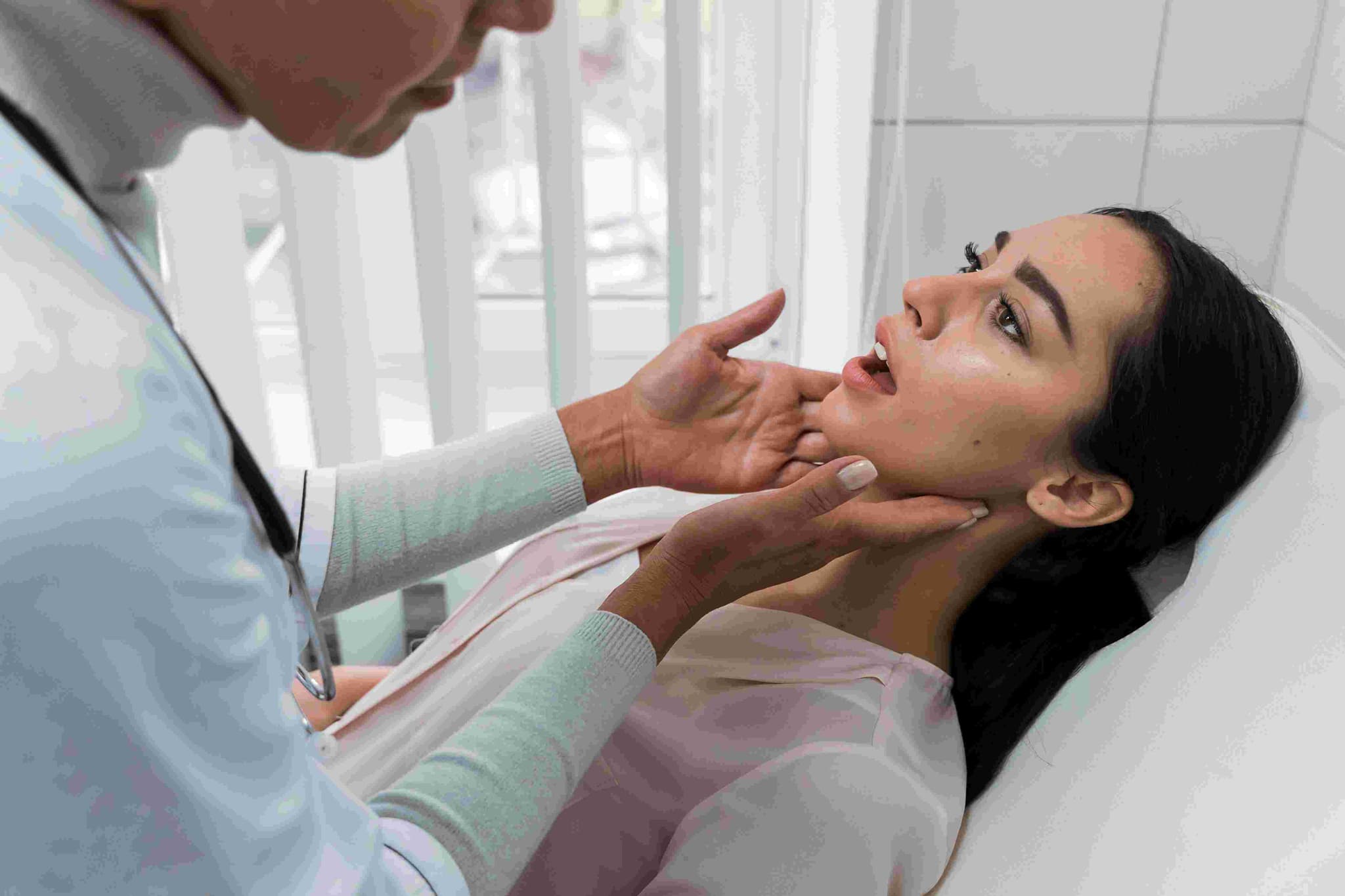
Microlaryngeal Surgery (Vocal Cord Nodules/Polyps)
Microlaryngeal Surgery
Microlaryngeal surgery is a precision microsurgical procedure used to remove benign growths—such as nodules, polyps, or cysts—from the vocal cords. By utilizing a high-powered operating microscope and delicate long-reach instruments, surgeons can operate through the mouth to treat the voice box (larynx). This approach ensures the microscopic layers of the vocal folds are preserved, which is essential for maintaining or restoring high-quality voice function.
When You Should Consider Microlaryngeal Surgery
Vocal Cord Polyps: Typically fluid-filled growths often caused by a single instance of vocal trauma (like screaming or clearing the throat forcefully).
Vocal Cord Nodules: Often referred to as "singer's nodules," these are callous-like growths resulting from long-term vocal abuse or strain.
Vocal Cord Cysts: Firm, encapsulated lumps embedded deeper within the vocal fold tissue that do not resolve with voice therapy.
Persistent Hoarseness: When a raspy or breathy voice quality persists for more than three weeks despite resting the voice.
Diagnostic Biopsy: To definitively rule out malignancy or specialized inflammatory conditions in suspicious-looking lesions.
How Is Performed
Anesthesia: The surgery is an outpatient procedure performed under general anesthesia and typically takes between 30 to 60 minutes.
Access: A hollow metal tube called a laryngoscope is inserted through the mouth to provide a direct, stable view of the larynx. There are no external incisions and no visible scars.
Visualization: The surgeon uses an operating microscope or a high-definition endoscope to obtain a highly magnified, 3D view of the delicate vocal fold architecture.
Removal Techniques:
Cold Instruments: Micro-scissors and fine forceps are used to precisely "shave" or snip the growth away from the healthy tissue.
Laser (CO2 or KTP): In specific cases, a laser is used to vaporize tissue or seal blood vessels, which is particularly effective for vascular (bloody) polyps.Preservation: The surgeon takes extreme care to protect the "vocal ligament" and the "lamina propria," the specific layers required for the vocal folds to vibrate correctly.
Pre-Procedure Preparation
Videostroboscopy: A specialized diagnostic test using a flashing light to observe the vocal folds vibrating in "slow motion" to plan the exact site of surgery.
Reflux Management: You may be started on anti-reflux medication (PPIs) before surgery, as stomach acid can irritate the vocal cords and slow down healing.
Smoking Cessation: It is mandatory to stop smoking several weeks before and after surgery, as tobacco smoke causes significant inflammation that can lead to permanent scarring.
Fasting: Following strict "nothing by mouth" instructions for the hours preceding your general anesthesia.
Dental Assessment: Informing your surgeon of any loose teeth, crowns, or veneers, as the laryngoscope rests near the upper teeth during the procedure.
Tests Before Microlaryngeal Surgery
Acoustic Voice Analysis: A computer-based recording to measure the pitch, range, and stability of your voice before intervention.
Laryngeal Electromyography (LEMG): In some cases, to check the nerve function of the vocal muscles if weakness is suspected alongside a growth.
Transnasal Esophagoscopy (TNE): To check the health of the esophagus if chronic acid reflux is the suspected cause of the vocal cord irritation.
General Fitness for Anesthesia: Standard blood panels and an EKG to ensure you are healthy for a short period of general anesthesia.
Life After Microlaryngeal Surgery
Total Voice Rest: The most critical phase of recovery. You will likely be ordered absolute silence (no speaking, whispering, or throat clearing) for 3 to 7 days to allow the vocal folds to heal without friction.
Hydration and Humidity: Drinking significant amounts of water and using a room humidifier are essential to keep the vocal folds lubricated as they heal.
Dietary Restrictions: Avoiding caffeine, alcohol, and spicy foods for 2 weeks to prevent acid reflux from reaching the healing surgical site.
Voice Therapy: Most patients are referred to a Speech-Language Pathologist (SLP) after the initial healing phase to learn "vocal pacing" and healthy speaking techniques to prevent the growths from returning.
Activity Limits: Avoid heavy lifting or strenuous exercise for at least one week, as "bearing down" puts significant pressure on the vocal folds.
Why Specialized Treatment Is Highly Effective
Restores Voice Clarity: Removing the physical obstruction allows the vocal folds to close completely and vibrate symmetrically, eliminating hoarseness.
Microscopic Precision: Using a microscope allows the surgeon to remove only the diseased tissue while leaving the surrounding healthy vocal fold completely untouched.
No External Scarring: Because the entire procedure is performed through the mouth, there is no change to your physical appearance and a very rapid recovery.
Long-Term Vocal Health: When combined with professional voice therapy, the surgery addresses both the physical growth and the behavioral causes of the vocal injury.
Definitive Diagnosis: Provides an immediate tissue sample for pathology, offering peace of mind regarding the nature of the vocal cord lesion.
Microlaryngeal Surgery (Vocal Cord Nodules/Polyps) Cost in India
The cost of Microlaryngeal Surgery (Vocal Cord Nodules/Polyps) in India is generally affordable compared with many other countries, making India a popular destination for international patients seeking quality medical care. The treatment cost depends on factors such as the hospital, doctor's experience, treatment approach, medical condition, hospital stay, diagnostic tests, medicines, and any additional procedures required. For international patients, the starting cost of Microlaryngeal Surgery (Vocal Cord Nodules/Polyps) in India is approximately 500 USD, although the final price may vary based on individual treatment requirements. Patients are advised to obtain a personalized treatment estimate after medical evaluation.