+91 83682 47758
info@medivisorhealth.com
Medivisor India Treatment Logo
  • Home
    • About Us
    • Our Services
    • Our Team
    • Our Safety Measures
    • Loading treatments...
    • Loading hospitals...
    • Loading doctors...
    • Treatment Cost
    • Treatment Process
    • Visa Process
    • Travel Guide
    • FAQs
    • Why Medivisor
    • Success Stories
    • Patient Activities
    • Social Activities
    • News Coverage
    • Blog
  • Become a Partner

Medivisor India Treatment is a trusted New Delhi-based medical travel company assisting international patients with advanced, affordable, and seamless treatment in India.

  • Medivisor House 359, Sector 1, Vaishali, Ghaziabad, (Delhi/NCR) India
  • +91 8368 247 758
  • info@medivisorhealth.com

About Us

  • About Us
  • Our Services
  • Our Team
  • Our Medical Advisors
  • Our Safety Measures
  • Join Our Network
  • Contact Us

India Treatment

  • Hospitals
  • Treatments
  • Treatment Cost
  • Treatment Process
  • Visa Process
  • Travel Guide
  • FAQs
  • Why Medivisor

Gallery

  • Patient Testimonials
  • Patient Activities
  • News Coverage
  • Blog

Get in Touch

© 2026 Medivisor India Treatment. All rights reserved.

Fertility & IVF

Fertility & IVF

  1. Home
  2. Departments
  3. Fertility & IVF

In Vitro Fertilization (IVF)

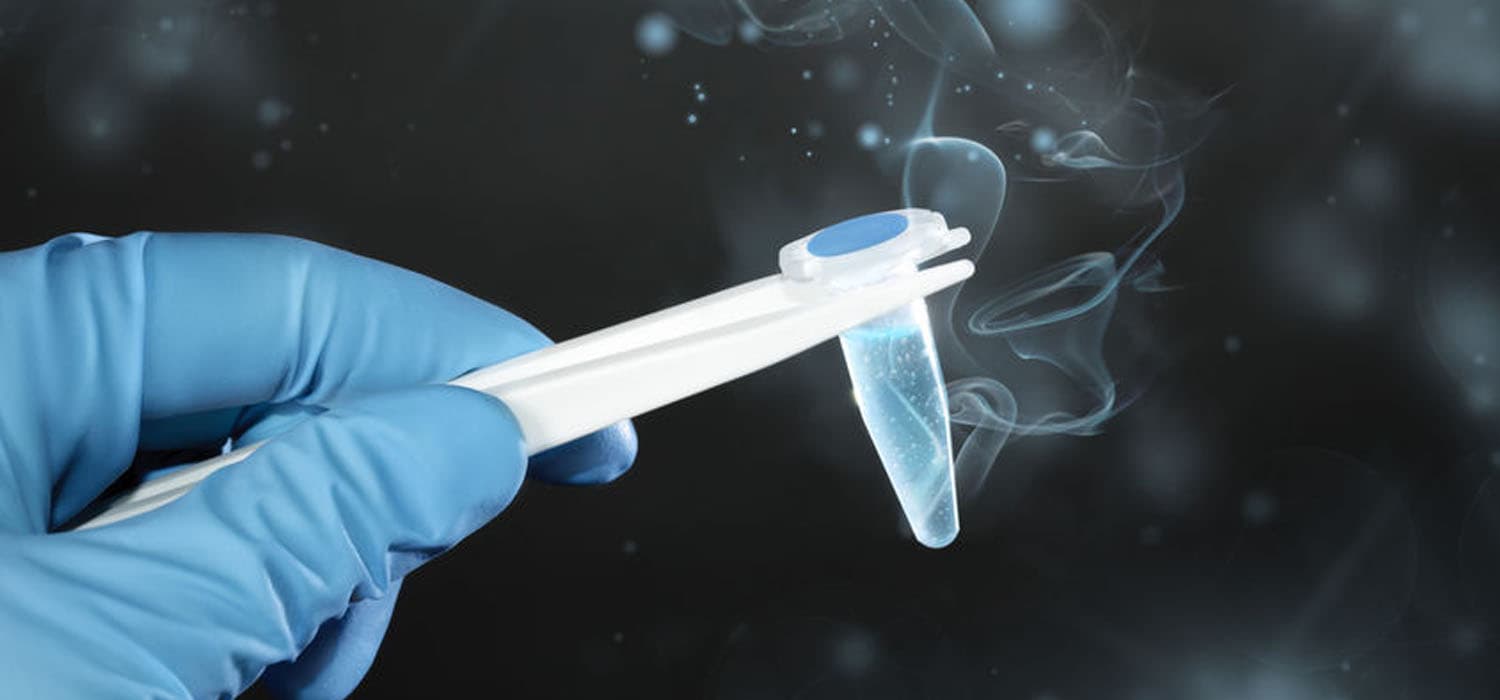
In vitro fertilization (IVF) is the cornerstone of advanced reproductive medicine, designed to treat infertility—defined by the World Health Organization (WHO) as the failure to achieve pregnancy after 12 months or more of regular, unprotected intercourse. The procedure involves manually extracting eggs from an individual's ovaries, fertilizing them with sperm in a specialized laboratory setting, and transferring the resulting embryo directly back into the uterus to establish a pregnancy.

Key Indications: Why IVF is Performed

According to clinical overviews from the Mayo Clinic and NIH StatPearls, IVF is highly effective for treating several underlying causes of infertility:

  • Tubal Factors: Damaged, blocked, or completely missing fallopian tubes that prevent natural sperm-egg interaction.

  • Ovulation Disorders: Irregular or absent ovulation cycle issues, such as Polycystic Ovary Syndrome (PCOS).

  • Endometriosis: Severe uterine lining abnormalities affecting egg quality or pelvic anatomy function.

  • Severe Male-Factor Infertility: Significantly low sperm count, poor sperm motility, or structural blockages.

  • Unexplained Infertility: Persistent failure to conceive despite all standard diagnostic tests yielding completely normal results.

  • Advanced Maternal Age: Declining egg quantity and quality associated with being over the age of 35 to 40.

The Step-by-Step IVF Medical Process

The standard clinical journey of a single IVF cycle typically spans several weeks and involves high-precision medical milestones:

  • Ovarian Stimulation: Self-administered hormonal medications are taken for 8–12 days to stimulate the ovaries into growing multiple mature eggs.

  • Follicle Monitoring: Regular transvaginal ultrasounds and blood estrogen tests are performed to accurately track egg development.

  • Egg Retrieval: A minor surgical procedure performed under light sedation, where a thin, ultrasound-guided needle retrieves eggs directly from the ovarian follicles.

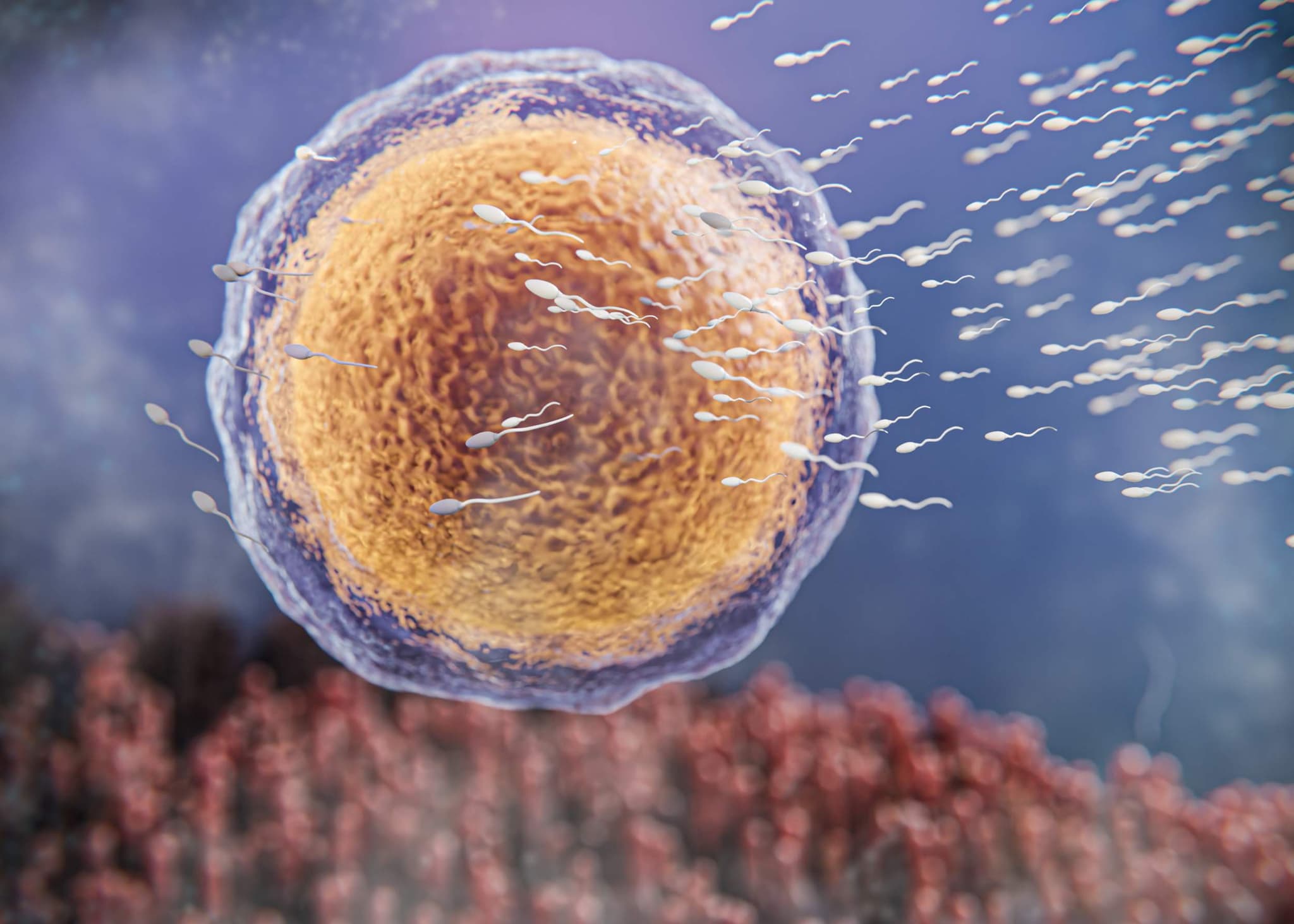
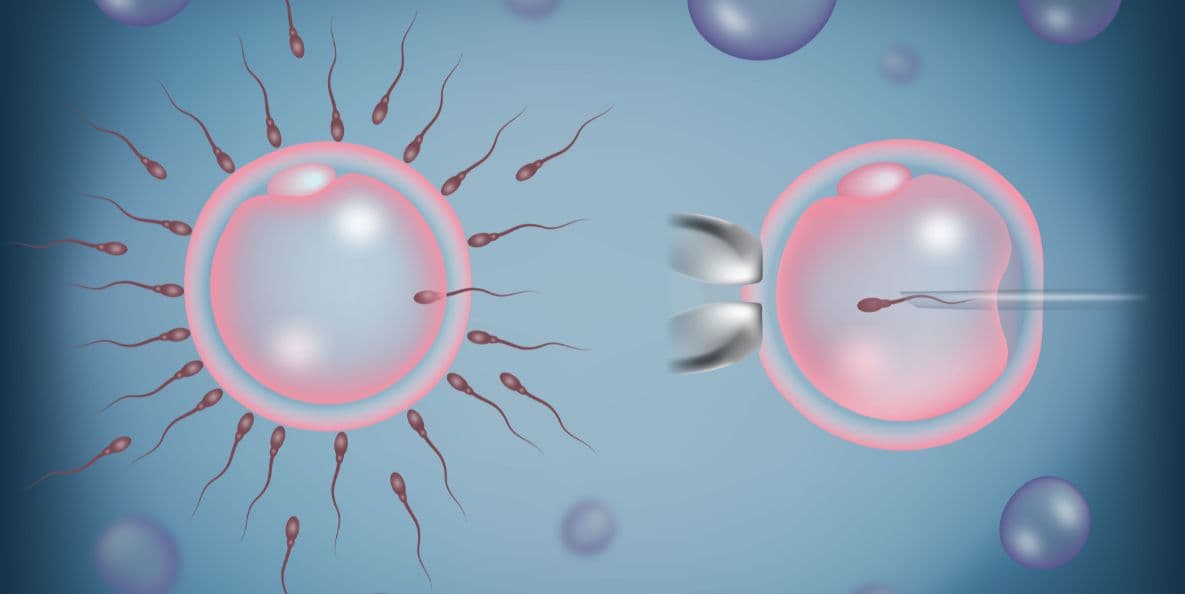
  • Fertilization (and ICSI): The retrieved eggs are combined with sperm in a petri dish. If male factor infertility is present, an advanced technique called Intra-Cytoplasmic Sperm Injection (ICSI) is used to inject a single healthy sperm straight into a mature egg.

  • Embryo Culture: The fertilized eggs are monitored carefully inside an incubator for 3 to 5 days until they develop into multi-celled blastocysts.

  • Embryo Transfer: A soft, flexible catheter is gently guided through the cervix to implant one or more select embryos directly into the uterus.

May we help you?

Enter digits only (6-15 digits). We'll add your country code.

Fertility & IVF Treatments in India

Frozen Embryo Transfer (FET)

Frozen Embryo Transfer (FET) is a cornerstone of modern fertility treatment, consistently providing high success rates by utilizing cryopreserved embryos from previous cycles. This procedure allows for the transfer of a thawed embryo into a perfectly prepared uterine environment, bypassing the hormonal stress of immediate egg retrieval. Modern vitrification techniques and advanced endometrial monitoring ensure that embryos are preserved with nearly 100% viability, offering patients a safe and highly flexible path to pregnancy.

  • Presence of surplus high-quality embryos following a previous IVF or ICSI cycle.

  • Intention to undergo Preimplantation Genetic Testing (PGT-A) for chromosomal screening.

  • Risk of Ovarian Hyperstimulation Syndrome (OHSS) during a fresh stimulation cycle.

  • Desire to space out pregnancies and build a family over several years.

  • Recommended "freeze-all" strategy to allow the body to recover from hormonal medications.

  • Need for a donor embryo cycle to overcome age-related or genetic fertility challenges.

  • Recurrent Implantation Failure (RIF) where precise cycle timing is critical.

  • Thin endometrial lining requiring specialized medicated preparation protocols.

  • Hormone imbalances that make a fresh transfer medically inadvisable.

  • Polycystic Ovary Syndrome (PCOS), which increases the risk of complications during fresh cycles.

  • Advanced maternal age requiring the transfer of genetically screened euploid embryos.

  • The uterine lining is prepared through either a natural monitored cycle or a medicated hormonal protocol.

  • Regular ultrasound scans and blood tests track endometrial thickness to ensure it reaches the ideal 7mm–12mm range.

  • On the day of transfer, the selected embryo is thawed using high-precision vitrification technology.

  • The embryo’s viability and cell integrity are assessed by an embryologist post-thaw.

  • A thin, flexible catheter is used to gently place the embryo into the uterus under ultrasound guidance.

  • Progesterone support is administered following the procedure to maintain a receptive environment for implantation.

  • High-Survival VitrificationAn ultra-rapid freezing method that prevents ice crystal formation, ensuring maximum embryo integrity.

  • AI-Enhanced Implantation TimingSoftware that analyzes uterine data to identify the precise "window of implantation" for each patient.

  • Non-Invasive Genetic ScreeningAnalyzing chromosomal health without a biopsy, reducing the physical stress on the frozen embryo.

  • Endometrial Receptivity Analysis (ERA)A genetic test of the lining to customize the exact hour of the transfer for patients with prior failures.

  • Time-Lapse Thaw MonitoringConstant observation of the embryo during the thawing phase to ensure optimal metabolic recovery.

  • Platelet-Rich Plasma (PRP) TherapyAn advanced technique used to "prime" and thicken the uterine lining in patients with a history of thin endometrium.

  • Baseline pelvic scans to evaluate the current status of the uterus and ovaries.

  • Consultation to choose between a "Natural Cycle" or a "Medicated Cycle" based on your history.

  • Nutritional optimization, including a Mediterranean-style diet, to support uterine blood flow.

  • Screening for infectious diseases to ensure all safety and regulatory protocols are met.

  • Review of the "embryo freezing certificate" and signing of consent forms for thawing.

  • Transvaginal Ultrasound (TVS) to monitor the growth and texture of the endometrial lining.

  • Blood work to measure Estrogen, Progesterone, and TSH (Thyroid) levels.

  • Saline Infusion Sonogram (SIS) or Hysteroscopy to confirm the uterine cavity is clear.

  • Mock Transfer ("Trial Run") to map the cervical path and ensure a smooth procedure.

  • Repeat infectious disease screening as required by modern ART safety standards.

  • Boasts success rates that often surpass fresh transfers due to a more receptive, natural uterine state.

  • Virtually eliminates the risk of OHSS, making it the safest option for high-responder patients.

  • Allows for the use of PGT-A, ensuring only chromosomally normal (euploid) embryos are transferred.

  • Reduces the physiological and emotional stress of repeating egg retrieval for subsequent pregnancies.

  • Children born from FET cycles often show healthier birth weights and lower rates of preterm birth.

  • The transfer is a 10–15 minute outpatient procedure that requires no anesthesia or downtime.

  • Patients can usually return to light daily activities within 24 hours of the transfer.

  • Hormonal support (Progesterone and Estrogen) is continued until the first pregnancy milestone.

  • A blood pregnancy test (Beta-hCG) is performed 10–14 days after the transfer.

  • If successful, an early "heartbeat ultrasound" is scheduled around the 6-week mark.

  • Seamless transition to routine prenatal care for a healthy, full-term pregnancy.

  • Long-term storage options remain available for any additional cryopreserved embryos.

  • Significant reduction in the cost and physical burden of future family-building steps.

  • Ongoing gynecological monitoring to ensure continued reproductive and uterine health.

  • Confidence in having utilized the most advanced, personalized technology in modern fertility care.

Gamete Intrafallopian Transfer (GIFT)

Gamete Intrafallopian Transfer (GIFT) is a specialized assisted reproductive technology (ART) where fertilization occurs naturally inside the woman's body rather than in a laboratory. While modern IVF is more common, GIFT remains a unique option for patients who prefer in-vivo fertilization. This procedure mimics the natural conception process by placing a mixture of eggs and sperm directly into the fallopian tubes, allowing the body’s natural environment to facilitate the earliest stages of life.

  • Ethical or religious preferences that favor fertilization occurring inside the human body.

  • Presence of at least one healthy, functional, and unobstructed fallopian tube.

  • History of unexplained infertility where multiple cycles of IUI have been unsuccessful.

  • Desire to avoid the laboratory culture of embryos or the freezing of surplus embryos.

  • Cases where previous IVF attempts failed specifically during the laboratory fertilization stage.

  • Couples seeking a treatment that aligns with specific personal or philosophical beliefs regarding conception.

  • Cervical factor infertility where sperm cannot naturally pass into the uterus.

  • Minimal or mild endometriosis that has not compromised the fallopian tube structure.

  • Specific cases of mild male factor infertility where sperm quality is adequate for natural fertilization.

  • Healthy ovarian reserve requiring carefully monitored stimulation protocols.

  • Patients who are comfortable with a laparoscopic surgical approach for the transfer phase.

  • Ovarian stimulation is used to encourage the development of multiple mature follicles.

  • Egg maturity is monitored closely via ultrasound and hormonal blood panels.

  • Mature eggs are retrieved through a standard ultrasound-guided aspiration procedure.

  • A sperm sample is simultaneously prepared to isolate the most healthy and motile cells.

  • The eggs and sperm (gametes) are combined within a specialized transfer catheter.

  • Under general anesthesia, a laparoscopic procedure is performed to inject the gametes directly into the fallopian tube.

  • Fertilization occurs naturally within the tube, and the resulting embryo travels to the uterus for implantation.

  • Advanced Laparoscopic PrecisionThe use of high-definition 4K imaging during laparoscopy ensures the most accurate placement of gametes within the fallopian tube.

  • Micro-Volume Transfer CathetersSpecially designed soft-tip catheters that minimize tubal irritation and maximize the stability of the gamete mixture.

  • AI-Optimized StimulationAdvanced algorithms that predict the ideal egg retrieval window to ensure gametes are at peak viability for natural fertilization.

  • High-Gradient Sperm ProcessingRefined laboratory techniques that ensure only the highest-quality sperm are mixed with the eggs for transfer.

  • Minimally Invasive EntryModern surgical ports and techniques that reduce recovery time and post-operative discomfort following the laparoscopic phase.

  • Real-Time Hormonal MonitoringContinuous tracking of the luteal environment to ensure the uterus is perfectly primed for the naturally descending embryo.

  • Diagnostic Laparoscopy or HSG to confirm that the fallopian tubes are healthy and functional.

  • Coordination with an anesthesiology team to prepare for the surgical component of the procedure.

  • Lifestyle and nutritional optimization to support a healthy fallopian tube environment.

  • Discussion of the ethical and clinical differences between GIFT and standard IVF.

  • Scheduling of the procedure to ensure the surgical theater and embryology lab are perfectly synchronized.

  • Hysterosalpingogram (HSG) to ensure there are no blockages or scarring in the fallopian tubes.

  • Comprehensive ovarian reserve testing, including AMH and follicle counts.

  • Standard infectious disease screening for both partners as required by ART regulations.

  • Semen analysis to ensure the sperm sample is compatible with a natural fertilization process.

  • Cardiac and general health clearance for laparoscopic surgery under general anesthesia.

  • Maintains the biological integrity of the fertilization process by keeping it within the body.

  • Provides a successful alternative for couples who have failed traditional laboratory-based ART.

  • Utilizes the fallopian tube’s natural secretions, which may support embryo development better in certain patients.

  • Offers high success rates for patients with unexplained infertility and healthy tubal anatomy.

  • Bridges the gap between natural conception and advanced science for those with specific ethical requirements.

  • Patients typically remain in a recovery suite for several hours following the laparoscopic surgery.

  • Minor surgical discomfort or bloating may occur but usually subsides within 24 to 48 hours.

  • Progesterone support is provided to ensure the uterine lining remains receptive.

  • Pregnancy status is confirmed via a blood-based Beta-hCG test 14 days after the transfer.

  • If pregnancy occurs, early ultrasounds track the embryo's arrival and development in the uterus.

  • Transition to routine prenatal care following the confirmation of a healthy intrauterine pregnancy.

  • The psychological satisfaction of having conceived through a process that aligns with personal beliefs.

  • Ongoing monitoring of tubal health to maintain future reproductive potential.

  • Access to specialized fertility counseling to discuss the success and journey of the GIFT process.

  • Continued gynecological wellness checks to support long-term maternal health.

IVF with Donor Eggs
IVF with Donor Eggs

IVF with Donor Eggs is a premier fertility treatment for individuals facing age-related fertility decline, premature ovarian failure, or poor egg quality. This procedure utilizes mature eggs from a healthy, thoroughly screened donor, which are fertilized in a state-of-the-art laboratory before the resulting embryo is transferred to the recipient. By integrating advanced donor matching and non-invasive genetic screening, modern protocols ensure the highest possible success rates for intended parents.

  • Advanced maternal age where natural egg quality and quantity have declined.

  • Diagnosis of Premature Ovarian Insufficiency (POI) or early-onset menopause.

  • Repeated IVF failures using your own eggs due to poor embryo development.

  • History of multiple miscarriages linked to chromosomal abnormalities in the eggs.

  • Known genetic conditions or hereditary disorders you wish to avoid passing to offspring.

  • Diminished ovarian reserve where hormonal stimulation fails to produce viable eggs.

  • Severe Endometriosis affecting the quality of the primary ovarian environment.

  • Turner Syndrome or other chromosomal variations requiring donor gametes.

  • Previous cancer treatments (chemotherapy or radiation) that have impacted ovarian function.

  • Recurrent Implantation Failure (RIF) requiring specialized uterine lining synchronization.

  • Surgical removal of ovaries due to medical necessity or emergency.

[Image Placeholder: Healthy blastocyst-stage embryo developed from a donor egg]

  • Advanced digital platforms are used to match recipients with anonymous, altruistic donors.

  • Menstrual cycles are synchronized using hormonal monitoring to ensure optimal uterine receptivity.

  • Ovarian stimulation of the donor is monitored via high-precision automated follicle measurement.

  • Mature eggs are retrieved from the donor using a minimally invasive, ultrasound-guided procedure.

  • Fertilization is achieved using ICSI, where a single selected sperm is injected into each donor egg.

  • Resulting embryos are cultured in time-lapse incubators to monitor growth 24/7.

  • One healthy embryo is transferred into the recipient’s uterus using a high-precision catheter.

  • Advanced Donor MatchingAlgorithms that analyze medical, genetic, and phenotypic data to find the most compatible donor.

  • Vitrified Egg BankingAdvanced "flash-freezing" that allows for flexible timelines and immediate access to high-quality eggs.

  • Non-Invasive PGT-A (niPGT)Screening embryos for chromosomal health by analyzing culture fluid instead of performing a biopsy.

  • Real-Time SynchronizationPrecision hormone sensors that track the recipient's cycle for perfectly timed transfers.

  • Mitochondrial SupportEmerging techniques aimed at supporting recipient eggs using donor cellular components.

  • AI-Enhanced Embryo RankingDeep-learning models that predict the "live birth potential" of embryos with high clinical accuracy.

[Image Placeholder: High-tech IVF laboratory featuring integrated workstations and incubators]

  • Review of the legal framework under current ART Acts to ensure all altruistic guidelines are met.

  • Comprehensive psychological counseling to prepare for the emotional journey of donor conception.

  • Uterine preparation including a healthy diet and vitamins to support the endometrium.

  • Synchronization of hormonal protocols using estradiol and progesterone medications.

  • Financial planning and coordination for all donor-related medical steps.

  • Saline Infusion Sonogram (SIS) or Hysteroscopy to confirm a clear uterine cavity.

  • Endometrial Receptivity Analysis (ERA) to identify the optimal "window of implantation."

  • Standardized viral screening (HIV, Hepatitis, Syphilis) for both the donor and the recipient.

  • Detailed semen analysis for the male partner, including a DNA Fragmentation Index.

  • Mock embryo transfer to ensure a smooth and painless procedure on the actual day.

  • Delivers exceptional success rates, often reaching 60% to 80% per embryo transfer.

  • Utilizes younger, high-quality eggs which significantly reduces the risk of miscarriage.

  • Modern screening tools reduce "trial and error" by selecting the healthiest embryos.

  • Provides a high cumulative success rate within three cycles for most recipients.

  • Allows women in their late 40s and early 50s to experience a healthy pregnancy.

  • Recipients generally require only 24 hours of light activity following the embryo transfer.

  • Continued hormonal support (progesterone) for several weeks to maintain the early pregnancy.

  • A "Two-Week Wait" (2WW) period monitored via clinical health portals to track progress.

  • Blood-based pregnancy test (Beta-hCG) performed 10–14 days after the transfer.

  • Early ultrasound at 6–7 weeks to confirm the presence of a healthy fetal heartbeat.

  • Transition to routine obstetric care with a specialized focus on healthy prenatal development.

  • Options for cryopreservation of remaining donor-egg embryos for future family building.

  • Long-term follow-up to ensure both the mother and child are meeting health milestones.

  • Access to support groups for families who have successfully conceived via egg donation.

  • Empowerment through the successful resolution of long-term infertility struggles.

IVF with Donor Sperm

IVF with Donor Sperm is a highly effective fertility solution for couples facing severe male factor infertility, single women, and same-sex couples. This procedure involves fertilizing a recipient's eggs with high-quality sperm from a registered ART bank, ensuring the highest standards of safety and genetic screening. Modern protocols emphasize the use of high-magnification selection and AI-assisted embryo grading to provide the most reliable path to a successful pregnancy.

  • Diagnosis of Azoospermia (complete absence of sperm) where surgical retrieval is not an option.

  • Severe male factor infertility, including low count, poor motility, or abnormal morphology.

  • History of repeated IVF failures attributed specifically to sperm-related issues.

  • Known hereditary genetic conditions in the male partner that could be passed to offspring.

  • Single women or same-sex couples wishing to start a family.

  • Cases where prior miscarriages were linked to high sperm DNA fragmentation.

  • Non-obstructive Azoospermia where the testes are not producing viable sperm.

  • Severe Rh-isoimmunization where a donor with a compatible blood type is required.

  • Recurrent Implantation Failure (RIF) necessitating a change in the genetic component of the embryo.

  • High-risk genetic disorders requiring specific donor screening and selection.

  • Advanced maternal age requiring the most potent sperm to maximize egg fertilization potential.

  • Donor samples are sourced from registered ART banks, having undergone rigorous infectious disease and genetic screening.

  • The female recipient undergoes ovarian stimulation to produce multiple mature eggs.

  • Mature eggs are retrieved via a minor, ultrasound-guided surgical procedure under light sedation.

  • Selected donor sperm is prepared and "washed" to isolate the most motile and healthy cells.

  • Fertilization is typically achieved via ICSI, where a single sperm is injected directly into each egg.

  • Resulting embryos are cultured in high-tech incubators with constant environmental monitoring.

  • The highest-quality embryo is selected and transferred into the recipient's uterus via a fine catheter.

  • Microfluidic Sperm SelectionA gentle filtering technique that mimics the natural cervical path to select sperm with the lowest DNA damage.

  • AI-Based Embryo GradingSophisticated algorithms that analyze developmental patterns to identify embryos with the highest implantation potential.

  • Non-Invasive PGT-AGenetic screening performed by analyzing the culture media rather than biopsying the embryo itself.

  • High-Magnification Selection (IMSI)Using ultra-high-power microscopes (up to 6000x) to detect subtle defects in the donor sperm head.

  • Time-Lapse IncubationContinuous video monitoring (EmbryoScope) allows embryologists to observe growth without disturbing the embryos.

  • Advanced VitrificationAn ultra-rapid freezing method that ensures nearly 100% survival rates for frozen-thawed sperm and embryos.

  • Completion of a comprehensive recipient health panel, including uterine and hormonal assessments.

  • Formal selection of a donor profile from a registered ART bank based on physical and genetic traits.

  • Legal counseling and signing of consent forms under current ART (Regulation) Acts.

  • Ovarian "priming" with supplements or medications to optimize the response to stimulation.

  • Discussion of the ethical and emotional aspects of donor conception with a fertility counselor.

  • Transvaginal Ultrasound (TVS) to assess ovarian reserve and uterine health.

  • Blood panels for Antral Follicle Count (AFC) and Anti-Müllerian Hormone (AMH).

  • Screening for infectious diseases (HIV, Hepatitis B/C, Syphilis) as per mandatory clinical guidelines.

  • Uterine cavity check (Hysteroscopy or saline ultrasound) to ensure a healthy environment for transfer.

  • Compatibility testing to ensure the donor’s blood type and genetic markers align with the recipient's needs.

  • Boasts high success rates (typically 60%–80%) due to the use of pre-screened, high-potency sperm.

  • Eliminates the uncertainty of male factor infertility by using proven-fertile donor samples.

  • Modern AI-selection tools significantly reduce the "time to pregnancy" by choosing the best embryo first.

  • Rigorous screening processes virtually eliminate the risk of transmitting infectious or common genetic diseases.

  • Provides a predictable and scientifically optimized environment for fertilization and early growth.

  • Recovery from egg retrieval is rapid, usually requiring only a few hours of clinical observation.

  • The embryo transfer is a painless, 15-minute procedure that does not require anesthesia.

  • Follow-up blood tests (Beta-hCG) are conducted 10–14 days post-transfer to confirm pregnancy.

  • Progesterone support is administered for several weeks to ensure a receptive uterine lining.

  • Initial pregnancy ultrasounds are scheduled around 6 weeks to monitor the fetal heartbeat.

  • Transition to standard prenatal care following a confirmed and stable pregnancy.

  • Legal peace of mind, as the donor has no parental rights or claims under modern ART laws.

  • Option to cryopreserve additional embryos for future siblings from the same donor.

  • Access to specialized support networks for parents of donor-conceived children.

  • Ongoing gynecological follow-ups to maintain long-term reproductive and uterine health.

IVF with Intracytoplasmic Sperm Injection (ICSI)

In Vitro Fertilization (IVF) with Intracytoplasmic Sperm Injection (ICSI) is an advanced laboratory procedure designed to maximize the chances of fertilization by directly assisting the sperm's entry into the egg. In 2026, ICSI has become the gold standard for treating severe male factor infertility and overcoming barriers like hardened egg shells. By utilizing AI-driven sperm selection and microfluidic technology, this procedure ensures that a single, high-quality sperm is precisely injected into a mature egg to facilitate successful embryo development.

  • Diagnosis of low sperm count (oligospermia) or poor sperm motility (asthenozoospermia).

  • Presence of high numbers of abnormally shaped sperm (teratozoospermia).

  • History of failed or poor fertilization in previous traditional IVF cycles.

  • Use of eggs that have been previously frozen and thawed for a "delayed" cycle.

  • Requirement for sperm collected through surgical retrieval (TESE/TESA).

  • Couples undergoing Preimplantation Genetic Testing (PGT) who require precise fertilization data.

  • Severe Male Factor Infertility involving blockages or non-obstructive azoospermia.

  • Advanced Maternal Age where the egg's outer shell (zona pellucida) may be thicker or harder.

  • Unexplained Infertility where traditional fertilization methods have been unsuccessful.

  • Genetic conditions that require the selection of sperm with the highest DNA integrity.

  • Cryopreserved egg cycles where the freezing process has altered the egg's membrane.

  • Ovarian stimulation is used to produce multiple mature eggs, which are then surgically retrieved.

  • Microfluidic selection devices (Zymot) are utilized to isolate sperm with the highest DNA integrity.

  • AI-driven imaging analyzes sperm morphology and movement to select the optimal candidate.

  • The egg is stabilized under a high-powered microscope using a specialized holding pipette.

  • A single sperm is carefully injected into the center of the egg using a microscopic glass needle.

  • Fertilized eggs are placed in time-lapse incubators (EmbryoScope) for undisturbed monitoring.

  • AI-Driven Sperm Selection Advanced software that identifies the sperm most likely to result in a healthy, viable embryo.

  • Microfluidic Sperm Sorting A gentle selection method that mimics the natural cervical tract to filter out sperm with DNA damage.

  • Time-Lapse Embryo Monitoring Continuous 24/7 video observation of the embryo, allowing for grading without removing it from the incubator.

  • AI Embryo Grading Algorithms that predict "live birth potential" by analyzing thousands of developmental data points.

  • Non-Invasive Genetic Testing (niPGT) Analyzing the liquid environment around the embryo for chromosomal health, avoiding the need for a biopsy.

  • Surgical Sperm Retrieval (TESA/TESE) Minor procedures to collect sperm directly from the reproductive tract when it is absent in the ejaculate.

  • Complete a comprehensive semen analysis, including DNA fragmentation testing.

  • Undergo a "mock transfer" to map the uterine path for the eventual embryo implantation.

  • Adhere to a specialized vitamin and antioxidant protocol to optimize egg and sperm quality.

  • Manage lifestyle factors such as smoking and alcohol use to improve cellular health.

  • Participate in a consultation with an embryologist to discuss the specific ICSI plan.

  • Anti-Müllerian Hormone (AMH) and antral follicle count to assess ovarian reserve.

  • Sperm DNA Fragmentation Index (DFI) to determine the need for microfluidic selection.

  • Infectious disease screening for both partners as required by 2026 regulatory standards.

  • Uterine cavity evaluation (Hysteroscopy or saline ultrasound) to ensure a receptive environment.

  • Genetic carrier screening to identify any potential risks of inherited conditions.

  • Achieves successful fertilization in 70% to 80% of mature eggs injected.

  • Overcomes severe male infertility barriers that previously made biological parenthood impossible.

  • Minimizes the risk of "total fertilization failure," providing more embryos for selection.

  • Utilizes 2026 AI technology to select sperm and embryos with the highest genetic potential.

  • Offers a standardized solution for patients using frozen-thawed eggs or donor tissue.

  • Minor recovery time following egg retrieval, usually requiring one day of rest.

  • Monitoring of embryo development via a digital portal provided by the embryology lab.

  • Administration of progesterone and other hormones to prepare the uterine lining for transfer.

  • Follow-up consultations to discuss the results of genetic testing or embryo grading.

  • Emotional support and counseling integrated throughout the waiting period before the pregnancy test.

  • Transition to prenatal care once a successful pregnancy is confirmed via blood test and ultrasound.

  • Options for cryopreservation of remaining high-quality embryos for future family building.

  • Long-term follow-up to monitor the health and development of children born via assisted technology.

  • Continued management of underlying fertility conditions for future reproductive health.

  • Engagement with support communities for families who have utilized assisted reproduction

Standard In Vitro Fertilization (IVF)

Standard In Vitro Fertilization (IVF) is the global gold standard for treating diverse fertility challenges, including tubal blockages, endometriosis, and unexplained infertility. This advanced procedure involves fertilizing a woman's eggs with sperm in a specialized laboratory environment to create viable embryos. By utilizing modern hormonal protocols and high-tech incubation, IVF offers a highly controlled and effective pathway to biological parenthood.

  • Blocked or damaged fallopian tubes that prevent natural egg and sperm interaction.

  • Moderate to advanced endometriosis affecting ovarian or tubal function.

  • Ovulation disorders where simpler treatments like IUI have been unsuccessful.

  • Unexplained infertility where no clear cause has been identified after extensive testing.

  • History of repeated miscarriages or genetic concerns requiring embryo screening.

  • Diminished ovarian reserve where a more controlled stimulation environment is needed.

  • Polycystic Ovary Syndrome (PCOS) requiring careful management of stimulation drugs.

  • Male factor infertility involving low sperm count or poor motility.

  • Advanced maternal age where egg quality and quantity are significantly reduced.

  • Previous tubal ligation (sterilization) where the patient wishes to conceive again.

  • Presence of uterine fibroids or polyps that may affect embryo implantation.

  • Ovarian stimulation is initiated using daily hormonal medications to encourage multiple egg growth.

  • Continuous monitoring via ultrasound and blood tests ensures follicles reach optimal maturity.

  • A "trigger injection" is administered to finalize the maturation of the eggs.

  • Egg retrieval is performed under light sedation using a fine, ultrasound-guided needle.

  • The retrieved eggs are combined with prepared sperm in a controlled culture dish.

  • Embryos are cultured for 3 to 5 days until they reach the robust blastocyst stage.

  • The highest-quality embryo is gently transferred into the uterus via a thin, flexible catheter.

  • Time-Lapse Embryo ImagingAdvanced incubators that capture continuous photos, allowing embryologists to monitor growth without disturbing the embryos.

  • AI-Assisted Embryo SelectionDeep-learning algorithms that analyze cell division patterns to identify the most viable embryo for transfer.

  • Blastocyst Culture OptimizationRefined nutrient media that supports embryo growth to day 5, increasing the likelihood of successful implantation.

  • Microfluidic Sperm SortingA gentle selection process that mimics natural biological barriers to isolate the healthiest sperm cells.

  • Vitrification TechnologyAn ultra-rapid freezing method that ensures nearly 100% survival rates for surplus embryos.

  • Laser-Assisted HatchingA precision technique that creates a small opening in the embryo’s outer shell to help it attach to the uterine wall.

  • Comprehensive fertility assessment for both partners to customize the stimulation protocol.

  • Lifestyle optimization, including specialized prenatal vitamins and a balanced diet.

  • Mandatory pre-treatment counseling and informed consent as per modern clinical regulations.

  • Financial and logistical planning to ensure a stress-free experience during the 4-to-6-week cycle.

  • Coordination with the nursing team to master the administration of hormonal medications.

  • Anti-Müllerian Hormone (AMH) and Antral Follicle Count (AFC) to predict ovarian response.

  • Transvaginal Ultrasound (TVS) to evaluate uterine health and ovarian accessibility.

  • Comprehensive semen analysis to determine if additional techniques like ICSI are needed.

  • Viral markers and infectious disease screening (HIV, Hepatitis, Syphilis) for both partners.

  • Hysterosalpingogram (HSG) or saline ultrasound to ensure a healthy path for embryo transfer.

  • Boasts significant success rates per cycle, particularly for patients under the age of 37.

  • Provides a controlled environment that bypasses damaged or blocked fallopian tubes entirely.

  • Allows for the selection of the strongest embryos, reducing the "time to pregnancy."

  • Offers the opportunity to freeze surplus embryos for future family-building steps.

  • Operates under strict regulatory frameworks to ensure patient safety and ethical standards.

  • Recovery from egg retrieval is typically swift, with most patients returning to light activity within 24 hours.

  • Luteal phase support (Progesterone) is prescribed immediately following retrieval to assist the uterine lining.

  • Frequent contact with the medical team to monitor any signs of Ovarian Hyperstimulation Syndrome (OHSS).

  • A blood pregnancy test (Beta-hCG) is performed approximately 10 to 14 days after the transfer.

  • Post-transfer instructions focus on maintaining a low-stress environment and light daily movement.

  • Transition to high-quality prenatal care once a healthy pregnancy is confirmed via ultrasound.

  • Significant improvement in long-term family-building options through embryo cryopreservation.

  • Resolution of chronic infertility struggles, providing a clear path to parenthood.

  • Access to supportive communities and professional guidance for life after successful conception.

  • Continued monitoring of reproductive health to plan for potential future cycles.

Top Doctors for Fertility & IVF in India

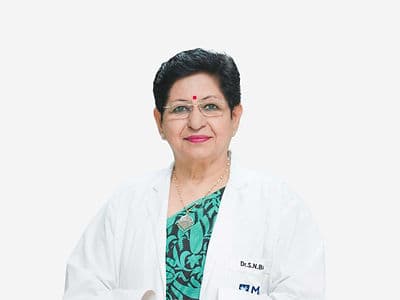
Dr S N Basu
Dr S N Basu
Fertility & IVF Specialist
Max Super Specialty Hospital, Dwarka
46+years experience
Dr Rishma Dhillon Pai
Fertility & IVF Specialist
Lilavati Hospital & Research Centre
32+years experience
Dr Nandita Palshetkar
Fertility & IVF Specialist
Lilavati Hospital & Research Centre
25+years experience
Dr Sowjanya Aggarwal
Fertility & IVF Specialist
Max Super Specialty Hospital, Vaishali
21+years experience
Dr Padmapriya Vivek
Dr Padmapriya Vivek
Fertility & IVF Specialist
Gleneagles Hospital, Perumbakkam, Chennai
18+years experience

May we help you?

Enter digits only (6-15 digits). We'll add your country code.