Medivisor India Treatment Logo
  • Home
  • About Us
    • About Us
    • Our Services
    • Our Team
    • Our Medical Advisors
    • Our Safety Measures
  • Treatment
    • Loading treatments...
  • Hospitals
    • Loading hospitals...
  • Patient Guide
    • Treatment Cost
    • Treatment Process
    • Visa Process
    • Travel Guide
    • FAQs
    • Why Medivisor
  • Gallery
    • Success Stories
    • Patient Activities
    • Social Activities
    • News Coverage
    • Blog
  • Become a Partner

+91 83407 80250

Medivisor Logo

Medivisor India Treatment is a trusted New Delhi–based medical travel partner connecting global patients to advanced, affordable, high-quality healthcare in India.

  • Medivisor House 359, Sector 1, Vaishali, Ghaziabad, (Delhi/NCR) India
  • +91 8340 780 250
  • info@medivisorhealth.com

About Us

  • About Us
  • Our Services
  • Our Team
  • Our Medical Advisors
  • Our Safety Measures
  • Join Our Network
  • Contact Us

India Treatment

  • Hospitals
  • Treatments
  • Treatment Cost
  • Treatment Process
  • Visa Process
  • Travel Guide
  • FAQs
  • Why Medivisor

Gallery

  • Patient Testimonials
  • Patient Activities
  • News Coverage
  • Blog

Get in Touch

© 2026 Medivisor India Treatment. All rights reserved.

Spine Care hospital

Spine Care

  1. Home
  2. Departments
  3. Spine Care

Spine Care Department

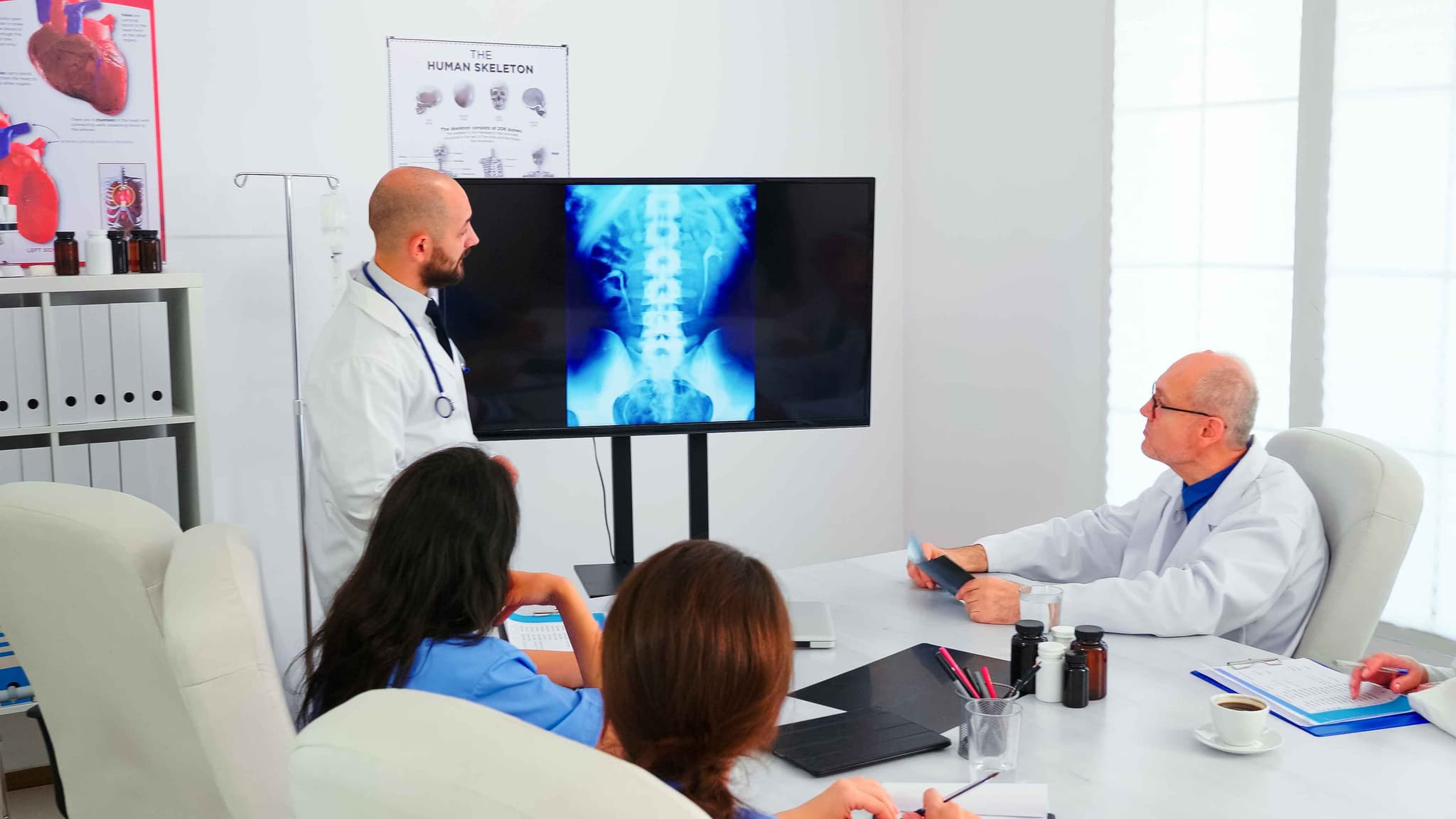
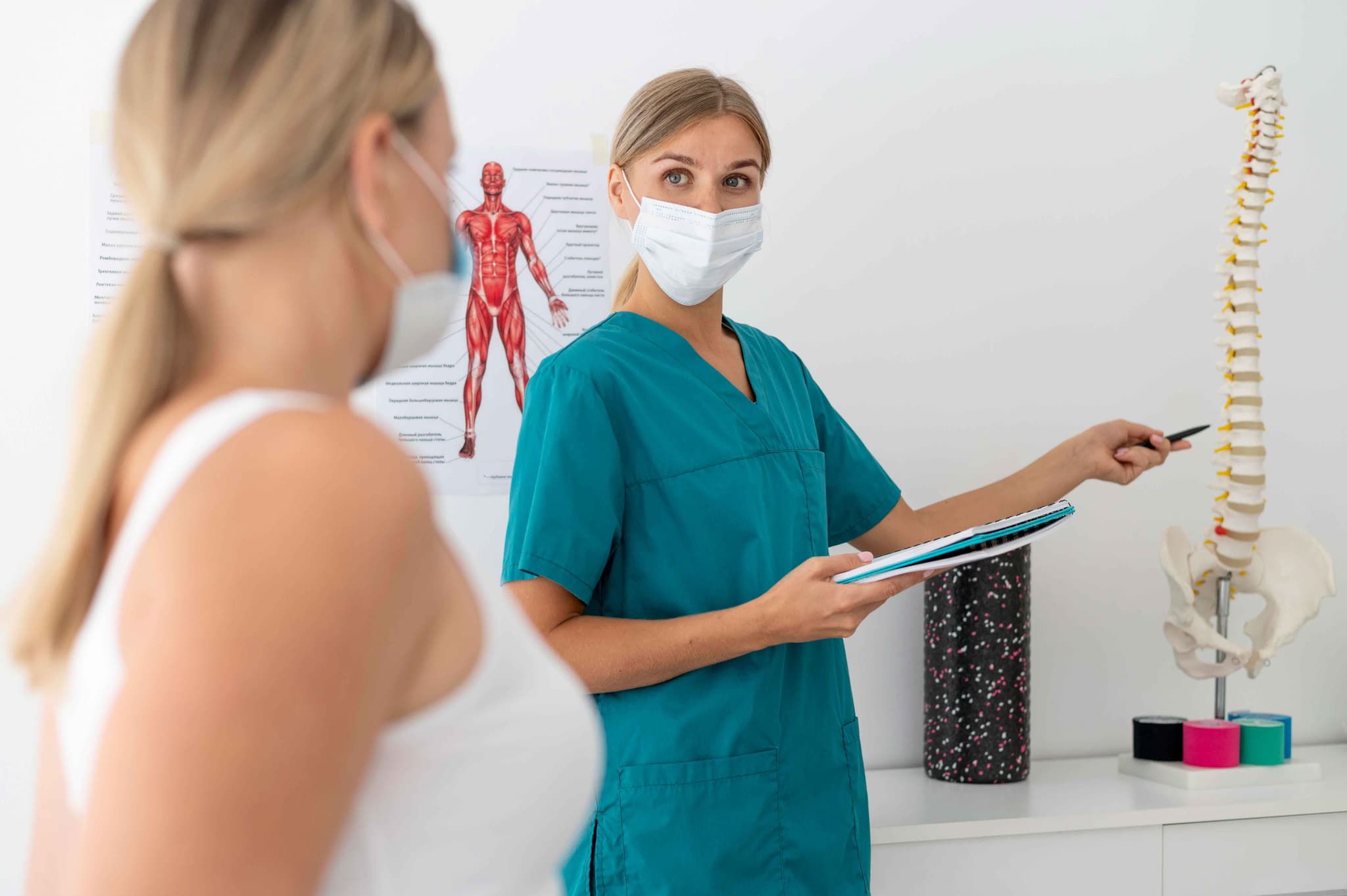
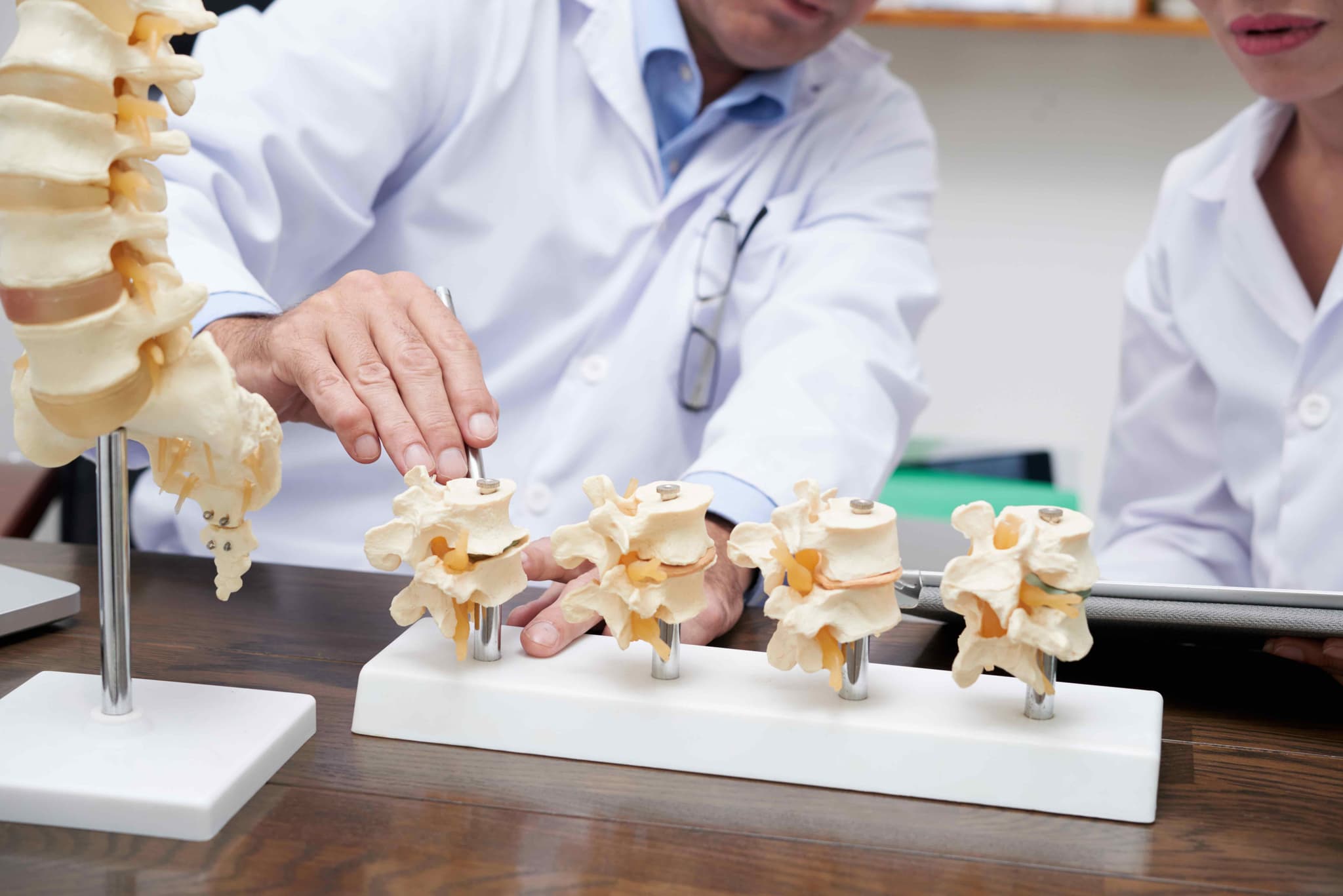
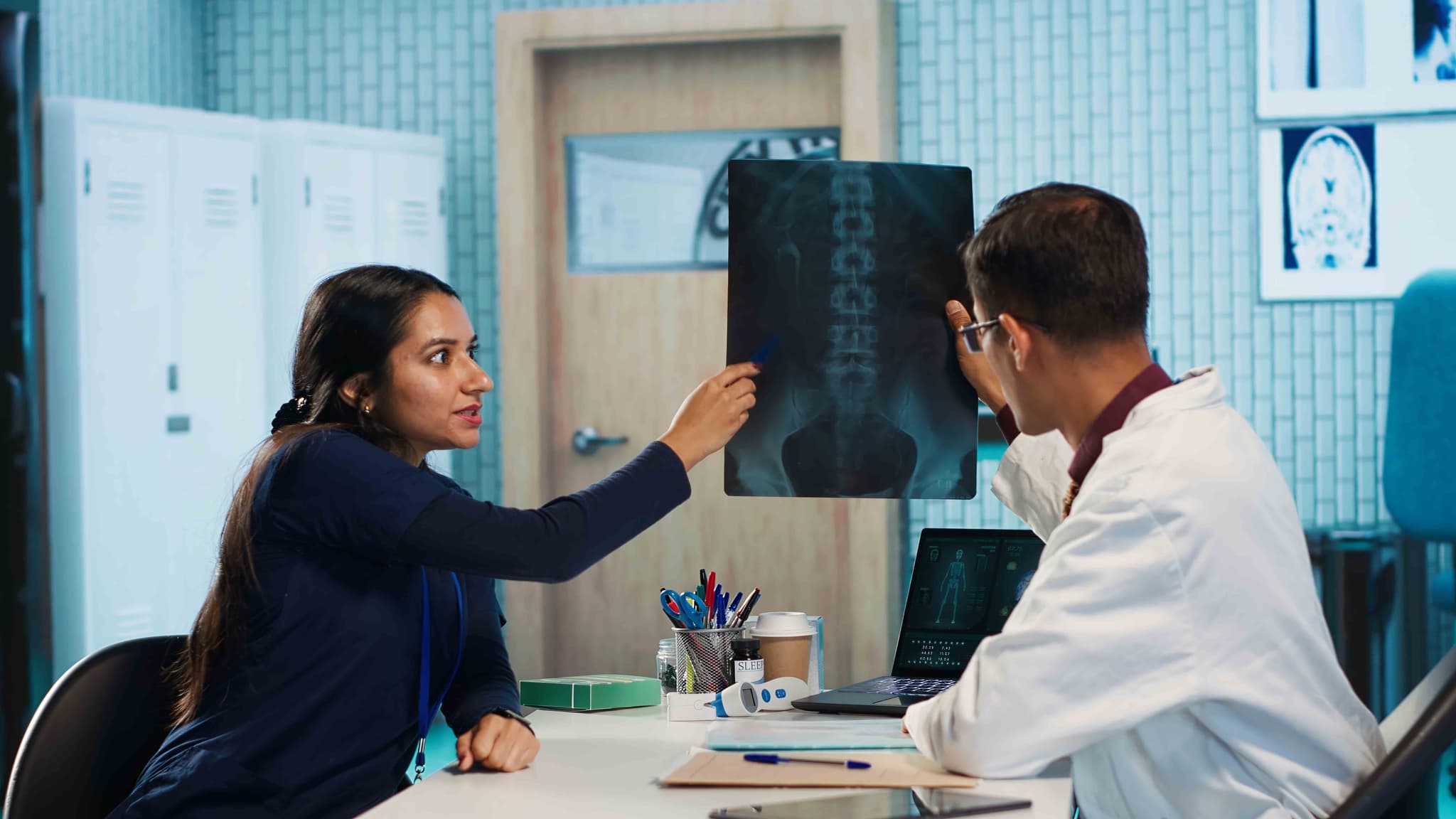
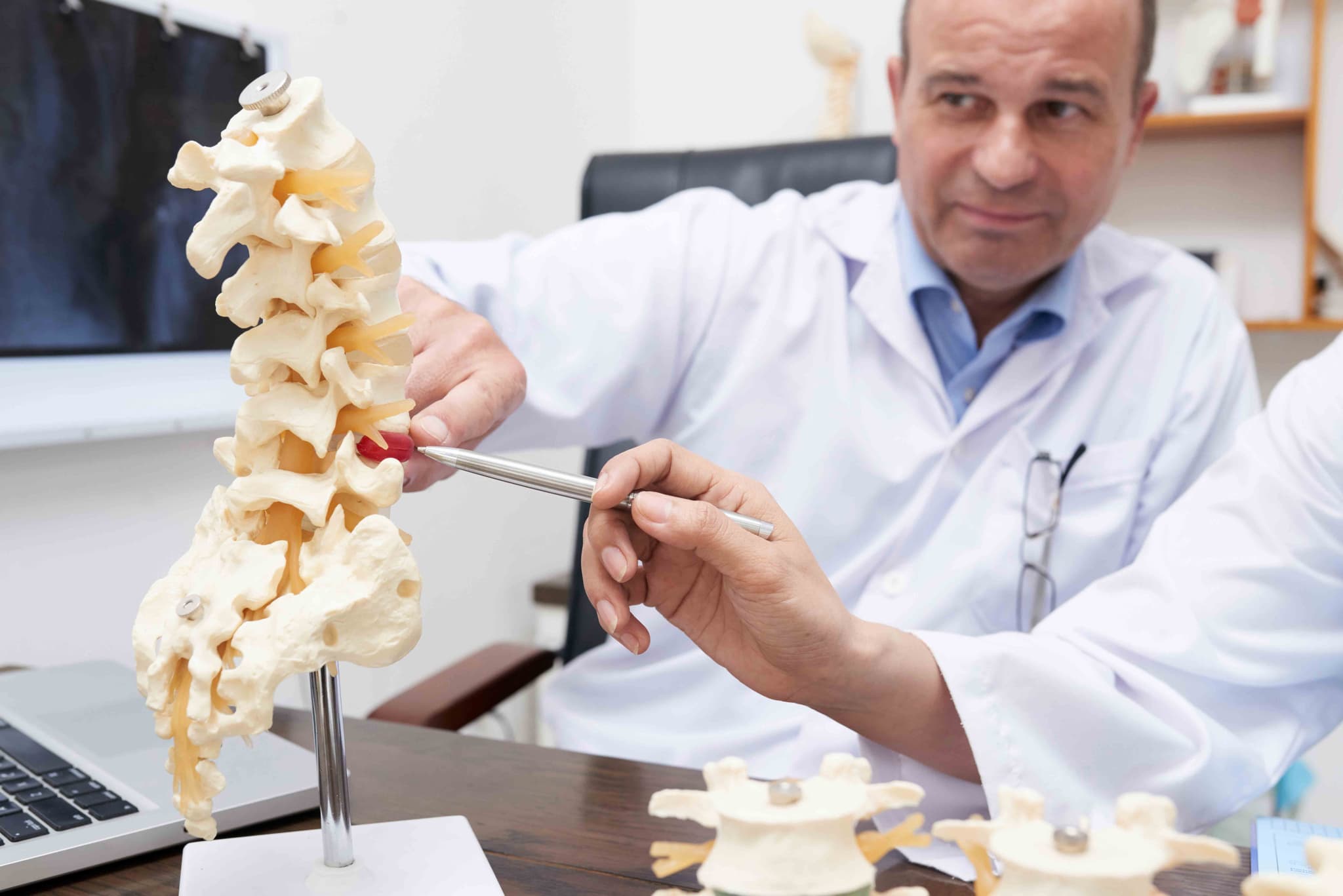
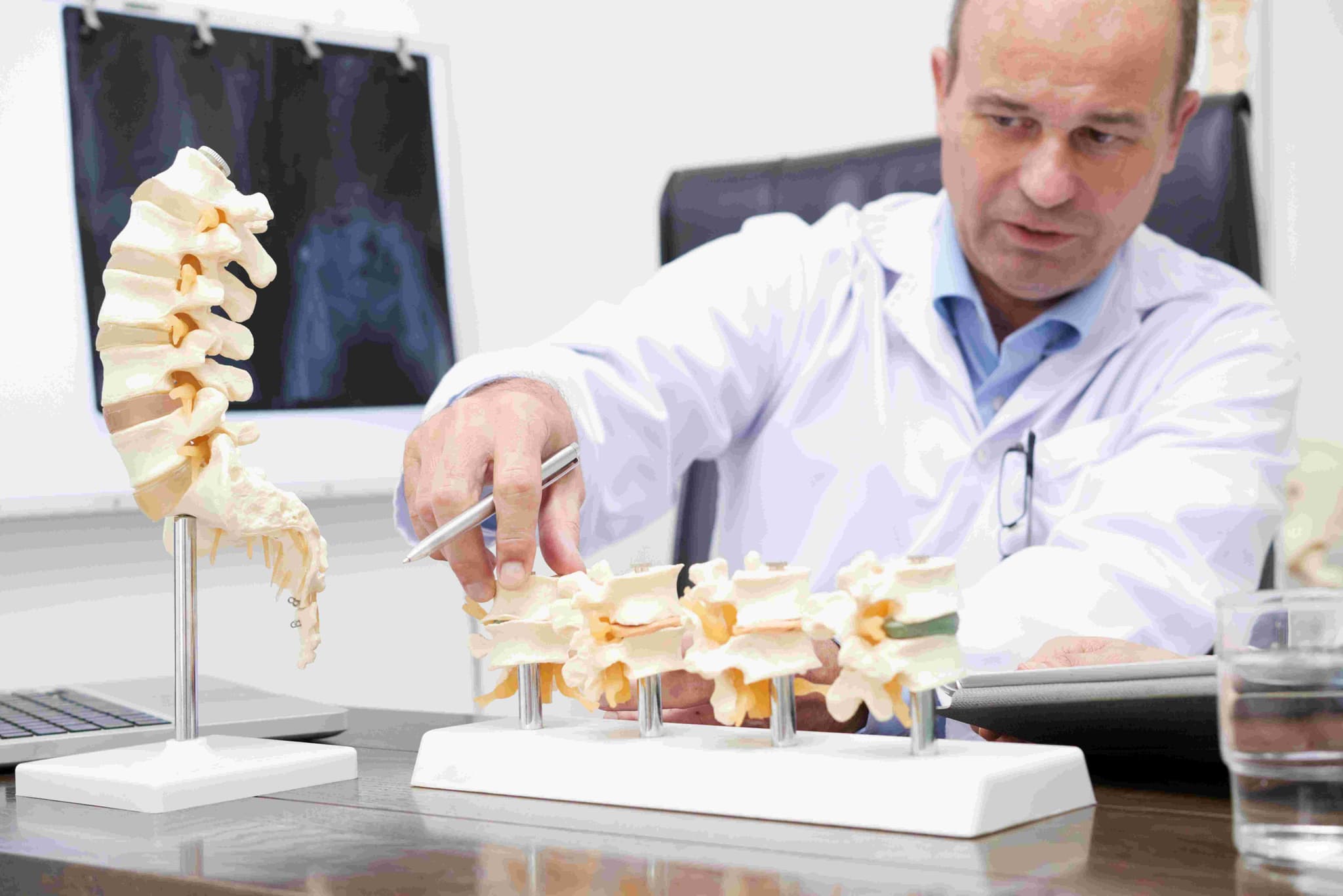
The Spine Care Department is a premier center of excellence operating at the sophisticated intersection of Orthopedics and Neurosurgery. Because the spine serves as both a structural pillar and a protective conduit for the spinal cord, our department utilizes the most advanced navigation and monitoring technology in modern medicine. For international patients, this wing offers a balanced approach that prioritizes mechanical stability while safeguarding delicate nerve functions—treating everything from simple disc herniations to complex spinal reconstructions.

A Collaborative "Heart-and-Soul" Team

Spine care requires a unique partnership between experts in bone integrity and nerve preservation:

  • Ortho-Spine Surgeons: Specialists focused on structural stability, managing scoliosis, vertebral fractures, and the installation of stabilizing hardware.

  • Neuro-Spine Surgeons: Experts who specialize in the "neural elements," performing microscopic surgery to remove tumors or decompress nerves within the spinal canal.

  • Pain Management Specialists: Doctors who provide non-surgical precision therapies, such as Epidural Nerve Blocks, to intercept pain at the source.

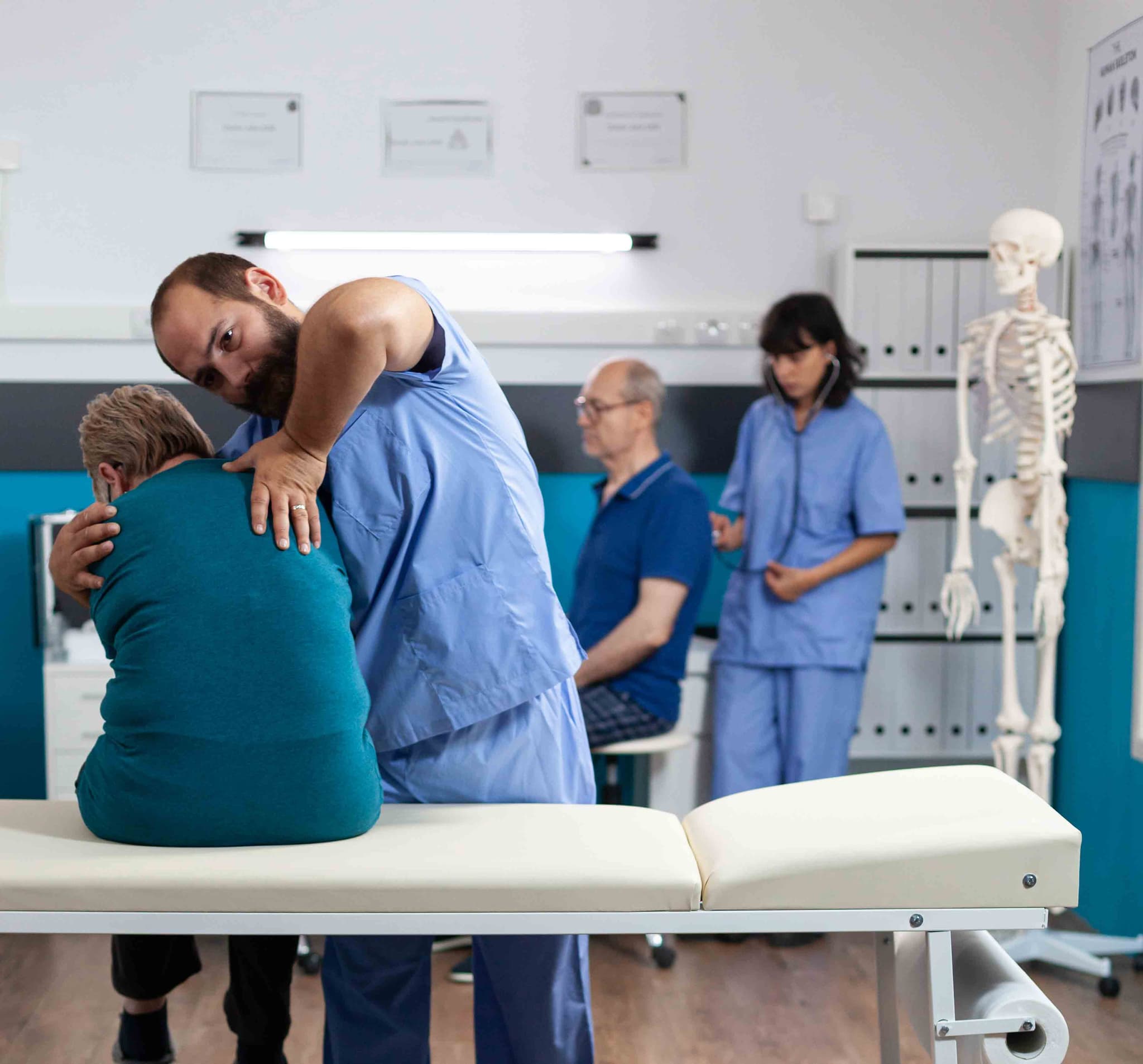
  • Specialized Physiotherapists: Experts in core stability and mechanical back pain who utilize targeted manual therapies to avoid unnecessary surgery.

  • Integrated Care Coordinators: Dedicated points of contact who manage the seamless transition from diagnostic imaging to surgical recovery.

Advanced Navigation and "Nerve-Sparing" Technology

Modern spine care has evolved from traditional "open" procedures toward high-definition, minimally invasive interventions:

  • The O-Arm & Stealth Navigation: A "Surgical GPS" system that provides real-time 3D maps during surgery, allowing for the placement of stabilizing screws with sub-millimeter accuracy.

  • High-Powered Operating Microscopes: Tools that provide 20x magnification, allowing surgeons to remove "slipped" disc fragments through incisions as small as one inch.

  • Intraoperative Neuromonitoring (IOM): A real-time safety "ping" system that monitors the health of the spinal cord and nerves throughout the entire operation.

  • Bio-Compatible Hardware & Artificial Discs: Utilizing titanium scaffolding and motion-preserving implants that mimic natural healthy discs while maintaining flexibility.

  • High-Speed Precision Burrs: Specialized drills used to gently "shave" away bone to relieve pressure on pinched nerves with absolute control.

Specialized Functional and Diagnostic Units

To ensure a total recovery, the department houses several dedicated diagnostic and rehabilitation hubs:

  • The Image-Guided Injection Suite: A sterile environment where specialists use real-time X-rays to perform targeted pain-relief blocks.

  • The Scoliosis & Deformity Clinic: A dedicated area for pediatric and adolescent care, featuring custom orthotic bracing and corrective planning.

  • Spine Rehabilitation Gym: A specialized facility focused on "Core Protection" and rebuilding muscle strength following spinal reconstruction.

  • Advanced Decompression Lab: Utilizing specialized traction systems to relieve mechanical pressure on compressed spinal discs.

  • International Patient Lounge: A private sanctuary where global families can coordinate MRI reviews, surgical bookings, and long-term travel plans.

A Commitment to Motion and Minimal Impact

Our department focuses on "keyhole" techniques to ensure patients regain their mobility with minimal downtime:

  • MISS (Minimally Invasive Spine Surgery): Modern approaches that lead to less muscle damage, reduced pain, and significantly faster hospital discharges.

  • Motion Preservation Philosophy: Prioritizing artificial disc replacements where possible to prevent wear and tear on adjacent spinal segments.

  • Step-by-Step Care Model: An integrated approach that ensures surgery is only recommended after conservative therapies and precision injections have been fully explored.

  • Global Safety Protocols: Strict adherence to international benchmarks for "Log-Rolling" recovery and post-operative protection ensures a successful long-term outcome.

May we help you?

Enter digits only (6-15 digits). We'll add your country code.

Spine Care Treatments

Cervical Discectomy

Cervical Discectomy

Cervical Discectomy is a surgical procedure to remove a herniated or degenerative disc in the neck (cervical spine). It is performed to relieve pressure on the spinal cord or nerve roots, which typically causes neck pain, radiating arm pain (brachialgia), or weakness. By removing the damaged disc, the surgeon creates more space for the neural structures to function properly.

When You Should Consider Cervical Discectomy

  • Radiculopathy: Persistent arm pain, numbness, or "electric shock" sensations that have not improved with 6–12 weeks of conservative therapy.

  • Cervical Myelopathy: Urgent signs of spinal cord compression, such as clumsiness in the hands, loss of fine motor skills, or difficulty walking/balance issues.

  • Failed Conservative Care: When physical therapy, activity modification, and anti-inflammatory medications fail to provide adequate relief.

  • Progressive Weakness: Measurable loss of strength in the arms, shoulders, or grip due to sustained nerve compression.

  • Disc Degeneration: Severe wear and tear that leads to spinal instability or significant narrowing of the spinal canal (stenosis).

Methods of Cervical Discectomy

  • Anterior Cervical Discectomy and Fusion (ACDF): The most common method, reaching the disc from the front of the neck and fusing the vertebrae together for stability.

  • Cervical Disc Replacement (Arthroplasty): Inserting a mechanical artificial disc to maintain neck motion and potentially protect the surrounding discs from extra wear.

  • Posterior Cervical Discectomy: Approaching the disc from the back of the neck, typically used for specific types of "lateral" herniations that do not require a fusion.

  • Minimally Invasive Discectomy: Using specialized retractors and microscopes to minimize tissue damage and speed up recovery time.

  • Hybrid Surgery: A combination of fusion at one level and disc replacement at another for multi-level cervical disease.

How Cervical Discectomy Is Performed

  • Approach: For the common anterior (front) approach, a 2–3 cm horizontal incision is made in a skin fold on the front of the neck.

  • Pathway: The surgeon gently moves the windpipe (trachea) and esophagus to the side to gain a direct view of the front of the spine.

  • Discectomy: The entire damaged disc is removed, and the surgeon uses a microscope to ensure all bone spurs or fragments are cleared from the nerves.

  • Stabilization (ACDF): A bone graft or synthetic cage is placed into the empty disc space. A small titanium plate and screws are usually attached to hold the bones steady.

  • Stabilization (Replacement): A specialized metal and plastic joint is secured into the space to allow for continued flexion, extension, and rotation.

  • Closure: The internal tissues return to their natural positions, and the skin is closed with dissolvable sutures or surgical glue.

Pre-Procedure Preparation

  • Confirmation of the specific disc level (most commonly C5-C6 or C6-C7) using high-resolution MRI and X-ray imaging.

  • Smoking cessation is mandatory for 4–6 weeks prior to surgery; nicotine significantly prevents the bone from fusing and increases the risk of complications.

  • Fasting (NPO) for at least 8 hours prior to the procedure to ensure safety under general anesthesia.

  • Pre-operative screening to ensure the patient can safely tolerate the retraction of the esophagus and neck tissues.

Tests Before Cervical Discectomy

  • Cervical MRI: The gold standard for identifying disc herniations and the degree of spinal cord or nerve root compression.

  • X-rays (Static and Dynamic): Used to assess overall spinal alignment and check for any abnormal movement (instability) between vertebrae.

  • CT Scan: Sometimes required to better visualize "hard" bone spurs (osteophytes) that may be contributing to the compression.

  • Electromyography (EMG): Performed to confirm that the arm symptoms are originating from the neck and not from other sites like the elbow or wrist.

Life After Cervical Discectomy

  • Many patients undergo the procedure as a same-day surgery or require only a single overnight stay for observation.

  • Depending on the surgeon’s preference and the complexity of the case, a soft or hard neck brace may be worn for 2 to 6 weeks.

  • Walking is encouraged immediately after surgery; however, lifting is strictly limited to less than 2–3 kg for the first 6 weeks.

  • Temporary hoarseness or a "lump in the throat" sensation when swallowing is common and usually fades within 2–4 weeks.

  • Driving is typically restricted for 2 weeks or until the patient can comfortably turn their head to check blind spots without pain.

Benefits of Cervical Discectomy

  • Extremely high success rates (over 90–95%) for the permanent relief of radiating arm pain and "electric shock" sensations.

  • Prevents the progression of permanent spinal cord damage and neurological deficits in patients with myelopathy.

  • Restores the ability to perform daily tasks, such as writing, buttoning clothes, and walking, by decompressing the neural pathways.

  • Provides significant stabilization to the neck, reducing the chronic "deep" ache associated with degenerative disc disease.

Intradural Tumor Surgery

Intradural Tumor Surgery

Intradural Tumor Surgery is a highly delicate neurosurgical procedure to remove tumors located inside the dura mater (the tough outer membrane protecting the spinal cord). These tumors are classified as Extramedullary (outside the cord but inside the membrane, like meningiomas) or Intramedullary (growing inside the spinal cord tissue itself). The surgery focuses on preserving neurological function while removing as much of the abnormal growth as possible.

When You Should Consider Intradural Tumor Surgery

  • Spinal Cord Compression: When the tumor’s growth begins to pinch the spinal cord, leading to a loss of coordination or "heaviness" in the limbs.

  • Progressive Weakness: Measurable loss of muscle strength in the arms or legs, or a change in your ability to walk.

  • Sensory Disturbances: Persistent numbness, tingling, or "electric shock" sensations that correlate with a mass seen on imaging.

  • Autonomic Dysfunction: New or worsening issues with bowel or bladder control, which may indicate urgent spinal cord pressure.

  • Radicular Pain: Severe, radiating pain that follows the path of a specific nerve root being compressed by the tumor.

Methods of Intradural Tumor Surgery

  • Microsurgical Resection: The primary method, using a high-powered operating microscope to distinguish between the tumor and the delicate spinal cord tissue.

  • Laminectomy/Laminoplasty: Creating an opening in the back of the spinal column to provide the surgeon access to the dural sac.

  • Myelotomy: A specialized technique for intramedullary tumors where a precise incision is made in the back of the spinal cord to reach the growth inside.

  • Ultrasonic Aspiration (CUSA): Using sound waves to fragment and remove tumor tissue without the physical pulling or tugging associated with traditional tools.

  • Endoscopic-Assisted Surgery: Utilizing tiny cameras in certain cases to provide a better view of the tumor’s "hidden" edges.

[Image showing a microsurgical dural incision and tumor exposure]

How Intradural Tumor Surgery Is Performed

  • Accessing the Dura: A midline incision is made over the tumor site, and a portion of the vertebral bone (lamina) is removed to expose the protective dural membrane.

  • Durotomy: The surgeon carefully opens the dura mater under high magnification to reveal the spinal cord and the tumor.

  • Micro-Dissection: Using specialized micro-instruments, the surgeon gently peels the tumor away from the spinal cord (for extramedullary tumors) or removes it from within the cord (for intramedullary tumors).

  • Neuromonitoring: Throughout the procedure, electrical signals (SSEP and MEP) are monitored to ensure the nerves are not being stressed or injured.

  • Dural Closure: The dura is stitched shut with extremely fine, water-tight sutures. A synthetic patch or surgical "fibrin glue" is often used to prevent any leaks of spinal fluid.

  • Final Closure: The spinal muscles are returned to their natural position, and the skin is closed with sutures or surgical glue.

Pre-Procedure Preparation

  • Diagnostic Imaging: High-resolution MRI both with and without Gadolinium contrast is mandatory to differentiate the tumor from healthy nerve tissue.

  • Anti-Inflammatory Steroids: Patients are often started on Dexamethasone 24–48 hours before surgery to reduce spinal cord swelling and optimize safety.

  • Neuromonitoring Setup: Coordination with a specialized neuro-monitoring team to place electrodes for real-time tracking of nerve signals during the operation.

  • Fasting (NPO): No food or drink for 8–12 hours prior to the procedure to ensure safety under general anesthesia.

Tests Before Intradural Tumor Surgery

  • Contrast-Enhanced MRI: The most critical test to map the tumor’s size, location, and its relationship to the spinal cord.

  • CT Scan: Used to evaluate the bony anatomy and ensure the laminectomy can be performed safely without causing instability.

  • Pre-operative Baseline Neurological Exam: A detailed assessment of motor and sensory function to serve as a benchmark for recovery.

  • Blood Panels: Standard screens to check kidney function (for contrast processing) and ensure proper blood clotting.

Life After Intradural Tumor Surgery

  • Hospital Stay: Typically 3 to 7 days; the first 24 hours are usually spent in a Neuro-ICU for hourly neurological checks.

  • Flat Bed Rest: Depending on the strength of the dural seal, you may be required to lie perfectly flat for 24 to 48 hours to prevent a spinal fluid leak.

  • Rehabilitation: Most patients require 3–6 months of physical therapy. Nerve recovery is a slow process, and strength improvements can continue for up to a year.

  • Sensory Changes: It is common to experience temporary "altered sensation" (tingling or coldness) as the spinal cord adapts to the removal of the pressure.

  • Surveillance: Annual follow-up MRIs are mandatory for several years to ensure the tumor does not recur.

Benefits of Intradural Tumor Surgery

  • Halts Neurological Decline: Effectively stops the progression of paralysis or sensory loss caused by tumor growth.

  • High Cure Rate for Benign Growths: Many intradural tumors, such as schwannomas or meningiomas, can be cured with complete surgical removal.

  • Neurological Recovery: Removing the pressure often allows the spinal cord to heal, restoring strength and coordination over several months.

  • Definitive Diagnosis: Provides the tissue sample needed to determine if further treatments, such as radiation or targeted therapy, are necessary.

Laminectomy

Laminectomy

Laminectomy, often called "decompression surgery," is a major spinal procedure used to relieve pressure on the spinal cord or nerve roots by removing the lamina—the bony arch that forms the back of the spinal canal. By removing this bone and any associated thickened tissue, the surgeon creates significantly more room for the nerves to function without compression.

When You Should Consider Laminectomy

  • Spinal Stenosis: Narrowing of the spinal canal that leads to persistent leg pain, numbness, or a "heavy" feeling in the limbs.

  • Neurogenic Claudication: Difficulty walking or standing for long periods due to leg cramping and weakness that is relieved by sitting or leaning forward.

  • Failed Conservative Management: When symptoms persist despite months of physical therapy, medication, or steroid injections.

  • Nerve Root Compression: Significant pinching of the nerves by bone spurs or thickened ligaments that interferes with daily activity.

  • Progressive Neurological Symptoms: Measurable loss of muscle strength or sensory function in the legs or feet.

Methods of Laminectomy

  • Open Laminectomy: The traditional approach, providing the surgeon with a wide view to decompress multiple levels of the spine.

  • Micro-Laminectomy: A minimally invasive version using smaller incisions and an operating microscope to reduce tissue trauma.

  • Hemilaminectomy: Removing only one side of the lamina to relieve pressure on a specific side while preserving more of the natural bone structure.

  • Laminotomy: Removing only a small portion of the lamina to create a window, rather than removing the entire bony arch.

  • Laminectomy with Fusion: Performing decompression alongside a spinal fusion if there is underlying instability or "slippage" of the vertebrae.

How Laminectomy Is Performed

  • Positioning: The patient is placed face-down (prone) on a specialized surgical frame to allow the spine to flex and open the spaces between vertebrae.

  • Incision: A midline incision (usually 2–5 inches long) is made over the affected area of the spine.

  • Exposure: The surgeon detaches the back muscles from the bone to access the posterior elements of the vertebrae.

  • Bone Removal: Using specialized tools like rongeurs or high-speed drills, the surgeon removes the lamina and the spinous process (the bony bump on the back).

  • Decompression: Thickened ligaments (ligamentum flavum) and bone spurs are removed to ensure the spinal cord and nerves can "breathe" within the enlarged canal.

  • Closure: The muscles are sewn back into place, and the skin is closed with stitches, staples, or surgical glue.

Pre-Procedure Preparation

  • Diagnostic mapping via MRI to identify the exact levels of compression (e.g., L3-L4, L4-L5) and X-rays to assess spinal stability.

  • Blood thinners (like aspirin or clopidogrel) must be stopped 5–7 days prior to surgery to prevent the risk of bleeding in the spinal canal.

  • Fasting (NPO) for 8–12 hours before the procedure to ensure safety under general anesthesia.

  • Discussion of the recovery phase and the specialized "No BLT" movement restrictions that will be required.

Tests Before Laminectomy

  • Lumbar or Cervical MRI: The primary test to visualize the nerves and determine the exact location and severity of the narrowing.

  • X-rays (Flexion/Extension): Used to check if the spine is "wobbly" or if one bone is sliding over another (spondylolisthesis).

  • CT Myelogram: Sometimes used if an MRI is not possible, providing a detailed look at the space around the spinal cord using contrast dye.

  • Electrodiagnostic Studies (EMG): Performed to confirm that the leg or arm symptoms are caused by the spinal blockage rather than other nerve issues.

Life After Laminectomy

  • Hospital stays typically range from 1 to 3 days, though micro-procedures may be performed on a same-day basis.

  • Patients are required to stand and walk within 4–6 hours of surgery to promote circulation and prevent blood clots.

  • The "No BLT" Rule: For 6 weeks post-op, you must strictly avoid Bending at the waist, Lifting anything over 3kg, and Twisting the spine.

  • Stitches or staples are usually removed at 10–14 days, and the incision must be kept dry for the first 5 days.

  • Physical therapy usually begins at the 4–6 week mark to rebuild "core" strength and stabilize the back muscles.

Benefits of Laminectomy

  • Over 80% of patients report immediate and significant relief from radiating leg pain and cramping.

  • Dramatically increases walking distance and the ability to stand comfortably for longer periods.

  • Halts the progression of nerve damage that could otherwise lead to permanent weakness or muscle wasting.

  • Restores the ability to engage in daily activities and hobbies that were previously hindered by spinal stenosis.

Minimally Invasive Spine Surgery (MISS)

Minimally Invasive Spine Surgery (MISS)

Minimally Invasive Spine Surgery (MISS) is an advanced surgical approach used to treat spinal conditions—such as herniated discs or spinal stenosis—through significantly smaller incisions than traditional "open" surgery. The primary objective is to achieve the same clinical results while minimizing trauma to the surrounding muscles and tissues, leading to faster recovery and less post-operative pain.

When You Should Consider Minimally Invasive Spine Surgery

  • Herniated Discs: For procedures like a lumbar discectomy to relieve nerve pressure.

  • Spinal Stenosis: When a laminotomy or foraminotomy is required to enlarge the spinal canal or nerve exit points.

  • Spinal Instability: For spinal fusions (such as TLIF or XLIF) that require hardware stabilization.

  • Failed Conservative Care: When months of physical therapy and injections have failed to resolve chronic radiating pain.

  • Desire for Faster Recovery: For patients who wish to return to work and daily activities more quickly with less reliance on heavy pain medication.

Methods of Minimally Invasive Spine Surgery

  • Tubular Retraction: Using a series of dilating tubes to stretch muscle fibers apart rather than cutting them from the bone.

  • Endoscopic Spine Surgery: Utilizing a tiny camera (endoscope) through a "keyhole" incision to visualize the spinal anatomy on a high-definition monitor.

  • Microscopic MISS: Operating through a tubular retractor using a high-powered surgical microscope for enhanced lighting and 3D depth perception.

  • Percutaneous Hardware Placement: Inserting screws and rods through small skin punctures using real-time X-ray (fluoroscopy) or robotic guidance.

  • Lateral Access (XLIF/LLIF): Reaching the spine through the side of the body to avoid the major back muscles and the spinal canal.

How Minimally Invasive Spine Surgery Is Performed

  • Precision Mapping: Surgeons use pre-operative MRI or CT scans to create a precise "map" for the entry point, as the view during surgery is focused on a small area.

  • Keyhole Incision: Instead of a long midline incision, one or more small (1–2 cm) incisions are made over the target area.

  • Muscle Dilation: A thin guide wire is inserted, followed by progressively larger "tubular retractors" that gently push muscle fibers aside to create a tunnel to the spine.

  • Decompression or Repair: Using specialized long-handled miniature tools, the surgeon removes bone spurs or disc fragments through the tube.

  • Hardware Insertion (if needed): If a fusion is being performed, screws and rods are guided into place using robotic navigation or fluoroscopy through the same small ports.

  • Tube Removal: Once the repair is complete, the tube is withdrawn, and the muscle fibers naturally fall back into their original position.

  • Closure: The tiny skin incisions are closed with a single stitch or surgical glue, requiring only a small bandage.

Pre-Procedure Preparation

  • Diagnostic confirmation via MRI or CT scan to ensure the surgical plan is tailored to the specific nerve compression site.

  • Fasting (NPO) for 8–12 hours prior to the procedure to ensure safety under anesthesia.

  • Smoking cessation is critical, particularly if a fusion is planned, as nicotine restricts blood flow and prevents the bone from growing and healing.

  • Pre-operative physical assessment to ensure the patient is a candidate for a same-day or outpatient surgical procedure.

Tests Before Minimally Invasive Spine Surgery

  • High-Resolution MRI: To provide a detailed view of the soft tissues and the exact location of the disc herniation or stenosis.

  • CT Scan with 3D Reconstruction: Often used for surgical planning, especially when robotic navigation is being utilized for hardware placement.

  • X-ray (Flexion/Extension): To assess for any underlying spinal instability that might require a fusion instead of a simple decompression.

  • Blood Panels: To check for clotting factors and overall health markers before undergoing general anesthesia.

Life After Minimally Invasive Spine Surgery

  • Hospital Stay: Frequently performed as an outpatient (same-day) procedure; patients often go home within 3–4 hours of waking up.

  • Pain Management: Patients typically experience significantly less muscle soreness and have a lower requirement for opioid painkillers than open surgery.

  • Mobilization: Walking is encouraged almost immediately—often within 2 hours of the procedure—to promote circulation.

  • Recovery Timeline: Most patients return to desk work within 1–2 weeks and can begin light exercise by 4–6 weeks post-op.

  • Wound Care: The small incisions must be kept dry for the first few days, but they generally heal very quickly with minimal scarring.

Benefits of Minimally Invasive Spine Surgery

  • Reduced Tissue Trauma: By stretching rather than cutting muscles, the body heals much faster with less internal scarring.

  • Lower Infection Rates: Smaller incisions and less exposure of internal tissues to the environment significantly reduce the risk of post-operative infection.

  • Minimal Blood Loss: Many procedures result in less than a tablespoon of blood loss, virtually eliminating the need for transfusions.

  • Equal Clinical Outcomes: Long-term studies show that MISS is just as effective as traditional open surgery for pain relief and functional improvement.

Pedicle Screw Fixation

Pedicle Screw Fixation

Pedicle Screw Fixation is a major surgical procedure used to stabilize the spine by inserting specialized screws into the pedicles—the strongest, thickest parts of the vertebral bone. These screws act as permanent "anchor points" for metal rods that hold the spine in a fixed position, providing the necessary stability for a successful spinal fusion.

When You Should Consider Pedicle Screw Fixation

  • Spinal Instability: When vertebrae move excessively or abnormally, causing chronic pain or risk of nerve damage.

  • Severe Fractures: To stabilize a broken vertebra and protect the spinal cord while the bone heals.

  • Scoliosis or Kyphosis: To provide the mechanical leverage needed to straighten and hold the spine in a corrective alignment.

  • Spondylolisthesis: When one vertebra has slipped forward over another, requiring the bones to be pulled back into place and locked.

  • Multi-Level Fusion: For extensive degenerative disease where multiple segments of the spine need to be joined into a single, solid unit.

Methods of Pedicle Screw Fixation

  • Open Fixation: The traditional approach involving a midline incision, giving the surgeon a direct and wide view of the bony anatomy.

  • Minimally Invasive (Percutaneous) Fixation: Inserting screws through small "keyhole" skin punctures using specialized guidance, which reduces muscle trauma.

  • Robotic-Assisted Fixation: Utilizing a robotic arm to guide the drill and screw into the pedicle with sub-millimeter precision based on a pre-operative CT map.

  • Computer-Navigated Fixation: Using real-time 3D "GPS-like" technology to track surgical instruments in relation to the patient's anatomy.

  • Fluoroscopic Guidance: Using continuous, real-time X-ray imaging during the procedure to verify the angle and depth of each screw.

How Pedicle Screw Fixation Is Performed

  • Identification: Using real-time imaging or robotic navigation, the surgeon identifies the "entry point" on the pedicle, the narrow bridge of bone connecting the front and back of the vertebra.

  • Drilling & Tapping: A small pilot hole is drilled through the pedicle and into the vertebral body. The hole is then "tapped" (threaded) to ensure the screw fits securely.

  • Screw Insertion: Permanent titanium or stainless steel screws are driven deep into the bone. Typically, two screws are placed in each vertebra (one on each side).

  • Rod Placement: Once all levels are instrumented, a metal rod is contoured and dropped into the "heads" of the screws.

  • Final Locking: "Set screws" are tightened into the screw heads to lock the rod in place, creating a rigid internal scaffold.

  • Bone Grafting: Small pieces of bone are packed around the hardware to stimulate the growth of a permanent bone bridge (fusion).

Pre-Procedure Preparation

  • Precision Mapping: Mandatory high-resolution CT scans or 3D X-rays are used to measure the exact width and angle of the pedicles, which vary significantly between patients.

  • Medication Adjustment: Blood thinners (such as aspirin or clopidogrel) must be stopped 5–7 days prior to prevent bleeding in the spinal canal.

  • Fasting (NPO): No food or drink for 8–12 hours before the procedure to ensure safety under general anesthesia.

  • Neuromonitoring Setup: Preparation for intra-operative electrical monitoring of the nerves in the legs to ensure safety during screw placement.

Tests Before Pedicle Screw Fixation

  • Thin-Cut CT Scan: Provides the most accurate measurement of the "pedicle diameter" to help the surgeon select the correct screw size.

  • MRI Scan: Used to visualize the proximity of the spinal cord and nerve roots to the planned screw path.

  • Bone Density Scan (DEXA): To ensure the bone is strong enough to hold the screws; in patients with osteoporosis, the screws may require specialized cement "augmentation."

  • Blood Panels: Routine screens to assess kidney function and clotting factors before a major surgical intervention.

Life After Pedicle Screw Fixation

  • Hospital Stay: Typically ranges from 2 to 5 days, depending on the complexity of the fusion.

  • Early Mobilization: Patients are encouraged to stand and take a few steps within 24 hours to prevent blood clots and promote recovery.

  • The "No BLT" Rule: For 3 to 6 months, you must strictly avoid Bending at the waist, Lifting anything over 2–4kg, and Twisting the spine.

  • Bracing: Many patients are required to wear a TLSO (hard plastic brace) for 6–12 weeks whenever they are out of bed to protect the hardware.

  • Hardware Status: The screws and rods are intended to stay in the body forever and are rarely removed unless they cause irritation or become infected.

Benefits of Pedicle Screw Fixation

  • Immediate Internal Stability: Provides a rigid structure that allows patients to move and walk much sooner than bone grafting alone would permit.

  • High Fusion Success Rate: Fixation achieves a solid bone bridge in over 90% of cases by preventing any micro-motion at the surgical site.

  • Corrective Power: Allows surgeons to mechanically realign a curved or slipped spine, restoring a more natural posture.

  • Neurological Protection: By locking the spine in place, it prevents the "shifting" that can lead to chronic nerve pinching or spinal cord injury.

  • Durable Support: Provides a lifelong permanent scaffold for the stabilized spinal segments.

Slip Disc (Lumbar Discectomy)

Slip Disc (Lumbar Discectomy)

Lumbar Discectomy is a surgical procedure to remove the fragmented or protruding portion of a herniated disc (slip disc) that is compressing a spinal nerve. It is most commonly performed in the lower back (lumbar spine) to relieve radiating leg pain, known as sciatica, by decompressing the affected nerve root.

When You Should Consider Lumbar Discectomy

  • Failed Conservative Treatment: When 6–12 weeks of physical therapy, NSAIDs, or steroid injections fail to provide relief.

  • Radiculopathy (Sciatica): Severe, radiating pain, numbness, or weakness that travels down the leg and into the foot.

  • Neurological Deficit: Progressive muscle weakness or a "foot drop" caused by sustained nerve compression.

  • Cauda Equina Syndrome: An emergency condition involving loss of bowel or bladder control or "saddle anesthesia" (numbness in the groin).

  • Significant Functional Impairment: When back and leg pain prevents the performance of basic daily activities or work.

Methods of Lumbar Discectomy

  • Microdiscectomy (Gold Standard): Using a high-powered operating microscope to minimize the incision size and improve visualization of the nerve.

  • Endoscopic Discectomy: An ultra-minimally invasive technique using a tiny camera and specialized tools inserted through a small tube.

  • Laminotomy/Laminectomy: Removing a small portion of the vertebral bone (lamina) to create a window to access the spinal canal.

  • Tubular Retractor Discectomy: Using a series of dilating tubes to part the muscles rather than cutting them, reducing post-operative soreness.

  • Sequestrectomy: Removing only the free-floating disc fragment without entering the main disc space, which may reduce the risk of future collapse.

How Lumbar Discectomy Is Performed

  • Positioning: The patient is placed face down on a specialized surgical frame that opens the spaces between the vertebrae.

  • Incision: A small 2–3 cm midline incision is made in the lower back directly over the level of the herniation (most commonly L4-L5 or L5-S1).

  • Exposure: The surgeon moves the spinal muscles aside and removes a small amount of ligament and bone to view the spinal canal.

  • Nerve Protection: The compressed nerve root is gently retracted to one side to expose the herniated disc material underneath.

  • Fragment Removal: The surgeon identifies the "jelly-like" protrusion and removes it. The healthy portion of the disc is left intact to serve as a shock absorber.

  • Closure: The muscles return to their original position, and the skin is closed with dissolvable stitches and surgical glue.

Pre-Procedure Preparation

  • Confirmation of the herniation level via MRI to ensure the surgical site matches the patient's clinical symptoms.

  • Smoking cessation is mandatory for several weeks prior, as nicotine restricts blood flow to the spine and significantly hinders healing.

  • Fasting (NPO) for 8–12 hours before the procedure to ensure safety during general anesthesia.

  • Discussion of the "BLT" (Bending, Lifting, Twisting) restrictions that will be required immediately following the surgery.

Tests Before Lumbar Discectomy

  • Lumbar MRI: The primary diagnostic tool used to visualize the disc herniation and its relationship to the nerve roots.

  • X-ray (Flexion/Extension): Performed to ensure there is no underlying spinal instability or "slipped" vertebrae (spondylolisthesis).

  • Electromyography (EMG): Occasionally used to confirm which specific nerve is being damaged and to assess the severity of the nerve injury.

  • Blood Panels: Routine screens to ensure the patient is fit for anesthesia and has no signs of active infection.

Life After Lumbar Discectomy

  • Most procedures are performed as same-day (outpatient) surgeries or require only a single overnight stay.

  • Patients are encouraged to stand and walk within 4 hours of waking up to promote circulation and prevent stiffness.

  • The "BLT" Rule: For the first 6 weeks, you must strictly avoid Bending at the waist, Lifting anything over 2kg, and Twisting the spine.

  • Incisions must be kept dry for the first 3–5 days; stitches are usually dissolvable and do not require removal.

  • Physical therapy typically begins around the 6-week mark to strengthen the core and multifidus muscles that support the spine.

Benefits of Lumbar Discectomy

  • Over 90% of patients report immediate and dramatic relief from radiating leg pain (sciatica).

  • Minimally invasive techniques allow for smaller scars, less muscle damage, and a faster return to daily life.

  • Prevents permanent nerve damage by removing the source of chronic compression and inflammation.

  • Restores the ability to perform physical activities, work, and exercise without the limitation of debilitating leg pain.

Spinal Decompression Surgery

Spinal Decompression Surgery

Spinal Decompression Surgery is a general term for various procedures performed to relieve pressure on the spinal cord or nerve roots. It is most commonly used to treat Spinal Stenosis (narrowing of the spinal canal) caused by bone spurs, thickened ligaments, or bulging discs, allowing the neural structures to function without compression.

When You Should Consider Spinal Decompression Surgery

  • Neurogenic Claudication: Leg pain, heaviness, or cramping that occurs when walking or standing and is relieved by sitting or leaning forward.

  • Radiculopathy: Shooting pain, numbness, or "pins and needles" that radiates into the arms or legs due to a pinched nerve.

  • Failed Conservative Care: When physical therapy, activity modification, and epidural steroid injections fail to improve quality of life after 3–6 months.

  • Progressive Weakness: Measurable loss of motor function, such as a weakened grip or a "foot drop," indicating severe nerve compromise.

  • Spinal Stenosis: Diagnostic confirmation of a narrowed spinal canal that correlates with the patient's physical limitations and pain patterns.

Methods of Spinal Decompression

  • Laminectomy: The "gold standard" procedure where the entire bony arch (lamina) at the back of the vertebra is removed to create significant room for the spinal cord.

  • Laminotomy: A less invasive approach where only a small portion of the lamina is removed, creating a "window" to access a specific pinched nerve.

  • Foraminotomy: Enlarging the "exit holes" (foramina) where the nerve roots leave the spinal canal to relieve localized compression.

  • Discectomy: Removing the specific portion of a herniated disc that is pressing directly against a spinal nerve.

  • Corpectomy: An extensive procedure where a portion of the vertebral body and adjacent discs are removed to decompress the spinal cord across a larger area.

How Spinal Decompression Surgery Is Performed

  • Positioning: The patient is placed face down (prone) on a specialized surgical frame that minimizes pressure on the abdomen and helps open the spinal spaces.

  • Incision: A midline incision is made over the affected area of the spine. The length of the incision depends on how many levels of the spine require decompression.

  • Muscle Retraction: The spinal muscles are gently moved aside to expose the bony elements of the vertebrae.

  • Bone and Ligament Removal: The surgeon carefully removes the bone spurs (osteophytes), thickened ligaments, or portions of the lamina that are encroaching on the spinal canal.

  • Nerve Inspection: The surgeon uses magnification to ensure the nerve roots are completely free and "floating" within the newly enlarged space.

  • Closure: The muscles are allowed to return to their natural position, and the incision is closed with sutures, staples, or surgical glue.

Pre-Procedure Preparation

  • Confirmation of the degree of narrowing via high-resolution MRI or CT Myelogram to plan the exact surgical levels.

  • Smoking cessation is mandatory for at least 4 weeks prior to surgery, as nicotine significantly hinders bone and tissue healing and increases the risk of infection.

  • Fasting (NPO) for 8–12 hours before the procedure to ensure safety under general anesthesia.

  • Evaluation of spinal stability via X-rays to determine if a fusion might be necessary in addition to the decompression.

Tests Before Spinal Decompression Surgery

  • Lumbar or Cervical MRI: The primary diagnostic tool used to visualize the soft tissues, nerves, and the extent of the canal narrowing.

  • X-rays (Flexion/Extension): Used to check for spinal instability, such as one vertebra sliding over another (spondylolisthesis).

  • CT Scan: Provides detailed images of the bony structures, which is helpful for mapping out dense bone spurs or ligament calcification.

  • Electrodiagnostic Studies (EMG/NCS): Performed to confirm that the symptoms are caused by spinal compression rather than peripheral nerve issues like diabetes or carpal tunnel.

Life After Spinal Decompression Surgery

  • Hospital stays vary from same-day discharge for simple procedures to 2–4 days for multi-level laminectomies.

  • Patients are encouraged to stand and walk within 4–6 hours of surgery to promote circulation and prevent complications like blood clots or pneumonia.

  • The "BLT" Restrictions: For the first 6 weeks, patients must strictly avoid Bending at the waist, Lifting anything over 3-5kg, and Twisting the spine.

  • Physical therapy typically begins 4–6 weeks post-operatively to strengthen the core and back muscles that support the spine.

  • While leg or arm pain often improves dramatically and quickly, the surgical site may remain sore for several weeks during the healing process.

Benefits of Spinal Decompression Surgery

  • Over 80% of patients experience a significant reduction in radiating limb pain and an improved ability to walk longer distances.

  • Effectively halts the progression of neurological damage, such as permanent numbness or muscle wasting.

  • Restores the ability to engage in daily activities, hobbies, and work that were previously limited by spinal stenosis symptoms.

  • Provides a durable, long-term solution for mechanical compression that does not respond to non-surgical interventions.

Spinal Fusion Surgery

Spinal Fusion Surgery

Spinal Fusion is a major surgical procedure designed to permanently connect two or more vertebrae, eliminating painful motion between them. The procedure is characterized by Minimally Invasive Spine Surgery (MISS) and robotic assistance, utilizing bone grafts and high-precision hardware to create a solid bone mass. This approach aims to stabilize the structural integrity of the spine while protecting the surrounding nerves and musculature.

When You Should Consider Spinal Fusion

  • Chronic Pain: Debilitating back or neck pain that has not responded to physical therapy, medications, or injections.

  • Neurological Symptoms: Persistent numbness, tingling, or weakness in the arms or legs caused by sustained nerve compression.

  • Mechanical Instability: Significant pain that worsens with specific movements, such as bending, twisting, or lifting.

  • Spinal Deformity: Visible curvature or a sensation of the spine "slipping," often associated with structural instability.

  • Functional Limitation: Difficulty standing or walking for extended periods due to structural spinal narrowing or collapse.

  • Trauma or Tumor: Severe pain or instability following a spinal fracture or the surgical removal of a spinal tumor.

Conditions That Require Specialized Care

  • Degenerative Disc Disease: Where worn-out discs cause painful friction and micro-motion between vertebrae.

  • Spondylolisthesis: A condition where one vertebra slips forward over the one below it, potentially pinching nerves.

  • Spinal Stenosis: Resulting in the narrowing of the spinal canal and significant nerve pressure.

  • Scoliosis or Kyphosis: Involving abnormal curvatures of the spine that require corrective alignment and stabilization.

  • Pseudoarthrosis: A condition where a previous fusion attempt failed to heal into a solid bone mass.

Methods of Spinal Fusion

  • Minimally Invasive Spine Surgery (MISS): Techniques that use tubular retractors to spread muscles rather than cutting them, reducing blood loss and recovery time.

  • Robotic-Assisted Fusion: The use of advanced guidance systems to ensure screws and rods are placed with sub-millimeter accuracy.

  • Anterior Lumbar Interbody Fusion (ALIF): Accessing the spine through the abdomen to provide a large surface area for the fusion cage.

  • Lateral Interbody Fusion (XLIF/LLIF): A side-access approach that avoids major back muscles and the spinal canal, often allowing for faster mobilization.

  • Posterior Lumbar Interbody Fusion (PLIF): The traditional approach from the back, offering the most direct access to compressed nerves and the spinal canal.

  • Transforaminal Lumbar Interbody Fusion (TLIF): An evolution of the posterior approach that accesses the disc space from a more lateral angle to reduce nerve retraction.

How Spinal Fusion Is Performed

  • Surgical Mapping: Digital mapping or Augmented Reality (AR) is used to project the patient's internal anatomy for the surgeon.

  • Access: Minimally invasive incisions are made to reach the spine from the most appropriate clinical angle (front, back, or side).

  • Disc Removal: The intervertebral disc or damaged bone is removed to decompress nerves and create space for the fusion.

  • Cage Insertion: A "cage" or spacer filled with bone graft material is inserted between the vertebrae to stimulate bone growth.

  • Hardware Stabilization: Robotic arms often assist in the precise placement of pedicle screws and rods to hold the vertebrae steady while they fuse.

  • Biological Stimulation: Bone Morphogenetic Proteins (BMP) or specialized bone grafts are applied to accelerate the natural bone-healing process.

Pre-Procedure Preparation

  • Smoking Cessation: Patients must commit to a strict no-nicotine program, as smoking significantly increases the risk of fusion failure (non-union).

  • Pre-habilitation: Strengthening "core" stabilizer muscles through directed physical therapy to support the spine post-operatively.

  • Home Setup: Coordinate a "home recovery station" to avoid the need for bending, lifting, or twisting during the initial healing phase.

  • Bone Health Optimization: Undergo a bone density scan (DEXA) to ensure the vertebrae are strong enough to support surgical hardware.

  • Bracing Consultation: Discuss the use of a post-operative back brace with the surgical team to ensure proper fitting and sizing.

Tests Before Spinal Fusion Surgery

  • Standing X-rays and MRI: Used to identify the exact source of nerve compression and the degree of mechanical instability.

  • High-resolution CT Scan: Essential for 3D surgical planning and robotic navigation mapping.

  • Electrocardiogram (EKG): Along with comprehensive blood panels to confirm cardiovascular readiness for a major procedure.

  • Neurological Baseline Testing: Measuring nerve conduction and muscle strength to provide a comparison for post-operative recovery.

  • DEXA Scan: To evaluate the quality of the "host bone" for successful graft integration and hardware stability.

Life After Spinal Fusion Surgery

  • Immediate Recovery: Hospital stays typically last 1 to 3 days, with an emphasis on early, assisted walking to prevent blood clots.

  • The "No BLT" Rule: For the first 3 to 6 months, patients must strictly avoid Bending at the waist, Lifting over 3kg, and Twisting the spine.

  • Bracing: Wear a customized back brace as prescribed to maintain spinal alignment during the critical fusion window.

  • Phased Physical Therapy: Focusing on core stabilization and safe movement patterns once the initial bone healing is confirmed.

  • Long-term Monitoring: Routine follow-up imaging (X-rays or CT) is required to confirm the success of the bone bridge across the joint.

  • Activity Resumption: Gradual return to a more active lifestyle once the vertebrae have fused into a single, solid, and stable bone mass.

Benefits of Spinal Fusion Surgery

  • Significant Pain Reduction: Achieves a 70% to 90% success rate for patients with chronic instability-related pain.

  • Enhanced Precision: Utilizes AR and robotic technology to make surgery safer and more accurate than traditional "freehand" methods.

  • Neurological Protection: Stabilizes the spine to prevent further nerve injury or progressive physical deformity.

  • Accelerated Healing: Stimulates the body's natural recovery using bio-engineered proteins for faster bone growth.

  • Permanent Stability: Eliminates the painful micro-motion that causes chronic inflammation and structural wear.

Spinal Tumor Removal

Spinal Tumor Removal

Spinal Tumor Removal is a complex procedure to remove abnormal growths from the spinal canal or the vertebrae. The primary goals are to decompress the spinal cord, stabilize the spine, and obtain a tissue sample (biopsy) to determine if the tumor is benign or malignant. By removing or debulking the mass, the surgeon aims to preserve neurological function and restore the structural integrity of the spinal column.

When You Should Consider Spinal Tumor Removal

  • Spinal Cord Compression: When a tumor is pressing on the cord, causing progressive weakness, numbness, or loss of coordination.

  • Intractable Pain: Severe, localized back pain that does not respond to medication and often worsens at night or when lying down.

  • Neurological Deficits: Loss of bladder or bowel control, difficulty walking, or radiating pain in the arms or legs.

  • Pathological Fracture Risk: When a tumor has eaten away enough of the vertebral bone to make the spine unstable or prone to collapse.

  • Need for Diagnosis: To obtain a tissue sample to guide further cancer treatments like targeted radiation or chemotherapy.

Classifications of Spinal Tumors

  • Intradural-Intramedullary: Tumors that grow inside the actual tissue of the spinal cord (e.g., astrocytomas or ependymomas).

  • Intradural-Extramedullary: Tumors that grow inside the protective sac (dura) but outside the spinal cord itself (e.g., meningiomas or schwannomas).

  • Extradural: Tumors located outside the dura, usually within the bones of the vertebrae (most common in metastatic cancers).

How Spinal Tumor Removal Is Performed

  • Microsurgical Access: A midline incision is made over the tumor site, and a laminectomy (removing the back of the vertebrae) is performed to reach the spinal canal.

  • Durotomy: If the tumor is inside the protective sac, the surgeon uses an operating microscope to make a precise incision in the dura mater.

  • Ultrasonic Aspiration: Surgeons often use a CUSA (Cavitron Ultrasonic Surgical Aspirator), which uses sound waves to fragment and vacuum out the tumor without pulling on delicate nerves.

  • Tumor Resection: * Benign Tumors: The goal is usually "gross total resection" (complete removal).
    Malignant Tumors: If the tumor is wrapped around vital nerves, a "subtotal resection" (partial removal) may be performed to avoid causing paralysis.

  • Stabilization: If the tumor or the surgery has destroyed significant bone, pedicle screws and rods are installed to prevent the spine from collapsing.

  • Neuromonitoring: Throughout the surgery, electrical signals (SSEP/MEP) are monitored in the limbs to ensure the spinal cord remains safe.

[Image showing microscopic resection of an intradural tumor]

Pre-Procedure Preparation

  • High-Dose Steroids: Patients often receive Dexamethasone for 24–48 hours before surgery to reduce spinal cord swelling and inflammation.

  • Diagnostic Mapping: High-resolution MRI with Contrast is used to visualize the tumor’s relationship to nerve roots and the spinal cord.

  • Systemic Screening: PET or CT scans may be used to determine if the spinal tumor has spread from a primary site elsewhere in the body.

  • Fasting (NPO): No food or drink for 8–12 hours prior to the procedure to ensure safety under general anesthesia.

Tests Before Spinal Tumor Removal

  • MRI with Contrast: The gold standard for seeing the exact borders of the tumor and its vascularity.

  • CT Scan: Best for assessing how much of the vertebral bone has been destroyed or weakened by the growth.

  • PET Scan: Used to check for other tumor sites in the body if the spinal mass is suspected to be metastatic.

  • Neurological Baseline: A comprehensive exam to document muscle strength and sensation before surgery for post-operative comparison.

Life After Spinal Tumor Removal

  • Hospital Stay: Typically 3 to 7 days; patients often spend the first 24 hours in a Neuro-ICU for close monitoring.

  • Immediate Recovery: Mobilization depends on the patient's neurological status, but sitting up and walking with assistance is encouraged as soon as possible.

  • Pain Management: A combination of patient-controlled analgesia (PCA) and specialized nerve pain medications (like Gabapentin) is common.

  • Follow-up Adjuvant Therapy: If the tumor was malignant, radiation or chemotherapy typically begins 4 to 6 weeks after the surgical wound has fully healed.

  • Long-Term Surveillance: Regular MRI scans (every 3–6 months initially) are mandatory to ensure the tumor does not return.

Benefits of Spinal Tumor Removal

  • Preserves Mobility: Decompressing the spinal cord can prevent permanent paralysis and restore the ability to walk.

  • Significant Pain Relief: Removing the mass that is stretching the dura or compressing nerves provides major relief from localized and radiating pain.

  • Structural Stability: Fusion and hardware placement restore the spine's ability to support weight and maintain alignment.

  • Information for Treatment: Provides a definitive diagnosis, allowing oncologists to tailor the best possible follow-up cancer therapies.

Spine Fracture Fixation

Spine Fracture Fixation

Spinal Fracture Fixation is a major surgical procedure used to stabilize a broken vertebra (backbone) to protect the spinal cord and prevent deformity. It is primarily performed for "unstable" fractures caused by high-impact trauma, such as car accidents or falls, or for "pathological" fractures resulting from osteoporosis or cancer. By utilizing metal hardware or medical-grade cement, the procedure aims to restore the structural integrity of the spinal column.

When You Should Consider Spinal Fracture Fixation

  • Unstable Fractures: When the break is severe enough that the spine can no longer support the body's weight or maintain alignment.

  • Neurological Threat: If bone fragments are pressing on or have entered the spinal canal, risking damage to the spinal cord or nerve roots.

  • Progressive Deformity: To correct or prevent a "hunchback" deformity (kyphosis) caused by a collapsing vertebra.

  • Intractable Pain: When a compression fracture causes debilitating pain that does not respond to bracing or medication.

  • Pathological Risk: To stabilize a vertebra weakened by tumors or severe osteoporosis before a complete collapse occurs.

Methods of Spinal Fracture Fixation

  • Open Reduction and Internal Fixation (ORIF): The traditional approach where an incision is made to manually realign the bones and secure them with screws and rods.

  • Kyphoplasty: A minimally invasive procedure where a balloon is inflated inside a compressed vertebra to restore height before injecting bone cement.

  • Vertebroplasty: Injecting medical-grade bone cement directly into a fractured vertebra to "glue" the cracks and provide immediate stability.

  • Percutaneous Pedicle Screw Fixation: A minimally invasive technique where screws are inserted through small skin punctures using robotic or X-ray guidance.

  • Decompression and Fusion: Removing bone fragments that are pinching the spinal cord (decompression) and then joining the vertebrae together (fusion).

How Spinal Fracture Fixation Is Performed

  • Real-Time Imaging: The surgeon uses Fluoroscopy (live X-ray) or 3D navigation to visualize the fracture and plan the exact placement of hardware.

  • Hardware Placement: For trauma cases, titanium pedicle screws are drilled into the healthy vertebrae above and below the break.

  • Internal Splinting: Two metal rods are contoured and connected to the screws, acting as a permanent internal splint to hold the spine rigid.

  • Bone Grafting: Small pieces of bone (graft) are placed over the stabilized area to stimulate the vertebrae to grow together into one solid mass.

  • Cement Injection (for Compression): In kyphoplasty or vertebroplasty, a needle is guided into the bone, and polymethylmethacrylate (PMMA) cement is injected to stabilize the fracture.

  • Neuromonitoring: Throughout the procedure, electrical signals in the limbs are monitored to ensure the spinal cord remains safe while hardware is being installed.

Pre-Procedure Preparation

  • Stabilization: Trauma patients often remain on "log-roll" precautions (moving the body as a single unit) and wear a rigid brace until the moment of surgery.

  • Diagnostic Mapping: Extensive imaging via CT Scan (to see bone fragments) and MRI (to assess ligament and spinal cord health).

  • Fasting (NPO): No food or drink for 8–12 hours prior to the procedure to ensure safety under general anesthesia.

  • Surgical Fitting: Measurement for a custom-fitted TLSO (hard plastic brace) that will be required immediately after the surgery.

Tests Before Spinal Fracture Fixation

  • CT Scan: Provides the most detailed 3D view of the bony architecture and the specific pattern of the break.

  • MRI Scan: Essential for checking the "soft tissues," including the spinal cord, discs, and the ligaments that hold the spine together.

  • Dynamic X-rays: Taken in different positions to check if the fracture site moves or "slides" when the patient shifts weight.

  • Blood Panels: Routine screens to assess for blood loss, infection, and readiness for a potentially long surgical procedure.

Life After Spinal Fracture Fixation

  • Hospital Stay: Typically ranges from 3 to 7 days, depending on the severity of the trauma and the patient's mobility.

  • Early Mobilization: Walking with assistance is encouraged within 24 hours to prevent blood clots and keep the lungs clear.

  • Bracing Requirements: Many patients must wear a custom-fitted TLSO brace whenever they are out of bed for 6 to 12 weeks.

  • The "No BLT" Rule: Strict avoidance of Bending, Lifting (over 2kg), and Twisting for at least 3 months to allow the bone to heal.

  • Healing Timeline: It takes 3 to 6 months for the bone graft to fully "knit" the vertebrae together into a solid fusion.

Benefits of Spinal Fracture Fixation

  • Prevents Paralysis: Stabilizing the spine immediately protects the spinal cord from further injury caused by moving bone fragments.

  • Pain Reduction: Provides a solid internal structure that eliminates the "grinding" and mechanical pain associated with a broken vertebra.

  • Deformity Correction: Restores the natural alignment of the spine, preventing a permanent "hunchback" posture.

  • Early Return to Mobility: Hardware provides enough immediate stability to allow patients to sit up and walk much sooner than traditional bed rest would allow.

  • Long-Term Durability: Titanium hardware is intended to be permanent, providing a lifelong scaffold for the stabilized spinal segment.

Vertebroplasty / Kyphoplasty

Vertebroplasty / Kyphoplasty

Vertebroplasty and kyphoplasty are minimally invasive image-guided procedures used primarily to treat painful vertebral compression fractures. These fractures are most commonly caused by osteoporosis, but can also result from spinal tumors or trauma. Left untreated, these fractures can lead to chronic pain, height loss, and a hunched posture known as kyphosis.

When You Should Consider Vertebral Augmentation

  • Persistent Pain: Severe back pain caused by a vertebral compression fracture that does not respond to conservative management.

  • Limited Mobility: Difficulty performing daily activities or walking due to spinal instability and pain.

  • Height Loss: Noticeable decrease in stature or the development of a hunched back (kyphosis) following a fracture.

  • Osteoporosis Complications: Fractures occurring in patients with low bone density who require immediate stabilization.

  • Spinal Tumors: Compression fractures resulting from certain types of cancer or benign spinal lesions.

  • Trauma Impact: Acute fractures caused by a fall or injury that compromise the structural integrity of the spine.

Methods of Vertebral Repair

  • Vertebroplasty: A procedure where a thin needle is guided via X-ray into the fractured vertebra to inject medical-grade bone cement directly for stabilization.

  • Kyphoplasty: A technique where a small balloon is inflated inside the vertebra to create a cavity and help restore lost height before injecting cement.

  • Synthetic Patching: Use of specialized bone cement (PMMA) to act as an internal cast and seal the fracture.

  • Device Occlusion: Deployment of balloons or needles to stabilize the bone without the need for major open surgery.

How Vertebroplasty and Kyphoplasty Are Performed

  • Diagnostic Synchronization: Utilization of X-ray (fluoroscopy) to guide the needle or balloon precisely into the fractured level.

  • Cavity Creation: In kyphoplasty cases, a balloon is expanded to create space and lift the compressed bone.

  • Cement Deployment: Medical-grade bone cement is injected into the fracture or the newly formed space to seal it permanently.

  • Monitoring: Real-time imaging ensures the cement is perfectly positioned and contained within the vertebra before finishing.

  • Short Procedure Time: These treatments typically take 30 to 60 minutes per vertebral level.

Technological Innovations

  • Fluoroscopic Guidance: Real-time X-ray mapping to ensure robotic-like precision during needle placement.

  • Balloon Inflation Systems: Advanced technology used in kyphoplasty to specifically target height restoration in collapsed vertebrae.

  • High-Viscosity Cements: Modern materials designed to reduce the risk of leakage and provide immediate structural support.

  • Minimally Invasive Access: Use of small puncture sites rather than traditional incisions, leading to faster healing and less scarring.

Tests Before Vertebral Procedures

  • MRI or CT Scan: Detailed 3D mapping to confirm the age, location, and severity of the compression fracture.

  • Bone Density Test (DEXA): To evaluate the underlying health of the skeleton and the risk of future fractures.

  • Physical Examination: Assessment of localized tenderness and neurological function.

  • X-Ray Imaging: To determine the degree of vertebral collapse and spinal alignment.

Benefits of Vertebral Augmentation

  • Rapid Pain Relief: Approximately 70–90% of patients report significant improvement, often within 24 to 48 hours.

  • Improved Mobility: Restores the ability to walk and perform daily routines on the same day as the procedure.

  • Internal Stability: The hardened cement prevents the painful movement of bone fragments.

  • Reduced Mortality: Helps prevent complications related to prolonged immobility and bed rest.

  • Long-Term Cure: Provides a permanent stabilization of the fractured bone with high technical success rates.

Life After Vertebroplasty and Kyphoplasty

  • Short Hospital Stay: Often performed as an outpatient procedure, allowing patients to return home the same day.

  • Activity Restrictions: Strenuous exertion and heavy lifting should be avoided for a few weeks to ensure proper healing.

  • Bone Health Management: Regular follow-ups often include bone-strengthening medications and nutritional supplements like Calcium and Vitamin D.

  • Immediate Improvement: Patients typically experience a swift return to light activity and significant reduction in chronic pain.

May we help you?

Enter digits only (6-15 digits). We'll add your country code.

Get Treated

Join thousands of patients who trust us with their health. Get started today and experience world-class medical care at your fingertips.

Trusted by 2,500+ patients worldwide 🌍