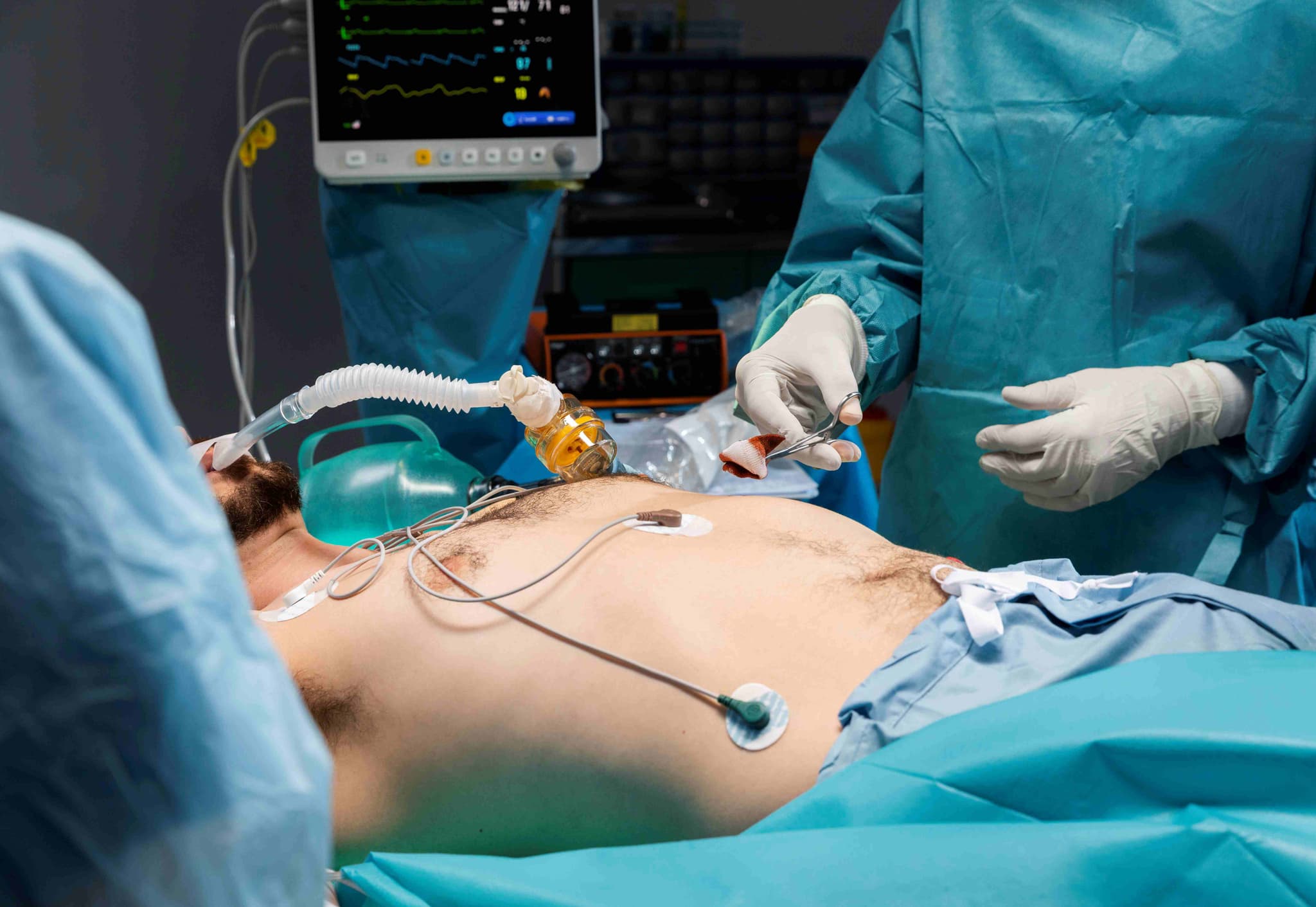
Loop Recorder Implantation
Implantable Loop Recorder (ILR)
An Implantable Loop Recorder (ILR) is a miniature heart-monitoring device, roughly the size of a small USB stick or a AAA battery, placed just under the skin of the chest. It acts as a continuous, long-term Electrocardiogram (ECG) that records the heart’s electrical activity 24/7 for up to three to five years. These devices are the gold standard for diagnosing infrequent symptoms that standard 24-hour monitors often miss.
When You Should Consider an ILR
Unexplained Fainting: To determine if a sudden heart rhythm drop or spike is the cause of syncope.
Infrequent Palpitations: For symptoms that occur too rarely (e.g., once a month or once a year) to be caught by short-term monitors.
Cryptogenic Stroke: To look for brief, "hidden" episodes of Atrial Fibrillation (AFib) in stroke survivors.
Post-Surgical Monitoring: For patients requiring long-term oversight after heart surgery or specialized cardiac interventions.
Diagnostic Failure: When standard Holter monitors or patch monitors fail to capture symptomatic events.
Methods of ILR Monitoring
Continuous 24/7 Recording: The device constantly monitors electrical signals for several years.
Automatic Triggering: Pre-set programming that saves data automatically if the heart rate becomes too fast, too slow, or irregular.
Patient-Activated Recording: The use of a handheld "activator" button or smartphone app to manually save a recording when symptoms are felt.
Remote Monitoring: Devices sync via Bluetooth to smartphone apps, sending data directly to the clinical team for review.
Subcutaneous Placement: A minimally invasive method that keeps the device entirely outside the heart and veins.
How Is Performed
Local Anesthesia: A small area on the left side of the chest is numbed; the patient remains fully awake during the process.
Incision: The doctor makes a tiny incision, typically less than 1 cm in length.
Insertion: Using a specialized "inserter" tool, the device is slid into a small pocket just under the skin.
Closure: The tiny cut is closed with adhesive strips (Steri-Strips) or a single stitch.
Testing: The clinical team verifies the device is communicating correctly with the remote monitoring system before you leave the clinic.
Pre-Procedure Preparation
No Fasting: Fasting is typically not required as the procedure uses only local anesthesia.
Minimal Testing: Blood tests are rarely needed unless there is a specific concern regarding skin infections.
Clothing Choice: Wear comfortable, loose-fitting clothing that allows easy access to the chest area.
Allergy Discussion: Discuss any allergies to local anesthetics (like Lidocaine) or adhesive bandages.
Timeline: The entire process usually takes only 10 to 15 minutes in a clinic or procedure room.
Tests Before ILR Implantation
Standard ECG: To provide a baseline reading of the heart's resting rhythm.
Physical Examination: To determine the best placement site on the chest for an optimal electrical signal.
Monitor Review: Review of previous Holter monitor or event recorder data to confirm the need for long-term monitoring.
Pulse Oximetry: To evaluate baseline oxygen levels in the blood.
History Review: Review of medical history to identify the frequency and nature of previous fainting episodes.
Life After ILR Implantation
Immediate Recovery: Most patients return to work and normal activities the same day.
Wound Care: Keep the small bandage dry for a few days until the tiny incision has fully healed.
Everyday Living: Living with the device is seamless; it is safe for MRI scans and typically does not trigger airport security.
Data Transmission: Use the provided smartphone app or bedside monitor to ensure data is transmitted to the doctor regularly.
Removal: Once a diagnosis is made or the battery reaches its limit (3–5 years), the device is removed in a similar 10-minute procedure.
Benefits of ILR Therapy
Superior Capture Rate: Provides a 100% "capture rate" for heart rhythm issues that happen very rarely.
Extremely Low Risk: Minimally invasive with a very low risk of infection or complications (less than 1%).
Non-Invasive Internally: No "leads" or wires are inserted into the heart, making it a very safe diagnostic tool.
Precise Diagnosis: Enables doctors to make definitive diagnoses for fainting, preventing unnecessary treatments or accidents.
Automated Oversight: Offers peace of mind through constant, automated cardiac oversight for several years.
Loop Recorder Implantation Cost in India
The cost of Loop Recorder Implantation in India is generally affordable compared with many other countries, making India a popular destination for international patients seeking quality medical care. The treatment cost depends on factors such as the hospital, doctor's experience, treatment approach, medical condition, hospital stay, diagnostic tests, medicines, and any additional procedures required. For international patients, the starting cost of Loop Recorder Implantation in India is approximately 1000 USD, although the final price may vary based on individual treatment requirements. Patients are advised to obtain a personalized treatment estimate after medical evaluation.