+91 83682 47758
info@medivisorhealth.com
Medivisor India Treatment Logo
  • Home
    • About Us
    • Our Services
    • Our Team
    • Our Safety Measures
    • Loading treatments...
    • Loading hospitals...
    • Loading doctors...
    • Loading tests & diagnoses...
    • Treatment Cost
    • Treatment Process
    • Visa Process
    • Travel Guide
    • FAQs
    • Why Medivisor
    • Success Stories
    • Patient Activities
    • Social Activities
    • News Coverage
    • Blog
  • Become a Partner

Medivisor India Treatment is a trusted New Delhi-based medical travel company assisting international patients with advanced, affordable, and seamless treatment in India.

  • Medivisor House 359, Sector 1, Vaishali, Ghaziabad, (Delhi/NCR) India
  • +91 8368 247 758
  • info@medivisorhealth.com

About Us

  • About Us
  • Our Services
  • Our Team
  • Our Safety Measures
  • Join Our Network
  • Contact Us

India Treatment

  • Hospitals
  • Treatments
  • Treatment Cost
  • Treatment Process
  • Visa Process
  • Travel Guide
  • FAQs
  • Why Medivisor

Gallery

  • Patient Testimonials
  • Patient Activities
  • News Coverage
  • Blog

Get in Touch

© 2026 Medivisor India Treatment. All rights reserved.

Apollo Sage Hospital
Apollo Hospitals

Apollo Sage Hospital

E-8 Extension, Arera Colony, Bhopal, Madhya Pradesh, 462026

  1. Home
  2. Hospitals
  3. Apollo Sage Hospital

Quick Overview

2021

Established

Multi

Speciality

350

Beds

55

Doctors

Apollo Sage Hospitals - Best Hospital In Bhopal | Top Hospital In Bhopal, India

Apollo Sage Hospitals, Bhopal is a premier super-specialty healthcare destination in Central India. Located at Bawadiya Kalan, this state-of-the-art facility brings together the clinical excellence of the Apollo Hospitals Group with modern infrastructural capabilities to deliver tertiary and quaternary care across Central Madhya Pradesh. Adhering to strict clinical protocols and quality assurance standards, Apollo Sage Hospitals provides comprehensive, patient-centric treatments spanning emergency stabilization, advanced diagnostic imaging, surgical interventions, and preventive wellness programs.

Why Patients Trust Apollo Sage Hospitals

  • Premier Central India Healthcare Hub: Serves as a vital regional referral destination offering advanced multi-specialty care for patients across Bhopal and surrounding regions.

  • Multidisciplinary Collaborative Care: Integrates specialized clinical panels and cross-departmental teams to provide personalized, evidence-based care plans.

  • High-Acuity Critical Care Ecosystem: Features specialized Intensive Care Units (ICUs) backed by continuous real-time hemodynamic monitoring, advanced life support, and expert intensivist coverage.

  • Proactive Risk Management & Screening: Utilizes structured health check packages and predictive risk tools aimed at early disease detection and proactive wellness management.

  • Sustainable & Patient-Centric Healing Environment: Combines modern, eco-friendly infrastructure with empathetic care pathways to prioritize safety and comfort.

Excellence in Advanced Care

Apollo Sage Hospitals delivers high-precision clinical services across core centers of excellence:

  • Cardiac Sciences: Comprehensive adult and pediatric heart care, including diagnostic angiographies, complex angioplasties (PTCA), electrophysiology studies, pacemaker/ICD implantations, and emergency cardiac interventions.

  • Neurosciences & Neurosurgery: Advanced diagnosis and surgical interventions for stroke, complex cerebrovascular disorders, brain tumors, spine surgeries, and dedicated neuro-critical monitoring.

  • Orthopaedics & Joint Care: Specialized center for conventional and minimally invasive joint replacements (knee and hip), arthroscopic sports medicine, spinal deformity corrections, and complex trauma management.

  • Gastroenterology & Hepatology: Expert medical and surgical gastroenterology for liver, pancreatic, and digestive tract disorders, supported by diagnostic and therapeutic endoscopy suites.

  • Nephrology & Urology: Comprehensive renal care providing continuous hemodialysis, kidney disease management, laser prostate surgeries, lithotripsy, and urological interventions.

  • Internal Medicine & Sub-Specialties: Integrated management for complex chronic conditions, multi-system illnesses, respiratory diseases, and lifestyle disorders.

World-Class Facilities & Technology

The hospital infrastructure is continuously equipped to support precise clinical evaluations and complex surgical interventions:

  • Advanced Diagnostic Imaging Suite: High-resolution 3T MRI, multi-slice CT scanners, digital X-ray, color Doppler ultrasound, and mammography for early disease mapping.

  • Flat-Panel Digital Cath Lab: State-of-the-art interventional catheterization laboratory dedicated to rapid cardiac, endovascular, and neuro-interventional procedures.

  • Advanced Modular Operation Suites: Ultra-modern surgical theatres equipped with HEPA-filtered laminar airflow for strict infection control during complex surgeries.

  • Specialized Critical Care Units: Dedicated intensive care infrastructure—including Cardiac Care Units (CICU), Medical ICUs (MICU), Surgical ICUs, and specialized Pediatric/Neonatal ICUs (PICU/NICU).

  • Central Diagnostic Pathology Labs: Round-the-clock laboratory services covering clinical biochemistry, microbiology, hematology, and histopathology reporting.

Patient Services & Care Coordination

  • 24/7 Emergency & Trauma Center: Equipped with Advanced Life Support (ALS) ambulances, stroke rapid response protocols, trauma care teams, and immediate diagnostic integration.

  • Integrated ProHealth Screening: AI-guided, personalized health risk evaluations and comprehensive health check programs for proactive healthcare management.

  • Outstation & International Patient Support Desk: End-to-end facilitation managed in collaboration with Medivisor India Treatment, providing pre-arrival specialist evaluations, transparent cost estimations, medical visa invitation assistance, and local travel/stay logistics.

Frequently Asked Questions (FAQs)

Q1: What major critical care facilities are available at Apollo Sage Hospitals, Bhopal?

A1: The hospital operates specialized ICUs including Cardiac ICUs (CICU), Medical ICUs (MICU), Stroke ICUs, CTVS ICUs, and specialized NICU/PICU wings with 24/7 intensivist monitoring.

Q2: What cardiac and diagnostic interventions are performed at the hospital?

A2: Apollo Sage Hospitals features a flat-panel Cath Lab performing diagnostic angiograms, complex PTCA stenting, pacemaker/ICD implantations, structural heart interventions, and 24/7 cardiac emergency procedures.

Q3: How can outstation and international patients coordinate treatment at Apollo Sage Hospitals?

A3: Patients can send their medical history and diagnostic reports to Medivisor India Treatment. The coordination team will facilitate direct doctor evaluations, provide transparent cost estimates, assist with medical visa invitation letters, and organize local travel and accommodation logistics.

Read about Apollo Hospitals

May we help you?

Enter digits only (6-15 digits). We'll add your country code.

Treatments Offered at Apollo Sage Hospital
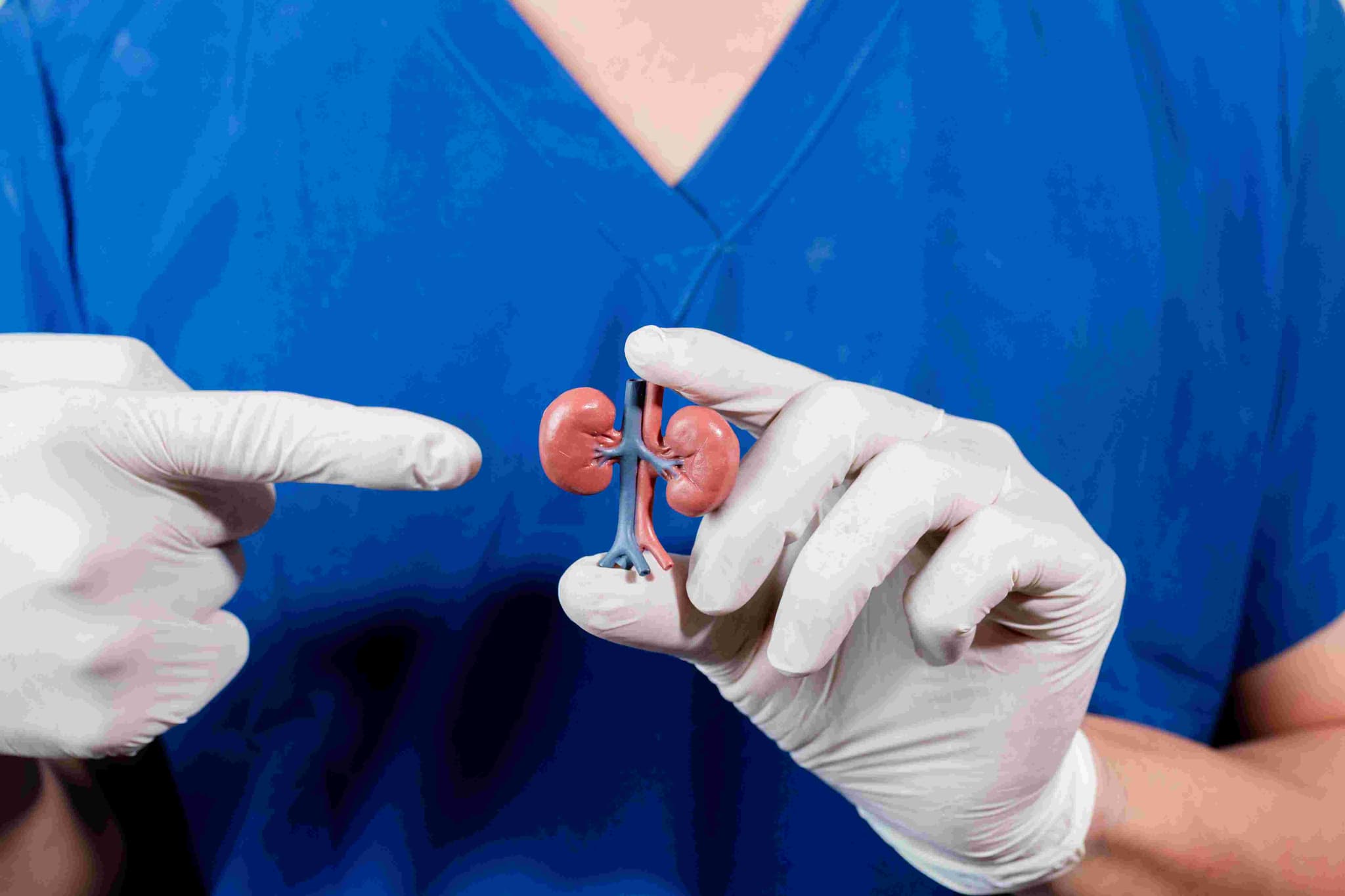
Partial Nephrectomy (Kidney-Saving Surgery)

Partial Nephrectomy Partial Nephrectomy, also known as "Kidney-Sparing Surgery," is a complex procedure where only the diseased part of the kidney (usually a tumor) is removed, leaving the healthy, functioning kidney tissue intact. This is the preferred treatment for smaller kidney tumors to preserve as much renal function as possible. When You Should Consider Partial Nephrectomy Small Renal Masses: Typically the first choice for tumors less than 4 cm (Stage T1a) and many tumors up to 7 cm (Stage T1b). Solitary Kidney: When a patient only has one functioning kidney, making it critical to

Radical Prostatectomy (Open/Laparoscopic/Robotic)

Radical Prostatectomy (Oncology) Radical Prostatectomy is the surgical removal of the entire prostate gland and surrounding tissues, typically performed to treat Prostate Cancer. Unlike treatments for an enlarged prostate (BPH) which only remove the "core," this treatment removes the entire organ to ensure the cancer is fully eliminated. When You Should Consider Radical Prostatectomy Localized Prostate Cancer: When imaging confirms the cancer is confined within the prostate capsule (Stages T1 or T2). Aggressive Disease: For patients with a higher Gleason Score who require definitive surgi

Transurethral Incision of the Prostate (TUIP)

Transurethral Incision of the Prostate (TUIP) Transurethral Incision of the Prostate (TUIP) is a specialized surgical treatment for men with urinary symptoms caused by a moderately enlarged prostate (usually less than 30 grams) or a narrowing of the bladder neck. Unlike TURP or Laser surgery, no tissue is removed; instead, the "tight" area is widened to allow for better flow. When You Should Consider TUIP Small to Moderately Enlarged Prostate: Specifically indicated for prostates under 30 grams where the blockage is at the bladder neck. Bladder Neck Obstruction: When the primary cause of

Laser Prostate Surgery (HoLEP / ThuLEP)

Laser Prostate Surgery (HoLEP & ThuLEP) Laser prostate surgery, specifically HoLEP (Holmium Laser Enucleation of the Prostate) and ThuLEP (Thulium Laser Enucleation of the Prostate), is a modern, bloodless alternative to traditional TURP. Instead of shaving the prostate in small pieces, the laser "peels" the obstructing tissue away as a whole, making it highly effective for even the largest prostate glands. When You Should Consider Laser Prostate Surgery Very Large Prostate: Especially effective for prostates over 80–100 grams that are too large for standard TURP. High Risk of Bleeding: I

Transurethral Resection of Prostate (TURP)

Transurethral Resection of the Prostate (TURP) Transurethral Resection of the Prostate (TURP) is a surgical treatment used to treat urinary problems caused by an enlarged prostate (Benign Prostatic Hyperplasia or BPH). It is often called the "Gold Standard" because it is highly effective and requires no external incisions. When You Should Consider TURP Moderate to Severe BPH Symptoms: When urinary frequency, urgency, or a weak stream significantly impact your quality of life. Incomplete Bladder Emptying: If you consistently feel that your bladder is not empty after urinating, which can le

Mini-PCNL / Micro-PCNL

Mini-PCNL and Micro-PCNL (Urology) Mini-PCNL is a "small-access" surgery used for stones between 1 cm and 2.5 cm. Micro-PCNL is an "all-in-one" needle surgery, usually reserved for stones around 1 cm to 1.5 cm. When You Should Consider Mini-PCNL or Micro-PCNL Stone Size: Ideal for stones between 1 cm and 2.5 cm that are too large for ESWL but don't require standard PCNL. Stone Hardness: When stones are too dense to be broken from outside the body by shockwaves. Lower Pole Stones: Particularly effective for stones located in the bottom part of the kidney which are difficult to clear othe

Percutaneous Nephrolithotomy (PCNL)

Percutaneous Nephrolithotomy (PCNL) Percutaneous Nephrolithotomy (PCNL) is a minimally invasive "keyhole" surgery specifically used to remove large kidney stones—usually those over 2 cm—that cannot be passed naturally or treated effectively with standard shockwave therapy. This procedure allows surgeons to reach the kidney through a tiny incision in the back, providing a direct route to extract complex or "staghorn" stones that would otherwise require major open surgery. When You Should Consider PCNL Large Kidney Stones: Specifically those larger than 2 cm in diameter which are too substant

URS (Ureteroscopy)
URS (Ureteroscopy)

Ureteroscopy (URS) URS (Ureteroscopy) is a minimally invasive surgical procedure used to diagnose and treat issues in the urinary tract, most commonly kidney stones located in the ureter or kidney. Because the procedure utilizes the body's natural openings, it requires no external incisions or surgical cuts. This advanced endoscopic approach allows urologists to reach and treat stones that are too large or too high to pass on their own, often providing immediate relief from renal colic. When You Should Consider Ureteroscopy Obstructing Ureteral Stones: When a stone is stuck in the ureter, c

Testicular Cancer Surgery

Testicular Cancer Surgery Testicular cancer surgery is the primary treatment for most stages of the disease. It serves two critical purposes: to physically remove the tumor and to provide a high-quality tissue sample for precise staging and molecular diagnosis. Because testicular cancer is highly treatable, surgery often represents the first and most important step toward a complete cure. When You Should Consider Testicular Cancer Surgery Palpable Mass: The discovery of a painless lump, hardness, or swelling in the scrotum. Elevated Tumor Markers: High levels of Alpha-fetoprotein (AFP), B

Endoscopic Endonasal Surgery

Endoscopic Endonasal Surgery (EES) Endoscopic Endonasal Surgery (EES) is a minimally invasive surgical technique that uses the nose and sinuses as natural "corridors" to reach and treat conditions at the base of the brain or the top of the spine. Unlike traditional "open" brain surgery, it requires no external incisions on the face or scalp and avoids the need to remove large parts of the skull. This advanced approach allows surgeons to access deep-seated tumors and vascular issues with minimal disruption to healthy brain tissue. When You Should Consider Endoscopic Endonasal Surgery Pituita

Brainstem Surgery
Brainstem Surgery

Brainstem Surgery Brainstem surgery is one of the most complex and delicate procedures in neurosurgery. The brainstem controls vital life functions—including breathing, heart rate, and consciousness—and acts as the "highway" for all nerve signals traveling between the brain and the body. Because the brainstem is packed with critical nuclei and fiber tracts in a very small space, the surgical goal is usually Maximal Safe Resection or decompression while strictly avoiding these "high-rent" areas. When You Should Consider Brainstem Surgery Focal Brainstem Gliomas: Specific types of tumors that

Acoustic Neuroma Surgery

Acoustic Neuroma Surgery Acoustic neuroma surgery (vestibular schwannoma resection) is a specialized craniotomy performed to remove a benign tumor growing on the hearing and balance nerves. Because these tumors are located in the cerebellopontine angle—a crowded space near the brainstem—the primary goal is to remove the tumor while preserving the facial nerve and, if possible, any remaining hearing. This surgery requires extreme precision to protect the delicate structures that control facial movement and balance. When You Should Consider Acoustic Neuroma Surgery Documented Growth: If follo

Endoscopic Skull Base Surgery

Endoscopic Skull Base Surgery Endoscopic Skull Base Surgery is a minimally invasive technique used to reach tumors and abnormalities at the very bottom of the brain and the top of the spine. Instead of utilizing large incisions or traditional "open" craniotomies, surgeons use the nose and sinuses as natural corridors to reach the target area. This advanced approach allows for the treatment of complex conditions located deep within the head without the need to retract or move the brain. When You Should Consider Endoscopic Skull Base Surgery Pituitary Adenomas: The most common use for this ap

AVM Brain Surgery
AVM Brain Surgery

AVM Surgery (Surgical Resection) AVM (Arteriovenous Malformation) surgery, clinically known as surgical resection, is a major neurosurgical procedure to physically remove an abnormal tangle of blood vessels from the brain or spinal cord. The primary goal is to eliminate the risk of a life-threatening brain hemorrhage. Unlike other treatments that may take years to work, surgical resection provides an immediate and definitive "cure" by removing the malformation entirely in a single session. When You Should Consider AVM Surgery Preventing Hemorrhage: AVMs carry a 2–4% annual risk of bursting;

Aneurysm Clipping
Aneurysm Clipping

Aneurysm Clipping Aneurysm clipping is a specialized neurosurgical procedure used to treat a brain aneurysm by placing a small metal clip across its "neck." This prevents blood from entering the weakened, bulging area of the artery, effectively eliminating the risk of a life-threatening rupture or re-bleeding. Unlike endovascular coiling, which treats the aneurysm from the inside, clipping is an open surgical approach that provides a definitive, mechanical seal. When You Should Consider Aneurysm Clipping Ruptured Aneurysm: Performed as an emergency procedure to stop a subarachnoid hemorrhag

Dural AV Fistula Embolization

DAVF Embolization Dural Arteriovenous Fistula (DAVF) Embolization is a specialized endovascular procedure used to close abnormal connections (fistulas) between the dural arteries and the venous system surrounding the brain or spinal cord. Unlike congenital malformations, DAVFs are typically acquired later in life due to factors such as trauma, blood clots (sinus thrombosis), or infections. The procedure uses a catheter-based approach to navigate the vascular system and "plug" the high-pressure leak into the veins. When You Should Consider DAVF Embolization Cortical Venous Reflux: A high-ris

AVM Embolization
AVM Embolization

AVM Embolization AVM (Arteriovenous Malformation) Embolization is a minimally invasive, catheter-based procedure used to block or reduce blood flow to an abnormal tangle of blood vessels. It is most commonly used to treat brain AVMs but can also address malformations in the spine or other parts of the body. By plugging the "feeding" arteries of the malformation, the procedure stabilizes the vascular structure and reduces the risk of life-threatening hemorrhages. When You Should Consider AVM Embolization Pre-Surgical Preparation: To shrink the AVM and block deep, hard-to-reach feeding vessel

Vertebral Artery Stenting

Vertebral Artery Stenting Vertebral artery stenting is a minimally invasive endovascular procedure used to open narrowed vertebral arteries, which provide critical blood supply to the brainstem and the back of the brain. It is primarily performed to reduce the risk of a vertebrobasilar stroke in patients who have already experienced symptoms like vertigo or minor strokes despite medical treatment. By placing a small mesh tube within the vessel, the procedure restores healthy blood flow to the brain. When You Should Consider Vertebral Artery Stenting Symptomatic Narrowing: If you have 50% or

Kidney Transplant Surgery

Kidney Transplant Kidney transplant surgery is a life-saving procedure where a healthy kidney from a donor (living or deceased) is placed into a patient with end-stage renal disease (ESRD). It is generally the preferred treatment over lifelong dialysis, offering a significantly better quality of life and higher long-term survival rates. This procedure restores the body's ability to filter waste and maintain fluid balance naturally. When You Should Consider a Kidney Transplant End-Stage Renal Disease (ESRD): When your kidneys have lost approximately 90% of their function due to chronic condi

Lung Transplant Surgery

Lung Transplant A lung transplant is a major surgical procedure to replace one or both diseased lungs with healthy donor lungs. It is typically a treatment of last resort for end-stage lung diseases that no longer respond to other medical therapies. The goal is to improve the patient's quality of life and extend life expectancy when other options have been exhausted. When You Should Consider a Lung Transplant End-Stage COPD (Emphysema): When chronic obstructive pulmonary disease has caused such severe damage that breathing is difficult even with supplemental oxygen. Idiopathic Pulmonary F

Vaginal Repair Surgery

Vaginal Repair (Colporrhaphy) Vaginal repair surgery, clinically known as Colporrhaphy, is a procedure used to reinforce and strengthen the vaginal walls when they have become weakened or stretched. This is most commonly performed to treat pelvic organ prolapse, such as a Cystocele (bladder bulging into the vagina) or a Rectocele (rectum bulging into the vagina), restoring the pelvic organs to their correct anatomical positions. When You Should Consider Vaginal Repair Physical Bulge: Feeling or seeing a lump at or poking out of the vaginal opening, especially after long periods of standing

Septum Resection
Septum Resection

Hysteroscopic Septum Resection (Septoplasty) Hysteroscopic Septum Resection, or Septoplasty, is a specialized surgical procedure used to correct a uterine septum—a congenital condition where a wedge-shaped longitudinal wall of tissue divides the uterine cavity. This tissue is typically fibrous and has a poor blood supply, which can interfere with the healthy development of a pregnancy. The procedure aims to unify the cavity into a single, functional space. When You Should Consider a Septum Resection Recurrent Miscarriage: A uterine septum is one of the most common correctable causes of repe

Hysteroscopic Adhesiolysis (Asherman Syndrome)

Hysteroscopic Adhesiolysis Hysteroscopic Adhesiolysis is a specialized surgical procedure used to treat Asherman Syndrome, a condition where scar tissue (adhesions) forms inside the uterus. This scar tissue can cause the uterine walls to stick together, distorting the cavity. The goal of the surgery is to precisely remove these "bands" of scar tissue to restore the shape of the uterine cavity, allowing for normal menstruation and the restoration of fertility. When You Should Consider Hysteroscopic Adhesiolysis Asherman Syndrome: When intrauterine scarring is confirmed via imaging or a prior

Ectopic Pregnancy Surgery

Surgery for Ectopic Pregnancy Surgery for an ectopic pregnancy is an emergency procedure performed when a fertilized egg implants outside the uterus, most commonly in a fallopian tube. Because an ectopic pregnancy cannot survive and poses a life-threatening risk of internal hemorrhage, surgical intervention is often necessary to protect the mother’s health and future fertility. When You Should Consider Surgery for Ectopic Pregnancy Confirmed Ectopic Pregnancy: When ultrasound and blood tests confirm the embryo has implanted outside the uterine cavity. Severe Abdominal Pain: Sharp, stabbin

Salpingectomy (Fallopian Tube Removal)

Salpingectomy Salpingectomy is the surgical removal of one or both fallopian tubes. Unlike a tubal ligation (where tubes are tied), a salpingectomy involves the complete physical removal of the tube. It is a highly effective permanent procedure often performed to treat medical emergencies or as a proactive measure against cancer while maintaining hormonal balance. When You Should Consider a Salpingectomy Ectopic Pregnancy: An emergency situation where a fertilized egg implants in the tube; removal is necessary if the tube has ruptured or is severely damaged. Hydrosalpinx: When a tube beco

Surgical Delivery
Surgical Delivery

Surgical Delivery (C-Section) A surgical delivery, commonly known as a C-section (Caesarean Section), is the delivery of a baby through surgical incisions made in the mother's abdomen and uterus. This procedure is performed when a vaginal delivery is considered unsafe or impossible for the mother or the baby, ensuring a controlled and secure birth environment. When You Should Consider a Surgical Delivery Labor Dystocia: When labor fails to progress because the cervix stops dilating or the baby stops moving down the birth canal. Fetal Distress: If the baby’s heart rate indicates they are n

Normal Delivery
Normal Delivery

Revisional Bariatric Surgery Revisional bariatric surgery is a specialized procedure performed on patients who have already undergone a primary weight-loss surgery but require a second operation. This may be due to medical complications, insufficient weight loss, or significant weight regain. Because of existing scar tissue and altered anatomy, these procedures are more complex and carry higher risks than initial weight-loss surgeries. When You Should Consider Revisional Surgery Inadequate Weight Loss or Regain: If the initial stomach pouch has stretched over time or the body has adapted to

Revisional Bariatric Surgery

Revisional Bariatric Surgery Revisional bariatric surgery is a specialized procedure performed on patients who have already undergone a primary weight-loss surgery but require a second operation. This may be due to medical complications, insufficient weight loss, or significant weight regain. Because of existing scar tissue and altered anatomy, these procedures are more complex and carry higher risks than initial weight-loss surgeries. When You Should Consider Revisional Surgery Inadequate Weight Loss or Regain: If the initial stomach pouch has stretched over time or the body has adapted to

Mini Gastric Bypass
Mini Gastric Bypass

Mini Gastric Bypass (MGB / OAGB) The Mini Gastric Bypass (MGB), also known as One-Anastomosis Gastric Bypass (OAGB), is a simplified, minimally invasive version of the traditional Roux-en-Y gastric bypass. It is considered both a restrictive and malabsorptive procedure, meaning it reduces the amount of food you can eat and limits the calories your body absorbs. When You Should Consider a Mini Gastric Bypass High BMI: Typically recommended for individuals with a Body Mass Index (BMI) of 40 or higher, or 35 with obesity-related health conditions. Type 2 Diabetes: For patients seeking rapid

Roux-en-Y Gastric Bypass

Roux-en-Y Gastric Bypass (RYGB) Roux-en-Y Gastric Bypass (RYGB) is considered the "gold standard" of weight-loss surgery. It is a complex, permanent procedure that involves creating a small stomach pouch and rerouting the small intestine to change how your body absorbs calories and nutrients. How It Works Restriction: The new stomach pouch is roughly the size of an egg (about 30ml), which drastically limits how much you can eat. Malabsorption: By bypassing the first part of the small intestine, your body absorbs fewer calories and fats from the food you consume. Hormonal Shifts: The sur

Sleeve Gastrectomy
Sleeve Gastrectomy

Sleeve Gastrectomy (Gastric Sleeve) Sleeve gastrectomy, often called the Gastric Sleeve, is a permanent weight-loss surgery that involves removing approximately 75–80% of the stomach. The remaining portion is joined together to form a narrow tube or "sleeve" about the size and shape of a banana. This procedure provides a powerful tool for long-term weight management by physically and hormonally changing how the body processes hunger and food intake. How It Works Physical Restriction: The significantly smaller stomach capacity limits the amount of food you can eat at one time, making you fee

Nasal Airway Correction

Nasal Airway Correction Nasal airway correction refers to a group of procedures aimed at fixing physical blockages inside the nose to improve breathing. Depending on the location of the obstruction, a surgeon may perform a single procedure or a combination of treatments to restore clear airflow. When You Should Consider Nasal Airway Correction Chronic Nasal Obstruction: If you consistently struggle to breathe through one or both nostrils. Persistent Congestion: A "stuffy" feeling that does not resolve with allergy medications or nasal sprays. Sleep Disturbances: If nasal blockages lead

Uvulopalatopharyngoplasty (UPPP)

Uvulopalatopharyngoplasty (UPPP) Uvulopalatopharyngoplasty (UPPP) is a surgical procedure used to treat Obstructive Sleep Apnea (OSA) and severe snoring. It involves reshaping the back of the throat by removing or tightening excess tissue to widen the airway and reduce vibrations that cause snoring. When You Should Consider UPPP Severe Snoring: When the vibration of excess throat tissue causes disruptive snoring that impacts sleep quality. Obstructive Sleep Apnea (OSA): If you have been diagnosed with OSA and the primary blockage is located at the level of the soft palate. Failed Non-Su

Obstructive Sleep Apnea (OSA) Surgery

Obstructive Sleep Apnea (OSA) Treatment Treatment for Obstructive Sleep Apnea (OSA) focuses on keeping the airway open during sleep to prevent breathing interruptions. Options range from lifestyle changes and wearable devices to advanced surgical interventions, depending on the severity of the condition and the patient’s anatomy. When You Should Consider OSA Treatment Chronic Snoring: Loud, persistent snoring that is often interrupted by gasps or choking sounds. Daytime Fatigue: Feeling excessively tired or falling asleep during the day despite a full night's rest. Observed Apneas: When

Tracheostomy
Tracheostomy

Tracheostomy A tracheostomy is a specialized surgical procedure to create a functional opening (stoma) in the front of the neck directly into the trachea (windpipe). A tracheostomy tube is inserted into this opening to provide an alternative airway for breathing. This procedure is typically performed when the upper airway is obstructed or when a patient requires long-term mechanical ventilation to support lung function. When You Should Consider a Tracheostomy Acute Airway Obstruction: Due to tumors, severe facial trauma, vocal cord paralysis, or life-threatening swelling from allergic react

Vocal Cord Surgery
Vocal Cord Surgery

Vocal Cord Surgery Vocal cord surgery (laryngeal surgery) encompasses a range of specialized procedures to treat conditions affecting the voice box (larynx). These surgeries aim to restore voice quality, improve breathing, or protect the airway by addressing structural abnormalities, growths, or nerve issues within the delicate vocal folds. When You Should Consider Vocal Cord Surgery Benign Growths: For persistent nodules, polyps, or cysts that cause chronic hoarseness and do not respond to voice therapy. Vocal Cord Paralysis: When one or both vocal folds do not move correctly, leading to

Microlaryngeal Surgery (Vocal Cord Nodules/Polyps)

Microlaryngeal Surgery Microlaryngeal surgery is a precision microsurgical procedure used to remove benign growths—such as nodules, polyps, or cysts—from the vocal cords. By utilizing a high-powered operating microscope and delicate long-reach instruments, surgeons can operate through the mouth to treat the voice box (larynx). This approach ensures the microscopic layers of the vocal folds are preserved, which is essential for maintaining or restoring high-quality voice function. When You Should Consider Microlaryngeal Surgery Vocal Cord Polyps: Typically fluid-filled growths often caused b

Adenoidectomy
Adenoidectomy

Adenoidectomy Adenoidectomy is a specialized surgical procedure performed to remove the adenoids—small pads of immune tissue located high in the back of the throat, directly behind the nose. While adenoids help infants fight infections, they can become chronically enlarged or infected in childhood. This enlargement can obstruct breathing, interfere with sleep, and block the drainage of the ears and sinuses. When You Should Consider an Adenoidectomy Chronic Mouth Breathing: When enlarged adenoids physically block the nasal passage, forcing a child to breathe through their mouth constantly.

CSF Leak Repair (Endoscopic)

Endoscopic CSF Leak Repair Endoscopic CSF (Cerebrospinal Fluid) leak repair is a specialized, minimally invasive surgery performed to seal a hole in the skull base—the critical bone barrier separating the brain from the nasal cavity. This procedure is essential for stopping the drainage of brain fluid and, more importantly, preventing bacteria from entering the central nervous system and causing life-threatening infections such as meningitis. When You Should Consider CSF Leak Repair Clear Nasal Drainage (Rhinorrhea): If you experience a persistent, watery discharge from one side of the nose

Nasal Polyp Removal
Nasal Polyp Removal

Nasal Polyp Removal (Polypectomy) Nasal polyp removal, medically known as a polypectomy, is a surgical procedure to extract non-cancerous, teardrop-shaped growths from the lining of the nasal passages or sinuses. When these polyps become large enough to block breathing, reduce the sense of smell, or cause chronic sinus infections, surgical intervention is the most effective way to clear the airway and restore health. When You Should Consider Nasal Polyp Removal Persistent Nasal Obstruction: If large polyps physically block your nostrils, making it difficult to breathe through your nose. L

Turbinate Reduction
Turbinate Reduction

Turbinate Reduction Turbinate reduction (or turbinoplasty) is a specialized surgical procedure performed to shrink enlarged bony and soft tissue structures inside the nose. These structures, known as turbinates, are responsible for cleansing, warming, and humidifying the air you breathe. When they become chronically swollen—often due to allergies or irritants—they can severely block nasal airflow. When You Should Consider Turbinate Reduction Chronic Nasal Congestion: If you experience a persistent "stuffy" feeling that does not improve with steroid sprays or antihistamines. Difficulty Bre

Septoplasty (Deviated Septum Correction)

Septoplasty Septoplasty is a specialized surgical procedure performed to straighten a deviated septum—the internal wall of bone and cartilage that separates your two nostrils. When the septum is crooked or "deviated," it can block one side of the nose and significantly reduce airflow. By repositioning the septal midline, this procedure restores balanced breathing and improves overall nasal health. When You Should Consider Septoplasty Chronic Nasal Obstruction: If one or both nostrils feel constantly blocked, making it difficult to breathe through your nose. Recurrent Sinus Infections: Whe

Functional Endoscopic Sinus Surgery (FESS)

Functional Endoscopic Sinus Surgery (FESS) Functional Endoscopic Sinus Surgery (FESS) is a minimally invasive procedure used to treat chronic sinus conditions, such as persistent sinusitis and nasal polyps. By restoring natural drainage and airflow, FESS eliminates the root cause of chronic inflammation. The procedure is performed entirely through the nostrils using a specialized nasal endoscope (a thin tube with a magnified camera), meaning there are no external incisions or visible scars. When You Should Consider FESS Chronic Sinusitis: If you suffer from sinus inflammation lasting more t

Stapedectomy (Otosclerosis)

Stapedectomy Stapedectomy is a specialized microsurgical procedure used to treat otosclerosis, a condition where the smallest bone in the human body—the stapes (stirrup)—becomes stuck in place by abnormal bone growth. This prevents the bone from vibrating, leading to progressive conductive hearing loss. By replacing the immobile bone with a medical-grade prosthesis, the surgery restores the natural transmission of sound waves to the inner ear. When You Should Consider Stapedectomy Otosclerosis Diagnosis: When clinical exams confirm that abnormal bone remodeling is "fixing" the stapes bone i

Cochlear Implant Surgery (Hearing Restoration)

Cochlear Implant Surgery Cochlear implant surgery is a specialized procedure that restores a sense of sound by bypassing damaged parts of the inner ear and directly stimulating the auditory nerve. Unlike hearing aids, which amplify sound, cochlear implants convert sound into electrical signals that the brain interprets as speech and environmental noise. When You Should Consider a Cochlear Implant Severe-to-Profound Hearing Loss: When high-power hearing aids no longer provide enough clarity for speech understanding in one or both ears. Poor Speech Recognition: For adults who score poorly o

Mastoidectomy (Chronic Infection/Cholesteatoma)

Mastoidectomy Mastoidectomy is a specialized surgical procedure performed to remove diseased air cells from the mastoid bone—the honeycomb-like bone located directly behind the ear. It is primarily used to treat a cholesteatoma, a non-cancerous skin cyst that can erode ear structures, or to clear severe, chronic infections that have not responded to intensive antibiotic therapy. When You Should Consider Mastoidectomy Cholesteatoma: When a skin cyst forms in the middle ear and begins to expand into the mastoid bone, risking damage to the hearing bones or facial nerve. Chronic Mastoiditis:

Tympanoplasty (Eardrum Repair)

Tympanoplasty Tympanoplasty is a specialized surgical procedure performed to repair a perforated (torn) eardrum or to reconstruct the tiny bones (ossicles) of the middle ear. The primary goals are to prevent recurrent ear infections and to improve hearing by restoring the natural vibration of the eardrum and sound conduction through the middle ear. When You Should Consider Tympanoplasty Chronic Perforations: When a hole in the eardrum fails to heal on its own after 3 to 6 months, leaving the middle ear exposed. Recurrent Ear Infections: If you experience frequent bouts of chronic otitis m

Myringotomy with Grommet Insertion

Myringotomy with Grommet Insertion Myringotomy with grommet insertion is a specialized minor surgical procedure used to treat persistent middle ear fluid (commonly known as "glue ear") or recurrent ear infections. The procedure involves making a microscopic incision in the eardrum to drain trapped fluid and inserting a small ventilation tube, or grommet, to maintain continuous airflow and pressure equalization. When You Should Consider Myringotomy Persistent Glue Ear: When thick fluid remains trapped behind the eardrum for more than three months, causing muffled hearing. Recurrent Ear Inf

Orbital Tumor Removal

Orbital Tumor Removal Orbital tumor removal is a highly specialized surgery to excise growths within the eye socket (orbit). Because the orbit is a compact space containing the optic nerve, eye muscles, and critical blood vessels, these procedures often require a multidisciplinary team of oculoplastic surgeons and neurosurgeons to ensure the tumor is removed while preserving vision and eye function. When You Should Consider Orbital Tumor Removal Proptosis (Bulging Eye): When a growth pushes the eyeball forward, causing it to appear more prominent than the other eye. Vision Loss: If a tumo

Eyelid Reconstruction

Eyelid Reconstruction Eyelid reconstruction is a complex surgical process used to repair defects caused by skin cancer removal (such as Mohs surgery), trauma, or congenital anomalies. Because the eyelid is essential for protecting the eye and maintaining moisture, the primary goal is to restore these functions while achieving an aesthetically natural and symmetrical appearance. When You Should Consider Eyelid Reconstruction Skin Cancer Removal: Following the excision of a basal cell or squamous cell carcinoma that has left a gap in the eyelid tissue. Traumatic Injury: To repair deep lacer

DCR (Tear Duct Surgery)

Tear Duct Surgery Tear duct surgery, most commonly known as Dacryocystorhinostomy (DCR), is a specialized procedure performed to create a new drainage pathway for tears between the eye and the nose. It is the primary treatment for a blocked tear duct (nasolacrimal duct obstruction), which causes symptoms like constant watering, sticky discharge, and recurrent eye infections. By bypassing the obstruction, DCR restores the natural flow of tears and eliminates chronic irritation. When You Should Consider Tear Duct Surgery Chronic Watering (Epiphora): When tears constantly overflow onto your ch

Ptosis Surgery/Blepharoplasty

Ptosis Surgery (Drooping Eyelid Repair) Ptosis surgery, also known as blepharoplasty for ptosis or ptosis repair, is a specialized procedure performed to lift a drooping upper eyelid. Unlike standard cosmetic surgery, this procedure focuses on the levator muscle, which is responsible for raising the lid. The goal is to restore a full field of vision and achieve a symmetrical, alert appearance. When You Should Consider Ptosis Surgery Obstructed Vision: When the eyelid droops low enough to block the pupil or restrict your superior (upper) field of vision. Congenital Ptosis: If a child is bo

Pediatric Cataract Surgery

Pediatric Cataract Surgery Pediatric cataract surgery is a specialized procedure to remove a clouded lens in infants or children. Unlike adult surgery, a child’s eye is still growing and is significantly more prone to inflammation and scarring. This requires different surgical techniques, absorbable sutures, and intensive long-term follow-up to ensure the brain develops clear vision. When You Should Consider Pediatric Cataract Surgery Congenital Cataracts: When a baby is born with a clouded lens that blocks light from reaching the retina. Developmental Cataracts: If a cataract develops du

Squint Correction Surgery

Squint Correction Surgery (Strabismus Surgery) Squint correction surgery, or strabismus surgery, is a specialized procedure performed to align the eyes by adjusting the tension of the external eye muscles. This procedure can be performed on both children and adults to improve eye coordination, eliminate double vision, and enhance the physical appearance of the eyes. When You Should Consider Squint Correction Misaligned Eyes: When one or both eyes turn inward (esotropia), outward (exotropia), upward, or downward. Double Vision (Diplopia): If the misalignment causes you to see two images of

Minimally Invasive Glaucoma Surgery (MIGS)

MIGS (Minimally Invasive Glaucoma Surgery) Minimally Invasive Glaucoma Surgery (MIGS) is a group of modern surgical techniques designed to lower eye pressure with significantly less trauma than traditional glaucoma surgeries. These procedures use microscopic incisions and specialized devices to improve fluid drainage, typically for patients with mild-to-moderate open-angle glaucoma who wish to reduce their dependence on daily eye drops. When You Should Consider MIGS Mild-to-Moderate Glaucoma: When your eye pressure is not adequately controlled by one or two types of eye drops. Concurrent

Laser Iridotomy
Laser Iridotomy

Laser Iridotomy (LPI) Laser Iridotomy, or Laser Peripheral Iridotomy (LPI), is a quick outpatient procedure used primarily to treat or prevent angle-closure glaucoma. By creating a microscopic hole in the outer edge of the iris, the procedure allows fluid to flow more freely between the back and front of the eye. This bypass balances internal pressure and prevents sudden, sight-threatening pressure spikes. When You Should Consider Laser Iridotomy Narrow-Angle Suspects: If a routine eye exam reveals that your drainage angles are naturally narrow, putting you at high risk for a sudden glaucom

Glaucoma Drainage Device Implant

Glaucoma Drainage Device (GDD) Implant A Glaucoma Drainage Device (GDD) implant, also known as a tube shunt or aqueous shunt, is a specialized medical device used to lower intraocular pressure (IOP). This procedure is typically reserved for cases where conventional treatments, such as eye drops, laser therapy, or trabeculectomy, have been insufficient or are likely to fail. When You Should Consider a GDD Implant Refractory Glaucoma: When previous glaucoma surgeries, like a trabeculectomy, have failed or are high-risk due to scarring. Neovascular Glaucoma: If abnormal blood vessel growth i

Retinal Detachment Surgery

Retinal Detachment Surgery Retinal detachment surgery is an emergency procedure used to reattach the light-sensitive layer (the retina) to the back of the eye. If the retina remains detached from its underlying layer of blood vessels, it is starved of oxygen, leading to permanent vision loss. Immediate intervention is critical to "weld" the retina back into its functional position. When You Should Consider Surgery Sudden Floaters: A dramatic increase in the number of spots, strings, or "cobwebs" drifting in your field of vision. Flashes of Light: Seeing brief streaks or bursts of light (p

Corneal Collagen Cross-linking

Corneal Collagen Cross-linking (CXL) Corneal Collagen Cross-linking (CXL) is a specialized medical treatment designed to stop the progression of Keratoconus and other corneal thinning disorders. Unlike most laser eye surgeries, its goal is not to improve vision, but to strengthen and stabilize the cornea's structure. By creating new chemical bonds between corneal fibers, CXL acts as a support system to prevent the eye from bulging further. When You Should Consider CXL Progressive Keratoconus: When regular eye exams show that the cornea is continuing to thin or the "cone" shape is becoming m

Cross-linking (for Keratoconus)

Corneal Collagen Cross-linking (CXL) Corneal Collagen Cross-linking (CXL) is a specialized medical procedure used to treat Keratoconus, a progressive condition where the cornea thins and bulges into a cone shape. Unlike LASIK or SMILE, which are designed to correct vision, the primary goal of CXL is to strengthen the corneal tissue to stop the disease from worsening and prevent future vision loss. When You Should Consider CXL Progressive Keratoconus: When repeat eye exams show that the cornea is continuing to thin or the "cone" shape is becoming more pronounced. Post-LASIK Ectasia: A rare

Small Incision Lenticule Extraction (SMILE)  Surgery
Small Incision Lenticule Extraction (SMILE) Surgery

SMILE (Small Incision Lenticule Extraction) SMILE (Small Incision Lenticule Extraction) is the latest advancement in laser vision correction. It is a flapless, minimally invasive procedure used to treat nearsightedness (myopia) and astigmatism. Unlike LASIK, which requires creating a large circular flap, SMILE utilizes a single high-precision laser to perform the entire correction through a microscopic opening. When You Should Consider SMILE Active Lifestyles: Ideal for individuals involved in contact sports, professional athletics, or high-intensity professions where a corneal flap displac

Femtosecond Laser Cataract Surgery

FLACS (Femtosecond Laser-Assisted Cataract Surgery) Femtosecond Laser-Assisted Cataract Surgery (FLACS) is a modern, high-precision version of cataract surgery that uses a computer-guided laser to perform several critical steps traditionally done by hand. Often referred to as "robotic" cataract surgery, it relies on advanced 3D imaging and automated laser pulses to ensure unparalleled accuracy and safety. When You Should Consider FLACS Premium Lens Selection: If you are choosing multifocal, trifocal, or toric IOLs, where perfect lens centration is critical for optimal vision. Pre-existing

Small Incision Cataract Surgery (SICS)

Manual Small Incision Cataract Surgery (MSICS) Manual Small Incision Cataract Surgery (MSICS or SICS) is a surgical technique where the clouded lens is manually removed through a specialized, self-sealing tunnel. It is primarily used as a cost-effective, high-volume alternative for treating advanced cataracts, especially in resource-limited settings. This procedure is a vital bridge in global eye care, offering outcomes comparable to more expensive technologies. When You Should Consider MSICS Mature or "Hard" Cataracts: When the cataract is very dense (black or brown) and may be difficult t

Phacoemulsifacation
Phacoemulsifacation

Phacoemulsification (Cataract Surgery) Phacoemulsification, commonly referred to as "phaco," is the modern gold standard for cataract surgery. This procedure uses ultrasonic energy to fragment a clouded natural lens (cataract), allowing it to be removed through a microscopic, often stitchless incision. It is then replaced with a permanent artificial intraocular lens (IOL) to restore clear vision. When You Should Consider Phacoemulsification Cloudy or Blurry Vision: When daily activities like reading or driving become difficult due to a "foggy" lens. Glare and Halos: Increased sensitivity

Vesicoureteral Reflux Correction

VUR (Vesicoureteral Reflux) Correction Vesicoureteral reflux (VUR) correction refers to the medical and surgical procedures used to stop urine from flowing backward from the bladder into the ureters or kidneys. While mild cases often resolve on their own as a child grows, correction is typically recommended for moderate-to-severe reflux, recurrent infections, or signs of kidney damage. These interventions aim to protect the kidneys from scarring and long-term dysfunction. When You Should Consider VUR Correction High-Grade Reflux: Grades 4 and 5 are significantly less likely to resolve spont

PUJ Obstruction Surgery

Pyeloplasty (PUJ Obstruction Surgery) Pelviureteric Junction (PUJ) obstruction surgery, primarily known as Pyeloplasty, is a reconstructive procedure to remove a blockage at the junction where the kidney meets the ureter. The goal is to restore normal urine flow and prevent permanent kidney damage caused by fluid backup (hydronephrosis). When You Should Consider Pyeloplasty Persistent Flank Pain: A dull ache or sharp pain in the side or back, which may worsen after drinking large amounts of fluid. Recurrent Kidney Infections: Frequent urinary tract infections (UTIs) associated with high f

Undescended Testis Surgery

Orchidopexy (Undescended Testis Surgery) Orchidopexy (also known as orchiopexy) is a specialized surgical procedure used to move an undescended testicle from the abdomen or groin into the scrotum. This treatment is essential for preserving fertility, enabling early detection of potential health issues, and ensuring proper physical development. When You Should Consider Orchidopexy Non-Palpable Testis: When a testicle cannot be felt in the scrotum during a routine physical exam by a pediatrician. Ectopic Testis: When the testicle has strayed from the normal path of descent and is located in

Hypospadias Repair
Hypospadias Repair

Hypospadias Repair Hypospadias repair is a specialized surgical procedure that repositions the urethral opening to the tip of the penis, straightens any curvature, and reconstructs the glans. This treatment is essential for ensuring normal urinary function and proper physical development. When You Should Consider Hypospadias Repair Displaced Urethral Opening: When the opening is located on the underside of the shaft rather than the tip. Penile Curvature (Chordee): A downward bend of the penis that becomes more apparent during an erection. Abnormal Spraying: Difficulty controlling the ur

Osteotomy
Osteotomy

Osteotomy An osteotomy is a surgical procedure where a bone is precisely cut, reshaped, or removed to change its alignment or length. In the context of limb lengthening, it is the foundational step that allows for new bone growth. This specialized intervention triggers the body's natural healing mechanisms to bridge gaps or correct structural deformities. Types of Osteotomy Closing Wedge: A wedge of bone is removed to straighten a tilted bone, a technique commonly used in "knock-knee" corrections. Opening Wedge: A cut is made and the bone is pulled open to create a gap, which is then fill

Limb Lengthening Surgery

Limb Lengthening Limb lengthening is a multi-phase orthopedic process that utilizes distraction osteogenesis—the body's ability to grow new bone in response to mechanical tension. This procedure is used to treat limb length discrepancies or to increase stature by surgically lengthening the femur or tibia. When You Should Consider Limb Lengthening Limb Length Discrepancy: When one leg is significantly shorter than the other due to congenital conditions, previous injuries, or bone infections. Stature Concerns: For individuals with certain types of dwarfism or constitutional short stature wh

Clubfoot Correction
Clubfoot Correction

Clubfoot Surgery Clubfoot correction via surgery is typically reserved for severe cases or when non-surgical methods, such as the Ponseti method (casting), fail. The surgery aims to realign the foot by releasing or lengthening tight tissues to allow for a functional, pain-free position. While the procedure is highly effective, the affected foot and calf may remain slightly smaller than the unaffected side throughout the child's life. When You Should Consider Surgery Severe Deformity: For cases where the foot is rigidly fixed in an abnormal position. Failed Casting: When traditional serial

Craniosynostosis Surgery

Craniosynostosis Surgery Surgery is the primary treatment for craniosynostosis, a condition where the sutures (fiber-like joints) between the bones of an infant's skull close prematurely. The procedure is designed to release these fused sutures, relieve pressure on the developing brain, and reshape the skull to allow for normal, symmetrical growth. The specific surgical approach is typically determined by the child’s age, which sutures are involved, and the overall severity of the skull deformity. When You Should Consider Craniosynostosis Surgery Sagittal Synostosis: The most common form, c

Spina Bifida Repair
Spina Bifida Repair

Spina Bifida Repair Spina bifida repair is a specialized surgical intervention used to treat myelomeningocele, the most severe form of spina bifida. In this condition, the spinal cord and its protective membranes (meninges) protrude through an opening in the spine, forming a sac on the infant's back. The primary goal of repair is to reposition the spinal cord, protect the nerves from further trauma, and prevent life-threatening infections like meningitis. Modern medicine offers two main pathways: prenatal (fetal) surgery, performed while the baby is still in the womb, and postnatal surgery, pe

Congenital Brain Malformations

Congenital Brain Malformations Congenital brain malformations are structural abnormalities present at birth, typically occurring during the early stages of fetal development. These anomalies can be caused by genetic mutations, environmental factors (such as maternal infections or folic acid deficiency), or specific disruptions during pregnancy. Because the brain is the control center for the body, these malformations can range from mild structural variations to severe conditions that impact motor function, cognition, and overall survival. Common Types Of Congenital Brain Malformations Neura

Complex Congenital Heart Surgery

Complex Congenital Heart Surgery Complex Congenital Heart Surgery refers to a group of highly specialized operations performed to treat severe, often life-threatening structural heart defects present from birth. Unlike "simple" repairs, such as closing a small hole, complex surgeries often involve rearranging the entire circulatory system. These procedures are frequently performed in multiple stages over several years to allow the heart and lungs to adapt to new blood flow patterns. When You Should Consider Complex Heart Surgery Hypoplastic Left Heart Syndrome (HLHS): When the left side of

PDA Surgical Ligation

Patent Ductus Arteriosus (PDA) Surgical Ligation Surgical Ligation of a Patent Ductus Arteriosus (PDA) is a definitive procedure to manually close an abnormal, persistent connection between the aorta and the pulmonary artery. While many PDAs are now closed using minimally invasive catheters, surgery remains the primary choice for premature infants, very small babies, or patients with a ductal shape that cannot safely hold a synthetic plug or coil. Closing this "extra" vessel prevents blood from flooding the lungs, which can lead to heart failure and respiratory distress. When You Should Consid

Tetralogy of Fallot Repair

Tetralogy of Fallot (ToF) Repair Tetralogy of Fallot (ToF) Repair is a major open-heart surgery performed to correct a combination of four specific heart defects present at birth. The goal of the procedure is to restore normal blood flow to the lungs and ensure that oxygen-rich blood is pumped effectively to the rest of the body. Most infants undergo this definitive correction within their first year of life, typically between 3 to 6 months of age, to prevent long-term damage to the heart muscle and lungs. When You Should Consider ToF Repair Cyanosis ("Blue Baby" Syndrome): When a newborn h

Thoracoabdominal Aneurysm Repair

Thoracoabdominal Aortic Aneurysm (TAAA) Repair Thoracoabdominal Aortic Aneurysm (TAAA) Repair is one of the most extensive and technically demanding operations in vascular surgery. It involves repairing an aneurysm that spans both the thorax (chest) and the abdomen, affecting the critical segment of the aorta that supplies blood to the spinal cord, kidneys, liver, and intestines. Because this surgery involves the "vital zone" of the aorta, it requires sophisticated organ protection strategies to prevent permanent damage to these life-sustaining systems. When You Should Consider TAAA Repair

Aortic Aneurysm Repair (Open)

Open Aortic Aneurysm Repair Open Aortic Aneurysm Repair is a major surgical procedure used to treat a life-threatening bulge in the aorta, the body's main artery. Unlike minimally invasive endovascular repair (EVAR), this traditional "open" approach involves a large incision to directly access the aorta, remove the diseased section, and replace it with a synthetic graft. It remains the "gold standard" for its durability and for treating complex aneurysms that are not suitable for stenting. When You Should Consider Open Aortic Aneurysm Repair Abdominal Aortic Aneurysm (AAA): When a bulge in

Video-Assisted Thoracoscopic Surgery (VATS)

Video-Assisted Thoracoscopic Surgery (VATS) Video-Assisted Thoracoscopic Surgery (VATS) is a minimally invasive surgical technique used to diagnose and treat conditions within the chest (thorax). Instead of a large open incision (thoracotomy), the surgeon utilizes a small camera called a thoracoscope and specialized long-handled instruments inserted through several "keyhole" incisions. This modern approach allows for complex thoracic procedures to be performed with significantly less trauma to the chest wall, leading to faster recovery times and reduced postoperative pain. When You Should Cons

Pleurectomy / Decortication

Pleurectomy and Decortication Pleurectomy and Decortication are major thoracic surgeries often performed together to treat diseases of the pleura (the lining of the lungs). While a pleurectomy involves the surgical removal of the diseased lining, decortication focuses on "peeling" off a thick layer of inflammatory or scar tissue—often called a "rind"—that is trapping the lung and preventing it from expanding. Together, these procedures aim to restore lung function and alleviate the chronic "heaviness" or shortness of breath caused by pleural disease. When You Should Consider Pleurectomy and De

Thymectomy
Thymectomy

Thymectomy Thymectomy is the surgical removal of the thymus gland, located in the upper chest directly behind the breastbone (sternum). This procedure is primarily performed to treat Myasthenia Gravis (MG), an autoimmune disorder, or to remove tumors of the thymus known as thymomas. While the thymus is critical for immune development in childhood, it often shrinks and becomes less active in adults, allowing for its safe removal when medically necessary. When You Should Consider Thymectomy Myasthenia Gravis (MG): For patients with generalized MG, removal of the thymus often improves muscle w

Lung Biopsy (Surgical)

Surgical Lung Biopsy A Surgical Lung Biopsy is an invasive procedure used to remove a sample of lung tissue for laboratory analysis, typically when less invasive methods—such as needle biopsies—cannot provide a definitive diagnosis. It is a critical diagnostic tool used to identify lung cancer, interstitial lung diseases, or chronic infections. By obtaining a larger tissue sample, pathologists can more accurately determine the exact nature of a lung abnormality and guide a specific treatment plan. When You Should Consider A Surgical Lung Biopsy Inconclusive Needle Biopsy: When previous, les

Lobectomy (Lung cancer)

Lobectomy A Lobectomy is the surgical removal of an entire lobe of the lung. Since the right lung has three lobes and the left lung has two, this procedure removes a significant portion of lung tissue to treat localized conditions, most commonly Non-Small Cell Lung Cancer (NSCLC). By removing the affected lobe, surgeons aim to eliminate the primary tumor and prevent the spread of disease to the rest of the respiratory system. When You Should Consider A Lobectomy Early-Stage Lung Cancer: It is the "gold standard" treatment for Stage I and Stage II Non-Small Cell Lung Cancer where the tumor i

Laser Varicose Vein Treatment

Laser Varicose Vein Treatment (EVLA/EVLT) Laser Varicose Vein Treatment, scientifically known as Endovenous Laser Ablation (EVLA) or EVLT, is a minimally invasive procedure used to seal shut diseased veins. Unlike traditional "vein stripping," this approach uses targeted laser heat to collapse the vein from the inside, naturally rerouting blood flow to healthier veins. It is considered the modern gold standard for treating the underlying cause of painful, bulging varicose veins. When You Should Consider Laser Varicose Vein Treatment Chronic Venous Insufficiency: When leaky valves in the leg

Peripheral Bypass Surgery (Leg Arteries)

Peripheral Bypass Surgery Peripheral Bypass Surgery (also known as Lower Extremity Bypass) is a major vascular procedure used to reroute blood flow around a blocked artery in the leg. It is the primary surgical treatment for advanced Peripheral Artery Disease (PAD) to restore circulation, relieve severe pain, and prevent tissue death or amputation. By creating a new pathway for blood, the surgery ensures that oxygen and nutrients reach the lower leg and foot. When You Should Consider Peripheral Bypass Surgery Critical Limb Ischemia: Severe leg pain that occurs even at rest, often waking you

Intradural Tumor Surgery

Intradural Tumor Surgery Intradural Tumor Surgery is a highly delicate neurosurgical procedure to remove tumors located inside the dura mater (the tough outer membrane protecting the spinal cord). These tumors are classified as Extramedullary (outside the cord but inside the membrane, like meningiomas) or Intramedullary (growing inside the spinal cord tissue itself). The surgery focuses on preserving neurological function while removing as much of the abnormal growth as possible. When You Should Consider Intradural Tumor Surgery Spinal Cord Compression: When the tumor’s growth begins to pin

Pedicle Screw Fixation

Pedicle Screw Fixation Pedicle Screw Fixation is a major surgical procedure used to stabilize the spine by inserting specialized screws into the pedicles—the strongest, thickest parts of the vertebral bone. These screws act as permanent "anchor points" for metal rods that hold the spine in a fixed position, providing the necessary stability for a successful spinal fusion. When You Should Consider Pedicle Screw Fixation Spinal Instability: When vertebrae move excessively or abnormally, causing chronic pain or risk of nerve damage. Severe Fractures: To stabilize a broken vertebra and protec

Intracranial Artery Stenting

Intracranial Artery Stenting (IAS) Intracranial Artery Stenting (IAS) is a minimally invasive procedure used to treat severe narrowing (stenosis) of the arteries located deep inside the brain. By placing a tiny metal mesh tube (stent) to prop open the vessel, the procedure restores critical blood flow and serves as a vital intervention for preventing major ischemic strokes in patients who have not responded to medication alone. When You Should Consider Intracranial Artery Stenting High-Grade Stenosis: Blockage of the brain's internal arteries exceeding 70%, particularly when the narrowing i

Carotid Artery Stenting (Stroke Prevention)

Carotid Artery Stenting (CAS) Carotid Artery Stenting (CAS) is a minimally invasive procedure used to open a narrowed carotid artery—the primary blood vessel in the neck that supplies the brain. By using a metal mesh stent to widen the artery, this procedure restores healthy blood flow and significantly reduces the risk of a future stroke. It is often a preferred alternative to open surgery (endarterectomy) for patients with complex anatomy or high-risk medical conditions. When You Should Consider Carotid Artery Stenting Significant Stenosis: Blockage of more than 70% in patients without sy

Balloon-Assisted Coiling

Balloon-Assisted Coiling (BAC) Balloon-Assisted Coiling (BAC), also known as the remodeling technique, is a minimally invasive endovascular procedure used to treat brain aneurysms, particularly those with a wide neck or complex shape. It utilizes a temporary balloon to provide a protective barrier while platinum coils are packed into the aneurysm, ensuring the main artery remains clear. When You Should Consider Balloon-Assisted Coiling Wide-Neck Aneurysms: Aneurysms where the opening is too wide to hold coils on their own (dome-to-neck ratio < 2), preventing them from falling into the blood

Flow Diverter Placement

Flow Diverter Placement Flow Diverter Placement is a highly specialized endovascular procedure used to treat complex, large, or wide-necked brain aneurysms. Unlike coiling, which fills the "bulge" itself, a flow diverter is a high-density mesh stent placed in the main artery. It redirects blood flow away from the aneurysm, causing the blood inside the bulge to stagnate, clot, and eventually be absorbed by the body. When You Should Consider Flow Diverter Placement Giant Aneurysms: Bulges larger than 25mm that are difficult or dangerous to treat with traditional coils. Fusiform Aneurysms: C

Stent-Assisted Coiling

Stent-Assisted Coiling Stent-Assisted Coiling is an advanced endovascular procedure used to treat wide-necked brain aneurysms that cannot be safely packed with coils alone. In these cases, the opening of the aneurysm is too broad to hold coils in place; the stent acts as a "scaffold" or fence, keeping the coils securely inside the bulge while ensuring the main artery remains open for blood flow. When You Should Consider Stent-Assisted Coiling Wide-Necked Aneurysms: Aneurysms where the "neck" (opening) is wider than 4mm or the dome-to-neck ratio is less than 2. Complex Aneurysm Shapes: Irr

Endovascular Coiling

Endovascular Coiling Endovascular Coiling (also known as Endovascular Embolization) is a minimally invasive procedure used to treat a brain aneurysm—a weak, bulging spot in an artery wall. Instead of performing traditional open surgery (clipping), the surgeon reaches the brain through the network of blood vessels to "pack" the aneurysm with platinum coils, effectively sealing it off from blood flow and preventing a life-threatening rupture. When You Should Consider Endovascular Coiling Unruptured Aneurysms: Found incidentally during scans, these are treated to prevent a future "worst headac

External Fixator Application

External Fixator (ExFix) Application External Fixator (ExFix) Application is a surgical treatment used to stabilize severe bone fractures by using a metal frame located outside the body. The frame is connected to the bone via high-strength pins or wires that pass through the skin, providing stable alignment while allowing doctors to treat surrounding soft tissue injuries. When You Should Consider External Fixator Application Open Fractures: Cases where the bone has broken through the skin, requiring the wound to remain accessible for cleaning and dressing. Polytrauma (Damage Control): Use

Interlocking Nailing

Interlocking Nailing (Intramedullary Nailing) Interlocking Nailing, also known as Intramedullary (IM) Nailing, is a surgical procedure used to fix fractures of "long bones"—specifically the femur, tibia, or humerus. It involves inserting a specially designed metal rod into the hollow central cavity (medullary canal) of the bone to provide internal stability and load-sharing during the healing process. When You Should Consider Interlocking Nailing Shaft Fractures: Breaks located in the middle section of the thigh bone (femur), shin bone (tibia), or upper arm bone (humerus). Comminuted Shaf

Open Reduction Internal Fixation (ORIF)

ORIF (Open Reduction Internal Fixation) ORIF (Open Reduction Internal Fixation) is a two-part surgical procedure used to fix severe bone fractures that cannot be treated with a simple cast or splint. It involves manually "reducing" (realigning) the bone through an incision and "fixing" it in place using permanent hardware like plates, screws, or rods to ensure proper healing. When You Should Consider ORIF Displaced Fractures: The bone fragments have moved out of their normal alignment and cannot be reset manually. Comminuted Fractures: The bone has shattered into multiple pieces that requ

Ankle Arthroscopy
Ankle Arthroscopy

Ankle Arthroscopy Ankle Arthroscopy (keyhole surgery) is a minimally invasive procedure used to diagnose and treat issues inside the ankle joint using a tiny camera and specialized tools. It is widely preferred over open surgery because it allows for high-precision joint repair with faster recovery times and a lower risk of wound-related complications. When You Should Consider Ankle Arthroscopy Persistent Impingement: Pain or limited motion caused by inflamed soft tissue or bone spurs (osteophytes) that have not responded to physical therapy. Mechanical Symptoms: Feeling the joint "lock,"

Bankart Repair (Shoulder Instability)

Bankart Repair Bankart Repair is a surgical procedure used to treat recurrent shoulder dislocation by reattaching the torn labrum—the cuff of cartilage that lines the shoulder socket—to the bone. This injury typically occurs during an anterior shoulder dislocation, where the humerus (ball) pops out of the glenoid (socket) and rips the labrum away from the front-bottom of the joint. When You Should Consider Bankart Repair Chronic Instability: The shoulder feels "loose" or has dislocated multiple times, hindering daily activities. Recurrent Subluxation: Frequent episodes where the joint par

Rotator Cuff Repair
Rotator Cuff Repair

Rotator Cuff Repair Rotator Cuff Repair is a surgical procedure to reattach torn tendons of the rotator cuff to the head of the humerus (upper arm bone). These tendons are essential for shoulder stability and lifting power; when they are partially or completely detached due to injury or wear, surgery is often required to restore function. When You Should Consider Rotator Cuff Repair Persistent shoulder pain that disrupts sleep or daily activities and has not improved with 6–12 weeks of physical therapy. Significant weakness or the inability to lift the arm to perform overhead tasks. Acu

Shoulder Arthroscopy

Shoulder Arthroscopy Shoulder Arthroscopy is a minimally invasive surgical procedure used to diagnose and treat various joint problems, such as rotator cuff tears and labral injuries. Using a tiny camera called an arthroscope, surgeons can see inside the joint and perform high-precision repairs through small, buttonhole-sized incisions. When You Should Consider Shoulder Arthroscopy Persistent shoulder pain that has not improved with physical therapy, rest, or injections. Loss of range of motion or weakness, often associated with a torn rotator cuff. Recurrent shoulder dislocations or a

Meniscus Repair
Meniscus Repair

Meniscus Repair Meniscus Repair is a minimally invasive surgical procedure used to stitch together a torn meniscus—the crescent-shaped cartilage that acts as a shock absorber in the knee. Unlike a meniscectomy, which trims the tear away, a repair aims to preserve the natural tissue to prevent long-term joint wear and premature arthritis. When You Should Consider Meniscus Repair Presence of a "red zone" tear located in the outer 25% of the meniscus, where blood supply is rich enough for healing. Mechanical symptoms like knee locking, catching, or a painful clicking sensation. Younger age

PCL Reconstruction
PCL Reconstruction

Posterior Cruciate Ligament (PCL) Reconstruction Posterior Cruciate Ligament (PCL) Reconstruction is a surgical procedure to replace a torn PCL—the strongest ligament in the knee—with a graft. The PCL is the primary stabilizer that prevents the shinbone (tibia) from sliding too far backward. This surgery is essential for restoring joint stability, especially following high-impact injuries such as dashboard accidents or significant sports falls. When You Should Consider PCL Reconstruction Grade III Tears: A complete tear of the ligament that results in significant knee instability. Multi-L

Reverse Shoulder Replacement

Reverse Total Shoulder Arthroplasty (RTSA) Reverse Total Shoulder Arthroplasty (RTSA) is a specialized surgery where the positions of the "ball" and "socket" in the shoulder joint are switched. It is primarily used when the rotator cuff muscles are severely damaged or non-functional, as the "reverse" design allows the larger deltoid muscle to take over the work of lifting the arm. When You Should Consider Reverse Total Shoulder Arthroplasty Rotator Cuff Tear Arthropathy: Severe arthritis combined with a massive, unrepairable rotator cuff tear. Complex Fractures: Severe shoulder fractures

Hip Resurfacing
Hip Resurfacing

Hip Resurfacing Hip Resurfacing is an alternative to total hip replacement designed to preserve more of the patient's natural bone. Instead of removing the entire head of the thigh bone (femur), the damaged surface is trimmed and capped with a smooth metal covering, maintaining the original anatomy of the femoral neck. When You Should Consider Hip Resurfacing Younger, active patients (typically under 60) who wish to return to high-impact activities. Patients with strong bone density, particularly in the femoral neck region. Desire for a joint that has a lower risk of dislocation due to

Revision Hip Replacement

Revision Hip Replacement Revision Hip Replacement is a complex surgical procedure performed to replace a previously implanted artificial hip joint that has failed due to wear, infection, or injury. It is significantly more challenging than primary hip surgery because it involves working with compromised bone, scar tissue, and often significant bone loss. When You Should Consider Revision Hip Replacement Persistent or new pain in a hip that was previously replaced. A "clunking" or "giving way" sensation during movement or walking. Redness, warmth, or drainage around the old surgical scar

Hip Replacement (Cemented/Uncemented)

Hip Replacement (Cemented/Uncemented) Total hip replacements are classified by how the artificial components are secured to the bone. While both methods are highly successful, the choice depends on the patient's bone quality, age, and activity level. When You Should Consider Each Method Cemented: Preferred for patients over 70 or those with osteoporosis whose bone may be too porous to grow into an implant. Uncemented: Ideal for younger, active patients (typically under 65) with strong, healthy bone density. Hybrid Approach: In some cases, a surgeon may use a cemented stem in the femur a

Partial Knee Replacement

Partial Knee Replacement (PKR) A Partial Knee Replacement (PKR), also known as Unicompartmental Knee Arthroplasty, is a surgical procedure where only the damaged part of the knee is replaced with metal and plastic components. Unlike a Total Knee Replacement, this surgery preserves the healthy bone, cartilage, and ligaments in the rest of the knee. When You Should Consider Partial Knee Replacement Arthritis that is strictly confined to only one "compartment" of the knee (typically the inner side). Persistent knee pain that has not responded to non-surgical treatments like physical therapy

Laparoscopic Hernia Repair

Laparoscopic Hernia Repair Laparoscopic Hernia Repair, also known as minimally invasive or keyhole surgery, uses specialized tools and a camera to repair a weakness in the abdominal wall from the inside out. It is most commonly used for inguinal (groin), umbilical (navel), and ventral hernias. When You Should Consider Laparoscopic Hernia Repair A visible bulge in the groin or abdomen that may become more prominent when standing or coughing. Pain or pressure at the hernia site during physical activity or lifting. Inguinal hernias that occur on both sides (bilateral) of the groin. Recur

Ventral Hernia Repair

Ventral Hernia Repair A Ventral Hernia Repair is a surgical procedure to fix a hole or weakness in the abdominal wall muscles through which fat or organs (such as the intestine) bulge. A "ventral" hernia specifically refers to any hernia occurring on the front (anterior) of the abdomen, excluding the groin area. When You Should Consider Ventral Hernia Repair A visible bulge on the abdomen that may disappear when lying down or appear when straining. Pain or discomfort at the hernia site, especially when lifting or coughing. Nausea or vomiting, which may indicate that the bowel is trapped

Incisional Hernia Repair

Incisional Hernia Repair An Incisional Hernia Repair is a surgical procedure to fix a protrusion of tissue or an organ (usually the intestine) through a previously made surgical scar. This occurs when the abdominal wall muscles fail to heal completely or weaken over time following an earlier surgery. When You Should Consider Incisional Hernia Repair A visible bulge or lump at the site of a previous surgical scar. A bulge that becomes more prominent or painful when coughing, straining, or lifting. Persistent aching or pressure at the previous incision site. Nausea or vomiting if the pr

Haploidentical Transplant

Haploidentical Transplant A haploidentical transplant is a type of allogeneic bone marrow transplant that uses a half-matched donor. While traditional transplants usually require a 100% HLA match, this procedure utilizes a donor who is a 50% match, significantly expanding the donor pool for patients who cannot find a perfect match in international registries. When You Should Consider Haploidentical Transplant When a 100% HLA-matched sibling or unrelated donor is not available. For patients requiring an urgent transplant where a family member can be screened and ready in days. When the "

Bone Marrow Transplant

Bone Marrow Transplant (BMT) A bone marrow transplant (BMT), also called a Hematopoietic Stem Cell Transplant, is a procedure that replaces diseased or damaged bone marrow with healthy stem cells. These stem cells are the "factories" that produce your red blood cells, white blood cells, and platelets. When You Should Consider Bone Marrow Transplant To replace non-functioning marrow in conditions such as Aplastic Anemia. To "rescue" the marrow after high-dose chemotherapy for Leukemia, Lymphoma, or Multiple Myeloma. To replace "broken" or genetically abnormal cells in disorders like Sick

Non-Hodgkin Lymphoma

Non-Hodgkin Lymphoma (NHL) Non-Hodgkin Lymphoma (NHL) is a diverse group of blood cancers that start in the lymphocytes (white blood cells). Unlike Hodgkin Lymphoma, NHL is much more common and behaves in a less predictable way, often appearing in multiple lymph node groups simultaneously. When You Should Consider Non-Hodgkin Lymphoma Evaluation Painless swelling of lymph nodes in the neck, armpit, or groin. Drenching night sweats. Unexplained fever and persistent fatigue. Sudden weight loss of more than 10% of body weight. Abdominal pain or swelling, which may indicate liver or spl

Hodgkin Lymphoma
Hodgkin Lymphoma

Hodgkin Lymphoma (HL) Hodgkin Lymphoma (HL) is a highly treatable cancer of the lymphatic system, distinguished by the presence of a specific giant cell called the Reed-Sternberg cell. It typically spreads in a predictable, orderly fashion from one group of lymph nodes to the next. When You Should Consider Hodgkin Lymphoma Evaluation Painless, firm swelling of lymph nodes in the neck, armpits, or groin. Drenching night sweats that require a change of clothes. Unexplained fevers that may come and go. Significant weight loss of more than 10% of body weight in 6 months. Rare but specif

Lymphoma
Lymphoma

Lymphoma Lymphoma is a cancer of the lymphatic system, which is part of the body's germ-fighting immune network. It starts in white blood cells called lymphocytes. Unlike leukemia, which is primarily in the blood and bone marrow, lymphoma often begins in the lymph nodes, spleen, thymus, or tonsils. When You Should Consider Lymphoma Evaluation Painless swelling of lymph nodes in the neck, armpit, or groin. Drenching night sweats. Unexplained fever. Sudden weight loss (more than 10% of body weight). Persistent fatigue or itchy skin. Methods of Lymphoma Classification Hodgkin Lymph

Chronic Myeloid Leukemia

Chronic Myeloid Leukemia (CML) Chronic Myeloid Leukemia (CML) is a slow-growing cancer of the bone marrow that results in the overproduction of white blood cells. It is unique because nearly all cases (approx. 95%) are caused by a specific genetic abnormality known as the Philadelphia chromosome. When You Should Consider CML Evaluation Persistent fatigue or weakness. Drenching night sweats. Fullness or discomfort on the left side of the abdomen due to an enlarged spleen. Unexplained weight loss or mild fevers. Many patients have no symptoms and are diagnosed during routine blood tes

Chronic Lymphoid Leukemia

Chronic Lymphocytic Leukemia (CLL) Chronic Lymphocytic Leukemia (CLL) is the most common type of leukemia in adults. It is a slow-growing cancer of B-lymphocytes (a type of white blood cell) that originates in the bone marrow and spreads to the blood and lymph nodes. Unlike acute leukemias, many people with CLL live for years or even decades without needing immediate treatment. When You Should Consider CLL Treatment Extreme fatigue, drenching night sweats, or unexplained weight loss. Massive or painful swelling of the spleen or lymph nodes. Worsening anemia (low red cells) or thrombocyt

Acute Myeloid Leukemia

Acute Myeloid Leukemia (AML) Acute Myeloid Leukemia (AML) is a fast-growing cancer where the bone marrow makes abnormal myeloblasts, red blood cells, or platelets. These "leukemia cells" quickly crowd out healthy cells, leading to a high risk of infection, anemia, and easy bleeding. When You Should Consider Acute Myeloid Leukemia Evaluation Sudden bruising or tiny red spots on the skin called petechiae. Shortness of breath and extreme pale skin indicating anemia. Persistent fevers that do not respond to standard antibiotics. Evidence of high risk for infection or unexplained, easy ble

Acute Lymphoid Leukemia

Acute Lymphoid Leukemia (ALL) Acute Lymphoblastic Leukemia (ALL), also known as acute lymphoid or lymphocytic leukemia, is a fast-growing cancer of the blood and bone marrow. It occurs when the body overproduces immature white blood cells, called lymphoblasts, which crowd out healthy red blood cells, platelets, and normal white blood cells. When You Should Consider Acute Lymphoid Leukemia Evaluation Persistent fatigue or weakness due to low red blood cell counts. Frequent or unexplained fevers and infections. Easy bruising, frequent nosebleeds, or tiny red spots under the skin (petechia

Leukemia
Leukemia

Leukemia Leukemia is a type of cancer that starts in the blood-forming tissues, usually the bone marrow. It causes the body to overproduce abnormal white blood cells that don’t work correctly and eventually "crowd out" healthy red blood cells, normal white blood cells, and platelets. When You Should Consider Leukemia Evaluation Constant fatigue, weakness, and pale skin (Anemia). Frequent fevers, chills, or mouth sores (Infections). Easy bruising, nosebleeds, or tiny red spots on the skin called petechiae. Painless swelling of lymph nodes in the neck or armpits. An enlarged liver or

Amputation (Cancer)
Amputation (Cancer)

Amputation Amputation for cancer is a definitive surgical procedure to remove all or part of a limb when a malignant tumour, such as a bone or soft tissue sarcoma, cannot be safely or functionally treated with limb-salvage surgery. While limb salvage is now the gold standard (successful in up to 95% of cases), amputation remains a critical life-saving or palliative option for specific advanced scenarios. The focus has shifted toward "Pre-prosthetic Surgery," where nerves are rewired during the amputation to minimize phantom pain and improve control over high-tech bionic limbs. When You Should

Sarcoma Resection
Sarcoma Resection

Sarcoma Resection A sarcoma resection is the surgical removal of a malignant tumor that has developed in the connective tissues, such as muscle, fat, bone, or blood vessels. Because sarcomas are aggressive and tend to "finger" into surrounding tissues, the surgical technique is highly specialized to prevent local recurrence. Surgeons utilize 3D mapping and intraoperative imaging to ensure that the primary goal of "negative margins" is achieved while sparing as much healthy tissue as possible. When You Should Consider Sarcoma Resection Soft Tissue Sarcoma: For tumors located in the deep musc

Bone & Soft Tissue Tumor Surgery

Bone & Soft Tissue Tumor Surgery Surgery for bone and soft tissue tumors (primarily sarcomas) is a highly specialized field where the goal is to remove the cancer completely while preserving as much physical function and appearance as possible. Because these tumors often grow near major nerves, blood vessels, and joints, the surgery requires meticulous planning. The standard of care involves using 3D-printed models and computer-assisted navigation to achieve precise "clear margins" while sparing the limb. When You Should Consider Sarcoma Surgery Primary Bone Cancer: For malignancies such as

Oncoplastic Breast Surgery

Oncoplastic Breast Surgery Oncoplastic breast surgery combines cancer surgery (oncology) with plastic surgery techniques. The goal is to remove the tumor with wide, safe margins while simultaneously reshaping the remaining breast tissue to ensure it looks as natural as possible. It is often described as a "middle ground" between a standard lumpectomy and a full mastectomy. This approach is the preferred standard for preserving both oncological safety and the psychological well-being of the patient. When You Should Consider Oncoplastic Surgery Large Tumor-to-Breast Ratio: When a standard lum

Modified Radical Mastectomy

Modified Radical Mastectomy A Modified Radical Mastectomy (MRM) is a major surgery used to treat breast cancer by removing the entire breast tissue while preserving the underlying chest muscles. It was developed as a less disfiguring alternative to the older "Radical Mastectomy," which involved removing the chest wall muscles as well. MRM remains a cornerstone of treatment for patients with larger tumors or multi-focal disease, providing a high level of local cancer control. When You Should Consider an MRM Large Tumor Size: When the tumor is too large to be removed with a lumpectomy while m

Radical Hysterectomy

Radical Hysterectomy A radical hysterectomy is a specialized surgical procedure used primarily to treat early-stage cervical cancer and some cases of endometrial (uterine) cancer that have spread to the cervix. It is significantly more extensive than a total hysterectomy because it removes not just the uterus and cervix, but also the surrounding supporting tissues where cancer cells are most likely to hide. Gynecologic oncologists prioritize "nerve-sparing" techniques to minimize the impact on bladder and bowel function. When You Should Consider a Radical Hysterectomy Early-Stage Cervical C

Gynecologic Oncology Surgery

Gynecologic Oncology Surgery Gynecologic oncology surgery is a specialized field focused on the surgical treatment of cancers affecting the female reproductive system, including the ovaries, uterus (endometrium), cervix, vulva, and vagina. These complex procedures are performed by gynecologic oncologists who have advanced training in pelvic, abdominal, urologic, and gastrointestinal surgery to manage tumor spread. Many of these surgeries now utilize robotic-assisted platforms to ensure maximum precision within the narrow pelvic cavity. When You Should Consider Gynecologic Oncology Surgery O

Neck Dissection (Cancer)

Neck Dissection A neck dissection is a major surgery to remove lymph nodes from the neck when cancer from the head, neck, or thyroid has spread (metastasized) or is at high risk of doing so. The goal is to clear the "drainage pathways" for cancer cells and provide a comprehensive pathology report for staging the disease. Surgical techniques prioritize the preservation of vital nerves and muscles to ensure better functional recovery. When You Should Consider a Neck Dissection Node-Positive (N+): When scans (PET-CT/MRI) or a physical exam show clinically visible or palpable cancer in the lymp

Parotid Gland Surgery (Cancer)

Parotid Gland Surgery Parotid Gland Surgery, or Parotidectomy, is the surgical removal of part or all of the parotid gland—the largest salivary gland, located just in front of the ear. When performed for cancer, the surgery is highly complex because the facial nerve, which controls all facial expressions (smiling, blinking, frowning), passes directly through the middle of the gland. The use of continuous intraoperative nerve monitoring is the standard of care to ensure the highest level of nerve preservation. When You Should Consider a Parotidectomy Parotid Tumors: For any growth in the par

Tongue Resection (Cancer)

Tongue Resection Tongue Resection, clinically termed a glossectomy, is the surgical removal of all or part of the tongue to treat oral cancer. The primary goal is to excise the malignant tumor with a 1–2 cm "clear margin" of healthy tissue to prevent recurrence. Advanced microvascular reconstruction is now the standard for maintaining speech and swallowing functions after a resection. When You Should Consider a Glossectomy Squamous Cell Carcinoma (SCC): The most common form of tongue cancer, often appearing as a persistent ulcer or growth on the lateral (side) border. Deep Invasion: When

Oral Cancer Surgery
Oral Cancer Surgery

Oral Cancer Surgery Oral Cancer Surgery (also known as head and neck surgery) is the primary treatment for cancers of the lips, tongue, inner cheeks, gums, and the floor or roof of the mouth. The goal is to remove the entire tumor while preserving as much function (speaking and swallowing) and appearance as possible. Many of these procedures are integrated with microvascular reconstruction in a single session to ensure the best functional outcomes. When You Should Consider Oral Cancer Surgery Tongue Malignancy: When a biopsy confirms squamous cell carcinoma on the lateral borders or base of

Gastrointestinal Cancer Surgery

Gastrointestinal (GI) Cancer Surgery Gastrointestinal (GI) Cancer Surgery refers to a broad category of operations used to remove tumors from the digestive tract, including the esophagus, stomach, liver, pancreas, and intestines. The primary goal is curative resection, where the surgeon removes the tumor along with a surrounding margin of healthy tissue and nearby lymph nodes. These procedures are increasingly performed using robotic platforms to enhance precision and protect delicate internal structure. When You Should Consider GI Cancer Surgery Esophageal Malignancies: When cancer is loca

Mediastinal Lymph Node Dissection (Cancer)

Mediastinal Lymph Node Dissection Mediastinal Lymph Node Dissection (MLND) is a surgical procedure to remove the lymph nodes located in the mediastinum—the central area of the chest between the lungs. It is a critical component of lung cancer surgery. Rather than just taking a sample, the surgeon removes all the lymph nodes and surrounding fat within specific "stations" to ensure any microscopic cancer spread is captured. This procedure is the gold standard for accurate pathologic staging, which dictates whether a patient needs further treatment like immunotherapy or chemotherapy. When You Sho

Pneumonectomy (Cancer)

Pneumonectomy A pneumonectomy is the surgical removal of an entire lung. It is a major thoracic operation reserved for cases where a tumor is so centrally located or extensive that removing only a portion of the lung (like a lobectomy) would leave cancer cells behind. While it significantly impacts breathing capacity, many patients successfully adapt to living with one healthy lung through specialized pulmonary rehabilitation. When You Should Consider a Pneumonectomy Central Tumors: When the cancer is located in the main bronchus (airway) or involves the main pulmonary artery or vein. Mul

Palliative Radiation

Palliative Radiation Therapy Palliative Radiation Therapy is the use of high-energy X-rays to shrink tumors that are causing pain, pressure, or functional blockages in patients with advanced or metastatic cancer. Unlike curative radiation, the goal is not to eliminate the cancer entirely, but to improve quality of life and relieve distressing symptoms. It is recognized as a critical component of "supportive oncology," providing rapid relief for patients with high-burden disease. When You Should Consider Palliative Radiation Bone Pain: To relieve deep, aching pain caused by metastases and to

Internal Radiation (Brachytherapy)

Internal Radiation Internal radiation, also known as brachytherapy, is a specialized cancer treatment where radioactive material is placed directly inside or very close to a tumor. This allows doctors to deliver a much higher, more concentrated dose of radiation to the cancer cells while significantly reducing the exposure to nearby healthy organs. Real-time Image-Guided Brachytherapy (IGBT) using MRI has become a primary standard for achieving this level of precision. When You Should Consider Brachytherapy Cervical or Uterine Cancer: Often used after external radiation to provide a "boost"

External Beam Radiation Therapy

Bone and Soft Tissue Tumor Surgery Surgery for bone and soft tissue tumors (primarily sarcomas) is a highly specialized field where the goal is to remove the cancer completely while preserving as much physical function and appearance as possible. Because these tumors often grow near major nerves, blood vessels, and joints, the surgery requires meticulous planning. The standard of care involves using 3D-printed models and computer-assisted navigation to achieve precise "clear margins" while sparing the limb. When You Should Consider Sarcoma Surgery Primary Bone Cancer: For malignancies such

Breast Cancer Treatment

Breast Cancer Treatment Breast Cancer Treatment involves a multidisciplinary approach to identify and eliminate abnormal cell growth within the breast tissue. Modern oncology focuses on precision medicine to target tumors in the milk ducts or lobules, aiming to restore physical health, maintain aesthetics, and prevent the spread of cancer cells to other parts of the body. When You Should Consider Screening for Breast Cancer Treatment Discovery of a new lump or thickened tissue in the breast or underarm area. Visible changes in the size, shape, or symmetry of the breast. Skin abnormaliti

Uterine Cancer Treatment

Uterine Cancer Treatment Uterine cancer (also known as womb cancer) is primarily divided into endometrial cancer, which starts in the uterine lining, and the rarer, more aggressive uterine sarcoma, which starts in the muscle or connective tissue. Treatment protocols are highly individualized based on molecular testing, with a strong emphasis on minimally invasive surgery and targeted immunotherapies for advanced cases. When You Should Consider Screening or Treatment Abnormal Bleeding: Any vaginal bleeding, spotting, or discharge after menopause is the most significant warning sign. Irregu

Thyroid Cancer Treatment

Thyroid Cancer Treatment Thyroid cancer treatment is highly successful, with a cure rate exceeding 90% for the most common types. Unlike many other cancers, it often relies on a combination of surgery and radioactive isotopes rather than traditional chemotherapy. Modern protocols are increasingly conservative, with "active surveillance" or partial surgery being used for small, low-risk tumors to preserve natural hormone function. When You Should Consider Screening or Treatment Painless Lump: A noticeable nodule or swelling in the front of the neck, often near the Adam's apple. Voice Chang

Hormone Therapy
Hormone Therapy

Hormone Therapy Hormone Therapy (also called endocrine or anti-hormone therapy) is a systemic cancer treatment that slows or stops the growth of "hormone-sensitive" tumors. It works by either lowering the body's natural hormone levels or blocking hormones from attaching to cancer cells. It is a cornerstone of long-term cancer management, often used for years to keep cancer in a "sleeping" or dormant state. When You Should Consider Hormone Therapy HR+ Breast Cancer: If your pathology report shows the tumor is Estrogen Receptor-positive (ER+) or Progesterone Receptor-positive (PR+). Prostat

Immunotherapy
Immunotherapy

Immunotherapy Immunotherapy is a type of cancer treatment that helps your immune system recognize and attack cancer cells. Unlike chemotherapy, which directly kills cancer cells, immunotherapy uses substances made by the body or in a laboratory to bolster or restore immune system function. It is considered a revolutionary turning point in oncology, moving the needle for cancers that were once considered difficult to treat by training the body's natural defenses to fight back. When You Should Consider Immunotherapy High PD-L1 Expression: When testing shows your tumor uses the PD-L1 protein t

Targetted Therapy
Targetted Therapy

Targeted Therapy Targeted Therapy is a type of cancer treatment that uses drugs designed to "target" specific molecules—usually proteins—that tell cancer cells to grow, divide, and spread. Unlike traditional chemotherapy, which kills all rapidly dividing cells (including healthy ones like hair and gut lining), targeted therapy is more precise. It is considered the cornerstone of Precision Medicine, acting like a "smart bomb" that identifies and attacks cancer cells while sparing healthy tissue. When You Should Consider Targeted Therapy Mutation-Positive Cancers: When genetic testing confirm

Palliative Chemotherapy

Palliative Chemotherapy Palliative Chemotherapy is the use of anti-cancer drugs in cases where the cancer is advanced, metastatic, or technically incurable. Unlike curative chemotherapy, the primary objective is not to eliminate every cancer cell, but to improve quality of life and extend survival by managing the disease as a chronic condition. The emergence of "metronomic" dosing (frequent, low doses) allows many patients to remain on treatment for years with minimal disruption to their daily lives. [Image showing the balance between tumor control and quality of life in palliative care] When

Adjuvant Chemotherapy (After Surgery)

Adjuvant Chemotherapy Adjuvant Chemotherapy is the administration of anti-cancer drugs after a primary treatment—usually surgery—to eliminate any microscopic cancer cells that may remain in the body but are too small to be detected by scans. Its goal is to reduce the risk of the cancer returning (recurrence) and to improve long-term survival. Modern protocols are increasingly personalized using "liquid biopsies" that detect circulating tumor DNA (ctDNA) to determine exactly who needs this "cleanup" treatment. When You Should Consider Adjuvant Chemotherapy Post-Surgical Security: When a surg

Oral Chemotherapy
Oral Chemotherapy

Oral Chemotherapy Oral Chemotherapy involves taking anti-cancer medications in the form of tablets, capsules, or liquids by mouth. While it offers the convenience of treatment at home, these are high-potency cytotoxic drugs that require the same level of precision and safety as IV chemotherapy. Oral therapy is frequently used for long-term "maintenance" to keep cancer in remission or as the primary treatment for specific blood and brain cancers. [Image showing a caregiver wearing gloves while preparing oral chemotherapy medication] When You Should Consider Oral Chemotherapy Home-Based Treat

Neoadjuvant Chemotherapy (Before Surgery)

Neoadjuvant Chemotherapy Neoadjuvant Chemotherapy is the administration of anti-cancer drugs before a primary treatment, such as surgery or radiation. While adjuvant therapy "cleans up" after surgery, neoadjuvant therapy is a proactive strike designed to shrink the tumor and make local treatment more successful. This approach is the standard of care for many "locally advanced" cancers, allowing doctors to witness exactly how a tumor responds to specific drugs in real-time. When You Should Consider Neoadjuvant Chemotherapy Tumor Downstaging: When a tumor is currently too large or too close t

Intravenous Chemotherapy

Intravenous (IV) Chemotherapy Intravenous (IV) Chemotherapy is the systemic administration of cytotoxic (cell-killing) drugs directly into the circulatory system. Because the drugs enter the bloodstream immediately, they reach almost all areas of the body, making this the primary treatment for cancers that have spread or carry a high risk of spreading. many IV protocols are now paired with targeted therapies or immunotherapies to increase effectiveness while attempting to spare more healthy cells. When You Should Consider IV Chemotherapy Systemic Treatment: When cancer cells have potentiall

ECMO Cannulation
ECMO Cannulation

Extracorporeal Membrane Oxygenation (ECMO) Cannulation ECMO (Extracorporeal Membrane Oxygenation) Cannulation is a critical surgical or percutaneous procedure where large-bore tubes (cannulas) are inserted into major blood vessels to connect a patient to an ECMO machine. This "heart-lung" bypass technology acts as a temporary life-support system by taking over the work of the heart and/or lungs, allowing these organs to rest and heal. Advances in portable platforms and AI-driven monitoring have expanded the use of this therapy from the ICU to emergency field transport. When You Should Consider

Left Ventricular Assist Device (LVAD) Implantation

Left Ventricular Assist Device (LVAD) Implantation Left Ventricular Assist Device (LVAD) Implantation is a major surgical procedure to install a mechanical pump that assists a weakened heart in circulating blood throughout the body. Unlike a total artificial heart, an LVAD works with your existing heart to take over the pumping work of the left ventricle—the heart's main pumping chamber. These devices are increasingly used as "Destination Therapy" for those who may not be eligible for a heart transplant, serving as a long-term life-support system. When You Should Consider an LVAD End-Stage

Ventricular Septal Rupture Repair

Ventricular Septal Rupture (VSR) Repair Ventricular Septal Rupture (VSR) Repair is a high-stakes, emergency surgical procedure to fix a hole in the septum (the wall dividing the left and right ventricles). This rupture is a rare but catastrophic complication of a massive heart attack, occurring when a lack of blood flow causes heart muscle to die and physically tear. Surgical intervention remains the "gold standard," as the condition is almost always fatal without mechanical closure. When You Should Consider VSR Repair Acute Heart Failure: When the septum tears, oxygen-rich blood surges int

Left Ventricular Aneurysm Repair

Left Ventricular (LV) Aneurysm Repair Left Ventricular (LV) Aneurysm Repair, often called an "Aneurysmectomy" or the "Dor Procedure," is a major surgical operation to correct a "bulge" in the heart's main pumping chamber. This bulge is typically a patch of thin, scarred, non-functioning muscle that forms after a massive heart attack. The focus of this surgery is "Ventricular Restoration"—reshaping the heart from a balloon-like state back into its natural, efficient oval shape to restore pumping power. When You Should Consider LV Aneurysm Repair Congestive Heart Failure: When the scarred are

Double Valve Replacement (DVR)

Double Valve Replacement (DVR) Double Valve Replacement (DVR) is a major cardiac surgery where two of the heart's four valves—most commonly the Mitral and Aortic valves—are replaced during a single operation. This is typically required when both valves are severely diseased (stenosed or leaking) and cannot be effectively repaired. DVR remains a life-saving intervention for advanced multi-valve disease, often restoring normal life expectancy for patients with severe heart failure. When You Should Consider DVR Rheumatic Heart Disease: The leading cause of multi-valve damage, where chronic inf

Redo Bypass Surgery
Redo Bypass Surgery

Redo Coronary Artery Bypass Grafting (Redo CABG) Redo Coronary Artery Bypass Grafting (Redo CABG) is a secondary heart bypass surgery performed on a patient who has already undergone at least one previous bypass. It is technically more demanding than the first surgery because the heart often develops scar tissue (adhesions) that causes it to stick to the underside of the breastbone. In 2026, while complex stenting is often the first choice for failed grafts, Redo CABG remains the definitive solution for patients with extensive new blockages or anatomical challenges that stents cannot fix. When

Off-Pump Bypass (Beating Heart Surgery)

Off-Pump Coronary Artery Bypass (OPCAB) Off-Pump Coronary Artery Bypass (OPCAB), also known as "Beating Heart Surgery," is a specialized technique where the surgeon performs the bypass while the heart continues to beat. Unlike traditional CABG, it does not use a heart-lung bypass machine to stop the heart and take over its function. This approach is highly valued for reducing systemic inflammation and protecting vital organs, particularly in high-risk patients. When You Should Consider OPCAB Elderly Patients (70+ years): Those who may be more vulnerable to the systemic physiological stress

AV Node Ablation
AV Node Ablation

AV Node Ablation Atrioventricular (AV) Node Ablation is a "last-resort" procedure for patients with atrial fibrillation (AFib) or other supraventricular tachycardias whose heart rates cannot be controlled by medications or standard ablation. It involves intentionally destroying the heart's central electrical "bridge" (the AV node) to stop irregular signals from reaching the pumping chambers. Because the heart can no longer beat on its own at a functional rate, this is always paired with a permanent pacemaker. When You Should Consider AV Node Ablation Persistent or Permanent AFib: When the h

VT Ablation
VT Ablation

Ventricular Tachycardia (VT) Ablation Ventricular Tachycardia (VT) Ablation is a specialized procedure used to treat life-threatening fast heartbeats originating in the heart's lower chambers (ventricles). The procedure aims to destroy specific heart tissue causing electrical "short circuits," which are often triggered by scar tissue from a previous heart attack or other structural heart diseases. It is frequently used to reduce the frequency of painful life-saving shocks in patients with an Implantable Cardioverter-Defibrillator (ICD). When You Should Consider VT Ablation Recurrent VT epis

SVT Ablation
SVT Ablation

SVT (Supraventricular Tachycardia) Ablation SVT (Supraventricular Tachycardia) Ablation is a highly effective, minimally invasive procedure used to permanently cure episodes of abnormally fast heart rhythms originating above the heart's lower chambers. It is the preferred treatment over lifelong medication for most patients due to its curative nature. By neutralizing the electrical "short circuits" in the heart, this procedure restores a normal, stable rhythm. When You Should Consider SVT Ablation Recurrent episodes of abnormally fast heart rates (palpitations) that cause distress or anxiet

AF Ablation (Pulmonary Vein Isolation)

Atrial Fibrillation (AF) Ablation Atrial Fibrillation (AF) Ablation, specifically Pulmonary Vein Isolation (PVI), is a minimally invasive procedure designed to stop irregular heart rhythms by targeting the area where they most often begin: the pulmonary veins. In AFib patients, extra electrical signals (ectopic beats) originate from the muscle sleeves within these veins. By creating a barrier of scar tissue—which does not conduct electricity—abnormal signals are blocked from reaching the rest of the heart. When You Should Consider AF Ablation Paroxysmal (occasional) AFib that is symptomatic

Cryoablation
Cryoablation

Cryoablation Cryoablation is a minimally invasive treatment that uses extreme cold to destroy diseased or abnormal tissue. Unlike heat-based therapies like Radiofrequency Ablation (RFA), it works by rapidly freezing cells into "ice balls," causing them to burst and die upon thawing. This technique is highly valued for its precision, as the formation of the ice ball is clearly visible on real-time imaging (Ultrasound, CT, or MRI). When You Should Consider Cryoablation Atrial Fibrillation (AFib): Particularly paroxysmal AFib where "cryoballoon" therapy can block faulty electrical signals from

Accessory Pathway Ablation (WPW)

Accessory Pathway Ablation Accessory pathway ablation is a definitive, minimally invasive procedure used to cure Wolff-Parkinson-White (WPW) syndrome and other forms of supraventricular tachycardia (SVT). The procedure targets a tiny, extra "electrical bridge"—known as an accessory pathway—that allows electrical signals to bypass the heart's normal routing system. This bypass creates a "short circuit," causing the heart to beat at abnormally fast rates, often between 150 and 250+ BPM. This procedure is considered the gold-standard cure, frequently eliminating the need for lifelong heart medica

Loop Recorder Implantation

Implantable Loop Recorder (ILR) An Implantable Loop Recorder (ILR) is a miniature heart-monitoring device, roughly the size of a small USB stick or a AAA battery, placed just under the skin of the chest. It acts as a continuous, long-term Electrocardiogram (ECG) that records the heart’s electrical activity 24/7 for up to three to five years. These devices are the gold standard for diagnosing infrequent symptoms that standard 24-hour monitors often miss. When You Should Consider an ILR Unexplained Fainting: To determine if a sudden heart rhythm drop or spike is the cause of syncope. Infreq

Cardiac Resynchronization Therapy (CRT)

Cardiac Resynchronization Therapy (CRT) Cardiac Resynchronization Therapy (CRT), also known as biventricular pacing, is a specialized treatment for heart failure patients whose heart's lower chambers (ventricles) do not beat in sync. In a healthy heart, both ventricles contract simultaneously; however, in many heart failure patients, a delay in the electrical system causes one ventricle to beat after the other, leading to poor blood flow. By using a sophisticated pacemaker to send timed electrical pulses to both ventricles, CRT restores their coordinated pumping action and improves overall eff

Laser Photocoagulation

Laser Photocoagulation (Retinal Laser Treatment) Laser photocoagulation is a specialized medical procedure that utilizes a precise, high-energy beam of light to treat various retinal disorders. By creating microscopic thermal burns in targeted areas of the retina, the laser induces the formation of scar tissue. This tissue is used to seal leaking blood vessels, shrink abnormal ones, or "weld" retinal tears to the underlying tissue to prevent detachment. When You Should Consider Laser Photocoagulation Diabetic Macular Edema (DME): To seal specific leaking blood vessels that cause swelling in

Strabismus Surgery
Strabismus Surgery

Strabismus Surgery (Strabeculectomy) Strabeculectomy, commonly known as strabismus surgery, is a specialized procedure performed to correct the misalignment of the eyes (crossed eyes or "squint"). By 2026, the procedure is used not only for children but increasingly for adults to improve depth perception, eliminate double vision, and restore a natural appearance. When You Should Consider Strabismus Surgery To correct eye misalignment (crossed eyes or "squint") in both children and adults. If you are experiencing persistent double vision (diplopia) due to ocular misalignment. To restore

Corneal Transplant (Keratoplasty)

Corneal Transplant Surgery (Keratoplasty) Corneal transplant surgery, or keratoplasty, is a specialized procedure to replace damaged or diseased corneal tissue with healthy tissue from a human donor. Modern surgical techniques allow for "component surgery," where surgeons replace only the specific damaged layers of the eye, significantly improving success rates and recovery times. When You Should Consider Corneal Transplant Surgery Keratoconus: When progressive thinning causes the cornea to bulge into a cone shape and specialty lenses no longer restore vision. Fuchs’ Dystrophy: If you exp

Vitrectomy
Vitrectomy

Vitrectomy Vitrectomy is a major eye surgery that involves the removal and replacement of the vitreous humor—the clear, jelly-like substance in the center of the eyeball. Retina specialists utilize this procedure to treat vision-threatening conditions and to gain direct access to the back of the eye for complex repairs. When You Should Consider Vitrectomy Retinal Detachment: To repair the retina by removing the pulling force (traction) of the vitreous on the retinal tissue. Diabetic Retinopathy: If you have persistent bleeding (vitreous hemorrhage) or scar tissue that is pulling on or dis

Trabeculectomy Surgery

Trabeculectomy (Glaucoma Surgery) Trabeculectomy is a specialized surgical procedure used to treat glaucoma by creating a new drainage pathway to lower the internal pressure of the eye (IOP). It is typically recommended when eye drops or laser treatments are no longer effective at preventing progressive optic nerve damage and vision loss. When You Should Consider Trabeculectomy Uncontrolled Glaucoma: When your intraocular pressure remains high despite the maximum use of eye drops or oral medications. Progressive Vision Loss: If visual field tests show that your peripheral vision is contin

LASIK/Femto-LASIK
LASIK/Femto-LASIK

LASIK & Femto-LASIK LASIK and Femto-LASIK are refractive surgeries designed to correct vision problems like nearsightedness (myopia), farsightedness (hyperopia), and astigmatism by reshaping the cornea. While both follow the same basic restorative principles, the primary difference lies in how the initial corneal flap is created, with Femto-LASIK offering a completely "bladeless" experience. When You Should Consider LASIK Nearsightedness (Myopia): When nearby objects are clear, but distant objects appear blurry. Farsightedness (Hyperopia): When you can see distant objects clearly, but clo

Intravitreal Injections

Intravitreal Injection Intravitreal injection is a specialized medical procedure used to deliver medications directly into the vitreous—the jelly-like substance in the back of the eye. This remains the most effective method for treating various retinal diseases, as it bypasses the blood-ocular barrier that often prevents oral or intravenous medications from reaching the retina in sufficient concentrations. When You Should Consider Intravitreal Injection "Wet" Age-Related Macular Degeneration (AMD): To stop the growth of abnormal, leaky blood vessels that cause rapid vision loss. Diabetic

Hormone Replacement Therapy (HRT)

Hormone Replacement Therapy (HRT) Hormone Replacement Therapy (HRT) is a medical treatment used to augment or replace the body’s natural hormones when levels decline or become imbalanced. In 2026, HRT remains a cornerstone of care for managing menopausal symptoms in women, age-related androgen decline in men, and gender-affirming transitions. When You Should Consider Hormone Replacement Therapy To relieve menopausal symptoms such as hot flashes, night sweats, and vaginal dryness. If you are experiencing bone density loss (osteoporosis) related to hormonal decline. For men with clinical

Intra-articular Steroid Injection

Intra-articular Steroid Injections Intra-articular steroid injections involve the delivery of powerful anti-inflammatory medications (corticosteroids) directly into a joint space. This targeted approach allows for high concentrations of medicine to treat localized inflammation and pain while minimizing systemic side effects. They remain a primary tool for managing acute flares and chronic pain associated with degenerative and inflammatory joint conditions. Why the Procedure is Performed Osteoarthritis (OA): Providing relief for weight-bearing joints like the knee, hip, and shoulder when phy

Arthrocentesis (Joint Aspiration)

Arthrocentesis (Joint Aspiration) Arthrocentesis, commonly known as joint aspiration, is a medical procedure used to collect synovial fluid from a joint capsule for diagnostic or therapeutic purposes. It is an essential tool in orthopedics and rheumatology for evaluating joint health. The use of ultrasound-guided techniques has become a clinical benchmark for increasing accuracy, particularly in smaller or medium-sized joints like the wrist, ankle, or elbow, significantly improving success rates compared to traditional landmark-guided methods. Why the Arthrocentesis is Performed Diagnostic

Chest Tube Insertion (Tube Thoracostomy)

Chest Tube Insertion (Tube Thoracostomy) Chest tube insertion, or tube thoracostomy, is a critical medical procedure used to drain air, blood, pus, or fluid from the pleural space—the narrow area between the lungs and the chest wall. By removing these abnormal collections, the procedure relieves pressure on the lung tissue, allowing it to fully re-expand and restore normal respiratory function. This is a life-saving intervention frequently performed in trauma centers, emergency departments, and post-surgical intensive care units. Why Chest Tube Insertion is Performed Pneumothorax: Relieving

Wrist/Ankle Fracture Surgery

Wrist and Ankle Fracture Surgery Wrist and ankle fractures that require surgery are almost always treated using ORIF. This involves making an incision to manually realign the bones (reduction) and securing them with metal hardware (fixation) to ensure they heal in the correct anatomical position. When You Should Consider Wrist or Ankle ORIF Displaced Fractures: The bone fragments have moved so far out of place that they cannot be held together by a cast alone. Intra-articular Involvement: The break extends into the joint surface (the wrist or the ankle mortise), where even minor misalignm

Neck Lift
Neck Lift

Neck Lift (Lower Rhytidectomy) A neck lift, or lower rhytidectomy, is a surgical procedure designed to enhance the appearance of the neck and jawline by addressing the visible signs of aging. In 2026, it remains a primary solution for those seeking to correct skin laxity, muscle banding, and fat accumulation that does not respond to non-invasive treatments. When You Should Consider a Neck Lift To address loose skin, often referred to as a "turkey wattle," where the skin has lost elasticity and hangs below the jaw. If you have vertical cords or muscle banding caused by the weakening or pro

Extracorporeal Shockwave Lithotripsy (Non-Surgical)

Extracorporeal Shock Wave Lithotripsy (ESWL) Extracorporeal Shock Wave Lithotripsy (ESWL) is a purely non-invasive medical procedure. It is the only treatment that can break kidney stones from outside the body, using high-energy acoustic pulses. When You Should Consider ESWL Stone Size: ESWL is most effective for kidney stones that are under 2 cm. Stone Location: Ideal for stones located in the kidney or the upper part of the ureter. Symptomatic Stones: When stones cause persistent pain, urinary tract infections, or localized blockage. Patient Preference: For individuals seeking a tre

Arteriovenous Fistula Surgery

Arteriovenous (AV) Fistula An Arteriovenous (AV) Fistula is a surgically created connection between an artery and a vein, designed to provide a reliable, long-term access point for hemodialysis. It remains the "gold standard" for vascular access because it is constructed entirely from the patient's own biological tissue. Compared to synthetic grafts or temporary catheters, an AV fistula offers a significantly lower risk of infection, fewer instances of clotting, and the longest functional lifespan, making it the foundation of high-quality renal care. When You Should Consider An AV Fistula E

Polypectomy (Uterine Polyp Removal)

Uterine Polypectomy A uterine polypectomy is a minimally invasive surgical procedure to remove polyps—small, usually benign (non-cancerous) growths—from the lining of the uterus (endometrium). It is the most effective way to stop abnormal bleeding and improve fertility related to polyps. This procedure targets the growths directly, providing immediate diagnostic and therapeutic results. When You Should Consider a Uterine Polypectomy Abnormal Uterine Bleeding: If you experience heavy periods, bleeding between your cycles, or any bleeding after menopause. Infertility: Polyps can interfere w

Liver Biopsy
Liver Biopsy

Liver Biopsy A liver biopsy is a medical procedure used to remove a small piece of liver tissue for laboratory examination. It is considered the definitive "gold standard" for identifying the precise cause of liver disease and determining the extent of organ damage. By 2026, advances in real-time imaging and needle technology have made the procedure faster and safer, allowing clinicians to distinguish between various types of inflammation, scarring, and tumors that blood tests or standard scans might miss. When You Should Consider a Liver Biopsy Unexplained Liver Enzymes: When blood tests s

Endoscopic Retrograde Cholangiopancreatography (ERCP)

Endoscopic Retrograde Cholangiopancreatography (ERCP) Endoscopic Retrograde Cholangiopancreatography (ERCP) is a highly specialized procedure used primarily to treat disorders of the bile ducts and pancreatic ducts. It uniquely combines advanced endoscopy with real-time X-ray imaging (fluoroscopy). By 2026, ERCP has evolved from a diagnostic tool into a powerful therapeutic intervention, allowing physicians to clear obstructions, place stents, and repair leaks within the delicate ductal system of the liver and pancreas without the need for invasive abdominal surgery. Why ERCP is Performed C

Injectable Filler / Lip Augmentation

Injectable Fillers (Lip Augmentation) Injectable Fillers are the primary non-surgical method in 2026 for restoring volume, smoothing deep wrinkles, and enhancing facial features. Lip Augmentation remains the most requested filler procedure, focusing on achieving natural "pillowy" textures rather than overfilled results. When You Should Consider Injectable Fillers To add volume to naturally thin or thinning lips. To define the lip borders, also known as the vermillion border. To smooth "marionette lines" around the mouth. To restore volume in the cheeks or under-eye hollows, referred t

Hemorrhoidectomy
Hemorrhoidectomy

Hemorrhoidectomy A Hemorrhoidectomy is the definitive surgical removal of severe or complicated hemorrhoids (swollen veins in the lower rectum and anus). While many mild cases are managed with dietary changes or office-based procedures like rubber band ligation, surgery is considered the "gold standard" for Grade III and IV hemorrhoids that are persistently painful, bleeding, or prolapsed. By 2026, surgical approaches have shifted toward "vessel-sealing" and laser technologies that prioritize faster healing and significantly improved post-operative comfort. When You Should Consider a Hemorrhoi

Splenectomy (Spleen Removal)

Splenectomy A Splenectomy is a surgical procedure to partially or completely remove the spleen, a fist-sized organ located in the upper left abdomen. The spleen plays a vital role in the immune system by filtering blood and producing white blood cells to fight infection. While the liver and bone marrow can eventually take over many of these functions, the removal of the spleen requires lifelong medical vigilance. By 2026, surgical standards emphasize minimally invasive techniques to preserve as much healthy tissue as possible and ensure a rapid return to daily life. When You Should Consider a

Debridement Surgery
Debridement Surgery

Debridement and Burn Care Debridement is a critical clinical and surgical intervention used to treat chronic wounds, severe infections, and deep burns. The procedure involves the precise removal of necrotic (dead), damaged, or infected tissue to expose the underlying healthy tissue. By clearing away this cellular debris, debridement eliminates a primary source of infection and "restarts" the body’s natural healing cascade. In the context of burn care, early and effective debridement is the most important factor in reducing scarring and improving long-term functional outcomes. When You Should C

Laparoscopic Gastric Bypass Surgery

Gastric Sleeve and Gastric Bypass Gastric Sleeve and Gastric Bypass are the primary surgical treatments for severe obesity and its associated metabolic conditions, such as Type 2 diabetes and hypertension. While both procedures aim to facilitate significant weight loss and metabolic health, they utilize different surgical mechanisms—one focusing on reducing the stomach's size and the other involving the rerouting of the digestive tract. By 2026, the use of robotic-assisted platforms has become the standard for these procedures, providing surgeons with the precision needed to ensure optimal out

Thyroidectomy (Non-Cancerous)

Non-Cancerous Thyroidectomy Non-cancerous thyroidectomy is a surgical procedure to remove all or part of the thyroid gland to treat benign conditions such as a large goitre, symptomatic nodules, or an overactive thyroid (hyperthyroidism). The primary goals are to relieve physical symptoms—like difficulty breathing or swallowing—and to normalize hormone production when medications are ineffective. When You Should Consider a Thyroidectomy Symptomatic Goitre: When an enlarged thyroid compresses the trachea (windpipe) or esophagus, causing shortness of breath or difficulty swallowing. Large B

Lumpectomy (Breast-Conserving Surgery)

Lumpectomy A lumpectomy, also known as breast-conserving surgery (BCS), is a procedure to remove a breast cancer tumor along with a small "margin" of healthy tissue surrounding it. Unlike a mastectomy, the goal is to save as much of the natural breast appearance as possible. Many lumpectomies are performed as "oncoplastic" procedures, combining cancer removal with plastic surgery techniques to ensure the best cosmetic outcome. When You Should Consider a Lumpectomy Early-Stage Breast Cancer: For Stage I or II tumors where the cancer is localized to one area. Small Tumor-to-Breast Ratio: Wh

Colectomy (Bowel Resection Surgery

Colectomy (Partial/Full Colon Removal) A Colectomy is a major surgical procedure performed to remove all or part of the colon (large intestine). As a critical intervention for both life-threatening emergencies and chronic conditions, it is used to treat colon cancer, severe inflammatory bowel diseases, and obstructive disorders. By 2026, advances in surgical technology have transformed the colectomy from a traditional open surgery into a high-precision procedure, often utilizing robotic assistance to improve patient recovery and preserve as much natural bowel function as possible. When You Sho

Mesh Hernioplasty
Mesh Hernioplasty

Mesh Hernioplasty Mesh Hernioplasty is the surgical repair of a hernia using a synthetic or biological flat sheet (mesh) to reinforce a weakened abdominal wall. Unlike a traditional herniorrhaphy, which simply stitches the muscle together, a hernioplasty is a tension-free repair. This approach is considered the global gold standard for significantly reducing the likelihood of a hernia returning. When You Should Consider Mesh Hernioplasty Presence of a visible bulge in the abdomen or groin that increases with physical strain. Recurrent hernias where previous non-mesh (stitch-only) repairs

Cholecystectomy (Open/Laparoscopic)

Cholecystectomy (Open/Laparoscopic) A Cholecystectomy is the surgical removal of the gallbladder, a small organ located under the liver that stores bile. It is primarily performed to treat gallstones (cholelithiasis), gallbladder inflammation (cholecystitis), or biliary colic, which is intense pain caused by stones blocking the bile ducts. When You Should Consider Cholecystectomy Sudden and rapidly intensifying pain in the upper right portion of the abdomen. Nausea or vomiting following high-fat meals. Yellowing of the skin and the whites of the eyes (jaundice). Fever or chills, which

Cystoscopy
Cystoscopy

Cystoscopy and Hypospadias Repair Cystoscopy and Hypospadias Repair are fundamental urological procedures used to diagnose and correct anatomical issues within the urinary tract. While Cystoscopy is a diagnostic tool that provides a direct view of the bladder and urethra, Hypospadias Repair is a delicate reconstructive surgery. In many clinical cases, especially in pediatric urology, these procedures are performed together to ensure that the internal urinary anatomy is healthy before external reconstruction begins. When You Should Consider These Procedures Congenital Misalignment: When a ne

Minimally Invasive Spine Surgery (MISS)

Minimally Invasive Spine Surgery (MISS) Minimally Invasive Spine Surgery (MISS) is an advanced surgical approach used to treat spinal conditions—such as herniated discs or spinal stenosis—through significantly smaller incisions than traditional "open" surgery. The primary objective is to achieve the same clinical results while minimizing trauma to the surrounding muscles and tissues, leading to faster recovery and less post-operative pain. When You Should Consider Minimally Invasive Spine Surgery Herniated Discs: For procedures like a lumbar discectomy to relieve nerve pressure. Spinal St

Vaginoplasty (Vaginal Tightening)

Vaginoplasty (Vaginal Tightening) Vaginoplasty, commonly referred to as vaginal tightening, is a surgical procedure in 2026 designed to tighten the vaginal canal and the surrounding pelvic floor muscles. It is most frequently sought by individuals who have experienced vaginal relaxation or laxity due to childbirth, aging, or significant weight loss. When You Should Consider Vaginoplasty This procedure is ideal for those looking to restore the structural integrity of the pelvic region. Key indications include: Vaginal Laxity: A feeling of "looseness" or relaxation in the vaginal vault. Mus

Pectoral Implant Surgery

Pectoral Implant Surgery Pectoral implant surgery is a surgical procedure in 2026 designed to enhance the size and definition of the chest in men. It is primarily used by individuals who cannot achieve desired chest muscle development through exercise alone, or to correct structural asymmetries and congenital defects such as Poland Syndrome. When You Should Consider Pectoral Implants This procedure is ideal for men seeking a more contoured or athletic chest profile. Key indications include: Inadequate Muscle Projection: Difficulty building chest mass despite consistent strength training.

Chin Augmentation Surgery

Facial Implants (Chin & Cheek Augmentation) In 2026, facial implants are a primary method for structural facial rejuvenation. Chin Augmentation (Genioplasty) focuses on strengthening a "weak" profile and defining the jawline, while Cheek Augmentation restores volume to the mid-face to create higher, more defined cheekbones and a more youthful contour. When You Should Consider Facial Implants Implants are ideal for individuals seeking permanent structural changes rather than temporary volume. Key indications include: Receding Chin: A "weak" chin that makes the nose appear larger or the neck

Body Contouring (Post Bariatric)

Body Contouring After Bariatric Surgery Body Contouring after bariatric surgery is a sequence of reconstructive procedures in 2026 designed to remove massive amounts of redundant skin and residual fat. It is the definitive final step for patients who have lost significant weight (50–100+ lbs), as excess skin can cause persistent hygiene issues, chronic infections, and physical discomfort that exercise alone cannot resolve. When You Should Consider Body Contouring This reconstructive journey is recommended for those who have completed their weight-loss phase and are seeking to improve their qua

Hernia Repair (Inguinal/Umbilical)

Hernia Repair (Inguinal/Umbilical) Hernia repair is a surgical procedure to correct protrusions of tissue or organs through weakened areas of the abdominal wall. An inguinal hernia occurs in the groin area (the inguinal canal), while an umbilical hernia occurs at or near the navel (belly button). By reinforcing these weak points, surgery prevents the risk of "incarceration" or "strangulation," where the blood supply to the trapped tissue is cut off, making it an essential intervention for both comfort and long-term health. When You Should Consider Hernia Repair Persistent pain or a "draggin

Appendectomy (Open/Laparoscopic)

Appendectomy (Open/Laparoscopic) An Appendectomy is the surgical removal of the appendix, a small, finger-shaped pouch attached to the large intestine. It is the standard treatment for appendicitis, an inflammation of the organ that can lead to a life-threatening rupture if left untreated. When You Should Consider Appendectomy Pain that starts near the belly button and moves to the lower right abdomen. "Rebound tenderness" or sharp pain in the lower right abdomen when pressure is released. Fever and chills accompanying abdominal discomfort. Nausea, vomiting, or loss of appetite. Hig

Lower Body Lift Surgery

Lower Body Lift (Belt Lipectomy) A Lower Body Lift, or belt lipectomy, is a comprehensive 360-degree surgical procedure in 2026 designed to remove a "belt" of excess skin and fat from the entire midsection. It is considered the gold standard for body contouring following massive weight loss (typically 50–100+ lbs) via bariatric surgery or lifestyle changes, where the skin lacks the elasticity to retract on its own. When You Should Consider a Lower Body Lift This procedure is ideal for patients who have achieved significant weight loss and are left with redundant, sagging skin around their enti

Thigh Lift Surgery
Thigh Lift Surgery

Thigh Lift (Thighplasty) A Thigh Lift, or thighplasty, is a surgical procedure in 2026 designed to remove excess skin and fat from the thigh area. It is a highly effective solution for individuals dealing with skin laxity following significant weight loss or natural aging, where the skin has lost the elasticity required to respond to exercise alone. When You Should Consider a Thigh Lift This procedure is ideal for patients seeking a smoother, firmer lower body contour. Key indications include: Significant Skin Sagging: "Crepey" or loose skin that hangs from the inner or outer thighs. Post

Arm Lift (Brachioplasty)

Arm Lift (Brachioplasty) An Arm Lift, or brachioplasty, is a surgical procedure used in 2026 to remove excess, sagging skin and fat from the upper arms. Often referred to as correcting "bat wings," this procedure is most common among individuals who have experienced significant weight loss or natural aging where the skin has lost its ability to retract. When You Should Consider an Arm Lift This procedure is ideal for those who have achieved a stable weight but are left with redundant skin that does not respond to exercise. Key indications include: Significant Skin Laxity: Loose, "crepey" sk

Mommy Makeover
Mommy Makeover

Mommy Makeover A Mommy Makeover is a customized combination of cosmetic procedures in 2026 designed to restore a woman’s body to its pre-pregnancy shape. Rather than a single surgery, it is a tailored surgical plan that typically addresses the "core" areas most affected by childbearing—the breasts and the abdomen—in a single operative session. When You Should Consider a Mommy Makeover This procedure is ideal for women who have finished having children and wish to address multiple physical changes simultaneously. Key indications include: Abdominal Laxity: Loose skin and weakened muscles (dia

Brazilian Butt Lift (BBL)

Brazilian Butt Lift (BBL) A Brazilian Butt Lift (BBL) is a specialized fat transfer procedure that uses a patient's own fat to enhance the size, shape, and contour of the buttocks. This "two-in-one" procedure utilizes liposuction to harvest fat from donor sites—such as the abdomen, hips, or thighs—and re-injects it into the gluteal region to improve overall body proportions. When You Should Consider Brazilian Butt Lift A BBL is ideal for individuals looking for a natural-feeling enhancement and improved body symmetry. Key indications include: Flat or Sagging Buttocks: Lack of volume or defi

Liposuction Surgery
Liposuction Surgery

Liposuction Liposuction is a surgical fat-removal procedure used in 2026 to contour and reshape specific areas of the body. It is designed as a treatment for "stubborn" fat deposits that do not respond to traditional fitness or health-focused efforts, rather than as a primary tool for weight reduction. When You Should Consider Liposuction This procedure is best suited for individuals near their stable goal weight who wish to address localized areas of concern. Key indications include: Stubborn Fat Deposits: Pockets of fat in the abdomen, hips, thighs, or arms that persist despite a healthy

Gynecomastia Treatment (Male Breast Reduction)

Gynecomastia Surgery (Male Breast Reduction) Gynecomastia surgery, or male breast reduction, is a procedure used in 2026 to reduce enlarged breast tissue in men. It addresses the appearance of "man boobs" caused by genetics, hormonal imbalances, certain medications, or weight fluctuations that do not respond to traditional diet or exercise. When You Should Consider Gynecomastia Surgery This procedure is recommended for men who have completed puberty and are looking to achieve a more contoured chest. Key indications include: Excess Glandular Tissue: Firm, rubbery tissue beneath the nipple th

Tonsillectomy
Tonsillectomy

Tonsillectomy A tonsillectomy is the surgical removal of the two oval-shaped pads of tissue at the back of the throat, known as the tonsils. While historically considered a childhood procedure, it is now frequently performed on adults to treat chronic infections, breathing obstructions, or persistent dental and throat issues. When You Should Consider a Tonsillectomy Chronic Tonsillitis: If you experience recurrent, severe sore throats—typically defined as 7 episodes in one year or 5 episodes per year for two consecutive years. Sleep Apnea: When enlarged tonsils physically block the airway

Tympanoplasty Surgery

Tympanostomy (Ear Tube Placement) Tympanostomy, commonly known as ear tube placement, is a surgical procedure where a tiny hollow cylinder is inserted into the eardrum (tympanic membrane). This procedure is the most frequent surgery performed on children but is also used for adults to treat persistent middle ear issues. By creating a reliable path for ventilation and drainage, tympanostomy effectively prevents the buildup of fluid, restores hearing, and significantly reduces the frequency of painful ear infections. When You Should Consider Tympanostomy Recurrent acute otitis media (typicall

Breast Reduction Surgery

Breast Reduction Surgery (Reduction Mammoplasty) Breast Reduction, or reduction mammoplasty, is a surgical procedure in 2026 designed to remove excess breast fat, glandular tissue, and skin. Unlike many other cosmetic surgeries, it is frequently performed for functional and medical reasons to alleviate physical discomfort and improve a patient's overall quality of life. When You Should Consider Breast Reduction Surgery This procedure is primarily recommended for individuals whose breast size causes physical pain or limits daily activities. Key indications include: Chronic Pain: Persistent b

Breast Implants (Augmentation)

Breast Augmentation Breast Augmentation, or "augmentation mammoplasty," is a surgical procedure to increase breast size, change shape, or improve symmetry. In 2026, the focus has shifted toward "Natural Look" results, utilizing highly cohesive silicone gels and "hybrid" techniques that combine implants with the patient's own fat for a seamless finish. When You Should Consider Breast Augmentation This procedure is ideal for individuals looking to enhance their silhouette or restore volume. Key indications include: Volume Loss: Restoring fullness lost due to pregnancy, breastfeeding, or signi

Breast Lift Surgery (Mastopexy)

Breast Lift Surgery (Mastopexy) A Breast Lift, or mastopexy, is a surgical procedure designed to raise and firm the breasts by removing excess skin and tightening the surrounding tissue. It is primarily used to correct "ptosis" (sagging) caused by pregnancy, breastfeeding, weight fluctuations, or the natural aging process. When You Should Consider Breast Lift Surgery This procedure is ideal for individuals who are satisfied with their breast size but unhappy with the position or shape. Key indications include: Breast Ptosis: Breasts that have lost their youthful shape and begun to sag. Ni

Brow Lift Surgery (Browplasty)

Brow Lift Surgery (Browplasty) A Brow Lift, or forehead lift, is a surgical procedure designed to reposition a sagging or "hooded" brow, reduce forehead wrinkles, and open up the appearance of the eyes. It is frequently combined with blepharoplasty (eyelid surgery) for a complete and harmonious upper-face rejuvenation. When You Should Consider a Brow Lift Surgery A brow lift is ideal for patients who look "tired," "sad," or "angry" even when well-rested. Key indications include: Sagging Brows: Eyebrows that have dropped into a low position, creating a heavy appearance. Hooded Eyes: Excess

Asymmetrical Face (Facial Implant Surgery)

Facelift (Rhytidectomy) A Facelift, or rhytidectomy, is a major surgical procedure in 2026 designed to rejuvenate the face by repositioning skin and tightening the underlying muscles. It is the most comprehensive solution for addressing sagging tissues caused by aging, gravity, and the loss of facial volume. When You Should Consider a Facelift This procedure is ideal for individuals looking to reverse significant signs of facial aging. Key indications include: Formation of Jowls: Loose skin and fat deposits along the jawline. Sagging Cheeks: Loss of mid-face volume and downward displaceme

Rhinoplasty Nose Surgery

Rhinoplasty (Nose Reshaping) Rhinoplasty, or nose reshaping, is a highly individualized surgical procedure designed to enhance facial harmony or improve nasal function. In 2026, modern techniques like preservation rhinoplasty—which maintains the nose's natural framework rather than removing it—are the standard for achieving authentic, long-lasting results. When You Should Consider Rhinoplasty This procedure is recommended for both aesthetic refinement and the correction of functional breathing issues. Key indications include: Facial Imbalance: A nose that is disproportionately large, small,

Abdominoplasty (Tummy Tuck)

Abdominoplasty (Tummy Tuck) Abdominoplasty, or a tummy tuck, is a major surgical procedure designed to remove excess abdominal skin and fat while tightening weakened or separated muscles. It is most commonly sought after pregnancy or significant weight loss when the skin lacks the natural elasticity to retract on its own. When You Should Consider Abdominoplasty This procedure is ideal for individuals who have stabilized their weight but struggle with abdominal concerns that do not respond to diet or exercise. Key indications include: Skin Laxity: Loose, sagging skin on the abdomen following

Spinal Tumor Removal

Spinal Tumor Removal Spinal Tumor Removal is a complex procedure to remove abnormal growths from the spinal canal or the vertebrae. The primary goals are to decompress the spinal cord, stabilize the spine, and obtain a tissue sample (biopsy) to determine if the tumor is benign or malignant. By removing or debulking the mass, the surgeon aims to preserve neurological function and restore the structural integrity of the spinal column. When You Should Consider Spinal Tumor Removal Spinal Cord Compression: When a tumor is pressing on the cord, causing progressive weakness, numbness, or loss of

Spinal Cord Stimulator (SCS) Implantation

Spinal Cord Stimulator (SCS) Implantation Spinal Cord Stimulator (SCS) Implantation is a specialized two-stage surgical process that utilizes a small device to send mild electrical pulses directly to the spinal cord. These pulses interfere with pain signals before they reach the brain, effectively "masking" chronic pain and replacing it with a soothing sensation. When You Should Consider Spinal Cord Stimulation SCS is primarily recommended for chronic neuropathic (nerve) pain that has not responded to conservative treatments or previous surgeries. Key indications include: Failed Back Surger

Cervical Laminoplasty

Cervical Laminoplasty A Cervical Laminoplasty is a non-fusion, decompression surgical procedure performed in the neck to relieve pressure on the spinal cord and nerves. By expanding the spinal canal—which may be narrowed due to age-related changes or arthritis—this procedure effectively treats compression while preserving the natural motion of the spine. When You Should Consider Cervical Laminoplasty This surgery is primarily recommended for patients with multi-level compression of the spinal cord who maintain a healthy natural neck curvature. Key indications include: Cervical Spondylotic M

Scoliosis Correction Surgery

Scoliosis Correction Surgery Scoliosis Correction Surgery is a major reconstructive procedure used to treat an abnormal sideways curvature of the spine. The latest 2026 surgical standards focus on maximizing the degree of correction while utilizing motion-preserving technologies and advanced safety monitoring to ensure optimal patient outcomes. When You Should Consider Scoliosis Correction Surgery is typically recommended when the spinal curve is progressive or has reached a severity that impacts physical health. Indications include: Significant Curvature: Sideways curves generally exceedin

Cervical Discectomy
Cervical Discectomy

Cervical Discectomy Cervical Discectomy is a surgical procedure to remove a herniated or degenerative disc in the neck (cervical spine). It is performed to relieve pressure on the spinal cord or nerve roots, which typically causes neck pain, radiating arm pain (brachialgia), or weakness. By removing the damaged disc, the surgeon creates more space for the neural structures to function properly. When You Should Consider Cervical Discectomy Radiculopathy: Persistent arm pain, numbness, or "electric shock" sensations that have not improved with 6–12 weeks of conservative therapy. Cervical My

Spine Fracture Fixation

Spinal Fracture Fixation Spinal Fracture Fixation is a major surgical procedure used to stabilize a broken vertebra (backbone) to protect the spinal cord and prevent deformity. It is primarily performed for "unstable" fractures caused by high-impact trauma, such as car accidents or falls, or for "pathological" fractures resulting from osteoporosis or cancer. By utilizing metal hardware or medical-grade cement, the procedure aims to restore the structural integrity of the spinal column. When You Should Consider Spinal Fracture Fixation Unstable Fractures: When the break is severe enough that

Corpectomy (Vertebral Body Removal)

Corpectomy (Vertebrectomy) A Corpectomy, also known as a vertebrectomy, is a major spinal surgery involving the removal of all or part of a vertebral body to relieve significant pressure on the spinal cord and nerves. Unlike a discectomy, which only removes disc material, a corpectomy is used when disease or damage extends into the bone of the vertebra itself. When You Should Consider Corpectomy Surgeons typically recommend this procedure for severe conditions that cannot be treated with less invasive methods. Indications include: Severe Spinal Stenosis: Confluent narrowing that extends beh

Slip Disc (Lumbar Discectomy)

Lumbar Discectomy Lumbar Discectomy is a surgical procedure to remove the fragmented or protruding portion of a herniated disc (slip disc) that is compressing a spinal nerve. It is most commonly performed in the lower back (lumbar spine) to relieve radiating leg pain, known as sciatica, by decompressing the affected nerve root. When You Should Consider Lumbar Discectomy Failed Conservative Treatment: When 6–12 weeks of physical therapy, NSAIDs, or steroid injections fail to provide relief. Radiculopathy (Sciatica): Severe, radiating pain, numbness, or weakness that travels down the leg an

Spinal Decompression Surgery

Spinal Decompression Surgery Spinal Decompression Surgery is a general term for various procedures performed to relieve pressure on the spinal cord or nerve roots. It is most commonly used to treat Spinal Stenosis (narrowing of the spinal canal) caused by bone spurs, thickened ligaments, or bulging discs, allowing the neural structures to function without compression. When You Should Consider Spinal Decompression Surgery Neurogenic Claudication: Leg pain, heaviness, or cramping that occurs when walking or standing and is relieved by sitting or leaning forward. Radiculopathy: Shooting pain

Microdiscectomy Surgery

Microdiscectomy In 2026, a Microdiscectomy (also called microdecompression) is the gold-standard surgical procedure for treating a herniated lumbar disc that is pressing on a spinal nerve. Unlike a traditional discectomy, this version uses high-powered magnification—either a microscope or an endoscope—to allow the surgeon to work through a very small incision. When You Should Consider Microdiscectomy Sciatica: Sharp, "electric" radiating leg pain caused by nerve root compression. Herniated Lumbar Disc: When the inner "jelly-like" material of a disc leaks out and pinches a spinal nerve.

Cervical Cerclage
Cervical Cerclage

Cervical Cerclage Cervical Cerclage—often called a "cervical stitch"—is a critical preventative procedure used during pregnancy to treat cervical insufficiency (an incompetent cervix). This condition occurs when the cervical tissue weakens and begins to open (dilate) too early, which can lead to late-term miscarriage or premature birth. When You Should Consider Cervical Cerclage Prophylactic (History-Based): For women with a history of previous second-trimester losses or preterm births, usually performed between 12 and 14 weeks. Therapeutic (Ultrasound-Based): When an ultrasound identifie

Prolapse Surgery (Uterine / Vaginal Prolapse)

Prolapse Surgery Prolapse surgery is performed to restore the pelvic organs—such as the bladder, uterus, or rectum—to their original positions when the muscles and ligaments supporting them have weakened. The goal is to relieve the sensation of a "bulge" and restore normal bowel, bladder, and sexual function by reinforcing the pelvic floor. When You Should Consider Prolapse Surgery Sensation of a "Bulge": Feeling or seeing a protrusion of tissue coming out of the vaginal opening. Pelvic Pressure: A constant heavy or "dragging" sensation in the pelvis that worsens after standing for long p

Sling Surgery (Urinary Incontinence)

Sling Surgery Sling surgery is the most common surgical treatment for Stress Urinary Incontinence (SUI)—the leaking of urine during physical activities like coughing, sneezing, laughing, or exercising. The procedure involves placing a narrow strip of material under the urethra (the tube that carries urine out of the body) to act like a hammock, providing the necessary support to prevent accidental leaks. When You Should Consider Sling Surgery Stress Urinary Incontinence: If you experience frequent leaking when you cough, sneeze, laugh, or lift heavy objects. Activity-Induced Leaks: When p

Tubal Recanalization

Tubal Recanalization Tubal recanalization is a medical procedure used to reopen or reconnect the fallopian tubes to restore fertility. It is most commonly performed to reverse a previous tubal ligation (sterilization) or to clear blockages caused by infection, scarring, or debris. This procedure offers a path to natural conception by restoring the continuous pathway required for an egg to meet sperm. When You Should Consider Tubal Recanalization Reversal of Tubal Ligation: If you previously had your "tubes tied" and now wish to restore natural fertility. Proximal Tubal Occlusion: When the

Colposcopy and Biopsy

Colposcopy A colposcopy is a standard diagnostic procedure used to closely examine the cervix, vagina, and vulva for signs of disease. It is most commonly performed as a follow-up after an abnormal Pap smear or a positive HPV test to provide a more detailed assessment of cellular health. When You Should Consider a Colposcopy Abnormal Pap Smear: Following results that indicate atypical or precancerous cells. Positive HPV Test: When high-risk strains of Human Papillomavirus are detected. Unexplained Bleeding: To investigate bleeding after intercourse or between periods. Visible Abnormal

Vaginal Hysterectomy (Open/Laparoscopic/Robotic)

Vaginal Hysterectomy A vaginal hysterectomy is a surgical procedure to remove the uterus through the vaginal canal. Unlike an abdominal hysterectomy, this approach requires no external incisions on the abdomen, which typically results in a shorter hospital stay, lower costs, and a significantly faster recovery. It is a preferred method for treating various non-cancerous gynecological conditions. When You Should Consider a Vaginal Hysterectomy Uterine Fibroids: Benign growths in the uterine wall that cause heavy menstrual bleeding, pelvic pressure, or persistent pain. Uterine Prolapse: Whe

Ovarian Cyst Removal (Laparoscopic Cystectomy)

Laparoscopic Ovarian Cystectomy Laparoscopic ovarian cystectomy is a minimally invasive surgery to remove an ovarian cyst while preserving the healthy part of the ovary and the fallopian tube. It is the preferred method for treating benign (non-cancerous) cysts that are causing pain, growing rapidly, or at risk of twisting (torsion). This technique allows for precise removal of the cyst wall with minimal impact on future fertility. When You Should Consider an Ovarian Cystectomy Persistent Cysts: Functional cysts that do not disappear naturally after several menstrual cycles. Endometriomas

Oophorectomy (Ovary Removal)

Oophorectomy An oophorectomy is the surgical removal of one or both ovaries. It is often performed in conjunction with other procedures, such as a hysterectomy or salpingectomy (removal of the fallopian tubes). This procedure is a critical intervention for managing ovarian diseases, reducing cancer risk, or addressing severe pelvic conditions. When You Should Consider an Oophorectomy Ovarian Cancer: As a primary treatment for a confirmed cancerous mass or a highly suspicious complex cyst. Prophylactic (Risk-Reducing): For women with high-risk genetic mutations, such as BRCA1 or BRCA2, to

Laparoscopic Polypectomy

Laparoscopic Polypectomy Laparoscopic Polypectomy generally refers to the minimally invasive removal of polyps from the gallbladder or, in specific gynecological cases, subserosal uterine polyps. While most uterine polyps are removed via hysteroscopy (through the cervix), the laparoscopic approach is reserved for polyps or small growths located on the outer surface of an organ or within the abdominal cavity. When You Should Consider Laparoscopic Polypectomy Symptomatic Polyps: Growths causing localized pain or persistent digestive issues. Suspect Features: Polyps showing irregular shapes

Endometrial Ablation

Endometrial Ablation Endometrial ablation is a minimally invasive medical procedure used to treat heavy menstrual bleeding (menorrhagia). It works by destroying or removing the endometrium (the lining of the uterus) using various energy-based methods. Unlike a hysterectomy, this procedure leaves the uterus intact, providing a less invasive alternative for women seeking relief from debilitating cycles. When You Should Consider Endometrial Ablation Heavy Menstrual Flow: If you find yourself soaking through a pad or tampon every hour for several consecutive hours. Prolonged Bleeding: When yo

Myomectomy (Open/Laparoscopic/Robotic)

Myomectomy A myomectomy is a surgical procedure to remove uterine fibroids (benign growths) while keeping the uterus intact. Unlike a hysterectomy, it preserves fertility and is the preferred option for women who wish to become pregnant or maintain their uterine health. This procedure specifically targets the fibroids while surgically repairing the uterine wall. When You Should Consider a Myomectomy Fertility Preservation: For women who plan to have children in the future and need to keep the uterus functional. Heavy Menstrual Bleeding: When fibroids cause anemia, flooding, or prolonged p

Conditioning Regimen

Conditioning Regimen The Conditioning Regimen is a critical preparatory phase performed immediately before a bone marrow or stem cell transplant. It involves the administration of high-dose chemotherapy, immunotherapy, or Total Body Irradiation (TBI) to prepare the patient’s body for the incoming donor cells. By neutralizing the existing diseased marrow and suppressing the immune system, the conditioning phase creates the necessary biological environment for the new stem cells to thrive and rebuild the patient’s hematopoietic system. Objectives of Conditioning Marrow Ablation: It destroys t

Donor Search and Matching (HLA Typing)

Donor Search and Matching (HLA Typing) Donor Search and Matching is the critical first step for any allogeneic bone marrow or stem cell transplant. It involves identifying specific genetic markers called Human Leukocyte Antigens (HLA) to ensure the donor's immune system is compatible with the recipient's body. Through high-resolution DNA sequencing and global registry integration, this process minimizes the risk of transplant rejection and Graft-versus-Host Disease (GVHD), providing the foundation for a successful and durable recovery. When You Should Consider HLA Typing Immediately upon di

Umbilical Cord Blood Transplant (UCBT)

Umbilical Cord Blood Transplant (UCBT) Umbilical Cord Blood Transplant (UCBT) is a specialized form of allogeneic stem cell transplantation that utilizes hematopoietic stem cells harvested from the umbilical cord and placenta following a healthy birth. This treatment is a vital alternative for patients who lack a perfectly matched adult donor. Because cord blood cells are immunologically "naïve," they do not require the same stringent HLA (Human Leukocyte Antigen) matching as bone marrow, making this a life-saving option for a diverse range of patients. When You Should Consider UCBT Diagnos

Allogeneic Bone Marrow Transplant

Allogeneic Bone Marrow Transplant Allogeneic Bone Marrow Transplant—also known as an allogeneic stem cell transplant—is a life-saving procedure where a patient receives healthy stem cells from a donor to replace their own diseased or damaged marrow. Primarily used for aggressive blood cancers and non-malignant conditions like Thalassemia, this procedure introduces a new immune system into the patient’s body. Modern clinical protocols and advanced matching technologies have made this a highly successful intervention for patients with complex hematological disorders. When You Should Consider Al

Autologous Bone Marrow Transplant (ABMT)

Autologous Bone Marrow Transplant (ABMT) Autologous Bone Marrow Transplant—also known as an autologous stem cell transplant—is a sophisticated procedure used to treat various blood cancers and severe autoimmune diseases. This treatment involves using the patient's own healthy stem cells to "rescue" the bone marrow after it has been cleared of disease by high-dose chemotherapy or radiation. By utilizing the patient's own biological material, this procedure eliminates the risk of donor-related complications and provides a powerful pathway to remission. When You Should Consider ABMT Diagnosis

Gamete Intrafallopian Transfer (GIFT)

Gamete Intrafallopian Transfer (GIFT) Gamete Intrafallopian Transfer (GIFT) is a specialized assisted reproductive technology (ART) where fertilization occurs naturally inside the woman's body rather than in a laboratory. While modern IVF is more common, GIFT remains a unique option for patients who prefer in-vivo fertilization. This procedure mimics the natural conception process by placing a mixture of eggs and sperm directly into the fallopian tubes, allowing the body’s natural environment to facilitate the earliest stages of life. When You Should Consider GIFT Ethical or religious prefe

Intrauterine Insemination (IUI)

Intrauterine Insemination (IUI) Intrauterine Insemination (IUI) is a widely used, non-invasive first-line fertility treatment designed to bridge the gap between natural conception and more complex assisted reproductive technologies. This procedure involves placing specially washed and concentrated sperm directly into the uterus around the time of ovulation. By bypassing the cervix and reducing the distance sperm must travel to reach the egg, IUI significantly increases the chances of fertilization for many couples. When You Should Consider IUI Unexplained infertility where no clear biologic

Dilation and Curettage (D&C)

Dilation and Curettage (D&C): Specialized Uterine Care Dilation and Curettage (D&C) is a minor surgical procedure used to diagnose or treat various uterine conditions by removing tissue from the lining of the uterus. This procedure remains a fundamental intervention for managing endometrial health and addressing reproductive complications. When You Should Consider D&C Abnormal Uterine Bleeding: Investigation of heavy periods, bleeding between cycles, or post-menopausal bleeding. Retained Tissue Management: Clearing the uterus of tissue following a miscarriage or abortion to prevent infect

Standard In Vitro Fertilization (IVF)

Standard In Vitro Fertilization (IVF) Standard In Vitro Fertilization (IVF) is the global gold standard for treating diverse fertility challenges, including tubal blockages, endometriosis, and unexplained infertility. This advanced procedure involves fertilizing a woman's eggs with sperm in a specialized laboratory environment to create viable embryos. By utilizing modern hormonal protocols and high-tech incubation, IVF offers a highly controlled and effective pathway to biological parenthood. When You Should Consider Standard IVF Blocked or damaged fallopian tubes that prevent natural egg

Frozen Embryo Transfer (FET)

Frozen Embryo Transfer (FET) Frozen Embryo Transfer (FET) is a cornerstone of modern fertility treatment, consistently providing high success rates by utilizing cryopreserved embryos from previous cycles. This procedure allows for the transfer of a thawed embryo into a perfectly prepared uterine environment, bypassing the hormonal stress of immediate egg retrieval. Modern vitrification techniques and advanced endometrial monitoring ensure that embryos are preserved with nearly 100% viability, offering patients a safe and highly flexible path to pregnancy. When You Should Consider FET Presen

IVF with Donor Sperm

IVF with Donor Sperm IVF with Donor Sperm is a highly effective fertility solution for couples facing severe male factor infertility, single women, and same-sex couples. This procedure involves fertilizing a recipient's eggs with high-quality sperm from a registered ART bank, ensuring the highest standards of safety and genetic screening. Modern protocols emphasize the use of high-magnification selection and AI-assisted embryo grading to provide the most reliable path to a successful pregnancy. When You Should Consider Donor Sperm IVF Diagnosis of Azoospermia (complete absence of sperm) whe

IVF with Donor Eggs
IVF with Donor Eggs

IVF with Donor Eggs IVF with Donor Eggs is a premier fertility treatment for individuals facing age-related fertility decline, premature ovarian failure, or poor egg quality. This procedure utilizes mature eggs from a healthy, thoroughly screened donor, which are fertilized in a state-of-the-art laboratory before the resulting embryo is transferred to the recipient. By integrating advanced donor matching and non-invasive genetic screening, modern protocols ensure the highest possible success rates for intended parents. When You Should Consider Donor Egg IVF Advanced maternal age where natur

Vertebroplasty/Kyphoplasty

Vertebroplasty and Kyphoplasty Vertebroplasty and kyphoplasty are minimally invasive image-guided procedures used primarily to treat painful vertebral compression fractures. These fractures are most commonly caused by osteoporosis, but can also result from spinal tumors or trauma. Left untreated, these fractures can lead to chronic pain, height loss, and a hunched posture known as kyphosis. When You Should Consider Vertebral Augmentation Persistent Pain: Severe back pain caused by a vertebral compression fracture that does not respond to conservative management. Limited Mobility: Difficul

Microvascular Decompression (MVD)

Microvascular Decompression (MVD) Microvascular Decompression (MVD) is a highly specialized neurosurgical procedure designed to resolve cranial nerve compression at the brainstem. In the 2026 clinical landscape, it is recognized as the definitive restorative treatment for conditions like Trigeminal Neuralgia and Hemifacial Spasm. By physically separating pulsating blood vessels from hypersensitive nerve tissue and inserting protective medical-grade buffers, MVD addresses the mechanical root cause of chronic facial pain and involuntary spasms, offering a long-term cure rather than temporary sym

Epilepsy Surgery
Epilepsy Surgery

Epilepsy Surgery Epilepsy surgery in 2026 is a specialized neurosurgical field focused on achieving seizure freedom or significant reduction through the removal or modulation of specific neural networks. As a primary intervention for drug-resistant epilepsy, this surgery moves beyond traditional medication management to address the mechanical and electrical source of the condition. By integrating robotic-assisted mapping and minimally invasive thermal therapies, 2026 protocols offer personalized solutions that prioritize the preservation of cognitive function and long-term quality of life. Whe

Chiari Decompression

Chiari Decompression Chiari decompression is a specialized neurosurgical procedure performed to treat Chiari malformation, a condition where the cerebellum extends into the foramen magnum. In the 2026 medical landscape, this surgery focuses on restoring the natural flow of cerebrospinal fluid and relieving pressure on the brainstem. By utilizing precision bone-sparing technology and advanced intraoperative imaging, the procedure aims to halt neurological progression and eliminate chronic pain. When You Should Consider Chiari Decompression Severe headaches at the base of the skull that inten

Hydrocephalus Surgery (VP Shunt)

Ventriculoperitoneal (VP) Shunt Surgery Ventriculoperitoneal (VP) shunt surgery is a common neurosurgical procedure used to treat hydrocephalus, a condition where excess cerebrospinal fluid (CSF) builds up in the brain's ventricles. This surgery diverts the excess fluid to another part of the body—usually the abdomen (peritoneal cavity)—where it can be naturally reabsorbed into the bloodstream. By relieving the pressure on the brain, the shunt helps prevent neurological damage and alleviates symptoms like headaches, vision problems, and cognitive changes. When You Should Consider VP Shunt Surg

Laminectomy
Laminectomy

Laminectomy Laminectomy, often called "decompression surgery," is a major spinal procedure used to relieve pressure on the spinal cord or nerve roots by removing the lamina—the bony arch that forms the back of the spinal canal. By removing this bone and any associated thickened tissue, the surgeon creates significantly more room for the nerves to function without compression. When You Should Consider Laminectomy Spinal Stenosis: Narrowing of the spinal canal that leads to persistent leg pain, numbness, or a "heavy" feeling in the limbs. Neurogenic Claudication: Difficulty walking or stand

IVF with Intracytoplasmic Sperm Injection (ICSI)

IVF with ICSI Treatment In Vitro Fertilization (IVF) with Intracytoplasmic Sperm Injection (ICSI) is an advanced laboratory procedure designed to maximize the chances of fertilization by directly assisting the sperm's entry into the egg. In 2026, ICSI has become the gold standard for treating severe male factor infertility and overcoming barriers like hardened egg shells. By utilizing AI-driven sperm selection and microfluidic technology, this procedure ensures that a single, high-quality sperm is precisely injected into a mature egg to facilitate successful embryo development. When You Should

Pelvic Fracture Fixation

Pelvic Fracture Fixation Pelvic Fracture Fixation is a critical surgical procedure used to stabilize the pelvic ring, typically following high-impact trauma such as motor vehicle accidents or significant falls. Because the pelvis protects major internal organs and a complex network of blood vessels, stabilizing these fractures is often a life-saving measure to control internal bleeding and restore structural integrity. When You Should Consider Pelvic Fracture Fixation Unstable Pelvic Ring: Injuries where the structural "circle" of the pelvis is broken in two or more places, making it unable

Limb Salvage Surgery

Limb Salvage Surgery Limb salvage surgery, also known as limb-sparing surgery, is a complex procedure performed to remove a tumor—typically a bone or soft tissue sarcoma—while preserving the function and appearance of the limb. This surgery serves as a highly effective alternative to amputation and is now a viable option in over 90% of specialized cases. By utilizing custom implants and advanced surgical navigation, surgeons can precisely remove cancerous tissue while saving the vital nerves and blood vessels necessary for a functional hand or foot. When You Should Consider Limb Salvage Surger

Total Shoulder Replacement

Shoulder Replacement Surgery Shoulder replacement surgery, or shoulder arthroplasty, is a specialized procedure to replace the damaged "ball and socket" joint of the shoulder with high-performance artificial components. This procedure increasingly utilizes "Mixed Reality" navigation and Reverse Total Shoulder Replacement. By utilizing 3D-printed guides and digital mapping, this surgery restores pain-free motion and function for patients with advanced arthritis or complex rotator cuff failures. When You Should Consider Shoulder Replacement Chronic Shoulder Pain: Persistent pain that interfer

Spinal Fusion Surgery

Spinal Fusion Surgery Spinal Fusion is a major surgical procedure designed to permanently connect two or more vertebrae, eliminating painful motion between them. The procedure is characterized by Minimally Invasive Spine Surgery (MISS) and robotic assistance, utilizing bone grafts and high-precision hardware to create a solid bone mass. This approach aims to stabilize the structural integrity of the spine while protecting the surrounding nerves and musculature. When You Should Consider Spinal Fusion Chronic Pain: Debilitating back or neck pain that has not responded to physical therapy, med

ACL Reconstruction Surgery

ACL Reconstruction Surgery ACL Reconstruction is a specialized surgical procedure to replace a torn Anterior Cruciate Ligament with a high-strength tissue graft to restore stability and rotation to the knee. The clinical focus is on "anatomic reconstruction" and biologic augmentation, utilizing sub-millimeter robotic precision and internal bracing to return athletes to peak performance while minimizing the risk of future joint degeneration. When You Should Consider ACL Surgery Audible Trauma: A loud "pop" sensation in the knee followed by immediate, severe swelling. Instability: A feeling

Total Hip Replacement (THR)

Total Hip Replacement (THR) Total Hip Replacement (THR), also known as Total Hip Arthroplasty, is a major surgical procedure where a damaged or diseased hip joint is replaced with an artificial joint (prosthesis). It is most commonly performed to treat advanced osteoarthritis, rheumatoid arthritis, or hip fractures. When You Should Consider Total Hip Replacement Hip pain that keeps you awake at night or limits daily activities like walking or bending. Stiffness in the hip that limits the ability to move or lift the leg. Inadequate pain relief from anti-inflammatory drugs, physical thera

Angular Deformity Correction

Angular Deformity Correction Angular deformity correction is a surgical process used to straighten bones that are abnormally bowed or twisted, such as knock-knees (genu valgum) or bow-legs (genu varum). When performed alongside limb lengthening, it ensures the mechanical axis of the leg is correctly aligned as the bone grows. This procedure is critical for distributing weight-bearing forces evenly across the joints to prevent long-term wear and arthritis. When You Should Consider Correction Genu Varum (Bow-legs): When the knees stay wide apart even when the feet and ankles are touching. G

Pituitary Tumor Surgery (Endoscopic)

Endoscopic Pituitary Surgery Endoscopic Pituitary Surgery, also known as Endoscopic Transsphenoidal Surgery, is a minimally invasive procedure that uses the nostrils as natural pathways to reach and remove tumors from the pituitary gland. Because it avoids large incisions and brain retraction, it typically offers a faster recovery and fewer side effects than traditional open surgery. This approach allows surgeons to access the "master gland" at the base of the brain with extreme precision. When You Should Consider Endoscopic Pituitary Surgery Hormone-Secreting Tumors: Such as those causing

Revision Knee Replacement

Revision Total Knee Replacement (RTKR) Revision Total Knee Replacement (RTKR) is a complex surgical procedure to replace a previously implanted artificial knee joint that has failed, worn out, or become infected. It is technically more demanding than a primary replacement because there is often less healthy bone remaining, requiring specialized components and techniques. When You Should Consider Revision Total Knee Replacement Increased pain or a "giving way" sensation in a previously replaced knee. New onset of swelling, redness, or warmth, which may indicate a late-stage infection. No

CyberKnife (Radiosurgery)

CyberKnife CyberKnife is a non-invasive, robotic radiosurgery system used to treat both cancerous and non-cancerous tumors throughout the body with extreme precision. Despite its name, it involves no scalpels or incisions; instead, it uses a robotic arm to deliver high-dose radiation beams from thousands of unique angles. When You Should Consider CyberKnife Diagnosis of malignant or benign tumors in the brain, spine, or body organs. Seeking a non-surgical alternative for acoustic neuromas or meningiomas. Cancers of the lung, prostate, liver, pancreas, or kidney. Chronic facial pain du

Gamma Knife Surgery (Radiosurgery)

Gamma Knife Surgery (Stereotactic Radiosurgery) Gamma Knife Surgery, or Stereotactic Radiosurgery (SRS), is a non-invasive treatment that uses roughly 200 pinpoint beams of gamma radiation to treat brain abnormalities without an incision. As of 2026, it remains the "gold standard" for small, deep-seated lesions. When You Should Consider Gamma Knife Surgery Diagnosis of small to medium malignant brain metastases. Presence of benign tumors like meningiomas or acoustic neuromas. Chronic facial pain caused by Trigeminal Neuralgia. Deep-seated Arteriovenous Malformations (AVMs) unsuitable

Knee Arthroscopy Surgery

Knee Arthroscopy Knee Arthroscopy is a minimally invasive surgical procedure used to diagnose and treat problems in the knee joint through tiny incisions using a camera. This specialized "keyhole" approach allows surgeons to view and repair joint structures without the need for a large open incision. When You Should Consider Knee Arthroscopy Persistent knee pain that has not responded to rest, physical therapy, or injections. Mechanical symptoms such as the knee "locking," "catching," or "giving way" during movement. Swelling and stiffness caused by loose fragments of bone or cartilage

Brain Tumor Removal (Craniotomy)

Brain Tumor Removal Surgery A craniotomy is the primary surgical procedure used to remove a brain tumor. It involves carefully removing a section of the skull, known as a "bone flap," to provide the surgeon direct access to the brain. Once the tumor is addressed, the bone flap is typically replaced and secured with small titanium plates and screws. This procedure is the cornerstone of neurosurgical oncology, allowing for both the removal of the mass and the acquisition of tissue for a precise diagnosis. When You Should Consider a Brain Tumor Removal Primary Brain Tumors: For tumors that ori

Total Knee Replacement (TKR)

Total Knee Replacement (TKR) Total Knee Replacement (TKR), also known as Total Knee Arthroplasty, is a major surgical procedure to resurface a damaged, arthritic, or diseased knee joint with artificial components (prostheses). It is most commonly performed for end-stage osteoarthritis where conservative treatments have failed. When You Should Consider Total Knee Replacement Severe knee pain or stiffness that limits everyday activities, such as walking or climbing stairs. Moderate or severe knee pain while resting, either day or night. Chronic knee inflammation and swelling that does not

Bilateral Total Knee Replacement

Bilateral Total Knee Replacement Bilateral Total Knee Replacement (BTKR) involves the surgical replacement of both knee joints with advanced prosthetic implants during a single clinical episode or a closely staged sequence. This procedure is optimized through robotic-assisted mapping and "Single-Stage" simultaneous protocols, allowing patients with severe bilateral arthritis to achieve symmetrical alignment and a faster, consolidated return to an active lifestyle. When You Should Consider Bilateral Total Knee Replacement Severe pain in both knees that interferes with daily activities like w

Deep Brain Stimulation (DBS)

Deep Brain Stimulation (DBS) (Cardiology) Deep Brain Stimulation (DBS) is a neurosurgical procedure that uses a "brain pacemaker" to send electrical impulses to specific areas of the brain. As of 2026, it is an established standard of care for movement disorders and is increasingly used for psychiatric conditions when traditional medications fail. When You Should Consider DBS Parkinson’s Disease symptoms such as tremors, rigidity, and "off" time that are no longer managed by medication. Essential Tremor causing severe, uncontrollable shaking in the hands and arms. Dystonia involving pai

Glioma Surgery
Glioma Surgery

Glioma Surgery Glioma surgery is a specialized craniotomy performed to remove tumors that arise from the "gluey" supportive cells (glial cells) of the brain. Because gliomas often blend into healthy brain tissue rather than having a clear border, the surgical goal is Maximal Safe Resection—removing as much tumor as possible while preserving vital functions like speech, vision, and movement. When You Should Consider Glioma Surgery New Diagnosis: When imaging shows a suspected glioma (Grade I–IV) that requires both removal and a tissue sample for molecular diagnosis. Symptom Management: To

Head and Neck Cancer Treatment

Head and Neck Cancer Treatment Head and Neck Cancer Treatment encompasses a range of specialized medical and surgical interventions designed to eliminate malignant tumors in the mouth, throat, voice box, and nasal passages. Clinical protocols prioritize the preservation of speech and swallowing functions through a multimodal approach, integrating precision surgery with advanced immunotherapy to address squamous cell carcinomas effectively. When You Should Consider Screening Persistent Sores: Appearance of a sore, ulcer, or red and white patches in the mouth that do not heal within two weeks

Kidney Cancer Treatment

Kidney Cancer Treatment Kidney cancer treatment involves a range of specialized medical and surgical interventions designed to eliminate malignant growths within the renal system. Modern clinical focus is centered on nephron-sparing techniques and precision immunotherapy, aiming to remove tumors while preserving maximum kidney function and preventing the systemic spread of Renal Cell Carcinoma (RCC). When You Should Consider Screening Hematuria: The appearance of blood in the urine, which may look pink, red, or cola-colored. Persistent Flank Pain: Pain or pressure in the side or lower bac

Prostate Cancer Surgery

Prostate Cancer Treatment Prostate cancer treatment involves a range of clinical interventions aimed at managing or eliminating malignant cells within the prostate gland. Modern treatment focuses on high-precision oncology, utilizing robotic surgery and targeted radioligand therapies to address tumors while preserving urinary and reproductive function. This ensures a personalized approach based on the specific aggressiveness of the disease. When You Should Consider Screening Increased Urinary Frequency: Particularly noticing the need to urinate more often during the night (nocturia). Weak

Meningioma Surgery
Meningioma Surgery

Meningioma Surgery Meningioma surgery is a specialized craniotomy performed to remove a tumor that grows from the meninges—the protective membranes surrounding the brain and spinal cord. Because the vast majority of meningiomas are benign (Grade 1) and grow outside the brain tissue rather than infiltrating it, the primary surgical goal is usually Gross Total Resection. This involves the complete removal of the tumor and its attachment point to the dura mater to prevent the tumor from growing back. When You Should Consider Meningioma Surgery Symptomatic Growth: If the tumor is causing persis

Low Anterior Resection (Rectal Cancer)

Low Anterior Resection (LAR) Low Anterior Resection (LAR) is a major surgical procedure used to treat cancers located in the upper or middle parts of the rectum. The primary goal is to remove the cancerous section while preserving the anal sphincter, allowing for the maintenance of normal bowel continuity and avoiding a permanent stoma. The integration of Total Mesorectal Excision (TME) and robotic-assisted precision has made LAR the standard of care for sphincter-preserving rectal surgery. When You Should Consider LAR Mid-to-Upper Rectal Tumors: When the malignancy is located typically 5 c

Colectomy (Colon Cancer)

Colon Cancer Treatment Colon Cancer Treatment involves a combination of specialized surgical, medical, and radiological interventions to remove malignant tumors from the large intestine. As of 2026, clinical standards emphasize a precision-based approach, utilizing robotic surgery for localized tumors and advanced immunotherapy for cases with specific genetic biomarkers (MSI-H/dMMR), aiming to achieve long-term remission while preserving bowel function. When You Should Consider Screening Persistent changes in bowel habits, such as diarrhea, constipation, or narrowing of the stool. Presenc

Whipple Surgery (Pancreatic Cancer)

Whipple Surgery The Whipple procedure, or pancreaticoduodenectomy, is one of the most complex and demanding abdominal surgeries. It is primarily performed to treat tumors in the head of the pancreas, the bile duct, or the duodenum (the first part of the small intestine). Many of these procedures are now performed using robotic-assisted platforms to improve precision and shorten recovery times for this intricate "re-plumbing" of the digestive tract. When You Should Consider the Whipple Procedure Pancreatic Head Tumors: When a malignancy is localized in the widest part of the pancreas (the he

Bladder Cancer Surgery

Bladder Cancer Surgery Bladder cancer surgery ranges from minimally invasive procedures designed to preserve the organ to major reconstructive operations when the bladder must be removed. The specific surgical approach depends on the cancer's stage, its aggressiveness, and whether it has invaded the muscle layer of the bladder wall. These procedures are the primary treatment for eliminating tumors and preventing the spread of the disease to other organs. When You Should Consider Bladder Cancer Surgery Non-Muscle Invasive Bladder Cancer (NMIBC): For early-stage tumors that are located on the

Liver Resection (Cancer)

Liver Resection (Cancer) Liver Resection (also known as a Hepatectomy) is a major surgical procedure to remove malignant tumours from the liver. Because the liver is the only internal organ capable of regeneration, surgeons can safely remove a large portion of it, and the remaining healthy tissue will grow back to nearly its original size within 6 to 10 weeks. This remains the "gold standard" for curative intent when cancer is confined to the liver. When You Should Consider Liver Resection Hepatocellular Carcinoma (HCC): The most common primary liver cancer, particularly in patients with a

Gastrectomy (Stomach Cancer)

Stomach Cancer Treatment Stomach Cancer Treatment, also known as Gastric Cancer Treatment, involves a range of medical and surgical interventions to eliminate malignant growths within the stomach lining. Clinical protocols prioritize the removal of adenocarcinomas while preserving digestive function, utilizing precision therapies to target specific genetic markers and improve long-term outcomes for patients. When You Should Consider Screening Persistent Indigestion: A lasting burning sensation in the upper abdomen. Early Satiety: Feeling unusually full or bloated after consuming only smal

Esophageal Cancer Treatment

Esophageal Cancer Treatment Esophageal Cancer Treatment involves a range of advanced medical and surgical procedures designed to eliminate malignant tumors within the esophagus—the muscular tube connecting the throat to the stomach. Clinical protocols emphasize a personalized, multimodal approach to restore swallowing function and prevent the systemic spread of cancer cells while prioritizing the patient’s overall quality of life. When You Should Consider Screening Persistent difficulty or pain while swallowing solid foods or liquids. Unexplained weight loss without changes in diet or phy

Cervical Cancer Treatment

Cervical Cancer Treatment Cervical Cancer Treatment refers to a comprehensive range of medical and surgical protocols aimed at eliminating malignant cells within the tissues of the cervix. The focus is on highly precise interventions that target tumors while prioritizing the preservation of reproductive health. Advanced immunotherapies and Antibody-Drug Conjugates (ADCs) are now standard for managing advanced cases, ensuring long-term remission and the prevention of recurrence. When You Should Consider Screening Abnormal Bleeding: Unusual vaginal bleeding occurring between menstrual periods

Ovarian Cancer Debulking Surgery

Ovarian Cancer Debulking Surgery Ovarian cancer debulking surgery (also called cytoreductive surgery) is a high-stakes procedure where the surgeon aims to remove as much of the visible tumor as possible from the abdomen. Because ovarian cancer tends to spread across the surfaces of abdominal organs rather than forming a single mass, this surgery often involves several procedures performed during a single operation. The goal remains "Optimal Debulking" to ensure that any subsequent chemotherapy is as effective as possible. When You Should Consider Debulking Surgery Advanced Ovarian Cancer: F

Lung & Thoracic Cancer Surgery

Lung and Thoracic Cancer Surgery Lung and Thoracic Cancer Surgery involves the surgical removal of tumours from the lungs, chest wall, or the mediastinum (the space between the lungs). The primary goal is to achieve an "R0 resection," meaning the entire tumour is removed with clear, cancer-free margins. Clinical standards favor minimally invasive approaches like VATS and RATS to preserve respiratory function and accelerate recovery. When You Should Consider Thoracic Surgery Early-Stage NSCLC: For Non-Small Cell Lung Cancer (Stage I or II) where surgery offers the highest chance of a permane

Tricuspid Valve Repair

Tricuspid Valve Repair Tricuspid Valve Repair is a surgical or minimally invasive procedure to fix a leaking (regurgitation) or narrowed (stenosis) tricuspid valve, which sits between the right atrium and right ventricle. Repair is increasingly preferred over valve replacement because it preserves the heart's natural anatomy and avoids the need for lifelong, heavy-duty blood thinners. It is a vital intervention for maintaining proper blood flow from the body into the lungs. When You Should Consider Tricuspid Valve Repair Secondary (Functional) Regurgitation: When the valve leaks because the

Mitral Valve Replacement (MVR)

Mitral Valve Replacement (MVR) (Cardiology) Mitral Valve Replacement (MVR) is a specialized heart procedure that restores healthy blood flow by replacing a diseased mitral valve with a mechanical or biological valve. This improves heart efficiency, reduces symptoms like breathlessness and fatigue, and prevents long-term complications such as heart failure. When You Should Consider MVR Shortness of breath during daily activities or while lying down. Chest discomfort or pressure caused by poor blood flow through the heart. Fatigue or low energy during simple tasks. Irregular heartbeat o

Heart Transplant Surgery

Heart Transplant Surgery A heart transplant is a major life-saving procedure in which a failing or diseased heart is replaced with a healthy donor heart. It restores normal heart function, improves quality of life, and is recommended when other treatments no longer work. When You Should Consider a Heart Transplant Severe heart failure not improving with medicines or procedures Frequent hospital admissions due to worsening heart condition Extreme fatigue, weakness, or breathlessness during simple tasks Swelling in legs, ankles, or abdomen because of fluid buildup Life-threatening arr

Bentall Surgery
Bentall Surgery

Bentall Surgery (Cardiology) Bentall surgery is a specialized heart procedure that replaces the aortic valve, aortic root, and the ascending aorta with a single composite graft. It is performed to treat severe aortic valve disease, aneurysm, or life-threatening aortic root dilation. This surgery restores normal blood flow, prevents aortic rupture, and significantly improves long-term heart function. When You Should Consider Bentall Surgery Severe aortic valve regurgitation or stenosis Enlarged aortic root or ascending aorta (aneurysm) Marfan syndrome or connective tissue disorders Aor

Carotid Endarterectomy

Carotid Endarterectomy (CEA) Carotid Endarterectomy (CEA) is a major surgical procedure used to remove fatty deposits (plaque) from the carotid artery in the neck. This is the primary surgical method for stroke prevention when the artery is significantly narrowed (stenosis). By cleaning out the artery, the surgery restores healthy blood flow to the brain and removes the source of potential blood clots. When You Should Consider Carotid Endarterectomy Significant Stenosis: When the carotid artery is blocked by more than 70%, even if you have not experienced symptoms. Symptomatic Narrowing:

Embolectomy/Thrombectomy

Embolectomy and Thrombectomy Embolectomy and Thrombectomy are emergency surgical procedures used to remove a physical blockage from a blood vessel to restore blood flow. While these terms are often used interchangeably, an embolectomy specifically removes an embolus (a clot that traveled from elsewhere in the body), whereas a thrombectomy removes a thrombus (a clot that formed locally within the vessel). These are critical interventions used to prevent permanent tissue death, organ failure, or limb loss. When You Should Consider Embolectomy or Thrombectomy Acute Limb Ischemia: A sudden loss

Pericardiocentesis
Pericardiocentesis

Pericardiectomy (Cardiology) Pericardiectomy is a surgical procedure to remove part or all of the pericardium, the thin sac surrounding the heart. This surgery is performed to allow the heart to move and pump freely when the sac has become diseased, scarred, or restrictive. When You Should Consider Pericardiectomy Persistent fatigue or weakness during physical exertion Significant swelling in the legs, ankles, or abdomen (edema) Shortness of breath, especially when lying down or exercising Chronic chest pain that does not improve with medication Signs of heart failure caused by a re

Cardiac Tumor Removal Surgery

Cardiac Tumour Removal Surgery Cardiac Tumour Removal Surgery is a specialized procedure to excise abnormal growths from within or on the heart. While the majority of primary heart tumours (75–80%) are benign (non-cancerous), such as myxomas, they can still be life-threatening. These growths can obstruct blood flow, damage heart valves, or lead to strokes if pieces of the tumour break off and travel to the brain. Advanced imaging and robotic techniques allow for highly precise removal of these rare growths. When You Should Consider Cardiac Tumour Removal Benign Myxomas: The most common hear

ASD Device Closure
ASD Device Closure

Atrial Septal Defect (ASD) Closure Atrial Septal Defect (ASD) closure is a specialized cardiac procedure performed to repair a hole in the septum, which is the wall separating the heart's upper chambers. This treatment is essential for restoring normal blood flow, preventing the heart from overworking, and reducing the risk of long term complications such as pulmonary hypertension or stroke. When You Should Consider ASD Closure Persistent shortness of breath, especially during exercise or physical activity. Frequent respiratory infections or lung issues. Chronic fatigue or low energy le

Fontan Procedure
Fontan Procedure

Fontan Procedure (Cardiology) In 2026, the Fontan procedure remains the definitive surgical solution for children born with single-ventricle heart defects (such as Hypoplastic Left Heart Syndrome). It is the final stage of a three-part surgical journey designed to allow one ventricle to do the work of two. When You Should Consider the Fontan Procedure Diagnosis of Hypoplastic Left Heart Syndrome (HLHS) Presence of Tricuspid Atresia or other single-ventricle defects Completion of the Glenn procedure (the previous surgical stage) Low oxygen saturation levels (cyanosis) causing a bluish

Glenn Procedure
Glenn Procedure

Glenn Procedure (Cardiology) In 2026, the Glenn Procedure is the critical second stage in the surgical reconstruction of a single-ventricle heart. Usually performed when an infant is between 4 and 6 months old, it prepares the body for the final Fontan procedure by reducing the workload on the heart's lone functioning ventricle. When You Should Consider the Glenn Procedure Diagnosis of a single-ventricle heart defect (e.g., HLHS or Tricuspid Atresia) Successful completion of the Stage 1 (Norwood) procedure Infant age typically between 4 and 6 months Signs that the infant is "outgrowin

Radiofrequency Ablation (RFA)

Radiofrequency Ablation (RFA) Radiofrequency Ablation (RFA) is a minimally invasive medical procedure that uses high-frequency electrical currents to generate thermal energy (heat) to destroy small, targeted areas of tissue. In cardiology, it is primarily used to treat heart rhythm disorders (arrhythmias) by neutralizing the specific heart tissue responsible for abnormal electrical signals. RFA remains a cornerstone of electrophysiology, often providing a permanent cure for conditions that previously required lifelong medication. When You Should Consider Cardiac RFA Symptomatic Atrial Fibri

ICD Implantation (Implantable Cardioverter Defibrillator)

Implantable Cardioverter Defibrillator (ICD) An Implantable Cardioverter Defibrillator (ICD) is a sophisticated, battery-powered device placed under the skin to monitor heart rhythms and deliver life-saving electrical therapy. Unlike a standard pacemaker, which primarily treats a slow heart rate, an ICD is specifically designed to prevent sudden cardiac death by treating dangerously fast rhythms (tachycardia). These devices act as a "personal emergency room" inside the chest, providing constant monitoring and immediate intervention for life-threatening arrhythmias. When You Should Consider an

Permanent Pacemaker Implantation

Permanent Pacemaker Implantation (PPI) Permanent Pacemaker Implantation (PPI) is a routine, minimally invasive procedure to place a small electronic device in the chest to regulate a slow or irregular heartbeat (arrhythmia). The device monitors the heart's rhythm and sends electrical impulses to stimulate a contraction only when the heart's natural rate drops below a pre-set threshold. While traditional lead-based systems are common, newer leadless "capsule" devices have expanded treatment options by eliminating the need for chest incisions and wires. When You Should Consider PPI Chronic sl

Transcatheter Mitral Valve Replacement (TMVR/TMVI)

TMVI/TMVR (Transcatheter Mitral Valve Replacement) TMVI (Transcatheter Mitral Valve Implantation) and TMVR (Transcatheter Mitral Valve Replacement) are minimally invasive procedures used to replace a diseased mitral valve without the need for traditional open-heart surgery. These procedures are typically reserved for high-risk patients with severe Mitral Regurgitation (a leaking valve) or Mitral Stenosis (a narrowed valve) who may not tolerate a standard sternotomy. When You Should Consider TMVI / TMVR Severe Mitral Regurgitation: When the mitral valve does not close tightly, causing blood

Transcatheter Aortic Valve Replacement (TAVR/TAVI)

TAVI/TAVR (Transcatheter Aortic Valve Replacement) (Cardiology) Transcatheter Aortic Valve Implantation (TAVI), also known as TAVR, is a minimally invasive procedure used to treat severe aortic stenosis. As of 2026, it has become a standard of care for patients across all surgical risk categories—from high-risk to low-risk—offering an alternative to traditional open-heart surgery. When You Should Consider TAVI/TAVR Diagnosis of severe aortic stenosis causing restricted blood flow Chest pain (angina) or tightness during physical activity Frequent shortness of breath or feeling easily win

Aortic Valve Replacement (AVR)

Aortic Valve Replacement (AVR) Aortic Valve Replacement (AVR) is an advanced cardiac procedure that replaces a damaged, stiff, or leaking aortic valve with a new mechanical or tissue valve. This restores healthy blood flow, improves heart pumping capacity, reduces symptoms, and prevents long-term heart failure or life-threatening complications. When You Should Consider Aortic Valve Replacement Severe or persistent shortness of breath that limits walking, climbing stairs, or daily activity. Chest pain, pressure, or heaviness due to the heart struggling to push blood through a narrowed valv

Heart Bypass Surgery (CABG)

Coronary Artery Bypass Grafting (CABG) Coronary Artery Bypass Grafting (CABG), commonly called "heart bypass surgery," is a major surgical procedure used to treat severe coronary artery disease. It creates new pathways for blood to flow to the heart muscle by bypassing clogged or narrowed sections of the coronary arteries. By using healthy blood vessels from elsewhere in the body to "reroute" blood, CABG restores vital oxygen supply to the heart muscle and reduces the risk of a heart attack. When You Should Consider CABG Left Main Disease: A severe blockage in the main artery supplying the

VSD Device Closure
VSD Device Closure

VSD Device Closure VSD (Ventricular Septal Defect) device closure is a minimally invasive, non-surgical procedure used to seal a "hole in the heart" between the two lower chambers (ventricles). Unlike traditional open-heart surgery, this procedure is performed entirely through a catheter, resulting in no chest scars and a significantly faster recovery. This advanced technique allows for the permanent repair of the heart's internal wall without the need for a heart-lung bypass machine. When You Should Consider VSD Device Closure Muscular VSDs: This is the primary treatment for holes located

IVC Filter Placement

Inferior Vena Cava (IVC) Filter Placement Inferior Vena Cava (IVC) Filter Placement is a minimally invasive procedure to insert a small, cage-like metal device into the body's largest vein (the IVC). Its purpose is to trap blood clots traveling from the legs or pelvis before they can reach the heart and lungs, thereby preventing a life-threatening Pulmonary Embolism (PE). While blood thinners remain the standard treatment, this transcatheter technique has expanded significantly for patients who cannot safely take anticoagulants. When You Should Consider IVC Filter Placement Active bleeding

Endovascular Aneurysm Repair

Endovascular Aneurysm Repair (EVAR) Endovascular Aneurysm Repair (EVAR) is a minimally invasive surgical procedure used to treat aortic aneurysms, most commonly Abdominal Aortic Aneurysms (AAA). By placing a stent graft inside the weakened portion of the aorta, the procedure creates a new pathway for blood flow, effectively "re-lining" the vessel to prevent a life-threatening rupture. EVAR is the preferred treatment for patients with suitable anatomy, offering a safer alternative to traditional open surgery. When You Should Consider EVAR Aneurysm Size: When the diameter exceeds 5.5 cm in me

Renal Artery Stenting

Renal Artery Stenting (Vascular Surgery) Renal Artery Stenting is a minimally invasive procedure used to open blockages in the arteries that supply blood to your kidneys. It is primarily used to treat Renal Artery Stenosis (narrowing of the kidney arteries), which can lead to uncontrolled high blood pressure and kidney damage. This procedure remains a critical intervention for preserving kidney function and managing resistant hypertension when medication alone is insufficient. When You Should Consider Renal Artery Stenting High blood pressure that remains uncontrolled despite taking three o

Peripheral Angioplasty (Leg Arteries)

Peripheral Angioplasty (Vascular Surgery) Peripheral Angioplasty, also known as Peripheral Vascular Intervention, is a minimally invasive procedure used to open blocked or narrowed arteries in the legs. This is the primary treatment for Peripheral Artery Disease (PAD), where plaque buildup (atherosclerosis) restricts blood flow, causing leg pain, cramping, or "heavy legs." While bypass surgery remains an option for long-segment blockages, advanced drug-coated balloons and atherectomy devices have significantly improved non-surgical outcomes. When You Should Consider Peripheral Angioplasty P

Balloon Valvotomy (Mitral/Pulmonary)

Balloon Valvotomy Balloon Valvotomy, also known as balloon valvuloplasty, is a minimally invasive, non-surgical procedure used to widen a heart valve that has become narrowed or stiff (stenosis). This procedure remains the primary alternative to open-heart surgery for treating Mitral and Pulmonary valve obstructions. The technique involves using a specialized balloon catheter to stretch the valve leaflets apart, restoring efficient blood flow through the heart. When You Should Consider Balloon Valvotomy Severe Mitral Stenosis, often caused by rheumatic heart disease, limiting physical activ

Left Atrial Appendage (LAA) Closure

Left Atrial Appendage (LAA) Closure Left Atrial Appendage (LAA) Closure is a specialized procedure designed to reduce the risk of stroke in patients with atrial fibrillation (AFib). In AFib, the heart's upper chambers beat irregularly, which can cause blood to pool and form clots in a small, thumb-sized pouch called the left atrial appendage. This procedure serves as a primary alternative for patients who cannot tolerate long-term blood thinners. When You Should Consider LAA Closure Stroke Risk: Increased risk of stroke specifically due to non-valvular atrial fibrillation. Bleeding Histor

PDA Closure
PDA Closure

Patent Ductus Arteriosus (PDA) Closure Patent Ductus Arteriosus (PDA) Closure is a procedure to seal an abnormal opening between the two major blood vessels leading from the heart: the aorta and the pulmonary artery. In a normal heart, this vessel (the ductus arteriosus) closes naturally shortly after birth; if it stays open, it can cause too much blood to flow to the lungs, straining the heart. While surgical ligation remains necessary for specific cases, transcatheter (minimally invasive) techniques have become the gold standard for most children and adults. When You Should Consider PDA Clos

MitraClip (Mitral Regurgitation)

MitraClip Therapy MitraClip therapy, also known as Transcatheter Edge-to-Edge Repair (TEER), is a minimally invasive, catheter-based procedure used to treat Mitral Regurgitation (MR). This is a condition where the heart's mitral valve does not close tightly, causing blood to leak backward into the heart. In 2026, this remains a vital option for patients who are at high risk for traditional open-heart surgery. When You Should Consider MitraClip Severe symptomatic mitral regurgitation that limits daily activity. Heart failure symptoms like shortness of breath or fatigue that persist despite

Chronic Total Occlusion (CTO) Angioplasty

Chronic Total Occlusion (CTO) Angioplasty Chronic Total Occlusion (CTO) Angioplasty, also known as CTO PCI, is a specialized, minimally invasive procedure used to open a coronary artery that has been 100% blocked for three months or longer. Historically considered too complex for standard stenting, advances now allow interventional cardiologists to treat these "final frontier" blockages with high success rates. The procedure restores blood flow to heart muscle that is still viable but "starving" for oxygen. When You Should Consider CTO Angioplasty Lifestyle-limiting chest pain (angina) that

Bifurcation Stenting

Bifurcation Stenting Bifurcation Stenting is a complex procedure used when a coronary artery blockage occurs at a branch point, where a main vessel divides into two. These cases account for approximately 15–20% of all angioplasties and are technically demanding due to the risk of closing the "side branch" while treating the main vessel. While surgical repair remains a "gold standard" for some cases, transcatheter techniques for complex branch points have expanded significantly. When You Should Consider Bifurcation Stenting Blockages located precisely where a main heart artery divides into t

Intravascular Lithotripsy (IVL)

Intravascular Lithotripsy (IVL) Intravascular Lithotripsy (IVL) is an advanced plaque modification technique that uses sonic shockwaves to break up severe coronary artery calcification. It is particularly effective for "stone-like" blockages that standard balloons cannot expand. This technology has expanded significantly for treating complex, hardened defects that were previously difficult to manage with traditional methods. When You Should Consider IVL Severely calcified "stone-like" blockages identified during imaging. Evidence of significant heart overload or left-sided heart enlargeme

Rotablation (Calcified Arteries)

Rotablation (Rotational Atherectomy) Rotablation, also known as Rotational Atherectomy, is a specialized cardiac procedure used to treat coronary arteries that have become "stone-hard" due to severe calcium buildup. When plaque is heavily calcified, standard balloon angioplasty may fail to expand the artery, potentially leading to balloon rupture or inadequate stent deployment. This high-speed drilling technique is essential for modifying plaque to make the artery flexible enough for a stent to be placed successfully. When You Should Consider Rotablation Severely Calcified Arteries: When im

Drug-Eluting Stent (DES) Placement

Drug-Eluting Stent (DES) Placement A Drug-Eluting Stent (DES) is a small, metal mesh tube coated with specialized medication that is permanently placed in a narrowed heart artery. It is the most common type of stent used to treat Coronary Artery Disease (CAD). These devices are designed to provide both mechanical support and controlled drug release to ensure long-term arterial health. When You Should Consider DES Placement Chronic Chest Pain (Angina): Pain or pressure that limits physical activity. Significant Blockages: Evidence of arterial narrowing found during an echocardiogram or str

Echocardiography & Cardiac Catheterization

Echocardiography and Cardiac Catheterization Echocardiography and Cardiac Catheterization are the two primary diagnostic pillars used to evaluate heart health. While both provide essential data on how the heart is functioning, they differ significantly in their approach: one uses sound waves to "see" the heart from the outside, while the other involves navigating a thin tube through the blood vessels to examine the heart from the inside. Together, these tools allow cardiologists to diagnose everything from valve issues to complex arterial blockages with extreme precision. When You Should Consi

Coronary Angioplasty (PTCA)

Coronary Angioplasty (PTCA) Coronary Angioplasty, also known as Percutaneous Transluminal Coronary Angioplasty (PTCA), is a minimally invasive procedure used to open clogged heart arteries. While surgical bypass remains an option for multi-vessel disease, transcatheter techniques using drug-eluting stents have expanded to treat even complex blockages, restoring vital blood flow to the heart muscle. When You Should Consider PTCA Refractory Angina: Chest pain that does not improve with standard medication. Exertional Dyspnea: Shortness of breath during physical activity or exercise. Posit

Top Doctors at Apollo Sage Hospital in India

Dr (Prof) Vijay Agarwal
Medical Oncologist
Apollo Hospital, Bannerghatta Road, Bengaluru
25+years experience
Dr A Navaladi Shankar
Orthopedic Surgeon
Apollo Hospital, Greams Road, Chennai
22+years experience
Dr Alla Gopala Krishna Gokhale
Cardiothoracic & Vascular Surgeon
Apollo Health City, Jubilee Hills, Hyderabad
30+years experience
Dr Amar Nath Ghosh
Dr Amar Nath Ghosh
Cardiothoracic & Vascular Surgeon
Apollo Multispecialty Hospital, Kolkata
39+years experience
Dr Amitabha Ghosh
Dr Amitabha Ghosh
Neurologist
Apollo Multispecialty Hospital, Kolkata
28+years experience
Dr Anshuman Agarwal
Dr Anshuman Agarwal
Urologist
Indraprastha Apollo Hospital, Delhi, New Delhi
21+years experience
Dr Arun Kannan
Dr Arun Kannan
Orthopedic Surgeon, Joint Replacement Surgeon
Apollo Hospital, Greams Road, Chennai
16+years experience
Dr Ashok Kumar Singhal
Neurologist
Apollo Hospital, Bannerghatta Road, Bengaluru
20+years experience
Dr B K Singhania
Dr B K Singhania
Spine Surgeon, Neurosurgeon
Apollo Multispecialty Hospital, Kolkata
35+years experience
Dr B M L Kapoor
Dr B M L Kapoor
General Surgeon
Indraprastha Apollo Hospital, Delhi, New Delhi
50+years experience
Dr Babu Manohar
Dr Babu Manohar
ENT Specialist
Apollo Hospital, Greams Road, Chennai
38+years experience
Dr Bhaba Nanda Das
Dr Bhaba Nanda Das
Heart Transplant Surgeon, Cardiac Surgeon
Indraprastha Apollo Hospital, Delhi, New Delhi
37+years experience
Dr Deepti Pai Dave
Dr Deepti Pai Dave
Pediatric Urologist
Apollo Hospital International Ltd, Ahmedabad

7+years experience
Dr Dillip Kumar Mishra
Cardiothoracic & Vascular Surgeon
Apollo Hospital, Greams Road, Chennai
33+years experience
Dr G Srinivasa Reddy
ENT Specialist
Apollo Hospital, Hyderguda, Hyderabad
33+years experience
Dr Girinath M R
Dr Girinath M R
Cardiothoracic & Vascular Surgeon
Apollo Hospital, Greams Road, Chennai
45+years experience
Dr Gopala Krishnan
Dr Gopala Krishnan
Orthopedic Surgeon
Apollo Hospital, Greams Road, Chennai
36+years experience
Dr Harmeet Malhotra
Dr Harmeet Malhotra
Gynecologist, Obstetrician
Indraprastha Apollo Hospital, Delhi, New Delhi
44+years experience
Dr Harshawardhan Oke
Vascular Surgeon
Apollo Hospital, Pune
10+years experience
Dr Harshit Garg
Dr Harshit Garg
Urologist, Uro-Oncologist
Apollo Athenaa Women's Cancer Centre, New Delhi
10+years experience
Dr Indranil Ghosh
Dr Indranil Ghosh
Medical Oncologist
Apollo Multispecialty Hospital, Kolkata
13+years experience
Dr Jameel Akhter
Dr Jameel Akhter
General Surgeon
Apollo Hospital, Greams Road, Chennai
21+years experience
Dr Jaswinder Singh Saluja
ENT Specialist
Apollo Health City, Jubilee Hills, Hyderabad
25+years experience
Dr Joydeep Ghosh
Dr Joydeep Ghosh
Medical Oncologist
Apollo Multispecialty Hospital, Kolkata
17+years experience
Dr K J Reddy
Dr K J Reddy
Orthopedic Surgeon
Apollo Health City, Jubilee Hills, Hyderabad
34+years experience
Dr K K Pandey
Dr K K Pandey
Cardiothoracic & Vascular Surgeon
Indraprastha Apollo Hospital, Delhi, New Delhi
28+years experience
Dr Kalpana Nagpal
Dr Kalpana Nagpal
ENT Specialist
Indraprastha Apollo Hospital, Delhi, New Delhi
27+years experience
Dr Kaushik Reddy
Dr Kaushik Reddy
Orthopedic Surgeon
Apollo Health City, Jubilee Hills, Hyderabad
16+years experience
Dr Ketan Vartak
Dr Ketan Vartak
Urologist
Apollo Hospital, Pune
28+years experience
Dr Koka Ram Babu
Dr Koka Ram Babu
ENT Specialist
Apollo Health City, Jubilee Hills, Hyderabad
36+years experience
Dr M Chandrashekhar
Dr M Chandrashekhar
Surgical Oncologist
Apollo Hospital, Bannerghatta Road, Bengaluru
36+years experience
Dr Mallika Goyal
Dr Mallika Goyal
Retina Specialist
Apollo Health City, Jubilee Hills, Hyderabad
26+years experience
Dr Mukesh Goel
Dr Mukesh Goel
Cardiac Surgeon
Indraprastha Apollo Hospital, Delhi, New Delhi
24+years experience
Dr Mukul Varma
Dr Mukul Varma
Neurologist
Indraprastha Apollo Hospital, Delhi, New Delhi
25+years experience
Dr Naresh Kumar P V
Dr Naresh Kumar P V
Cardiothoracic & Vascular Surgeon, Lung Transplant Surgeon
Apollo Health City, Jubilee Hills, Hyderabad
25+years experience
Dr Neel Shah
Dr Neel Shah
General Surgeon
Indraprastha Apollo Hospital, Delhi, New Delhi
30+years experience
Dr Nikhil Suresh Ghadyalpatil
Medical Oncologist
Apollo Health City, Jubilee Hills, Hyderabad
18+years experience
Dr Nitesh Jain
Dr Nitesh Jain
Urologist
Apollo Hospital, Greams Road, Chennai
15+years experience
Dr Nithya Narayanan
Dr Nithya Narayanan
ENT Specialist
Apollo Hospital, Greams Road, Chennai
20+years experience
Dr P Banu Teja Reddy
Urologist, Kidney Transplant Surgeon
Apollo Hospital, Financial District, Hyderabad
11+years experience
Dr P K Das
Dr P K Das
Medical Oncologist
Indraprastha Apollo Hospital, Delhi, New Delhi
21+years experience
Dr P L Dhingra
Dr P L Dhingra
ENT Specialist
Indraprastha Apollo Hospital, Delhi, New Delhi
50+years experience
Dr P Vijay Anand Reddy
Radiation Oncologist
Apollo Health City, Jubilee Hills, Hyderabad
30+years experience
Dr Pratik Ranjan Sen
Retina Specialist
Apollo Hospital, Greams Road, Chennai
20+years experience
Dr Pushpendra Nath Renjen
Neurologist
Indraprastha Apollo Hospital, Delhi, New Delhi
36+years experience
Dr Rahul Lakshminarayanan
Vascular Surgeon
Apollo Hospital, Financial District, Hyderabad
8+years experience
Dr Raj Palaniappan
Dr Raj Palaniappan
Bariatric Surgeon
Apollo Hospital, Greams Road, Chennai
22+years experience
Dr Rajashekhar K T
Dr Rajashekhar K T
Orthopedic Surgeon, Joint Replacement Surgeon
Apollo Hospital, Bannerghatta Road, Bengaluru
22+years experience
Dr Rajesh Fogla
Dr Rajesh Fogla
Cornea Specialist, Refractive Surgeon
Apollo Health City, Jubilee Hills, Hyderabad
25+years experience
Dr Rajesh Parasnis
Dr Rajesh Parasnis
Orthopedic Surgeon
Apollo Hospital, Pune
20+years experience
Dr Rajesh Taneja
Dr Rajesh Taneja
Urologist
Indraprastha Apollo Hospital, Delhi, New Delhi
38+years experience
Dr Rajnesh Chander Reddy
Gastroenterologist, General Surgeon
Apollo Health City, Jubilee Hills, Hyderabad
30+years experience
Dr Ramesh Sarin
Dr Ramesh Sarin
Surgical Oncologist
Apollo Athenaa Women's Cancer Centre, New Delhi
40+years experience
Dr Ranjana Sharma
Dr Ranjana Sharma
Gynecologist, Obstetrician
Indraprastha Apollo Hospital, Delhi, New Delhi
42+years experience
Dr Ratnakar Rao K
Dr Ratnakar Rao K
Orthopedic Surgeon
Apollo Health City, Jubilee Hills, Hyderabad
20+years experience
Dr Robert Mao
Dr Robert Mao
Interventional Cardiologist
Apollo Hospital, Greams Road, Chennai
35+years experience
Dr Rooma Sinha
Dr Rooma Sinha
Gynecologist, Obstetrician
Apollo Health City, Jubilee Hills, Hyderabad
25+years experience
Dr S K Gupta
Dr S K Gupta
Interventional Cardiologist
Indraprastha Apollo Hospital, Delhi, New Delhi
38+years experience
Dr Salgunan Nair
Dr Salgunan Nair
Cardiothoracic & Vascular Surgeon
Apollo Hospital, Greams Road, Chennai
30+years experience
Dr Sandeep Bafna
Dr Sandeep Bafna
Urologist
Apollo Hospital, Greams Road, Chennai
8+years experience
Dr Sandeep Guleria
Dr Sandeep Guleria
Kidney Transplant Surgeon
Indraprastha Apollo Hospital, Delhi, New Delhi
33+years experience
Dr Sanjay Kumar Agarwal
Cardiothoracic & Vascular Surgeon
Apollo Health City, Jubilee Hills, Hyderabad
30+years experience
Dr Sanjay Tyagi
Dr Sanjay Tyagi
Interventional Cardiologist
Indraprastha Apollo Hospital, Delhi, New Delhi
40+years experience
Dr Sanjeev Kumar Khulbey
Cardiothoracic & Vascular Surgeon
Apollo Health City, Jubilee Hills, Hyderabad
19+years experience
Dr Satish Satyanarayana
Neurosurgeon
Apollo Hospital, Bannerghatta Road, Bengaluru
35+years experience
Dr Saurabh Kapoor
Dr Saurabh Kapoor
Spine Surgeon
Indraprastha Apollo Hospital, Delhi, New Delhi
15+years experience
Dr Sayan Paul
Dr Sayan Paul
Radiation Oncologist
Apollo Multispecialty Hospital, Kolkata
11+years experience
Dr Shaikat Gupta
Dr Shaikat Gupta
Surgical Oncologist
Apollo Multispecialty Hospital, Kolkata
34+years experience
Dr Sisir Das
Dr Sisir Das
Neurosurgeon
Apollo Multispecialty Hospital, Kolkata
25+years experience
Dr Snita Sinukumar
Dr Snita Sinukumar
Surgical Oncologist
Apollo Hospital, Pune
11+years experience
Dr Sridhar L F
Dr Sridhar L F
Cardiothoracic & Vascular Surgeon
Apollo Hospital, Greams Road, Chennai
27+years experience
Dr Srikanth Reddy S
Dr Srikanth Reddy S
Spine Surgeon, Neurosurgeon
Apollo Hospital, Financial District, Hyderabad
20+years experience
Dr Sudheer Kumar Tyagi
Neurosurgeon
Indraprastha Apollo Hospital, Delhi, New Delhi
33+years experience
Dr Sunder Narasimhan
Vascular Surgeon
Apollo Hospital, Bannerghatta Road, Bengaluru
23+years experience
Dr Sushan Mukhopadhyay
Cardiothoracic & Vascular Surgeon
Apollo Multispecialty Hospital, Kolkata
29+years experience
Dr Sushil Kumar Jain
General Surgeon
Indraprastha Apollo Hospital, Delhi, New Delhi
39+years experience
Dr Suvadip Chakrabarti
Surgical Oncologist
Apollo Multispecialty Hospital, Kolkata
16+years experience
Dr Trilok Pratap Singh Bhandari
Surgical Oncologist
Apollo Health City, Jubilee Hills, Hyderabad
24+years experience
Dr Venkatasubramanian Rangarajan
General Surgeon
Apollo Hospital, Greams Road, Chennai
20+years experience
Dr Venu Kumar Kn
Dr Venu Kumar Kn
Vascular Surgeon
Apollo Hospital, Bannerghatta Road, Bengaluru
10+years experience
Dr Vijay Dikshit
Dr Vijay Dikshit
Cardiothoracic & Vascular Surgeon, Cardiac Surgeon
Apollo Health City, Jubilee Hills, Hyderabad
42+years experience
Dr Vijay Shankar C S
Cardiothoracic & Vascular Surgeon
Apollo Hospital, Greams Road, Chennai
30+years experience
Dr Vijay Yewale
Dr Vijay Yewale
Pediatrician
Apollo Hospital, Navi Mumbai
31+years experience
Dr Vinit Suri
Dr Vinit Suri
Neurologist
Indraprastha Apollo Hospital, Delhi, New Delhi
27+years experience
Dr Vishal Soni
Dr Vishal Soni
Gastroenterologist
Apollo Hospital International Ltd, Ahmedabad


15+years experience
Dr Yash Gulati
Dr Yash Gulati
Spine Surgeon, Orthopedic Surgeon, Joint Replacement Surgeon
Indraprastha Apollo Hospital, Delhi, New Delhi
35+years experience
Dr Yusuf M M
Dr Yusuf M M
Cardiothoracic & Vascular Surgeon
Apollo Hospital, Greams Road, Chennai
20+years experience

May we help you?

Enter digits only (6-15 digits). We'll add your country code.