Small Incision Cataract Surgery (SICS)
Manual Small Incision Cataract Surgery (MSICS)
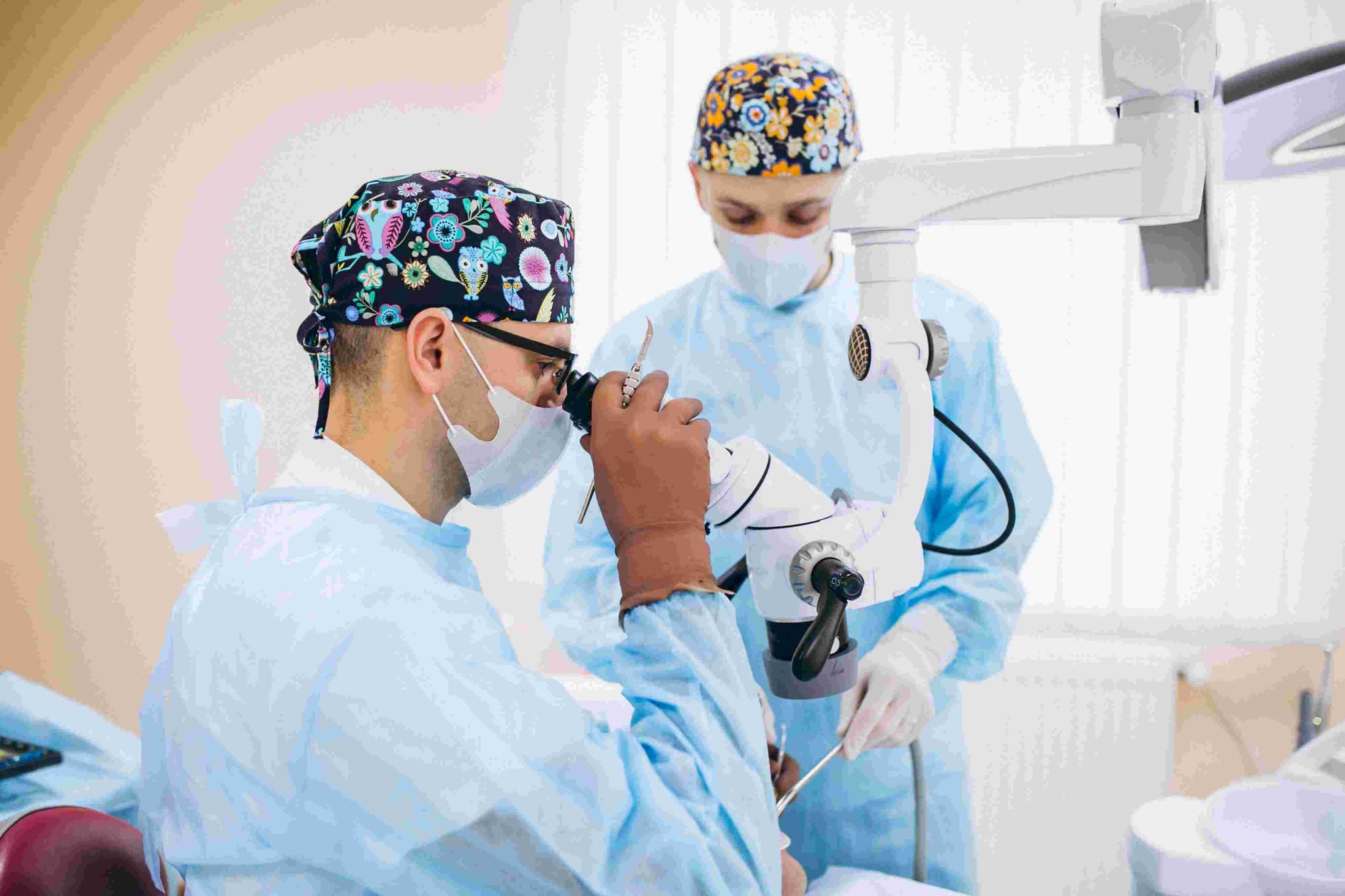
Manual Small Incision Cataract Surgery (MSICS or SICS) is a surgical technique where the clouded lens is manually removed through a specialized, self-sealing tunnel. It is primarily used as a cost-effective, high-volume alternative for treating advanced cataracts, especially in resource-limited settings. This procedure is a vital bridge in global eye care, offering outcomes comparable to more expensive technologies.
When You Should Consider MSICS
Mature or "Hard" Cataracts: When the cataract is very dense (black or brown) and may be difficult to break apart using ultrasound energy.
Cost-Effective Treatment: When seeking a high-quality surgical outcome at a lower price point compared to laser or ultrasonic methods.
Limited Infrastructure: Ideal for settings where consistent electricity or expensive high-tech maintenance is unavailable.
Complex Eye Conditions: Useful for patients with small pupils, weak fibers holding the lens (zonules), or a history of eye trauma.
Advanced Vision Loss: When the cataract has progressed to the point of "white" or "hypermature" stages, making other techniques riskier.
How Is Performed
Preparation: The eye is numbed using local or peribulbar anesthesia and sterilized with povidone-iodine.
Sclerocorneal Tunnel Construction: The surgeon creates a 5.5 mm to 7 mm triplanar tunnel in the sclera (the white of the eye) that extends into the cornea.
Capsulotomy: An opening is made in the lens capsule—the "bag" holding the lens—to access the cataract.
Hydrodissection: Fluid is injected to gently loosen the lens from its surrounding capsule.
Nucleus Delivery: The hard central part of the lens (nucleus) is manually expressed through the tunnel using specialized tools like an irrigating vectis or via hydrostatic pressure.
IOL Implantation: A permanent artificial intraocular lens (IOL) is inserted into the capsule to restore clear focus.
Closure: The tunnel's specific internal shape makes it self-sealing, meaning it stays closed due to natural eye pressure and usually does not require stitches.
Pre-Procedure Preparation
Biometry: Precise measurements of the eye's length and corneal curvature to determine the correct power for the artificial lens.
Infection Screen: Ensuring the eyelids and surrounding skin are free of infection or inflammation before the incision.
Medication Audit: Discussing current medications with the surgeon, particularly blood thinners or prostate medications that can affect the iris.
Fasting: Following clinical instructions regarding food and water intake on the day of the procedure.
Tests Before MSICS
Visual Acuity: Measuring the baseline level of vision impairment caused by the cataract.
Slit-Lamp Exam: A microscopic evaluation of the cataract's density and the health of the cornea and iris.
Intraocular Pressure (IOP): Checking the pressure inside the eye to ensure it is within a safe range for surgery.
B-Scan Ultrasound: Performed if the cataract is so dense that the surgeon cannot see the back of the eye, to ensure the retina is healthy.
Life After MSICS
Initial Vision: Vision often improves within 24 to 48 hours, though full stabilization and final healing typically take 4 to 6 weeks.
Medications: Patients must strictly use prescribed antibiotic and anti-inflammatory eye drops for several weeks.
Eye Protection: Wearing a protective shield or glasses to prevent accidental rubbing, especially while sleeping.
Activity Restrictions: Avoid heavy lifting, bending over, or getting water, soap, or dust in the eye for the first 1–2 weeks.
Follow-up: Attending scheduled appointments to monitor the healing of the self-sealing tunnel and check for any inflammation.
Why Specialized Treatment Is Highly Effective
Superior for Dense Cataracts: Allows for the safe removal of very hard lenses that might cause complications with other methods.
Rapid Visual Recovery: Provides a quick return to functional vision, which is essential for patients in high-volume settings.
Durability: The self-sealing tunnel is structurally strong and resistant to accidental trauma during the healing phase.
Accessibility: Eliminates the need for phacoemulsification machines, making life-changing surgery available in rural and remote areas.
Excellent Outcomes: When performed by skilled surgeons, the visual results and safety profile are excellent and long-lasting.
Small Incision Cataract Surgery (SICS) Cost in India
The cost of Small Incision Cataract Surgery (SICS) in India is generally affordable compared with many other countries, making India a popular destination for international patients seeking quality medical care. The treatment cost depends on factors such as the hospital, doctor's experience, treatment approach, medical condition, hospital stay, diagnostic tests, medicines, and any additional procedures required. For international patients, the starting cost of Small Incision Cataract Surgery (SICS) in India is approximately 200 USD, although the final price may vary based on individual treatment requirements. Patients are advised to obtain a personalized treatment estimate after medical evaluation.