Organs & Tissue Transplant
Department of Organ & Tissue Transplant in India
End-stage organ failure—whether involving the liver, kidneys, heart, or lungs—is a life-threatening medical challenge that restricts daily activity and severe long-term health. For international patients seeking a safe, legal, and highly successful surgical solution, the Department of Organ & Tissue Transplant in India provides world-class transplant surgery, strict ethical oversight, and complete post-operative care at a fraction of Western costs.
Functioning as a specialized coordination hub, our partner hospitals operate with dual surgical teams, state-of-the-art organ perfusion systems, and ultra-sterile positive-pressure isolation wards. We strictly adhere to the Transplantation of Human Organs and Tissues Act (THOTA) to ensure all living-donor transplants are legally compliant, ethical, and fully transparent.
Why Choose India for Organ & Tissue Transplants?
Up to 70% Cost Savings: Access complex living-donor kidney, liver, and bone marrow transplants at a significantly lower cost compared to the US, UK, or Europe.
JCI & NABH Accredited Transplant Centers: State-of-the-art facilities featuring dedicated Transplant ICUs, positive-pressure cleanrooms, and advanced HLA-DNA diagnostic laboratories.
High Success Rates: Leading Indian transplant centers match top international success benchmarks, achieving over 95% success rates for living-donor procedures.
End-to-End Legal & International Care: Complete assistance with Medical Visas, Embassy documentation, State Authorization Committee clearances, airport transfers, and long-term recovery housing.
Major Transplant Procedures We Offer
Our experienced surgical and medical teams specialize in complex living-donor and tissue transplant procedures tailored to recipient-donor compatibility:
Living-Donor Kidney Transplantation: Precision removal and micro-vascular surgical placement of a healthy kidney from a living relative.
Living-Donor Liver Transplantation (Adult & Pediatric): Partial liver resections using advanced split-liver techniques for severe cirrhosis and liver failure.
Bone Marrow & Stem Cell Transplantation (BMT): Autologous and allogeneic stem cell therapies for blood cancers and genetic immune disorders performed in cleanrooms.
ABO-Incompatible (ABOi) Transplants: Advanced apheresis antibody-removal protocols that permit successful transplants across non-matching blood groups.
Swap Transplants (Paired Exchange): Legal paired donor exchanges between two unmatched donor-recipient pairs under official Authorization Committee approval.
Organ Transplant Cost Comparison (USD)
Procedure Name | Avg. Cost in USA | Avg. Cost in UK | Avg. Cost in India | Typical Stay in India |
Living-Donor Kidney Transplant | $150,000 – $250,000 | $80,000 – $140,000 | $12,000 – $18,000 | 4 – 6 Weeks |
Living-Donor Liver Transplant | $250,000 – $450,000 | $150,000 – $250,000 | $28,000 – $38,000 | 6 – 8 Weeks |
Allogeneic Bone Marrow Transplant | $150,000 – $300,000 | $90,000 – $180,000 | $22,000 – $32,000 | 6 – 8 Weeks |
Corneal Tissue Transplant (Single Eye) | $12,000 – $20,000 | $8,000 – $13,000 | $2,500 – $4,000 | 1 – 2 Weeks |
Note: Final prices depend on donor evaluation costs, length of ICU stay, required immunosuppressant medications, hospital tier, and pre-existing medical conditions.
World-Class Facilities & Patient-Centric Infrastructure
Our partner transplant facilities feature cutting-edge preservation, diagnostic, and sterile isolation technologies:
Organ Perfusion & Preservation Systems: Specialized perfusion platforms designed to pump oxygenated blood and nutrients through organs during surgery.
High-Security HLA-DNA Diagnostic Lab: In-house genetic tissue typing and cross-matching facilities to verify biological compatibility and minimize rejection risks.
Ultra-Sterile Positive-Pressure ICUs: Dedicated recovery suites with continuous HEPA filtration and air pressure control to protect immunocompromised recipients.
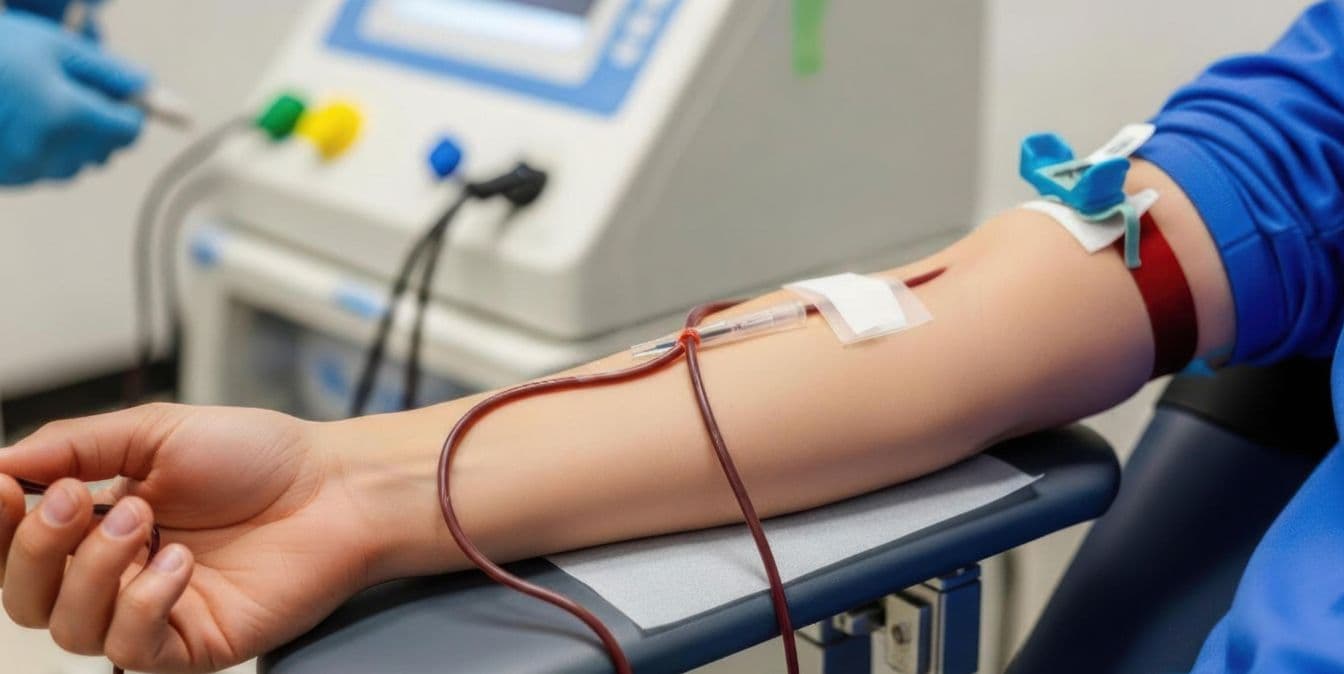
Therapeutic Apheresis & Blood Processing Units: High-tech blood filtration systems to clear target antibodies, enabling ABO-incompatible living transplants.
Multi-Disciplinary Expert Care Team
Transplant care requires seamless coordination between surgical masters, medical specialists, and legal authorities:
Transplant Surgeons: Elite surgical masters specializing in complex micro-vascular and biliary re-constructions.
Hepatologists & Nephrologists: Specialist physicians managing pre-operative stability and monitoring organ function and immunosuppression post-surgery.
Immunologists & Infectious Disease Experts: Laboratory scientists performing HLA cross-matching and protecting patients during the post-op immune-suppression phase.
Legal & Ethics Authorization Committees: Independent panels that verify relationship documents, consent affidavits, and legal compliance before surgery.
Transplant Coordinators & International Case Managers: Dedicated staff handling visa documentation, hospital logistics, legal file submissions, and post-discharge recovery housing.
Legal & Documentation Checklist for International Patients
Under Indian federal law (THOTA), foreign nationals must undergo strict legal approval before transplant surgery:
Living Related Donor: Foreign nationals must bring a living, genetically or legally related donor (spouse, parent, child, sibling, grandparent, or grandchild). Deceased donor waitlists are reserved for citizens, and commercial organ trade is strictly prohibited by law.
Proof of Relationship: Official birth certificates, marriage certificates, family photo albums, and DNA profiling reports.
Embassy NOC & Affidavits: A No Objection Certificate (NOC) and donor/recipient family consent affidavits issued by your home country's Embassy in India.
State Authorization Committee Approval: Final interview and file verification by a government-appointed Authorization Committee prior to scheduling surgery.
Frequently Asked Questions (FAQs)
Can an international patient receive a organ from a deceased donor in India?
No. Under Indian law, deceased donor organs are allocated strictly to domestic citizens via government registries (NOTTO). International patients must travel with a living related donor (such as a parent, child, sibling, spouse, or relative).
How long does the overall legal and medical process take in India?
Most international families spend 6 to 8 weeks in India. The initial 1 to 2 weeks are dedicated to donor-recipient medical evaluations and legal file preparation, followed by 1 to 2 weeks for Authorization Committee approval, surgery, and 3 to 4 weeks of outpatient recovery monitoring.
How do I start the legal clearance process before traveling?
You can send your clinical reports, donor details, and family relationship documents to Medivisor India Treatment. Our legal and clinical team will review your file, issue official hospital Medical Visa invitation letters, and guide you through the exact document checklist required by the Embassy.