Intra-articular Steroid Injection
Intra-articular Steroid Injections
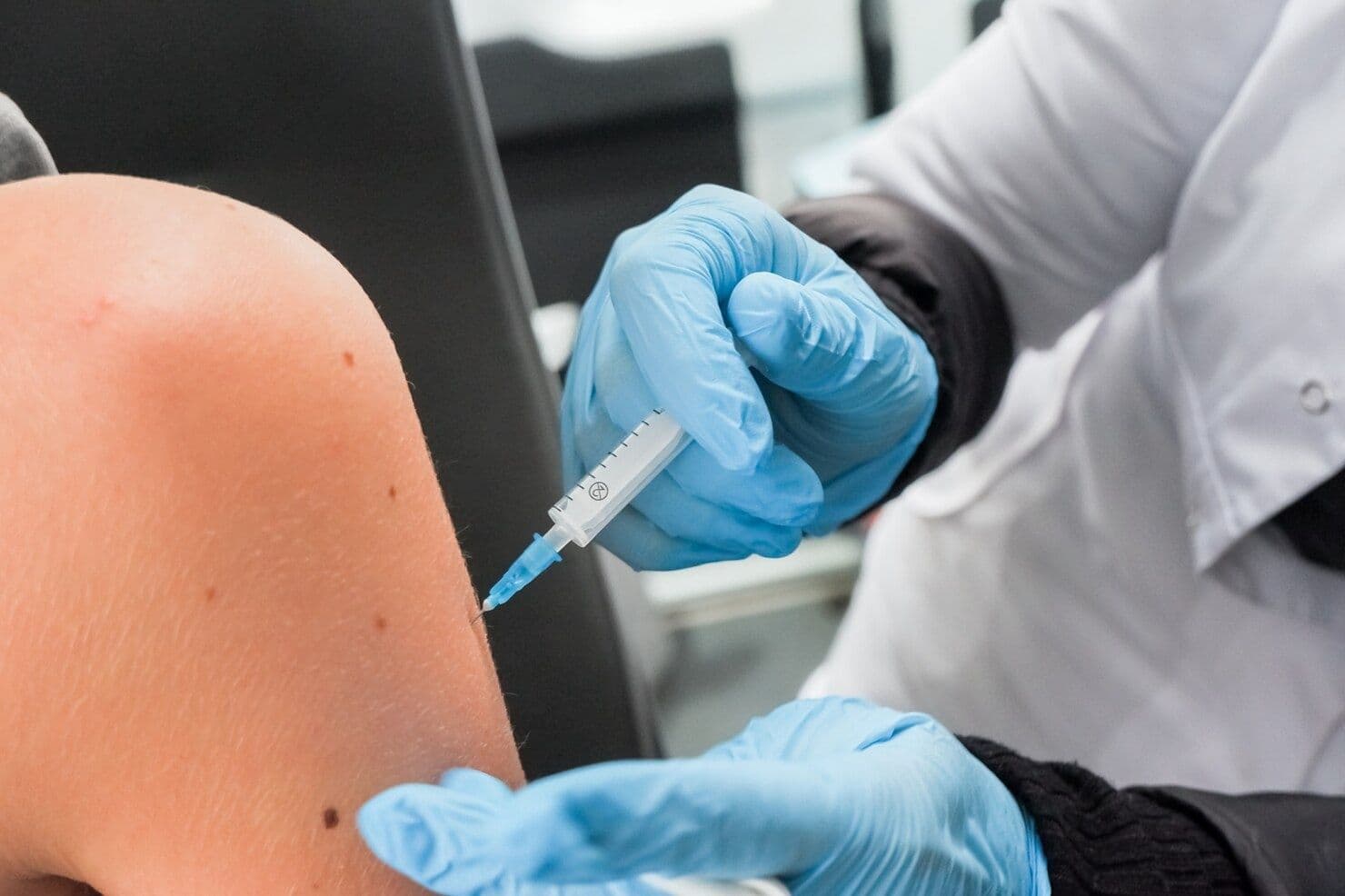
Intra-articular steroid injections involve the delivery of powerful anti-inflammatory medications (corticosteroids) directly into a joint space. This targeted approach allows for high concentrations of medicine to treat localized inflammation and pain while minimizing systemic side effects. They remain a primary tool for managing acute flares and chronic pain associated with degenerative and inflammatory joint conditions.
Why the Procedure is Performed
Osteoarthritis (OA): Providing relief for weight-bearing joints like the knee, hip, and shoulder when physical therapy or oral medications are no longer sufficient.
Inflammatory Arthritis: Managing localized "flares" in patients with Rheumatoid or Psoriatic arthritis.
Crystal-Induced Arthritis: Rapidly resolving the intense inflammation and pain caused by Gout or Pseudogout.
Bursitis and Tendonitis: Delivering targeted relief to the bursa sacs or tendons surrounding the joint structures.
Improving Mobility: Reducing swelling to allow patients to participate more effectively in physical rehabilitation and exercise.
Common Medications Used
Clinicians typically utilize long-acting crystalline steroids, often combined with a local anesthetic (such as lidocaine or bupivacaine) to provide both immediate diagnostic feedback and long-term relief.
Triamcinolone & Methylprednisolone: The most common long-acting agents used to suppress the immune response within the joint.
Microsphere Technology: Specialized extended-release formulations designed to provide consistent pain relief for up to 12 weeks.
Local Anesthetics: Often mixed with the steroid to provide instant, temporary numbing, which helps confirm the needle reached the exact source of pain.
The Procedure (Clinical Standards)
Imaging Guidance: For deep or complex joints—such as the hip, spine, or the small joints of the hand—the use of ultrasound or fluoroscopy is the clinical standard to ensure the medication reaches the intra-articular space rather than surrounding soft tissue.
Sterile Preparation: The skin is thoroughly cleaned with antiseptic to prevent the introduction of bacteria into the joint.
Numbing: A local anesthetic is applied to the skin and needle track to maximize patient comfort.
Aspiration: If excess fluid (effusion) is present, the clinician will often remove it (arthrocentesis) before injecting the steroid to improve the medication's effectiveness.
Injection & Distribution: The steroid is injected, and the joint may be gently moved to help distribute the medication throughout the capsule.
Innovations in Joint Injections
Biologic "Bridge" TherapiesThe integration of steroids with biologics or platelet-rich plasma (PRP) to combine immediate inflammation control with long-term tissue support.
AI-Assisted Needle TrackingAdvanced imaging software that highlights the optimal entry point and real-time needle trajectory, reducing the risk of hitting nerves or vessels.
Smart-Relief MicrospheresBiodegradable spheres that release the steroid slowly over several months, preventing the "peak and trough" effect of traditional injections.
Non-Crystalline FormulationsNewer steroid types that reduce the risk of "steroid flare" (post-injection irritation) by dissolving more smoothly in the synovial fluid.
Digital Patient MonitoringUsing wearable sensors to track a patient’s range of motion and activity levels before and after the injection to objectively measure success.
Risks and Considerations
Frequency Limits: Injections are typically limited to 3–4 times per year in a single joint to prevent potential damage to the joint cartilage.
The "Steroid Flare": A temporary increase in pain for 24–48 hours as the medicine settles; this is usually managed with ice and rest.
Septic Arthritis Risk: While extremely rare, any joint entry carries a minor risk of infection, requiring strict sterile protocols.
Metabolic Impact: Diabetics should monitor their blood glucose, as localized steroids can cause a temporary systemic spike in sugar levels.
Skin Changes: Potential for localized thinning of the skin (atrophy) or loss of pigment at the injection site.
Why This Treatment Is Highly Effective
Targeted Potency: Delivers a high dose of anti-inflammatory power directly to the source of pain without the stomach or kidney risks of oral pills.
Rapid Onset: Most patients experience significant relief within 3 to 7 days, with the anesthetic providing a "preview" of relief within minutes.
Delays Surgery: Can successfully manage symptoms for years, allowing patients to postpone or avoid invasive joint replacement surgeries.
Facilitates Rehab: By "quieting" a painful joint, it creates a window of opportunity for physical therapy to strengthen the surrounding muscles.
Life After a Joint Injection
A significant reduction in daily pain levels and a noticeable increase in joint flexibility and function.
Resumption of low-impact activities, such as walking, swimming, or cycling, with less discomfort.
A clear follow-up plan with your specialist to determine if further injections or alternative therapies are needed.
The peace of mind that comes from a minimally invasive, office-based solution for chronic joint inflammation.
Intra-articular Steroid Injection Cost in India
The cost of Intra-articular Steroid Injection in India is generally affordable compared with many other countries, making India a popular destination for international patients seeking quality medical care. The treatment cost depends on factors such as the hospital, doctor's experience, treatment approach, medical condition, hospital stay, diagnostic tests, medicines, and any additional procedures required. For international patients, the starting cost of Intra-articular Steroid Injection in India is approximately 100 USD, although the final price may vary based on individual treatment requirements. Patients are advised to obtain a personalized treatment estimate after medical evaluation.