Intrauterine Insemination (IUI)
Intrauterine Insemination (IUI)
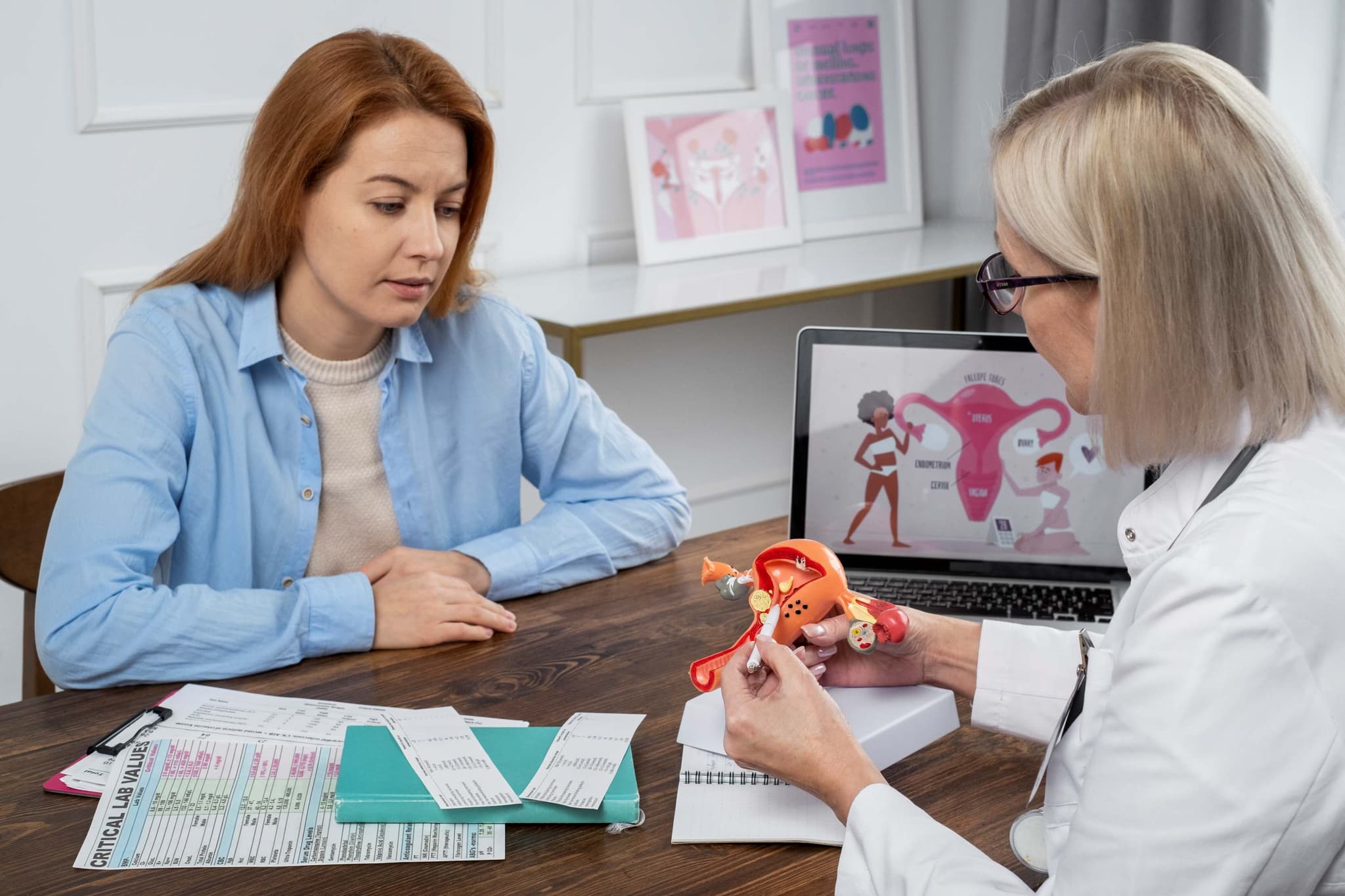
Intrauterine Insemination (IUI) is a widely used, non-invasive first-line fertility treatment designed to bridge the gap between natural conception and more complex assisted reproductive technologies. This procedure involves placing specially washed and concentrated sperm directly into the uterus around the time of ovulation. By bypassing the cervix and reducing the distance sperm must travel to reach the egg, IUI significantly increases the chances of fertilization for many couples.
When You Should Consider IUI
Unexplained infertility where no clear biological barrier has been identified.
Mild male factor infertility, including slightly lower sperm count or motility.
Cervical mucus issues that may prevent sperm from entering the uterus naturally.
Use of donor sperm for single women or same-sex couples.
Semen allergy (rare cases) where proteins in the seminal fluid cause a reaction.
Ejaculatory dysfunction or physical barriers to natural intercourse.
Conditions That Require Specialized Care
Polycystic Ovary Syndrome (PCOS) requiring carefully monitored ovulation induction.
Endometriosis (Stage I or II) where pelvic anatomy remains relatively undisturbed.
Minor hormonal imbalances that interfere with regular ovulation cycles.
Vaginismus or other conditions that make traditional intercourse difficult.
Cases requiring "washed" sperm to remove prostaglandins that cause uterine cramping.
How Intrauterine Insemination Is Performed
Ovulation is tracked through at-home monitoring kits or clinical ultrasound scans.
Ovarian stimulation may be used to encourage the development of one to three mature follicles.
A sperm sample is collected and "washed" in a specialized lab to isolate highly motile sperm.
The concentrated sperm sample is loaded into a thin, flexible, high-precision catheter.
The physician gently inserts the catheter through the cervix and into the uterine cavity.
The sperm is injected directly into the uterus, a process that takes only a few minutes and requires no anesthesia.
Modern Innovations in IUI
Advanced Sperm Washing (Density Gradient)A refined laboratory technique that separates the healthiest, most motile sperm from debris and immotile cells.
AI-Powered Follicle TrackingAutomated ultrasound software that precisely predicts the peak window of ovulation for optimal timing.
Microfluidic Sperm SelectionA gentle, chemical-free sorting method that selects sperm with the highest DNA integrity.
High-Definition Insemination CathetersUltra-thin, soft-tip catheters designed to minimize uterine irritation and maximize patient comfort.
Hormonal Trigger OptimizationThe use of precision medications to ensure the egg is released exactly when the sperm is introduced.
Digital Cycle MonitoringIntegrated health apps that allow patients to sync their monitoring data directly with the clinic’s laboratory.
Pre-Procedure Preparation
Comprehensive fertility screening to ensure the fallopian tubes are open and functional.
Lifestyle adjustments, including a balanced diet and moderate exercise, to support egg and sperm quality.
Coordination of a monitoring schedule to identify the exact 24-48 hour window of ovulation.
Abstinence for 2-5 days for the male partner prior to the procedure to optimize the sperm sample.
Discussion of the potential for multiple pregnancies if using ovulation-stimulating medications.
Pre-Procedure Tests
Hysterosalpingogram (HSG) to confirm that at least one fallopian tube is clear.
Semen analysis to ensure the processed sample will meet the minimum motile sperm count.
Anti-Müllerian Hormone (AMH) and FSH testing to assess ovarian reserve.
Transvaginal Ultrasound to measure the thickness of the endometrial lining.
Standard infectious disease screening for both partners as required by medical protocols.
Why This Treatment Is Highly Effective
Acts as a successful, low-cost entry point for couples with mild fertility hurdles.
Bypasses "cervical factor" infertility, where the cervix may be hostile to sperm.
Delivers a high concentration of motile sperm directly to the site of fertilization.
Allows for a more natural conception process compared to IVF, as fertilization still occurs within the body.
Provides high cumulative success rates, with many couples achieving pregnancy within three to six cycles.
Recovery and Monitoring
Patients can return to all normal daily activities immediately following the procedure.
Minor spotting or light cramping may occur but typically resolves within a few hours.
A "Two-Week Wait" (2WW) period begins, during which the patient monitors for early signs of pregnancy.
A follow-up pregnancy test (urine or blood-based Beta-hCG) is performed 14 days post-IUI.
If successful, a confirmatory ultrasound is scheduled to monitor early fetal development.
Life After IUI
Transition to routine obstetric care for a healthy, natural-term pregnancy.
Resolution of infertility through a less invasive and more affordable medical pathway.
Opportunity to move toward more advanced treatments (like IVF) if IUI does not result in pregnancy after several attempts.
Ongoing reproductive health monitoring to prepare for future family-building goals.
Peace of mind from having utilized a scientifically proven, time-tested fertility method.
Intrauterine Insemination (IUI) Cost in India
The cost of Intrauterine Insemination (IUI) in India is generally affordable compared with many other countries, making India a popular destination for international patients seeking quality medical care. The treatment cost depends on factors such as the hospital, doctor's experience, treatment approach, medical condition, hospital stay, diagnostic tests, medicines, and any additional procedures required. For international patients, the starting cost of Intrauterine Insemination (IUI) in India is approximately 100 USD, although the final price may vary based on individual treatment requirements. Patients are advised to obtain a personalized treatment estimate after medical evaluation.