Trusted by 3,500+ International Patients Across 15+ Countries | Speak with a Dedicated Medical Coordinator 24/7 | Personalized Care Every Step of the Way
+91 83682 47758
info@medivisorhealth.com
Medivisor India Treatment Logo
  • Home
    • About Us
    • Our Services
    • Our Team
    • Our Safety Measures
    • Loading treatments...
    • Loading hospitals...
    • Loading doctors...
    • Treatment Cost
    • Treatment Process
    • Visa Process
    • Travel Guide
    • FAQs
    • Why Medivisor
    • Success Stories
    • Patient Activities
    • Social Activities
    • News Coverage
    • Blog
  • Become a Partner

Medivisor India Treatment is a trusted New Delhi–based medical travel partner connecting global patients to advanced, affordable, high-quality healthcare in India.

  • Medivisor House 359, Sector 1, Vaishali, Ghaziabad, (Delhi/NCR) India
  • +91 8368 247 758
  • info@medivisorhealth.com

About Us

  • About Us
  • Our Services
  • Our Team
  • Our Medical Advisors
  • Our Safety Measures
  • Join Our Network
  • Contact Us

India Treatment

  • Hospitals
  • Treatments
  • Treatment Cost
  • Treatment Process
  • Visa Process
  • Travel Guide
  • FAQs
  • Why Medivisor

Gallery

  • Patient Testimonials
  • Patient Activities
  • News Coverage
  • Blog

Get in Touch

© 2026 Medivisor India Treatment. All rights reserved.

Intravenous (IV) Chemotherapy treatment

Intravenous (IV) Chemotherapy

  1. Home
  2. Treatment
  3. Intravenous (IV) Chemotherapy

Intravenous (IV) Chemotherapy

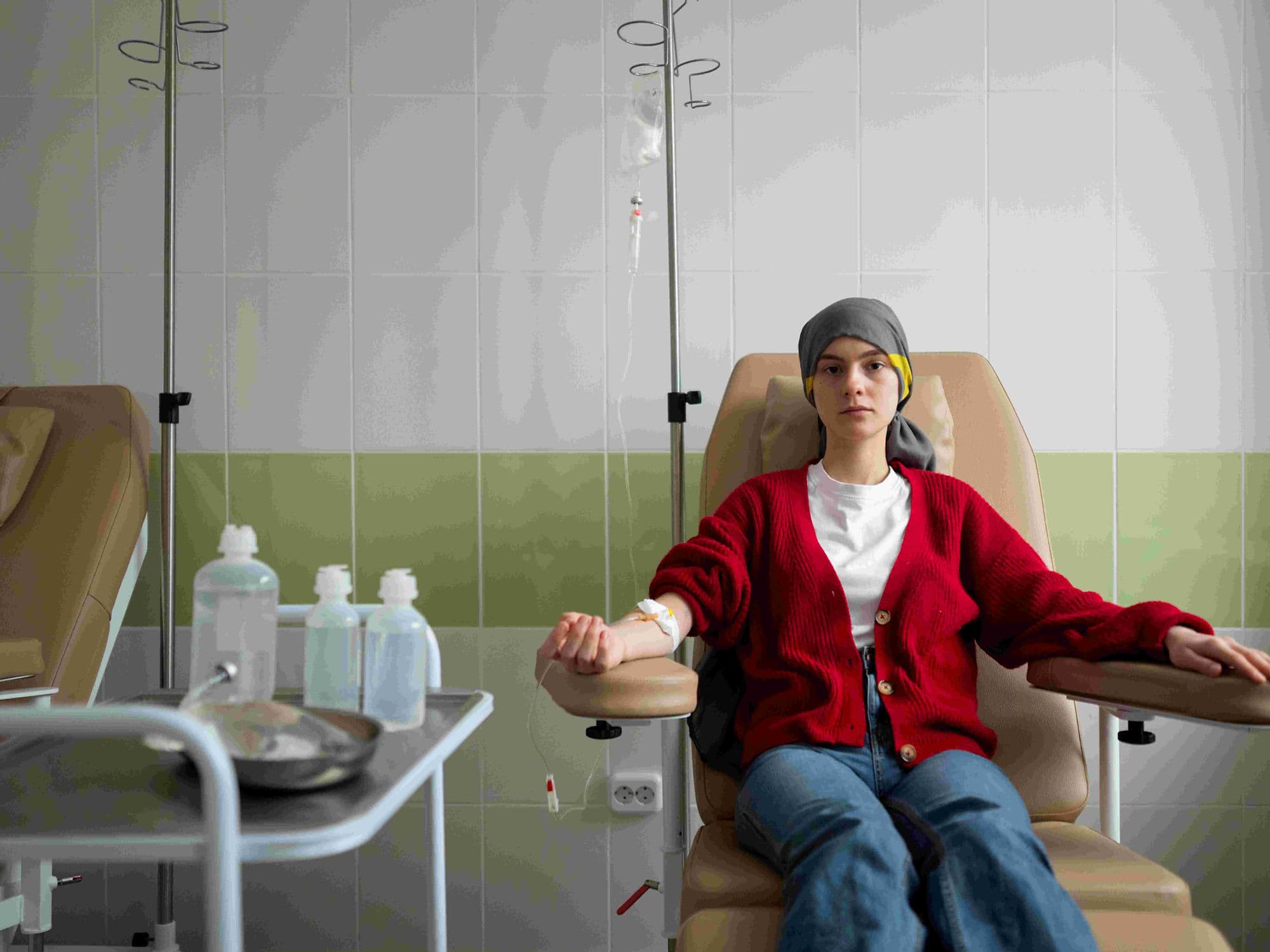
Intravenous (IV) Chemotherapy is the systemic administration of cytotoxic (cell-killing) drugs directly into the circulatory system. Because the drugs enter the bloodstream immediately, they reach almost all areas of the body, making this the primary treatment for cancers that have spread or carry a high risk of spreading. many IV protocols are now paired with targeted therapies or immunotherapies to increase effectiveness while attempting to spare more healthy cells.

When You Should Consider IV Chemotherapy

  • Systemic Treatment: When cancer cells have potentially moved beyond the original tumor site into the lymph nodes or other organs.

  • Neoadjuvant Therapy: To shrink a large tumor before surgery, making the operation safer and more effective.

  • Adjuvant Therapy: To kill any "microscopic" cancer cells that might remain after a tumor has been surgically removed.

  • Palliative Care: To reduce the size of tumors that are causing pain or obstructing organs, even if a total cure is not the primary goal.

  • Ineligibility for Oral Meds: When a specific cancer type only responds to drugs that would be destroyed by stomach acid if taken as a pill.

Access Methods (How the drug enters the body)

  • Peripheral IV Cannula: A short plastic catheter inserted into a vein in the hand or forearm; replaced for every session.

  • PICC Line: A long, flexible tube inserted into the upper arm with the tip sitting in a large vein near the heart; can stay in for months.

  • Implantable Port (Chemo-Port): A small, drum-like device surgically placed under the skin of the chest. This is a standard for long-term treatment as it allows for a more active lifestyle.

  • Central Line: A catheter inserted into a large vein in the neck or chest, typically reserved for high-volume or intensive bone marrow treatments.

  • Scalp Cooling: While not an access method, many IV centers now offer "cold caps" during infusion to help reduce chemotherapy-induced hair loss.

How IV Chemotherapy Is Administered

  • Pre-Medication: 30–60 minutes before chemo, patients receive a "cocktail" of anti-nausea drugs, steroids, and antihistamines to prevent reactions.

  • IV Push (Bolus): The nurse manually injects the drug using a syringe over a few minutes for quick-acting doses.

  • IV Infusion: The most common method, where drugs drip from a bag through an electronic pump over 30 minutes to several hours.

  • Continuous Infusion: Using a small, portable pump that delivers a slow dose over 24 to 48 hours while the patient is at home.

  • The Cycle System: Treatment is given in "cycles" (e.g., 1 day of chemo followed by 21 days of rest) to allow healthy blood cells and the mouth lining to recover.

Pre-Procedure Preparation

  • Blood Tests: A Complete Blood Count (CBC) is required 24–48 hours before every dose to ensure white blood cells (neutrophils) are high enough.

  • Hydration: Drinking plenty of water the day before and the morning of treatment helps protect the kidneys and makes veins easier to find.

  • Nutrition: A light meal is usually recommended; avoid heavy or greasy foods that might trigger nausea during the infusion.

  • Port Care: If you have an implantable port, apply a numbing cream to the skin over the site about an hour before your appointment.

  • Transport: Because pre-meds can cause drowsiness, you should have someone drive you home after your first few sessions.

Tests During Chemotherapy

  • Tumor Markers: Periodic blood tests to see if specific cancer proteins (like CEA or CA-125) are decreasing.

  • Nadir Checks: Blood counts taken 7–14 days after a dose (the "nadir") when the immune system is at its lowest point.

  • Imaging (CT/PET/MRI): Scans are typically performed every 2 to 3 cycles to physically measure if the tumor is shrinking.

  • Echocardiogram: Some chemo drugs can affect heart strength, requiring regular monitoring of the "ejection fraction."

  • Organ Panels: Frequent blood tests to ensure the kidneys and liver are successfully filtering toxins from the body.

Life During Chemotherapy

  • Infection Prevention: Because chemo causes "neutropenia" (low white blood cells), avoid large crowds and wash hands frequently.

  • Dietary Management: Focus on high-protein, easy-to-digest foods. Many clinics provide personalized plans to manage taste changes.

  • Activity: Light walking is encouraged to combat "chemo-fatigue," though it is important to rest when the body requires it.

  • Skin & Hair Care: Use gentle, fragrance-free lotions. If hair loss is expected, some patients choose to cut their hair short before the second cycle.

  • The "Emergency Fever": Any fever over 38°C (100.4°F) during chemo is a medical emergency and requires immediate contact with the oncology team.

Benefits of IV Chemotherapy

  • Comprehensive Reach: Effectively treats cancer cells that may have migrated to parts of the body not visible on standard scans.

  • Rapid Action: Entering the bloodstream directly allows for high concentrations of medicine to begin killing cancer cells immediately.

  • Proven Durability: For many cancers, IV chemotherapy remains the most researched and reliable method for achieving long-term remission.

  • Flexible Combinations: IV access allows doctors to easily switch or combine different drugs as the cancer responds or changes.

  • Modern Management: Advanced anti-nausea medications have made the treatment experience significantly more tolerable.

May we help you?

Enter digits only (6-15 digits). We'll add your country code.

Related Doctors

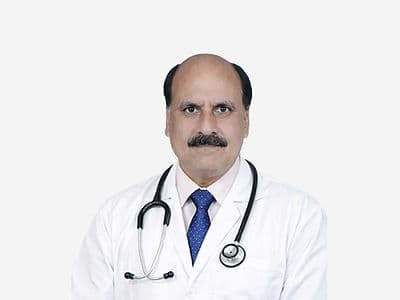
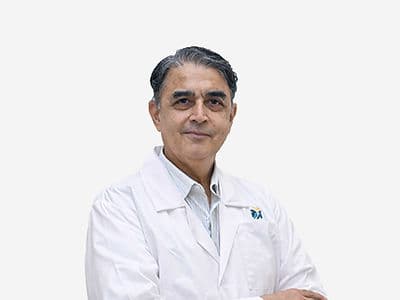
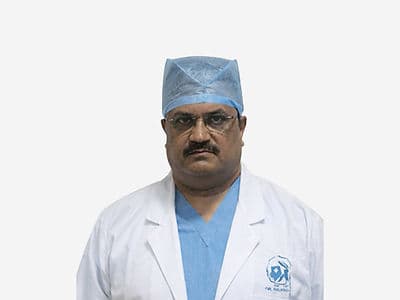
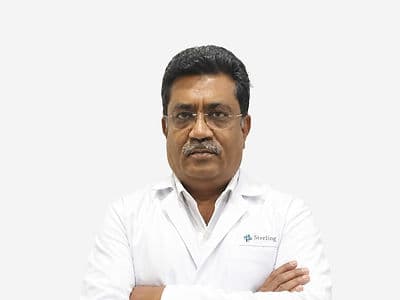
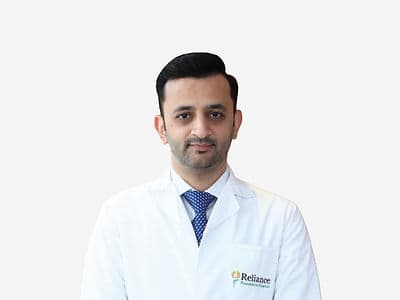
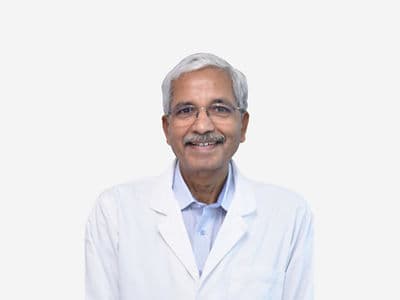
Dr R K Choudhary
Dr R K Choudhary
BMT Specialist, Hemato-Oncologist, Medical Oncologist
16+years experience
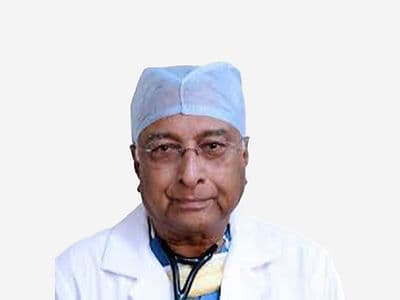
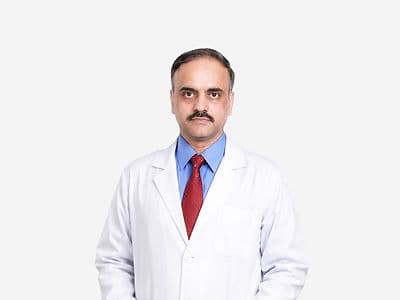
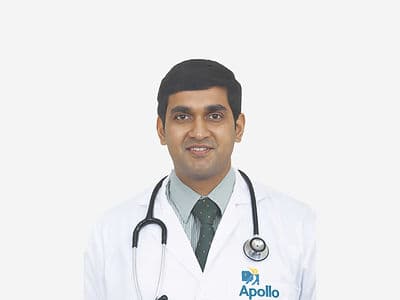
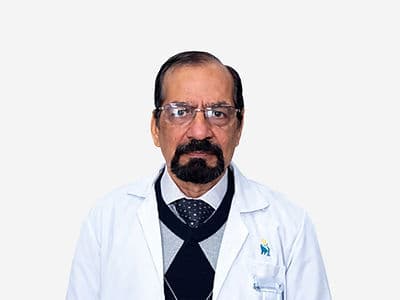
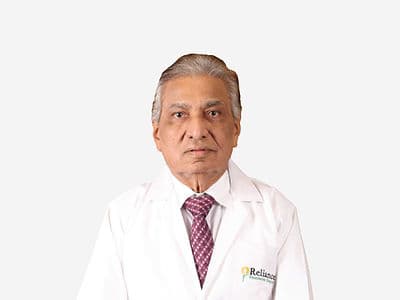
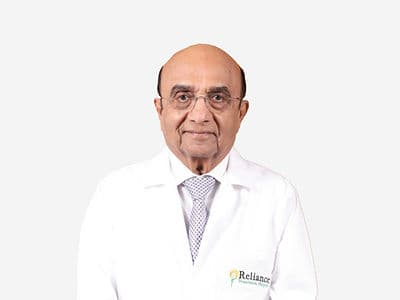
Dr Lalit Kumar
Dr Lalit Kumar
BMT Specialist, Hemato-Oncologist, Medical Oncologist
44+years experience
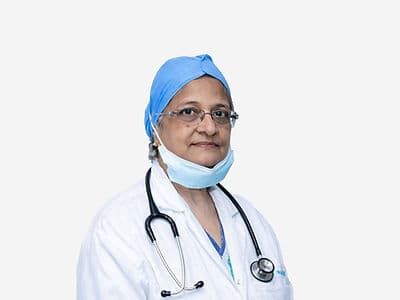
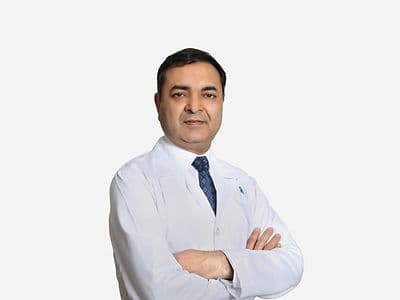
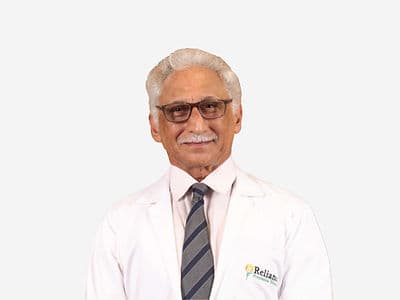
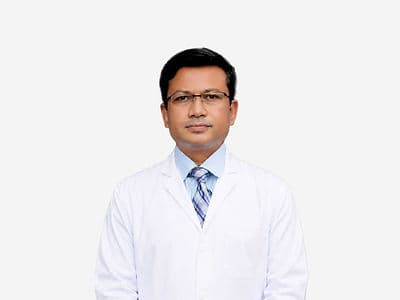
Dr Prasad Narayanan
Dr Prasad Narayanan
BMT Specialist, Hemato-Oncologist, Medical Oncologist
28+years experience
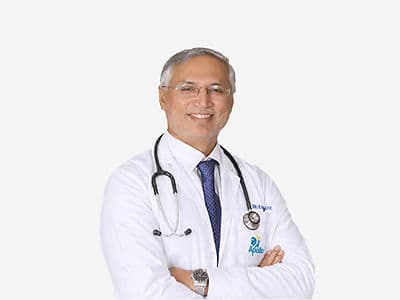
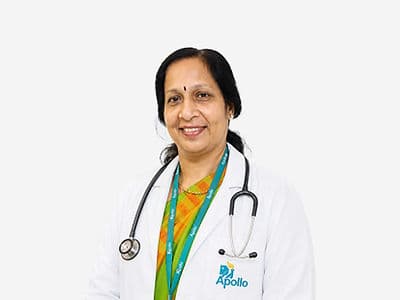
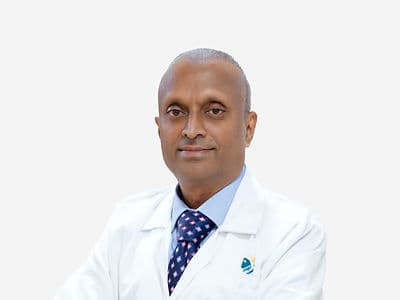
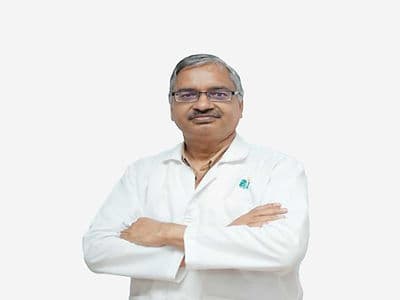
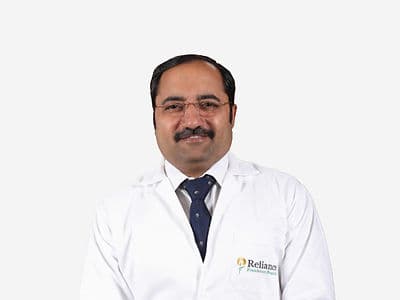
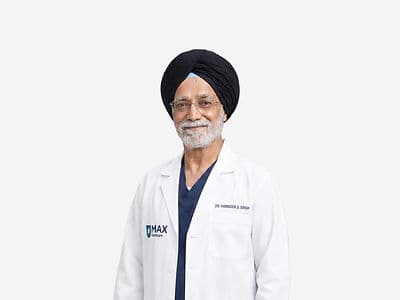
Dr Ashok Kumar Vaid
Dr Ashok Kumar Vaid
Hemato-Oncologist, Medical Oncologist
42+years experience
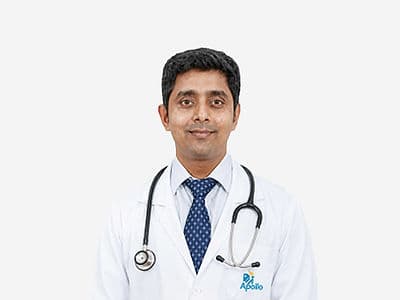
Dr Ankur Bahl
Dr Ankur Bahl
Hemato-Oncologist, Medical Oncologist
15+years experience
Dr Vinod Raina
Dr Vinod Raina
Medical Oncologist
40+years experience
Dr Meenu Walia
Dr Meenu Walia
Medical Oncologist
36+years experience
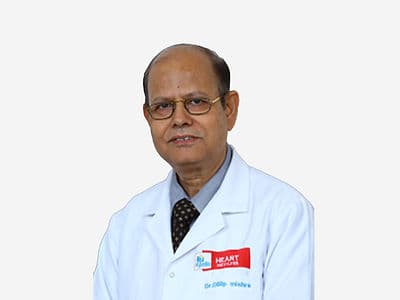
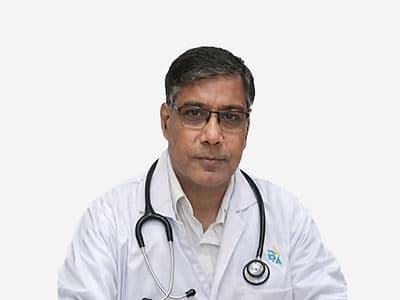
Dr P K Das
Dr P K Das
Medical Oncologist
21+years experience
Dr Suresh Advani
Dr Suresh Advani
Medical Oncologist
46+years experience
Dr Boman Nariman Dhabhar
Medical Oncologist
22+years experience
Dr Pritam Kataria
Dr Pritam Kataria
Medical Oncologist
5+years experience
Dr Shekar Patil
Dr Shekar Patil
Medical Oncologist
29+years experience
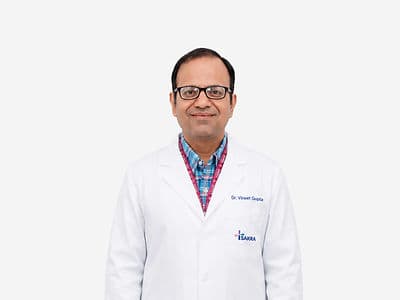
Dr Vineet Gupta
Dr Vineet Gupta
Medical Oncologist
32+years experience
Dr Vijay Agarwal
Dr Vijay Agarwal
Medical Oncologist
18+years experience
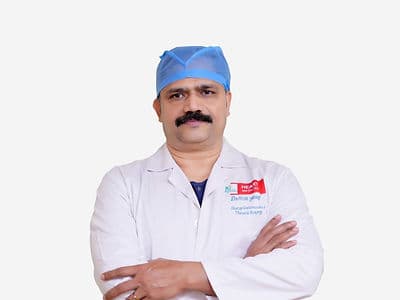
Dr Nikhil Suresh Ghadyalpatil
Medical Oncologist
18+years experience
Dr Shona Nag
Dr Shona Nag
Medical Oncologist
27+years experience

Related Hospitals

Aakash Healthcare Super Specialty Hospital

Multi-Super Specialty

New Delhi, Delhi NCR

2011

Estd.
260+

Beds

115+

Doctors

Aditya Birla Memorial Hospital

Multi Specialty

Pune, Maharashtra

2006

Estd.
500+

Beds

150+

Doctors

AIG Hospital, Banjara Hills

Multi Specialty

Hyderabad, Telangana

2025

Estd.

300+

Beds

50+

Doctors

AIG Hospital, Gachibowli

Multi-Super Specialty

Hyderabad, Telangana

1994

Estd.

800+

Beds

270+

Doctors

Amrita Hospital, Faridabad

Multi-Super Specialty

Faridabad, Delhi NCR

2022

Estd.

2600+

Beds

800+

Doctors

Amrita Hospital, Kochi

Multi Specialty

Kochi, Kerala

1998

Estd.

1350+

Beds

800+

Doctors

Apollo Adlux Hospital

Multi Specialty

Kochi, Kerala

2019

Estd.

300+

Beds

150+

Doctors

Apollo Athenaa Women's Cancer Centre

Cancer Specialty

New Delhi, Delhi NCR

2025

Estd.

50+

Beds

10+

Doctors

Apollo BGS Hospital, Mysore

Multi Specialty

Mysore, Karnataka

2001

Estd.

290+

Beds

100+

Doctors

Apollo Cancer Centre, Bhat

Cancer Specialty

Gandhinagar, Gujarat

2003

Estd.

300+

Beds

100+

Doctors

Apollo Health City, Jubilee Hills

Multi Specialty

Hyderabad, Telangana

1988

Estd.

550+

Beds

200+

Doctors

Apollo Hospital Health City, Arilova, Vizag

Multi Specialty

Visakhapatnam, Andhra Pradesh

2016

Estd.

350+

Beds

100+

Doctors

Apollo Hospital International Ltd, Ahmedabad

Multi Specialty

Ahmedabad, Gujarat

2003

Estd.

300+

Beds

100+

Doctors

Apollo Hospital, Bannerghatta Road

Multi Specialty

Bengaluru, Karnataka

2007

Estd.

250+

Beds

120+

Doctors

Apollo Hospital, Bhubaneswar

Multi Specialty

Bhubaneswar, Odisha

2010

Estd.

350+

Beds

100+

Doctors

Apollo Hospital, Bilaspur

Multi Specialty

Bilaspur, Chhattisgarh

2001

Estd.

300+

Beds

65+

Doctors

Apollo Hospital, G S Road

Multi Specialty

Guwahati, Assam

2017

Estd.

215+

Beds

75+

Doctors

Apollo Hospital, Greams Road, Chennai

Multi Specialty

Chennai, Tamil Nadu

1983

Estd.

560+

Beds

300+

Doctors

Apollo Hospital, Hyderguda

Multi Specialty

Hyderabad, Telangana

2011

Estd.

200+

Beds

110+

Doctors

Apollo Hospital, Navi Mumbai

Multi Specialty

Mumbai, Maharashtra

2016

Estd.

500+

Beds

230+

Doctors

May we help you?

Enter digits only (6-15 digits). We'll add your country code.