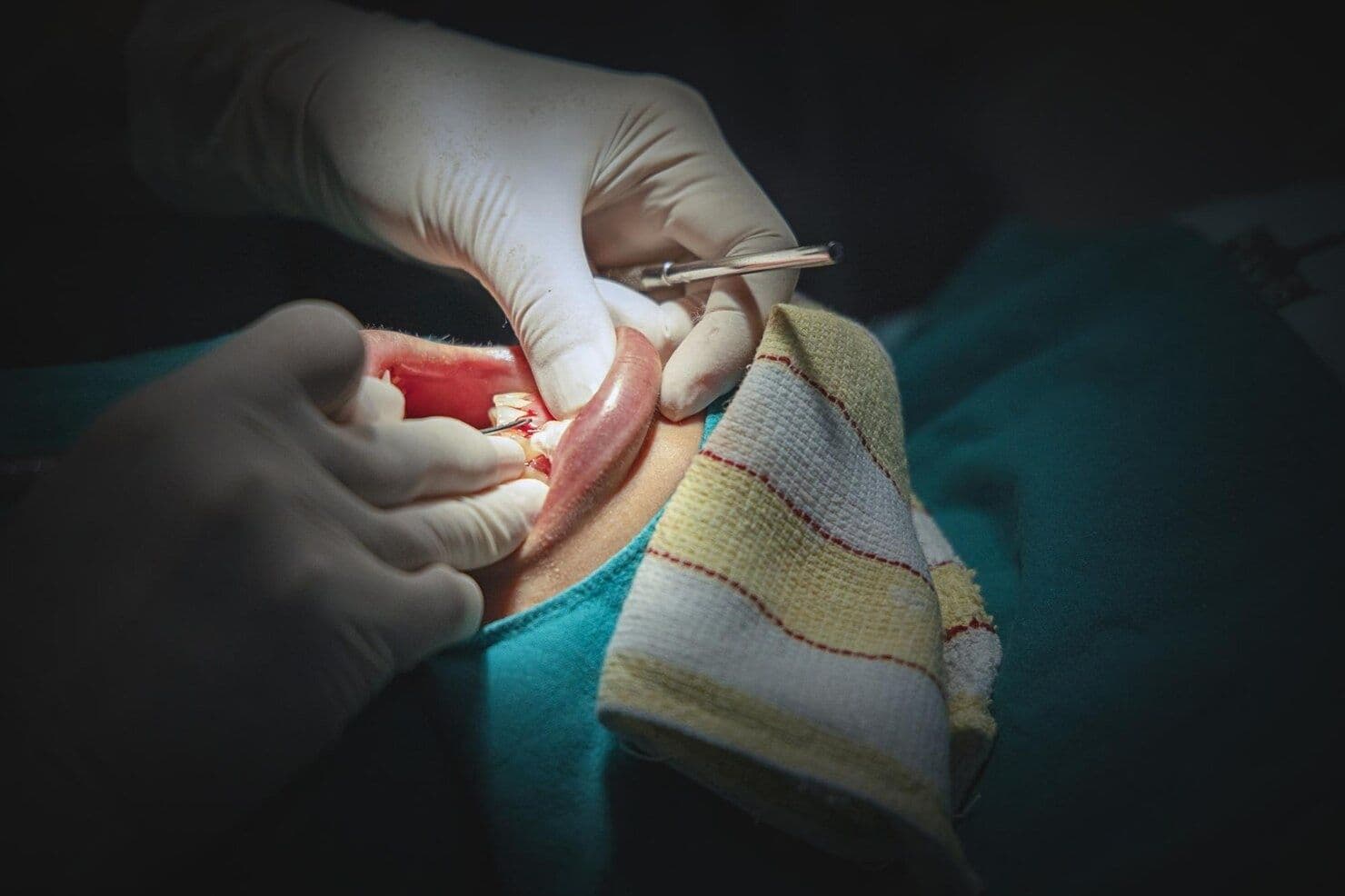
Polypectomy (Uterine Polyp Removal)
Uterine Polypectomy
A uterine polypectomy is a minimally invasive surgical procedure to remove polyps—small, usually benign (non-cancerous) growths—from the lining of the uterus (endometrium). It is the most effective way to stop abnormal bleeding and improve fertility related to polyps. This procedure targets the growths directly, providing immediate diagnostic and therapeutic results.
When You Should Consider a Uterine Polypectomy
Abnormal Uterine Bleeding: If you experience heavy periods, bleeding between your cycles, or any bleeding after menopause.
Infertility: Polyps can interfere with the uterine environment, sometimes acting like a natural "IUD" and preventing an embryo from implanting.
Recurrent Miscarriage: When polyps distort the uterine cavity or interfere with the blood supply to a developing fetus.
Irregular Cycles: Persistent spotting or unpredictable cycles that are not resolved by hormonal medications.
Post-Menopausal Spotting: Any amount of bleeding after menopause should be investigated, as polyps are a common cause.
How Is Performed
Access: This is a "scarless" surgery. The surgeon inserts a hysteroscope (a thin telescope with a camera) through the vagina and cervix into the uterus. No abdominal incisions are made.
Anesthesia: The procedure is typically performed in an outpatient setting under local anesthesia, light sedation, or general anesthesia, taking 15 to 45 minutes.
Expansion: The uterus is filled with a saline solution or gas to expand the cavity, providing the surgeon with a high-definition, panoramic view of the polyps.
Removal: The surgeon uses specialized micro-instruments—such as a small wire loop (resectoscope), tiny scissors, or a mechanical morcellator—to snip or shave the polyp off at its base.
Biopsy: The removed polyps are almost always sent to a laboratory for pathology testing to confirm they are benign and rule out any cellular abnormalities.
Pre-Procedure Preparation
Timing Your Procedure: Ideally performed during the first week after your period ends, when the uterine lining is at its thinnest and polyps are easiest to see.
Pregnancy Test: A mandatory check to ensure you are not pregnant before any instruments are introduced into the uterus.
Pelvic Imaging: A recent ultrasound or saline sonogram is required to map the location and size of the polyps.
Fasting: Following "nothing by mouth" instructions for 6–8 hours if your procedure involves sedation or general anesthesia.
Medication Audit: You may be advised to take an anti-inflammatory pain reliever an hour before the procedure to minimize post-operative cramping.
Tests Before Uterine Polypectomy
Saline Infusion Sonogram (SIS): A specialized ultrasound that uses fluid to outline the uterine cavity and highlight the polyps.
Diagnostic Hysteroscopy: Often performed just prior to the removal to confirm the surgical plan.
Cervical Screening: To ensure there are no active infections or cervical issues that could complicate the entry of the hysteroscope.
ECG: A routine heart check for patients undergoing sedation or general anesthesia.
Life After Uterine Polypectomy
Recovery Time: Most patients are able to return to their normal daily routine within 1 to 2 days.
Immediate Symptoms: It is normal to experience mild cramping and light vaginal spotting or a "watery" discharge for 3 to 7 days.
Pain Management: Over-the-counter pain relief (like ibuprofen) is usually sufficient to manage any temporary discomfort.
Activity Restrictions: You should avoid sexual intercourse, tampons, and douching for 1 to 2 weeks to prevent infection and allow the uterine lining to heal.
Cycle Regulation: Most women see an immediate improvement in their menstrual regularity and a significant reduction in heavy bleeding.
Why Specialized Treatment Is Highly Effective
Incision-Free Procedure: The lack of external cuts means no visible scarring and a near-instantaneous recovery compared to traditional surgery.
Fertility Boost: Removing polyps significantly increases the success rates of both natural conception and assisted reproductive treatments like IVF.
Definitive Results: Provides both a cure for the bleeding and a tissue sample for biopsy in a single, short session.
High Precision: Specialized mechanical morcellators allow for the rapid removal of multiple polyps with minimal trauma to the surrounding healthy endometrium.
Immediate Symptom Relief: Most patients notice a dramatic difference in their very next menstrual cycle following the procedure.
Polypectomy (Uterine Polyp Removal) Cost in India
The cost of Polypectomy (Uterine Polyp Removal) in India is generally affordable compared with many other countries, making India a popular destination for international patients seeking quality medical care. The treatment cost depends on factors such as the hospital, doctor's experience, treatment approach, medical condition, hospital stay, diagnostic tests, medicines, and any additional procedures required. For international patients, the starting cost of Polypectomy (Uterine Polyp Removal) in India is approximately 300 USD, although the final price may vary based on individual treatment requirements. Patients are advised to obtain a personalized treatment estimate after medical evaluation.