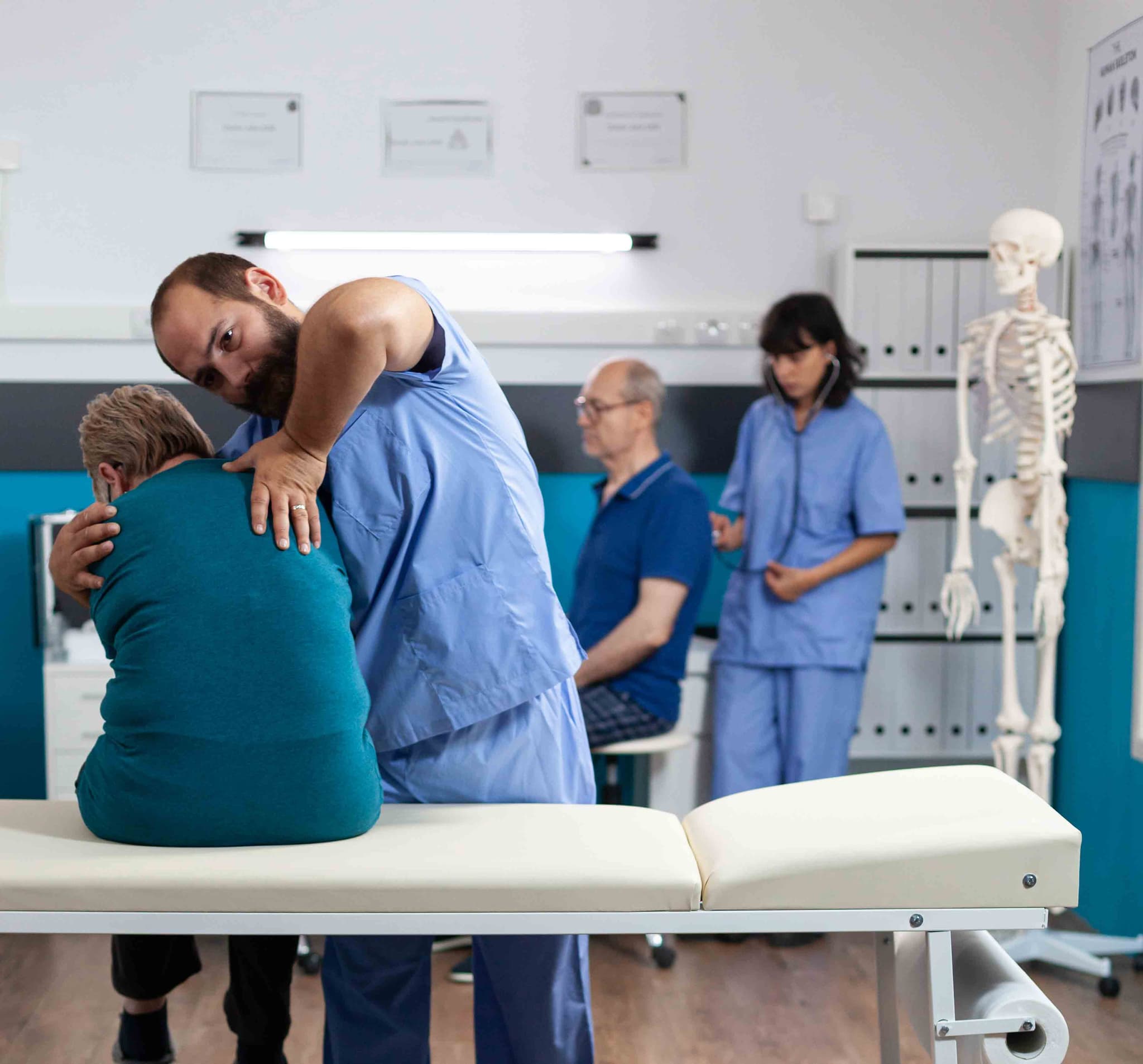
Scoliosis Correction Surgery
Scoliosis Correction Surgery
Scoliosis Correction Surgery is a major reconstructive procedure used to treat an abnormal sideways curvature of the spine. The latest 2026 surgical standards focus on maximizing the degree of correction while utilizing motion-preserving technologies and advanced safety monitoring to ensure optimal patient outcomes.
When You Should Consider Scoliosis Correction
Surgery is typically recommended when the spinal curve is progressive or has reached a severity that impacts physical health. Indications include:
Significant Curvature: Sideways curves generally exceeding 45 to 50 degrees.
Respiratory/Cardiac Impact: Severe curves that compress the lungs or heart, affecting breathing and stamina.
Visible Deformity: Significant rib humps, uneven shoulders, or a tilted pelvis that affects balance and gait.
Failed Conservative Treatment: When bracing or physical therapy has failed to stop the progression of the curve.
Methods of Scoliosis Correction
Spinal Fusion: The most established method, using bone grafts, metal rods, and pedicle screws to hold the spine straight while the vertebrae grow together.
Vertebral Body Tethering (VBT): A modern, motion-preserving option for growing patients that uses a flexible cord to guide the spine's growth into alignment.
Magnetically Controlled Growing Rods (MAGEC): Designed for young children, these rods are lengthened periodically using an external magnet, eliminating the need for repeat surgeries.
Posterior Spinal Instrumentation: A technique focused on the back of the spine to provide maximum stabilization and rotational correction.
How Scoliosis Correction Is Performed
Surgical Access: The surgeon makes an incision along the midline of the back (or side for VBT) to reach the affected vertebral segments.
Curve Realignment: Using rods and screws, the surgeon carefully maneuvers the vertebrae to reduce the sideways curve and correct any rotation.
Bone Grafting: For fusion cases, the surface of the vertebrae is prepared and bone graft material is added to facilitate the permanent joining of the bones.
Safety Monitoring: Throughout the procedure, real-time neuromonitoring tracks nerve signals to ensure the spinal cord is protected during the straightening process.
Pre-Procedure Preparation
Fasting: Patients are required to fast for 8–12 hours before the surgery.
Medical Clearances: Extensive blood work, ECG, and pulmonary function tests are performed to ensure the heart and lungs are healthy for anesthesia.
Blood Preparation: Use of "cell saver" technology is planned to collect and recycle the patient's own blood during the procedure.
Medication Review: Discussing all supplements and medications with the surgical team to minimize bleeding risks.
Tests Before Scoliosis Correction
Full-Spine X-rays: Taken while standing and bending to measure the "Cobb angle" and determine the flexibility of the curve.
MRI Scan: Used to rule out any underlying spinal cord abnormalities or syrinx before the correction.
CT Scan (3D): Provides a high-resolution map of the vertebrae for use with intraoperative "GPS" navigation systems.
Pulmonary Function Test (PFT): Measures lung capacity to assess the impact of the scoliosis on the respiratory system.
Life After Scoliosis Correction (Recovery)
Hospital Stay: Typically involves a stay of 3 to 5 days, with mobilization (walking) starting as early as the first day post-op.
Short-Term Recovery: Most patients return to school or sedentary work within 3 to 4 weeks.
Activity Timeline: Light exercise like walking is encouraged at 6 weeks; swimming and jogging are typically permitted between 3 to 6 months.
Long-Term Outlook: Full bone fusion is usually achieved at the 1-year mark, allowing a return to most non-contact sports and normal activities.
Benefits of Scoliosis Correction
Curvature Reduction: Significantly flattens the sideways curve and corrects the rotational "rib hump."
Prevention of Progression: Stops the spine from curving further, protecting long-term heart and lung function.
Restored Body Balance: Realigns the head and shoulders over the pelvis, improving posture and reducing muscle strain.
Improved Quality of Life: Provides a long-term solution that allows patients to lead active, healthy lives without the limitations of a severe spinal deformity.
Scoliosis Correction Surgery Cost in India
The cost of Scoliosis Correction Surgery in India is generally affordable compared with many other countries, making India a popular destination for international patients seeking quality medical care. The treatment cost depends on factors such as the hospital, doctor's experience, treatment approach, medical condition, hospital stay, diagnostic tests, medicines, and any additional procedures required. For international patients, the starting cost of Scoliosis Correction Surgery in India is approximately 3000 USD, although the final price may vary based on individual treatment requirements. Patients are advised to obtain a personalized treatment estimate after medical evaluation.