+91 83682 47758
info@medivisorhealth.com
Medivisor India Treatment Logo
  • Home
    • About Us
    • Our Services
    • Our Team
    • Our Safety Measures
    • Loading treatments...
    • Loading hospitals...
    • Loading doctors...
    • Loading tests & diagnoses...
    • Treatment Cost
    • Treatment Process
    • Visa Process
    • Travel Guide
    • FAQs
    • Why Medivisor
    • Success Stories
    • Patient Activities
    • Social Activities
    • News Coverage
    • Blog
  • Become a Partner

Medivisor India Treatment is a trusted New Delhi-based medical travel company assisting international patients with advanced, affordable, and seamless treatment in India.

  • Medivisor House 359, Sector 1, Vaishali, Ghaziabad, (Delhi/NCR) India
  • +91 8368 247 758
  • info@medivisorhealth.com

About Us

  • About Us
  • Our Services
  • Our Team
  • Our Safety Measures
  • Join Our Network
  • Contact Us

India Treatment

  • Hospitals
  • Treatments
  • Treatment Cost
  • Treatment Process
  • Visa Process
  • Travel Guide
  • FAQs
  • Why Medivisor

Gallery

  • Patient Testimonials
  • Patient Activities
  • News Coverage
  • Blog

Get in Touch

© 2026 Medivisor India Treatment. All rights reserved.

Metro MAS Hospital, Jaipur, Rajasthan
Metro Group of Hospitals

Metro MAS Hospital, Jaipur, Rajasthan

Shipra Path, Near Technology Park, Shanthi Nagar, Mansarovar, Jaipur, Rajasthan - 302020, India.

  1. Home
  2. Hospitals
  3. Metro MAS Hospital, Jaipur, Rajasthan

Quick Overview

2012

Established

Multi-Super

Speciality

220

Beds

45

Doctors

Metro MAS Hospital, Jaipur, Rajasthan, India

Metro Hospital, Jaipur (also known as Metro MAS Hospital), is a leading multi-super speciality healthcare provider in Rajasthan. Spread over a sprawling 11-acre campus, the facility operates as a vital quaternary care hub, combining advanced medical research with the mission of providing affordable, high-end healthcare. As a key unit of the Metro Group of Hospitals, it serves as a critical medical landmark for both regional and international patients seeking complex clinical interventions in a patient-centric environment.

Why Patients Trust Metro Hospital Jaipur

Patients choose Metro Hospital Jaipur for its unique blend of clinical rigor and accessibility. The institution is recognized for its ability to handle high-acuity cases across numerous disciplines, supported by a multidisciplinary team of internationally trained specialists. By adhering to stringent quality and safety standards, the hospital ensures that patients receive evidence-based care. Its commitment to providing world-class medical services at an affordable cost—including specialized support for BPL category patients—makes it a trusted healthcare destination for all sections of society.

Centres of Clinical Excellence (Specialities)

The hospital houses specialized institutes that provide coordinated, expert treatment for a wide spectrum of medical conditions:

  • Cardiac Sciences: A premier center for adult and pediatric heart care, featuring state-of-the-art cardiac catheter labs and dedicated suites for complex bypass and valve surgeries.

  • Neurosciences: Specialized in the diagnosis and surgical management of brain and spine disorders, including advanced neuro-trauma care and stroke intervention.

  • Orthopaedics & Joint Replacement: A leading center for bone and joint health, specializing in arthroscopic surgeries, complex trauma recovery, and joint reconstructions.

  • Gastroenterology & GI Surgery: Expert care for digestive and liver disorders, supported by a specialized endoscopy suite for diagnostic and therapeutic procedures.

  • Renal Sciences: Providing comprehensive nephrology and urology services, including high-end dialysis support and chronic kidney disease management.

  • Minimally Invasive & Bariatric Surgery: Focused on high-precision "keyhole" procedures to ensure faster patient recovery and reduced post-operative discomfort.

World-Class Facilities and Technology

Metro Hospital Jaipur is defined by its investment in digital innovation and sophisticated medical infrastructure designed for diagnostic accuracy and surgical precision:

  • Massive ICU Network: Features a robust 67-bed intensive care network split across five floors, including specialized neonatal, cardiac, and surgical units.

  • Modular Operation Theatres: State-of-the-art surgical suites equipped with central medical gas systems and the latest high-precision instrumentation.

  • Advanced Imaging Suite: Equipped with high-speed dual CT scans, digital radiology, and TMT for rapid and accurate disease mapping.

  • Digital Integration: Utilizes a fully networked Hospital Information System (HIS) for the seamless management of patient records and clinical coordination.

  • Diagnostic Laboratories: Fully equipped pathology and biochemistry labs providing 24/7 support for error-free diagnostic reporting.

24/7 Critical Care and Emergency Services

The hospital maintains a high-response emergency framework designed to provide life-saving intervention around the clock:

  • Emergency & Trauma Unit: A 24/7 facility staffed by a multidisciplinary rapid-response team prepared for cardiac, neurological, and surgical emergencies.

  • Intensive Care Excellence: Dedicated ICU wings managed round-the-clock by experienced intensivists providing continuous life-support and monitoring.

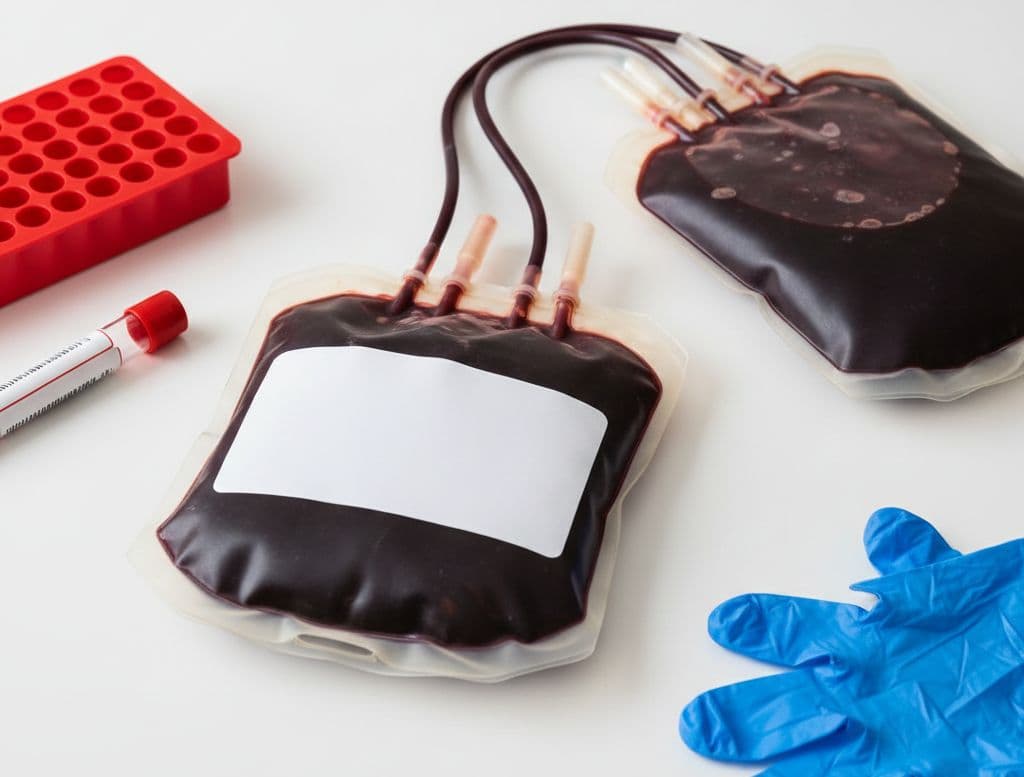
  • 24/7 Support Services: Fully operational blood bank, pharmacy, and diagnostic radiology facilities available at all times.

  • Ambulance Network: Maintains a fleet of advanced life-support ambulances for the safe and rapid transport of critical patients.

Metro Hospital Jaipur at a Glance

Metro Hospital represents the intersection of large-scale infrastructure and specialized medical innovation:

  • Flagship super-specialty facility spanning 11 acres with a legacy of treating millions of patients within the Metro network.

  • International patient services providing bespoke support for visa processing, airport transfers, and language interpretation for global visitors.

  • Preferred destination in Rajasthan for interventional cardiology, neuro-spine surgery, and complex joint replacements.

  • Comprehensive wellness programs focusing on preventive health through tailored check-up packages designed for long-term community wellness.
Read about Metro Group of Hospitals

May we help you?

Enter digits only (6-15 digits). We'll add your country code.

Treatments Offered at Metro MAS Hospital, Jaipur, Rajasthan

VSD Device Closure
VSD Device Closure

VSD Device Closure VSD (Ventricular Septal Defect) device closure is a minimally invasive, non-surgical procedure used to seal a "hole in the heart" between the two lower chambers (ventricles). Unlike traditional open-heart surgery, this procedure is performed entirely through a catheter, resulting in no chest scars and a significantly faster recovery. This advanced technique allows for the permanent repair of the heart's internal wall without the need for a heart-lung bypass machine. When You Should Consider VSD Device Closure Muscular VSDs: This is the primary treatment for holes located

Carotid Artery Stenting (Stroke Prevention)

Carotid Artery Stenting (CAS) Carotid Artery Stenting (CAS) is a minimally invasive procedure used to open a narrowed carotid artery—the primary blood vessel in the neck that supplies the brain. By using a metal mesh stent to widen the artery, this procedure restores healthy blood flow and significantly reduces the risk of a future stroke. It is often a preferred alternative to open surgery (endarterectomy) for patients with complex anatomy or high-risk medical conditions. When You Should Consider Carotid Artery Stenting Significant Stenosis: Blockage of more than 70% in patients without sy

IVC Filter Placement

Inferior Vena Cava (IVC) Filter Placement Inferior Vena Cava (IVC) Filter Placement is a minimally invasive procedure to insert a small, cage-like metal device into the body's largest vein (the IVC). Its purpose is to trap blood clots traveling from the legs or pelvis before they can reach the heart and lungs, thereby preventing a life-threatening Pulmonary Embolism (PE). While blood thinners remain the standard treatment, this transcatheter technique has expanded significantly for patients who cannot safely take anticoagulants. When You Should Consider IVC Filter Placement Active bleeding

Endovascular Aneurysm Repair

Endovascular Aneurysm Repair (EVAR) Endovascular Aneurysm Repair (EVAR) is a minimally invasive surgical procedure used to treat aortic aneurysms, most commonly Abdominal Aortic Aneurysms (AAA). By placing a stent graft inside the weakened portion of the aorta, the procedure creates a new pathway for blood flow, effectively "re-lining" the vessel to prevent a life-threatening rupture. EVAR is the preferred treatment for patients with suitable anatomy, offering a safer alternative to traditional open surgery. When You Should Consider EVAR Aneurysm Size: When the diameter exceeds 5.5 cm in me

Renal Artery Stenting

Renal Artery Stenting (Vascular Surgery) Renal Artery Stenting is a minimally invasive procedure used to open blockages in the arteries that supply blood to your kidneys. It is primarily used to treat Renal Artery Stenosis (narrowing of the kidney arteries), which can lead to uncontrolled high blood pressure and kidney damage. This procedure remains a critical intervention for preserving kidney function and managing resistant hypertension when medication alone is insufficient. When You Should Consider Renal Artery Stenting High blood pressure that remains uncontrolled despite taking three o

Peripheral Angioplasty (Leg Arteries)

Peripheral Angioplasty (Vascular Surgery) Peripheral Angioplasty, also known as Peripheral Vascular Intervention, is a minimally invasive procedure used to open blocked or narrowed arteries in the legs. This is the primary treatment for Peripheral Artery Disease (PAD), where plaque buildup (atherosclerosis) restricts blood flow, causing leg pain, cramping, or "heavy legs." While bypass surgery remains an option for long-segment blockages, advanced drug-coated balloons and atherectomy devices have significantly improved non-surgical outcomes. When You Should Consider Peripheral Angioplasty P

Balloon Valvotomy (Mitral/Pulmonary)

Balloon Valvotomy Balloon Valvotomy, also known as balloon valvuloplasty, is a minimally invasive, non-surgical procedure used to widen a heart valve that has become narrowed or stiff (stenosis). This procedure remains the primary alternative to open-heart surgery for treating Mitral and Pulmonary valve obstructions. The technique involves using a specialized balloon catheter to stretch the valve leaflets apart, restoring efficient blood flow through the heart. When You Should Consider Balloon Valvotomy Severe Mitral Stenosis, often caused by rheumatic heart disease, limiting physical activ

Left Atrial Appendage (LAA) Closure

Left Atrial Appendage (LAA) Closure Left Atrial Appendage (LAA) Closure is a specialized procedure designed to reduce the risk of stroke in patients with atrial fibrillation (AFib). In AFib, the heart's upper chambers beat irregularly, which can cause blood to pool and form clots in a small, thumb-sized pouch called the left atrial appendage. This procedure serves as a primary alternative for patients who cannot tolerate long-term blood thinners. When You Should Consider LAA Closure Stroke Risk: Increased risk of stroke specifically due to non-valvular atrial fibrillation. Bleeding Histor

PDA Closure
PDA Closure

Patent Ductus Arteriosus (PDA) Closure Patent Ductus Arteriosus (PDA) Closure is a procedure to seal an abnormal opening between the two major blood vessels leading from the heart: the aorta and the pulmonary artery. In a normal heart, this vessel (the ductus arteriosus) closes naturally shortly after birth; if it stays open, it can cause too much blood to flow to the lungs, straining the heart. While surgical ligation remains necessary for specific cases, transcatheter (minimally invasive) techniques have become the gold standard for most children and adults. When You Should Consider PDA Clos

MitraClip (Mitral Regurgitation)

MitraClip Therapy MitraClip therapy, also known as Transcatheter Edge-to-Edge Repair (TEER), is a minimally invasive, catheter-based procedure used to treat Mitral Regurgitation (MR). This is a condition where the heart's mitral valve does not close tightly, causing blood to leak backward into the heart. In 2026, this remains a vital option for patients who are at high risk for traditional open-heart surgery. When You Should Consider MitraClip Severe symptomatic mitral regurgitation that limits daily activity. Heart failure symptoms like shortness of breath or fatigue that persist despite

Chronic Total Occlusion (CTO) Angioplasty

Chronic Total Occlusion (CTO) Angioplasty Chronic Total Occlusion (CTO) Angioplasty, also known as CTO PCI, is a specialized, minimally invasive procedure used to open a coronary artery that has been 100% blocked for three months or longer. Historically considered too complex for standard stenting, advances now allow interventional cardiologists to treat these "final frontier" blockages with high success rates. The procedure restores blood flow to heart muscle that is still viable but "starving" for oxygen. When You Should Consider CTO Angioplasty Lifestyle-limiting chest pain (angina) that

Bifurcation Stenting

Bifurcation Stenting Bifurcation Stenting is a complex procedure used when a coronary artery blockage occurs at a branch point, where a main vessel divides into two. These cases account for approximately 15–20% of all angioplasties and are technically demanding due to the risk of closing the "side branch" while treating the main vessel. While surgical repair remains a "gold standard" for some cases, transcatheter techniques for complex branch points have expanded significantly. When You Should Consider Bifurcation Stenting Blockages located precisely where a main heart artery divides into t

Intravascular Lithotripsy (IVL)

Intravascular Lithotripsy (IVL) Intravascular Lithotripsy (IVL) is an advanced plaque modification technique that uses sonic shockwaves to break up severe coronary artery calcification. It is particularly effective for "stone-like" blockages that standard balloons cannot expand. This technology has expanded significantly for treating complex, hardened defects that were previously difficult to manage with traditional methods. When You Should Consider IVL Severely calcified "stone-like" blockages identified during imaging. Evidence of significant heart overload or left-sided heart enlargeme

Rotablation (Calcified Arteries)

Rotablation (Rotational Atherectomy) Rotablation, also known as Rotational Atherectomy, is a specialized cardiac procedure used to treat coronary arteries that have become "stone-hard" due to severe calcium buildup. When plaque is heavily calcified, standard balloon angioplasty may fail to expand the artery, potentially leading to balloon rupture or inadequate stent deployment. This high-speed drilling technique is essential for modifying plaque to make the artery flexible enough for a stent to be placed successfully. When You Should Consider Rotablation Severely Calcified Arteries: When im

Drug-Eluting Stent (DES) Placement

Drug-Eluting Stent (DES) Placement A Drug-Eluting Stent (DES) is a small, metal mesh tube coated with specialized medication that is permanently placed in a narrowed heart artery. It is the most common type of stent used to treat Coronary Artery Disease (CAD). These devices are designed to provide both mechanical support and controlled drug release to ensure long-term arterial health. When You Should Consider DES Placement Chronic Chest Pain (Angina): Pain or pressure that limits physical activity. Significant Blockages: Evidence of arterial narrowing found during an echocardiogram or str

Echocardiography & Cardiac Catheterization

Echocardiography and Cardiac Catheterization Echocardiography and Cardiac Catheterization are the two primary diagnostic pillars used to evaluate heart health. While both provide essential data on how the heart is functioning, they differ significantly in their approach: one uses sound waves to "see" the heart from the outside, while the other involves navigating a thin tube through the blood vessels to examine the heart from the inside. Together, these tools allow cardiologists to diagnose everything from valve issues to complex arterial blockages with extreme precision. When You Should Consi

Pericardiocentesis
Pericardiocentesis

Pericardiectomy (Cardiology) Pericardiectomy is a surgical procedure to remove part or all of the pericardium, the thin sac surrounding the heart. This surgery is performed to allow the heart to move and pump freely when the sac has become diseased, scarred, or restrictive. When You Should Consider Pericardiectomy Persistent fatigue or weakness during physical exertion Significant swelling in the legs, ankles, or abdomen (edema) Shortness of breath, especially when lying down or exercising Chronic chest pain that does not improve with medication Signs of heart failure caused by a re

ASD Device Closure
ASD Device Closure

Atrial Septal Defect (ASD) Closure Atrial Septal Defect (ASD) closure is a specialized cardiac procedure performed to repair a hole in the septum, which is the wall separating the heart's upper chambers. This treatment is essential for restoring normal blood flow, preventing the heart from overworking, and reducing the risk of long term complications such as pulmonary hypertension or stroke. When You Should Consider ASD Closure Persistent shortness of breath, especially during exercise or physical activity. Frequent respiratory infections or lung issues. Chronic fatigue or low energy le

Coronary Angioplasty (PTCA)

Coronary Angioplasty (PTCA) Coronary Angioplasty, also known as Percutaneous Transluminal Coronary Angioplasty (PTCA), is a minimally invasive procedure used to open clogged heart arteries. While surgical bypass remains an option for multi-vessel disease, transcatheter techniques using drug-eluting stents have expanded to treat even complex blockages, restoring vital blood flow to the heart muscle. When You Should Consider PTCA Refractory Angina: Chest pain that does not improve with standard medication. Exertional Dyspnea: Shortness of breath during physical activity or exercise. Posit

Transcatheter Mitral Valve Replacement (TMVR/TMVI)

TMVI/TMVR (Transcatheter Mitral Valve Replacement) TMVI (Transcatheter Mitral Valve Implantation) and TMVR (Transcatheter Mitral Valve Replacement) are minimally invasive procedures used to replace a diseased mitral valve without the need for traditional open-heart surgery. These procedures are typically reserved for high-risk patients with severe Mitral Regurgitation (a leaking valve) or Mitral Stenosis (a narrowed valve) who may not tolerate a standard sternotomy. When You Should Consider TMVI / TMVR Severe Mitral Regurgitation: When the mitral valve does not close tightly, causing blood

Transcatheter Aortic Valve Replacement (TAVR/TAVI)

TAVI/TAVR (Transcatheter Aortic Valve Replacement) (Cardiology) Transcatheter Aortic Valve Implantation (TAVI), also known as TAVR, is a minimally invasive procedure used to treat severe aortic stenosis. As of 2026, it has become a standard of care for patients across all surgical risk categories—from high-risk to low-risk—offering an alternative to traditional open-heart surgery. When You Should Consider TAVI/TAVR Diagnosis of severe aortic stenosis causing restricted blood flow Chest pain (angina) or tightness during physical activity Frequent shortness of breath or feeling easily win

Allogeneic Bone Marrow Transplant
Bone Marrow Transplant
Autologous Bone Marrow Transplant (ABMT)
Haploidentical Transplant
Conditioning Regimen
Umbilical Cord Blood Transplant (UCBT)
Leukemia
Leukemia
Acute Lymphoid Leukemia
Acute Myeloid Leukemia
Chronic Lymphoid Leukemia
Chronic Myeloid Leukemia
Lymphoma
Lymphoma
Hodgkin Lymphoma
Hodgkin Lymphoma
Non-Hodgkin Lymphoma
Intravenous Chemotherapy
Oral Chemotherapy
Oral Chemotherapy
Adjuvant Chemotherapy (After Surgery)
Neoadjuvant Chemotherapy (Before Surgery)
Palliative Chemotherapy
Targetted Therapy
Targetted Therapy
Immunotherapy
Immunotherapy
Hormone Therapy
Hormone Therapy
Lung & Thoracic Cancer Surgery
Thyroid Cancer Treatment
Cervical Cancer Treatment
Uterine Cancer Treatment
Kidney Cancer Treatment
Breast Cancer Treatment

Top Doctors at Metro MAS Hospital, Jaipur, Rajasthan in India

Dr Purshotam Lal
Dr Purshotam Lal
Interventional Cardiologist
Metro Hospital and Heart Institute, Sector 11, Noida
35+years experience
Dr R K Choudhary
Dr R K Choudhary
BMT Specialist, Hemato-Oncologist, Medical Oncologist
Metro Hospital and Heart Institute, Sector 11, Noida
16+years experience

May we help you?

Enter digits only (6-15 digits). We'll add your country code.