Medivisor India Treatment Logo
  • Home
  • About Us
    • About Us
    • Our Services
    • Our Team
    • Our Medical Advisors
    • Our Safety Measures
  • Treatment
    • Loading treatments...
  • Hospitals
    • Loading hospitals...
  • Patient Guide
    • Treatment Cost
    • Treatment Process
    • Visa Process
    • Travel Guide
    • FAQs
    • Why Medivisor
  • Gallery
    • Success Stories
    • Patient Activities
    • Social Activities
    • News Coverage
    • Blog
  • Become a Partner

+91 83407 80250

Medivisor Logo

Medivisor India Treatment is a trusted New Delhi–based medical travel partner connecting global patients to advanced, affordable, high-quality healthcare in India.

  • Medivisor House 359, Sector 1, Vaishali, Ghaziabad, (Delhi/NCR) India
  • +91 8340 780 250
  • info@medivisorhealth.com

About Us

  • About Us
  • Our Services
  • Our Team
  • Our Medical Advisors
  • Our Safety Measures
  • Join Our Network
  • Contact Us

India Treatment

  • Hospitals
  • Treatments
  • Treatment Cost
  • Treatment Process
  • Visa Process
  • Travel Guide
  • FAQs
  • Why Medivisor

Gallery

  • Patient Testimonials
  • Patient Activities
  • News Coverage
  • Blog

Get in Touch

© 2026 Medivisor India Treatment. All rights reserved.

Women Care hospital

Women Care

  1. Home
  2. Departments
  3. Women Care

Obstetrics and Gynecology (OB/GYN) Department

The OB/GYN Department—frequently known as the Center for Women’s Excellence—is a high-activity wing dedicated to the entire spectrum of female reproductive health. This department seamlessly balances the life-affirming experience of childbirth with high-tech surgical interventions for complex conditions like endometriosis and reproductive cancers. For international patients, this wing offers a "Well-Woman" care model, integrating compassionate maternity services with elite "keyhole" surgical expertise.

A Multidisciplinary Circle of Women’s Health Experts

Our department is staffed by a specialized team of clinicians who manage health from adolescence through menopause:

  • Obstetricians: Primary experts who focus on pregnancy and childbirth, managing everything from natural, painless labor to emergency C-sections.

  • Gynecologists: Skilled surgeons who treat reproductive organs, managing conditions like PCOS, fibroids, and pelvic pain.

  • Fetal Medicine Specialists: Highly specialized doctors who treat the baby as a patient while still in the womb, utilizing advanced genetic mapping.

  • Reproductive Endocrinologists (IVF Specialists): The "fertility architects" who manage In-Vitro Fertilization, egg freezing, and complex hormonal balancing.

  • Gynaec-Oncologists: Specialized surgeons dedicated to the treatment of cancers affecting the cervix, ovaries, and uterus.

  • Urogynaecologists: Experts focused on pelvic floor restoration and the treatment of urinary incontinence or organ prolapse.

Advanced Technology and "Incisionless" Care

The department utilizes specialized imaging and miniaturized surgical tools designed specifically for the delicate pelvic cavity:

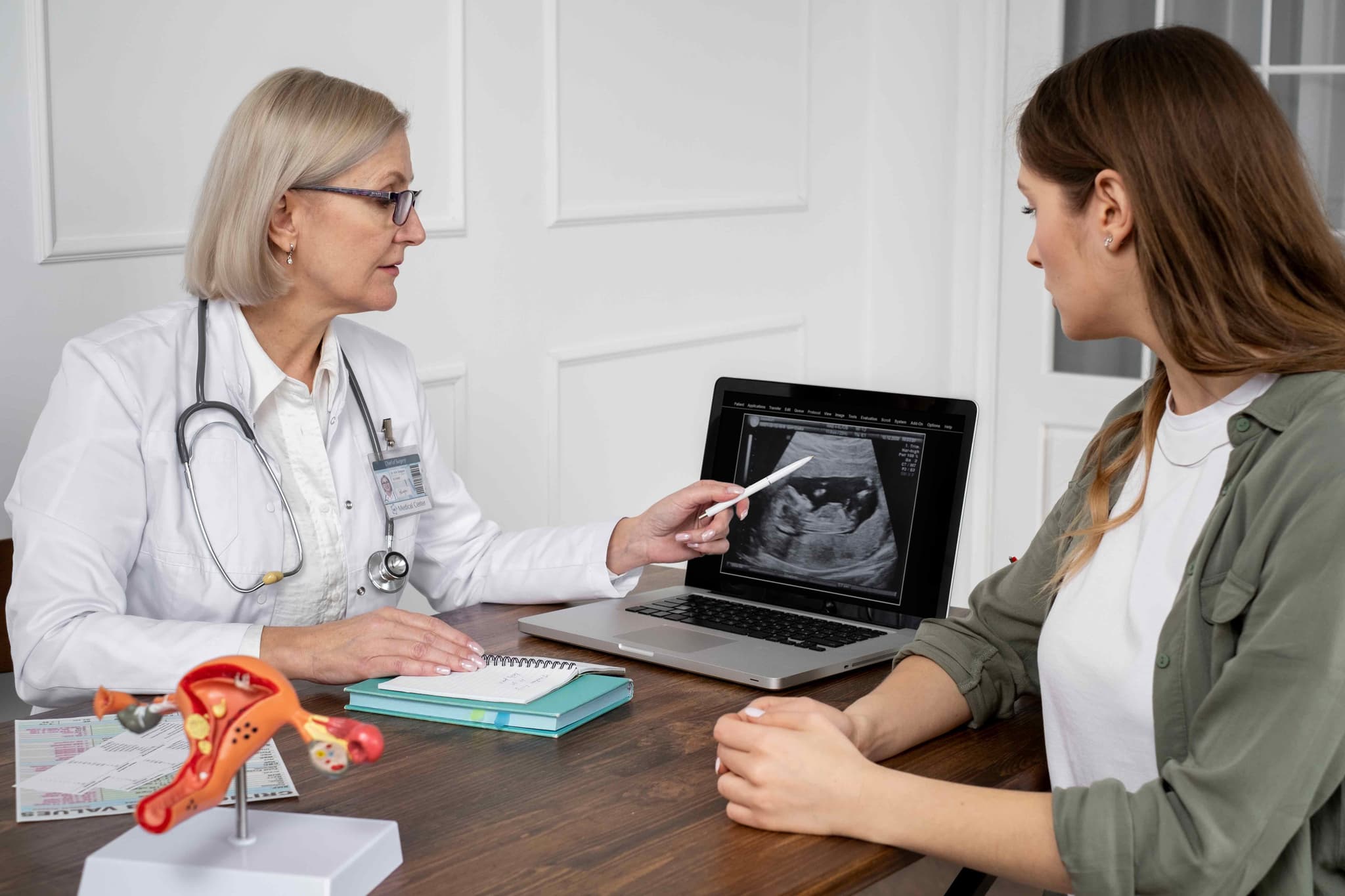
  • 3D/4D Fetal Ultrasound: High-resolution scanners that provide real-time video of the developing fetus for precise developmental monitoring.

  • "Single-Port" Laparoscopy: Advanced instruments that allow for major surgeries (like cyst removal) through a single tiny incision in the belly button, leaving almost no visible scar.

  • Hysteroscope & Colposcope: Miniaturized cameras and microscopes used for incision-free inspections of the uterus and cervix to catch precancerous changes early.

  • Cardiotocography (CTG) Systems: Vital labor-ward technology that monitors the baby’s heartbeat and mother's contractions simultaneously for 24/7 safety.

  • Advanced IVF Clean-Rooms: High-security labs where embryos are created and genetically screened (PGT) to increase the success rate of healthy pregnancies.

Specialized Functional and Diagnostic Areas

To support the journey from wellness to motherhood, the department integrates specialized recovery and diagnostic zones:

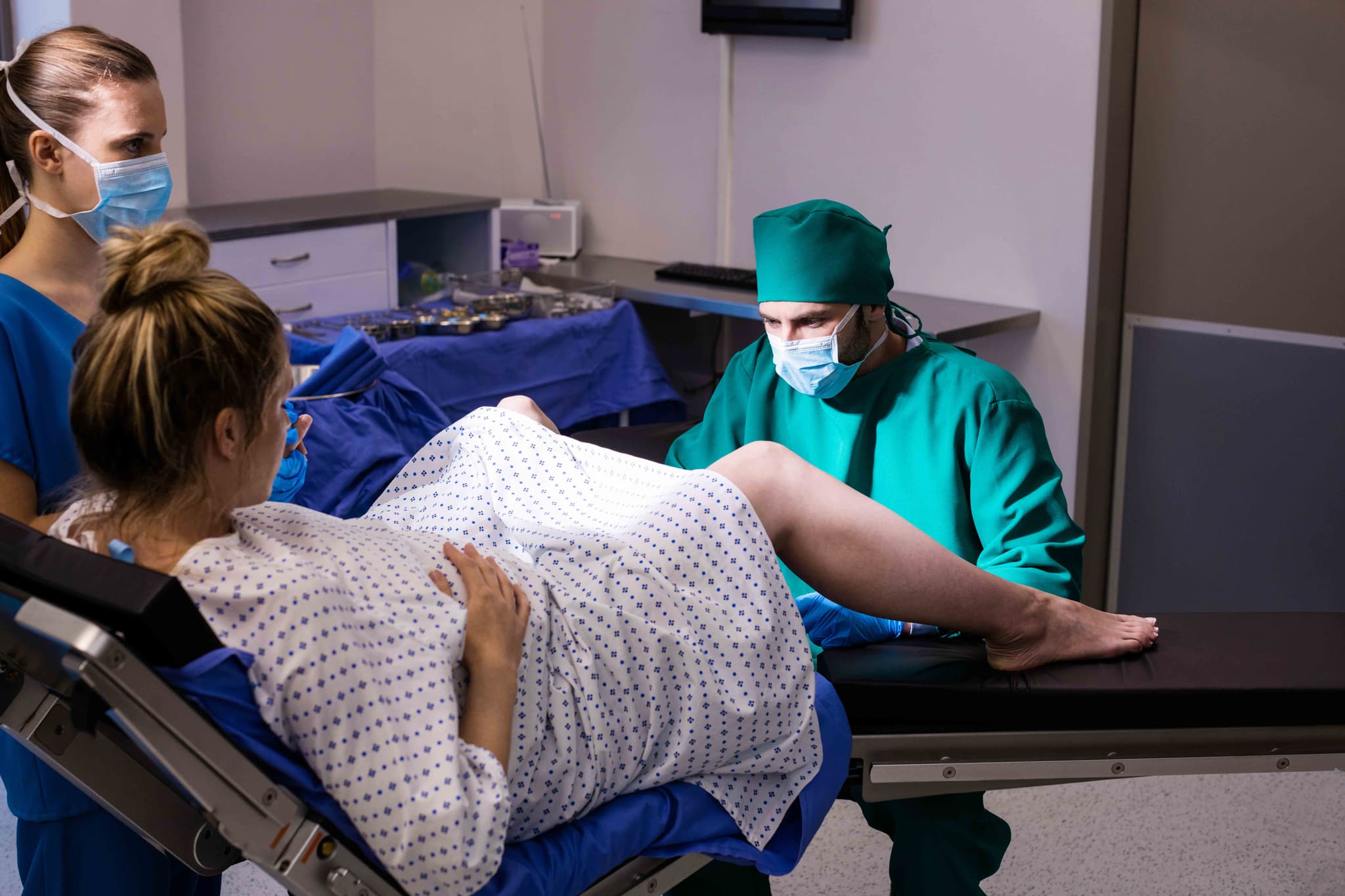
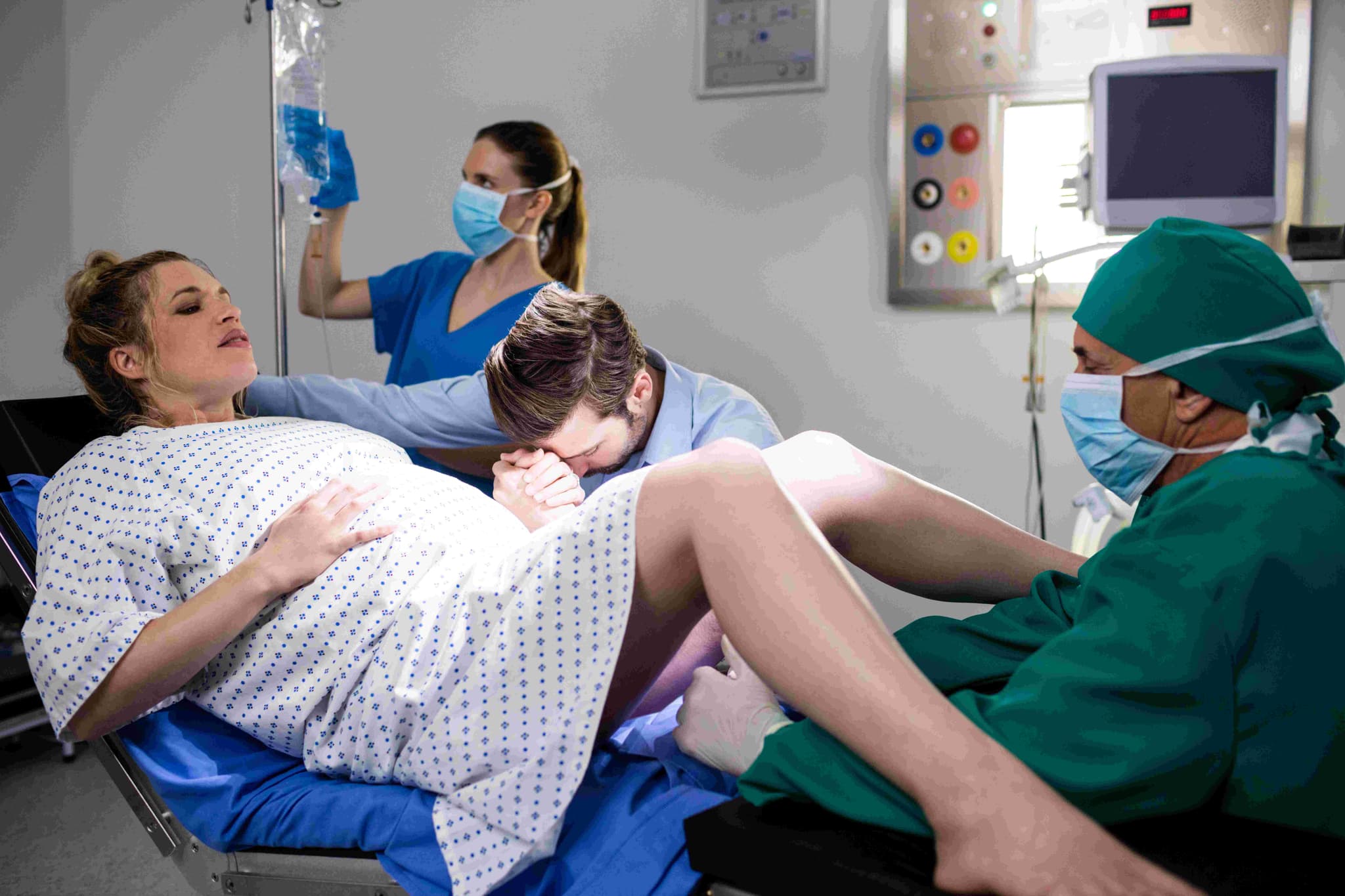
  • Modern LDR Suites: All-in-one Labour, Delivery, and Recovery rooms designed for a home-like feel while housing "hidden" state-of-the-art medical support.

  • The Well-Woman Clinic: A dedicated outpatient hub for routine screenings, including Pap smears, mammography, and menopause counseling.

  • Maternal Intensive Care (MICU): A high-intensity monitoring unit specifically for mothers facing complex complications like extreme high blood pressure.

  • Fetal Diagnostic Center: A specialized area for "Level-II" ultrasounds and amniocentesis to ensure the highest standards of prenatal health.

  • International Family Suite: A private sanctuary for global families to coordinate travel logistics, maternity packages, and pediatric transitions.

A Focus on Safety and Empowered Care

The modern OB/GYN experience is designed to be as minimally invasive and comfortable as possible:

  • Painless Labour Protocols: 24/7 access to specialized epidural services ensures a controlled and comfortable delivery process.

  • Nerve-Sparing Surgery: Utilizing high-definition scopes to remove fibroids or treat endometriosis while preserving reproductive function.

  • Integrated Screening: Combining annual Pap smears with HPV testing to ensure cervical health is monitored with global accuracy standards.

  • Holistic Postpartum Support: Dedicated care pathways for the "Fourth Trimester," focusing on physical healing, lactation support, and pelvic floor rehabilitation.

May we help you?

Enter digits only (6-15 digits). We'll add your country code.

Women Care Treatments

Diagnostic Hysteroscopy

Diagnostic Hysteroscopy

Diagnostic hysteroscopy is a minimally invasive procedure used to look inside the uterus to diagnose the cause of abnormal bleeding, infertility, or repeated miscarriages. It involves inserting a thin, lighted tube with a camera (hysteroscope) through the vagina and cervix, requiring no surgical incisions. This procedure allows for direct visualization of the uterine cavity, providing more accuracy than an ultrasound alone for certain conditions.

When You Should Consider a Diagnostic Hysteroscopy

  • Abnormal Uterine Bleeding: To investigate heavy, prolonged, or unexpected post-menopausal bleeding.

  • Infertility Evaluation: To check for structural abnormalities, such as polyps or a uterine septum, that might prevent an embryo from implanting.

  • Recurrent Miscarriage: Looking for internal scarring (Asherman’s Syndrome) or congenital uterine defects that could affect a pregnancy.

  • Displaced IUD: To locate and potentially retrieve an intrauterine device that has moved out of its proper position.

  • Abnormal Imaging Results: If a prior ultrasound or saline sonogram showed a suspicious shadow or growth within the uterine lining.

How It Is Performed

  • Anesthesia: Depending on your comfort level and the doctor's preference, it can be done with no anesthesia, local anesthesia (numbing the cervix), or light sedation.

  • Duration: The procedure is typically performed in an outpatient setting or doctor’s office and takes only 5 to 15 minutes.

  • Preparation: You are positioned similarly to a routine pelvic exam. No abdominal cuts are required as the hysteroscope uses the natural opening of the cervix.

  • Expansion: A saline liquid or carbon dioxide gas is gently introduced to expand the uterus, providing the doctor with a clear, panoramic view of the uterine walls and the openings of the fallopian tubes.

  • Inspection: The doctor moves the camera to examine the lining for fibroids, polyps, or structural defects.

  • Biopsy/Sampling: If a suspicious area is identified, a small tissue sample (biopsy) can be taken at the same time for laboratory testing.

Pre-Procedure Preparation

  • Timing Your Cycle: The procedure is best performed during the first week after your period ends, when the uterine lining is at its thinnest.

  • Pregnancy Test: A mandatory check to ensure you are not pregnant, as the procedure cannot be performed during pregnancy.

  • Medication Audit: You may be advised to take an over-the-counter pain reliever, like ibuprofen, about an hour before the procedure to minimize cramping.

  • Cervical Ripening (Optional): In some cases, medication may be inserted vaginally a few hours prior to help soften and slightly open the cervix.

  • Fasting: If you are receiving light sedation, you must follow "nothing by mouth" instructions for 6–8 hours before the appointment.

Tests Before Diagnostic Hysteroscopy

  • Pelvic Ultrasound: To provide a baseline view of the uterus and ovaries and to identify the location of any known fibroids.

  • Infection Screening: Testing for active pelvic infections or STIs to ensure it is safe to pass instruments into the uterus.

  • Blood Panels: A routine check of your blood count, especially if you have been experiencing heavy bleeding and anemia.

  • Hysterogram (HSG): Sometimes performed prior to hysteroscopy to check the patency of the fallopian tubes.

Life After Diagnostic Hysteroscopy

  • Recovery Time: Most patients can return to work and normal daily activities the same day or the following morning.

  • Short-term Symptoms: It is normal to experience mild cramping and light vaginal spotting for 1 to 2 days.

  • Gas/Shoulder Pain: If carbon dioxide was used for expansion, you may feel temporary referred pain in your shoulder for 24 hours.

  • Activity Restrictions: Most doctors recommend avoiding sexual intercourse and the use of tampons for a few days to allow the cervix to close and reduce the risk of infection.

  • Follow-up: Your doctor will discuss the visual findings immediately, though biopsy results typically take 5–7 days.

Why Specialized Treatment Is Highly Effective

  • Direct Visualization: Provides a "real-time" view that is often more definitive than X-rays or ultrasounds for identifying small polyps or adhesions.

  • Incision-Free: The lack of surgical cuts means there is no external scarring and a near-instantaneous recovery period.

  • Immediate Transition: If a problem is found, it can often be treated during the same session by switching to an operative hysteroscopy to remove the growth.

  • High Safety Profile: Complications like uterine perforation or infection are extremely rare when performed by experienced specialists.

  • Fertility Friendly: It is the "gold standard" for evaluating the uterine environment before proceeding with expensive fertility treatments like IVF.

Ectopic Pregnancy Surgery

Ectopic Pregnancy Surgery

Surgery for an ectopic pregnancy is an emergency procedure performed when a fertilized egg implants outside the uterus, most commonly in a fallopian tube. Because an ectopic pregnancy cannot survive and poses a life-threatening risk of internal hemorrhage, surgical intervention is often necessary to protect the mother’s health and future fertility.

When You Should Consider Surgery for Ectopic Pregnancy

  • Confirmed Ectopic Pregnancy: When ultrasound and blood tests confirm the embryo has implanted outside the uterine cavity.

  • Severe Abdominal Pain: Sharp, stabbing pelvic pain, often on one side, that may come and go or vary in intensity.

  • Signs of Rupture: If you experience extreme lightheadedness, fainting, or shoulder tip pain, which indicates internal bleeding.

  • Failed Medical Management: When medication (such as methotrexate) has not successfully dissolved the pregnancy tissue.

  • High hCG Levels: If pregnancy hormone levels are too high for medical treatment to be effective or safe.

  • Unstable Vital Signs: An emergency situation where low blood pressure or a rapid heart rate suggests an active tubal rupture.

Surgical Approaches

  • Laparoscopic Surgery (Keyhole): The most common and preferred approach. The surgeon makes 2–3 tiny incisions in the abdomen to insert a high-definition camera and specialized micro-instruments.

  • Salpingectomy: The complete removal of the fallopian tube containing the pregnancy. This is often the safest choice if the tube is severely damaged or if the other tube is healthy.

  • Salpingostomy: A small, precise slit is made in the fallopian tube to remove the pregnancy tissue while leaving the tube intact. This is typically considered if the other tube is already damaged or missing.

  • Laparotomy (Open Surgery): A larger abdominal incision used in critical emergencies where a tube has ruptured and severe internal bleeding requires immediate, direct control.

How Is Performed

  • Anesthesia: The procedure is performed under general anesthesia and typically takes between 30 to 60 minutes, though emergency cases may require more time.

  • Access: Depending on the stability of the patient, the surgeon accesses the pelvic area through small laparoscopic ports or a traditional abdominal incision.

  • Tissue Removal: All pregnancy tissue is meticulously removed to prevent it from continuing to grow or causing further internal damage.

  • Hemostasis: The surgeon carefully seals all blood vessels to stop internal bleeding and ensure the pelvic cavity is clear of blood and debris.

  • Closure: Small laparoscopic incisions are closed with dissolvable stitches or surgical glue, while open incisions are secured with standard sutures or staples.

Pre-Procedure Preparation

  • Emergency Ultrasound: A final scan to locate the pregnancy and assess whether the fallopian tube has already ruptured.

  • Serial hCG Testing: Monitoring the levels of the pregnancy hormone to determine the urgency and type of surgical approach needed.

  • Blood Type and Cross-match: Immediate testing to ensure compatible blood is available in the event a transfusion is necessary due to blood loss.

  • Intravenous Access: Starting IV fluids and potentially medications to stabilize blood pressure before entering the operating room.

  • Fasting: In non-emergency cases, following "nothing by mouth" instructions; however, in emergencies, the surgical team proceeds immediately for patient safety.

Tests Before Surgery for Ectopic Pregnancy

  • Transvaginal Ultrasound: The primary diagnostic tool used to visualize the empty uterus and the mass in the fallopian tube.

  • Quantitative Beta-hCG: A precise blood test to measure the exact amount of pregnancy hormone in the system.

  • Complete Blood Count (CBC): To check for signs of anemia or internal blood loss through hemoglobin and hematocrit levels.

  • Coagulation Profile: Ensuring the blood’s ability to clot is normal prior to making surgical incisions.

Life After Surgery for Ectopic Pregnancy

  • Hospital Stay: Most laparoscopic patients are discharged the same day or after one night. Laparotomy patients typically stay for 2–3 days for observation.

  • Immediate Recovery: It is normal to experience temporary shoulder pain (from the gas used in laparoscopy), abdominal soreness, and light vaginal bleeding for 1–2 weeks.

  • Activity Restrictions: Avoid heavy lifting and strenuous exercise for 2 to 4 weeks (laparoscopic) or 6 weeks (open surgery) to allow internal healing.

  • Hormone Monitoring: Weekly blood tests to monitor hCG levels are often required until they reach zero to ensure no pregnancy tissue remains.

  • Future Pregnancy: If one healthy tube remains, the chances of a successful future pregnancy remain high. Most doctors recommend waiting at least two menstrual cycles before trying to conceive again.

Why Specialized Treatment Is Highly Effective

  • Life-Saving Intervention: Rapidly stops internal bleeding and removes the risk of a life-threatening tubal rupture.

  • Preserves Future Fertility: Specialized techniques like salpingostomy or careful laparoscopic salpingectomy protect the remaining reproductive anatomy.

  • Minimally Invasive Success: Laparoscopic methods result in less post-operative pain, smaller scars, and a much faster return to normal life.

  • Definitive Resolution: Unlike medical management, surgery provides an immediate solution for cases where the pregnancy tissue is large or the tube is compromised.

  • Comprehensive Emergency Care: Operating in a specialized surgical environment ensures that advanced monitoring and blood replacement are available if complications arise.

Endometrial Ablation

Endometrial Ablation

Endometrial ablation is a minimally invasive medical procedure used to treat heavy menstrual bleeding (menorrhagia). It works by destroying or removing the endometrium (the lining of the uterus) using various energy-based methods. Unlike a hysterectomy, this procedure leaves the uterus intact, providing a less invasive alternative for women seeking relief from debilitating cycles.

When You Should Consider Endometrial Ablation

  • Heavy Menstrual Flow: If you find yourself soaking through a pad or tampon every hour for several consecutive hours.

  • Prolonged Bleeding: When your menstrual period consistently lasts longer than eight days.

  • Anemia: If chronic blood loss has led to iron deficiency or low hemoglobin levels, causing persistent fatigue.

  • Failed Medical Therapy: For premenopausal women who have not found relief from hormonal contraceptives or other medications.

  • Lifestyle Disruption: When your menstrual cycle significantly interferes with your ability to work, exercise, or maintain daily activities.

Methods of Endometrial Ablation

  • Radiofrequency Ablation: A flexible, specialized mesh device is used to deliver controlled electrical energy to the lining.

  • Cryoablation: A thin probe uses extreme cold to freeze and destroy the endometrial tissue.

  • Thermal Balloon: A small balloon is inserted into the uterus and filled with heated fluid to treat the lining.

  • Hydrothermal Ablation: Heated saline fluid is circulated directly within the uterine cavity to reach all areas of the lining.

  • Microwave Ablation: Precise microwave energy is applied through a specialized wand to treat the uterine wall.

  • Electrosurgery: A wire loop or rollerball uses an electric current to remove the lining, typically performed under general anesthesia.

How Is Performed

  • Access: The procedure is performed entirely through the vagina and cervix, meaning there are no surgical incisions or external scars.

  • Anesthesia: Depending on the method, it can be performed under local, regional, or general anesthesia and typically takes 15 to 45 minutes.

  • Dilation: The cervix is gently and precisely opened (dilated) to allow the insertion of the ablation instruments.

  • Ablation: The chosen energy-based method is applied to the uterine lining to carefully remove or destroy the tissue.

  • Completion: Once the lining is treated, the instruments are removed, and the patient is moved to a recovery area for short-term observation.

Pre-Procedure Preparation

  • Endometrial Biopsy: A mandatory sample of the lining is taken before the procedure to rule out any cancerous or precancerous cells.

  • Hysteroscopy: A quick visualization of the inside of the uterus to ensure there are no large fibroids or polyps that might interfere with the ablation.

  • Pregnancy Test: To confirm you are not pregnant, as the procedure is strictly contraindicated during pregnancy.

  • Hormonal Thinning (Optional): You may be prescribed medication for a few weeks prior to the procedure to thin the uterine lining, which can improve results.

  • Fasting: Following standard "nothing by mouth" instructions if your procedure involves sedation or general anesthesia.

Tests Before Endometrial Ablation

  • Pelvic Ultrasound: To measure the thickness of the uterine lining and check the overall size and shape of the uterus.

  • Hemoglobin/Ferritin Levels: To assess the severity of anemia caused by heavy bleeding.

  • Cervical Screening (Pap Smear): To ensure there are no cervical abnormalities prior to instrument insertion.

  • ECG: A routine heart check to ensure you are healthy enough for the chosen level of anesthesia.

Life After Endometrial Ablation

  • Hospital Stay: Most patients are discharged the same day and can return to their normal daily activities within a few days.

  • Short-term Side Effects: You may experience minor cramping (1–3 days), mild nausea, or frequent urination during the first 24 hours.

  • Vaginal Discharge: A watery discharge mixed with a small amount of blood is normal and may last for 2 to 4 weeks as the uterus heals.

  • Menstrual Changes: Periods usually become significantly lighter, and in many cases, stop entirely (amenorrhea) within a few months.

  • Birth Control Necessity: While the procedure makes pregnancy unlikely and dangerous, it is not a sterilization method; birth control is required until you reach menopause.

Why Specialized Treatment Is Highly Effective

  • Incision-Free Recovery: Because no cuts are made to the body, the recovery time is exceptionally fast compared to traditional surgery.

  • Targeted Relief: Successfully destroys only the tissue responsible for heavy bleeding while preserving the rest of the reproductive anatomy.

  • High Success Rates: The majority of women report a dramatic reduction in menstrual flow and a significant improvement in their quality of life.

  • Versatile Options: With multiple energy-based methods available, the treatment can be tailored to the specific size and shape of your uterus.

  • Avoids Hysterectomy: Provides a effective, low-risk alternative for women who wish to avoid major organ removal and longer hospital stays.

Hysteroscopic Adhesiolysis (Asherman Syndrome)

Hysteroscopic Adhesiolysis (Asherman Syndrome)

Hysteroscopic Adhesiolysis is a specialized surgical procedure used to treat Asherman Syndrome, a condition where scar tissue (adhesions) forms inside the uterus. This scar tissue can cause the uterine walls to stick together, distorting the cavity. The goal of the surgery is to precisely remove these "bands" of scar tissue to restore the shape of the uterine cavity, allowing for normal menstruation and the restoration of fertility.

When You Should Consider Hysteroscopic Adhesiolysis

  • Asherman Syndrome: When intrauterine scarring is confirmed via imaging or a prior diagnostic procedure.

  • Amenorrhea or Hypomenorrhea: If your periods have stopped entirely or become extremely light following a uterine procedure (like a D&C).

  • Infertility: When scar tissue physically blocks the fallopian tubes or creates an environment where an embryo cannot implant.

  • Recurrent Miscarriage: If a distorted or constricted uterine cavity prevents a pregnancy from growing safely.

  • Cyclical Pelvic Pain: Monthly pain that occurs without visible bleeding, often caused by menstrual blood being trapped behind scar tissue.

How Is Performed

  • Access: This is a "scarless" surgery performed entirely through the vagina and cervix using a hysteroscope (a thin camera). No abdominal incisions are required.

  • Anesthesia: The procedure is typically performed in an outpatient setting under general or spinal anesthesia and takes about 30 to 60 minutes.

  • Visualization: The uterus is expanded with a saline solution to provide the surgeon with a clear, high-definition view of the internal scarring.

  • Adhesiolysis: The surgeon uses micro-scissors, a laser, or a specialized electrosurgical loop to precisely cut through the adhesions. In severe cases, heat-based tools are often avoided to prevent further scarring of the delicate lining.

  • Guided Navigation: In complex cases where the cavity is completely closed, a second surgeon may use abdominal ultrasound or a laparoscope to guide the hysteroscopic surgeon and prevent puncturing the uterine wall.

Pre-Procedure Preparation

  • Saline Infusion Sonogram (SIS): A specialized ultrasound used to map the extent of the adhesions before surgery.

  • Hysterosalpingogram (HSG): An X-ray that uses dye to identify the exact locations where the uterine walls are stuck together.

  • Pregnancy Test: A mandatory check to ensure the procedure is safe to perform.

  • Cervical Ripening: You may be given medication to take a few hours before surgery to help soften the cervix for easier instrument entry.

  • Fasting: Adhering to "nothing by mouth" instructions for 6–8 hours prior to your anesthesia.

Tests Before Hysteroscopic Adhesiolysis

  • Diagnostic Hysteroscopy: Often the final step to confirm the severity of Asherman Syndrome before the surgical repair begins.

  • Pelvic MRI: Occasionally used in very severe cases to determine if there is any healthy endometrial tissue remaining behind the scars.

  • Blood Panels: A routine check of your blood count and coagulation profile to ensure a safe surgical experience.

  • ECG: A standard heart check to confirm you are healthy enough for the administration of anesthesia.

Life After Hysteroscopic Adhesiolysis

  • Immediate Recovery: Most patients return home the same day and experience only mild cramping and light spotting for 2 to 5 days.

  • Adhesion Prevention (Crucial): Because the uterus "wants" to scar again, a specialized balloon or stent is often placed inside the uterus for 3 to 7 days to keep the walls apart.

  • Hormone Therapy: High-dose estrogen is typically prescribed for 30 to 60 days to stimulate the rapid growth of a healthy uterine lining over the surgical areas.

  • Follow-up Imaging: A "second-look" diagnostic hysteroscopy is usually performed 4 to 6 weeks later to ensure the cavity has remained open and healthy.

  • Success Rates: While restoration is highly successful in mild cases, severe Asherman’s may require multiple surgeries to fully restore the uterine lining.

Why Specialized Treatment Is Highly Effective

  • Restores Reproductive Health: This is the primary treatment for returning a scarred uterus to a functional state for pregnancy and menstruation.

  • Incision-Free Technology: Using the natural opening of the cervix means no external scarring and a rapid return to daily activities.

  • Micro-Precision Tools: The use of cold-blade micro-scissors prevents thermal damage to the remaining healthy uterine lining (endometrium).

  • Comprehensive Post-Op Protocol: The combination of stents and hormone therapy significantly reduces the risk of the scar tissue growing back.

  • Advanced Guidance: The use of simultaneous ultrasound or laparoscopy provides an extra layer of safety when navigating a distorted uterine cavity.

Intrauterine Insemination (IUI)

Intrauterine Insemination (IUI)

Intrauterine Insemination (IUI) is a widely used, non-invasive first-line fertility treatment designed to bridge the gap between natural conception and more complex assisted reproductive technologies. This procedure involves placing specially washed and concentrated sperm directly into the uterus around the time of ovulation. By bypassing the cervix and reducing the distance sperm must travel to reach the egg, IUI significantly increases the chances of fertilization for many couples.

When You Should Consider IUI

  • Unexplained infertility where no clear biological barrier has been identified.

  • Mild male factor infertility, including slightly lower sperm count or motility.

  • Cervical mucus issues that may prevent sperm from entering the uterus naturally.

  • Use of donor sperm for single women or same-sex couples.

  • Semen allergy (rare cases) where proteins in the seminal fluid cause a reaction.

  • Ejaculatory dysfunction or physical barriers to natural intercourse.

Conditions That Require Specialized Care

  • Polycystic Ovary Syndrome (PCOS) requiring carefully monitored ovulation induction.

  • Endometriosis (Stage I or II) where pelvic anatomy remains relatively undisturbed.

  • Minor hormonal imbalances that interfere with regular ovulation cycles.

  • Vaginismus or other conditions that make traditional intercourse difficult.

  • Cases requiring "washed" sperm to remove prostaglandins that cause uterine cramping.

How Intrauterine Insemination Is Performed

  • Ovulation is tracked through at-home monitoring kits or clinical ultrasound scans.

  • Ovarian stimulation may be used to encourage the development of one to three mature follicles.

  • A sperm sample is collected and "washed" in a specialized lab to isolate highly motile sperm.

  • The concentrated sperm sample is loaded into a thin, flexible, high-precision catheter.

  • The physician gently inserts the catheter through the cervix and into the uterine cavity.

  • The sperm is injected directly into the uterus, a process that takes only a few minutes and requires no anesthesia.

Modern Innovations in IUI

  • Advanced Sperm Washing (Density Gradient)A refined laboratory technique that separates the healthiest, most motile sperm from debris and immotile cells.

  • AI-Powered Follicle TrackingAutomated ultrasound software that precisely predicts the peak window of ovulation for optimal timing.

  • Microfluidic Sperm SelectionA gentle, chemical-free sorting method that selects sperm with the highest DNA integrity.

  • High-Definition Insemination CathetersUltra-thin, soft-tip catheters designed to minimize uterine irritation and maximize patient comfort.

  • Hormonal Trigger OptimizationThe use of precision medications to ensure the egg is released exactly when the sperm is introduced.

  • Digital Cycle MonitoringIntegrated health apps that allow patients to sync their monitoring data directly with the clinic’s laboratory.

Pre-Procedure Preparation

  • Comprehensive fertility screening to ensure the fallopian tubes are open and functional.

  • Lifestyle adjustments, including a balanced diet and moderate exercise, to support egg and sperm quality.

  • Coordination of a monitoring schedule to identify the exact 24-48 hour window of ovulation.

  • Abstinence for 2-5 days for the male partner prior to the procedure to optimize the sperm sample.

  • Discussion of the potential for multiple pregnancies if using ovulation-stimulating medications.

Pre-Procedure Tests

  • Hysterosalpingogram (HSG) to confirm that at least one fallopian tube is clear.

  • Semen analysis to ensure the processed sample will meet the minimum motile sperm count.

  • Anti-Müllerian Hormone (AMH) and FSH testing to assess ovarian reserve.

  • Transvaginal Ultrasound to measure the thickness of the endometrial lining.

  • Standard infectious disease screening for both partners as required by medical protocols.

Why This Treatment Is Highly Effective

  • Acts as a successful, low-cost entry point for couples with mild fertility hurdles.

  • Bypasses "cervical factor" infertility, where the cervix may be hostile to sperm.

  • Delivers a high concentration of motile sperm directly to the site of fertilization.

  • Allows for a more natural conception process compared to IVF, as fertilization still occurs within the body.

  • Provides high cumulative success rates, with many couples achieving pregnancy within three to six cycles.

Recovery and Monitoring

  • Patients can return to all normal daily activities immediately following the procedure.

  • Minor spotting or light cramping may occur but typically resolves within a few hours.

  • A "Two-Week Wait" (2WW) period begins, during which the patient monitors for early signs of pregnancy.

  • A follow-up pregnancy test (urine or blood-based Beta-hCG) is performed 14 days post-IUI.

  • If successful, a confirmatory ultrasound is scheduled to monitor early fetal development.

Life After IUI

  • Transition to routine obstetric care for a healthy, natural-term pregnancy.

  • Resolution of infertility through a less invasive and more affordable medical pathway.

  • Opportunity to move toward more advanced treatments (like IVF) if IUI does not result in pregnancy after several attempts.

  • Ongoing reproductive health monitoring to prepare for future family-building goals.

  • Peace of mind from having utilized a scientifically proven, time-tested fertility method.

Myomectomy (Open/Laparoscopic/Robotic)

Myomectomy (Open/Laparoscopic/Robotic)

A myomectomy is a surgical procedure to remove uterine fibroids (benign growths) while keeping the uterus intact. Unlike a hysterectomy, it preserves fertility and is the preferred option for women who wish to become pregnant or maintain their uterine health. This procedure specifically targets the fibroids while surgically repairing the uterine wall.

When You Should Consider a Myomectomy

  • Fertility Preservation: For women who plan to have children in the future and need to keep the uterus functional.

  • Heavy Menstrual Bleeding: When fibroids cause anemia, flooding, or prolonged periods that disrupt daily life.

  • Pelvic Pain or Pressure: Large fibroids pressing on the bladder (causing frequent urination) or the rectum.

  • Infertility or Miscarriage: When fibroids distort the uterine cavity and interfere with embryo implantation or maintenance of pregnancy.

  • Rapid Growth: If ultrasound monitoring shows fibroids are growing quickly, even if they are currently asymptomatic.

Surgical Approaches

  • Abdominal Myomectomy (Open): A traditional "bikini cut" horizontal incision is made in the lower abdomen. This is used for very large fibroids (typically over 10 cm), numerous growths, or those buried deep in the uterine wall.

  • Laparoscopic Myomectomy: Performed through 3–4 tiny "keyhole" incisions. The surgeon uses a camera and specialized tools to cut the fibroids into smaller pieces (morcellation) for removal through the small ports.

  • Robotic-Assisted Myomectomy: Similar to the laparoscopic approach, but the surgeon operates via a robotic console. This provides superior 3D visualization and greater precision, which is helpful for complex or hard-to-reach fibroids.

  • Hysteroscopic Myomectomy: No abdominal incisions are made. A specialized scope is inserted through the cervix to remove fibroids that are bulging into the uterine cavity (submucosal fibroids).

How Is Performed

  • Anesthesia: The surgery is performed under general anesthesia and typically takes between 1 to 3 hours depending on the number of fibroids.

  • Incision and Access: Depending on the approach, the surgeon accesses the uterus either through the abdomen or the vaginal canal/cervix.

  • Fibroid Removal: Each fibroid is carefully "shelled out" from the surrounding healthy uterine muscle.

  • Uterine Reconstruction: The surgeon meticulously sutures the layers of the uterine muscle back together to ensure the wall is strong enough to support a future pregnancy.

  • Closure: Abdominal incisions are closed with stitches or surgical glue. For hysteroscopic cases, there are no external wounds to close.

Pre-Procedure Preparation

  • Pelvic Imaging: An MRI or detailed ultrasound is mandatory to map the exact size, number, and depth of all fibroids.

  • Hormonal Therapy (Optional): In some cases, medication (like GnRH agonists) may be prescribed for 2–3 months before surgery to shrink the fibroids and reduce blood loss.

  • Iron Supplementation: If you are anemic due to heavy bleeding, you may need to take iron to build up your blood count before surgery.

  • Fasting: Adhering to strict "nothing by mouth" instructions for at least 8 hours prior to your general anesthesia.

  • Medication Audit: Stopping blood thinners, aspirin, or anti-inflammatory drugs 7–10 days before the procedure.

Tests Before Myomectomy

  • Saline Infusion Sonogram (SIS): Injecting sterile water into the uterus during an ultrasound to get a clear view of the uterine lining.

  • Hysteroscopy (Diagnostic): A quick office procedure to look inside the uterus and confirm if fibroids are affecting the cavity.

  • Blood Panels: Checking hemoglobin and hematocrit levels to assess for anemia.

  • ECG: A standard heart check to ensure you are healthy enough for the administration of anesthesia.

Life After Myomectomy

  • Hospital Stay: Usually 1–2 nights for open surgery; often same-day discharge or one night for laparoscopic and robotic approaches.

  • Physical Activity: Walking is encouraged immediately to prevent blood clots. Avoid heavy lifting and strenuous exercise for 4 weeks (laparoscopic) to 6 weeks (open).

  • Pregnancy Timing: Surgeons usually recommend waiting 3 to 6 months before trying to conceive to allow the uterine wall to heal completely.

  • Delivery Method: If the surgery involved deep incisions into the uterine wall, a C-section is often required for future deliveries to prevent uterine rupture during labor.

  • Follow-up Imaging: A repeat ultrasound is often done 3–6 months post-op to ensure the uterus has healed well and no small fibroids were left behind.

Why Specialized Treatment Is Highly Effective

  • Preserves Reproductive Potential: Unlike a hysterectomy, this procedure keeps the option of biological motherhood open.

  • Targeted Symptom Relief: Successfully removing fibroids eliminates the source of heavy bleeding and pelvic pressure while keeping the organ intact.

  • High Success Rates: Modern robotic and laparoscopic techniques allow for the removal of complex fibroids with minimal blood loss and faster recovery.

  • Improved Fertility Outcomes: For many women, removing cavity-distorting fibroids significantly increases the chances of successful natural conception or IVF.

  • Maintains Pelvic Integrity: Keeping the uterus helps maintain the natural support of the pelvic floor and avoids the early onset of surgical menopause.

Normal Delivery

Normal Delivery

Revisional bariatric surgery is a specialized procedure performed on patients who have already undergone a primary weight-loss surgery but require a second operation. This may be due to medical complications, insufficient weight loss, or significant weight regain. Because of existing scar tissue and altered anatomy, these procedures are more complex and carry higher risks than initial weight-loss surgeries.

When You Should Consider Revisional Surgery

  • Inadequate Weight Loss or Regain: If the initial stomach pouch has stretched over time or the body has adapted to the metabolic changes of the first surgery.

  • Severe Acid Reflux (GERD): Persistent or worsening reflux that does not respond to medication, frequently occurring after a gastric sleeve procedure.

  • Mechanical Complications: Issues such as a "slipped" gastric band, a staple line leak, or a narrowing (stricture) of a previous surgical connection.

  • Chronic Ulcers or "Dumping Syndrome": Persistent digestive issues following a bypass that cannot be managed through dietary changes alone.

  • Nutritional Malabsorption: Severe deficiencies in vitamins or protein that remain uncontrolled despite high-dose supplementation.

Common Revisional Procedures

  • Sleeve to Bypass Conversion: Converting a gastric sleeve into a Roux-en-Y gastric bypass. This is highly effective for treating severe reflux and triggering further weight loss.

  • Gastric Band Conversion: Removing a "Lap-Band" and converting the anatomy into either a sleeve or a bypass, often performed in a single or two-stage process.

  • Bypass Revision (Stoma Tightening): For a stretched gastric bypass, a surgeon may "re-tighten" the connection (stoma) to restore the feeling of fullness.

  • Intestinal Lengthening: Adjusting the "Roux" limb to increase the bypassed section of the intestine, thereby increasing calorie malabsorption.

  • Sleeve Re-Sleeving: Trimming a previously stretched gastric sleeve to restore its original narrow, restrictive shape.

How Is Performed

  • Anesthesia: The surgery is performed under general anesthesia and typically takes between 2 to 4 hours due to the precision required.

  • Surgical Approach: Almost always performed laparoscopically or robotically to navigate through previous scar tissue with high-definition visualization and accuracy.

  • Managing Adhesions: The surgeon must carefully separate internal scarring (adhesions) from previous operations before the new revision can begin.

  • Stapling and Joins: New surgical joins are created using specialized stapling instruments designed for thicker or scarred tissue.

  • Leak Testing: Extensive intra-operative testing is performed to ensure all new connections are watertight and airtight before finishing.

Pre-Procedure Preparation

  • Anatomy Mapping: Extensive imaging is required to visualize the current state of the stomach and intestines before entering the operating room.

  • Nutritional Optimization: Correcting any existing vitamin deficiencies through intensive supplementation prior to surgery.

  • Psychological Assessment: A thorough review to ensure the patient is prepared for the "reset" in dietary habits and lifestyle expectations.

  • Smoking Cessation: Patients must stop smoking at least 6 to 8 weeks before surgery, as nicotine significantly increases the risk of staple line leaks in scarred tissue.

  • Weight Management: Following a specific pre-operative diet to reduce liver size and improve surgical access.

Tests Before Revisional Surgery

  • Upper Endoscopy (EGD): Inserting a camera into the stomach to inspect the pouch and check for ulcers, inflammation, or stretching.

  • Barium Swallow (UGI Series): A specialized X-ray where the patient swallows contrast liquid to show the exact size and flow of the current anatomy.

  • Abdominal CT Scan: To provide a 3D view of the internal organs and identify any hidden hernias or mechanical issues.

  • Comprehensive Blood Panels: Detailed analysis of iron, B12, Vitamin D, and protein levels to establish a baseline.

Life After Revisional Surgery

  • Hospital Stay: Usually involves 2 to 3 nights of close monitoring to ensure the new surgical joins are healing correctly.

  • Dietary Reset: Patients must return to a "Phase 1" clear liquid diet and progress slowly through pureed and soft foods over a 4–6 week period.

  • Slower Weight Loss: It is important to note that weight loss after a revision is typically slower and less dramatic than after the first surgery.

  • Lifelong Monitoring: Regular follow-up appointments and blood tests are essential to monitor for malabsorption and nutritional health.

  • Activity Restrictions: Light walking is encouraged immediately, but heavy lifting and core-straining exercises are restricted for 6 weeks.

Why Specialized Treatment Is Highly Effective

  • Resolves Chronic Pain and Reflux: Provides immediate relief for patients suffering from the mechanical failures or side effects of a primary surgery.

  • Second Chance for Health: Allows patients who did not reach their goals to restart their weight-loss journey with a more powerful metabolic tool.

  • Precision Technology: The use of robotic platforms allows surgeons to operate safely in "hostile" abdomens filled with previous scar tissue.

  • Customized Anatomy: Every revision is tailored specifically to the patient’s existing anatomy, ensuring the most effective solution for their unique situation.

  • Prevents Long-Term Damage: Addressing issues like chronic ulcers or severe reflux prevents permanent damage to the esophagus and digestive tract.

Oophorectomy (Ovary Removal)

Oophorectomy (Ovary Removal)

An oophorectomy is the surgical removal of one or both ovaries. It is often performed in conjunction with other procedures, such as a hysterectomy or salpingectomy (removal of the fallopian tubes). This procedure is a critical intervention for managing ovarian diseases, reducing cancer risk, or addressing severe pelvic conditions.

When You Should Consider an Oophorectomy

  • Ovarian Cancer: As a primary treatment for a confirmed cancerous mass or a highly suspicious complex cyst.

  • Prophylactic (Risk-Reducing): For women with high-risk genetic mutations, such as BRCA1 or BRCA2, to prevent future cancer development.

  • Severe Endometriosis: When the ovaries are extensively damaged or causing chronic, debilitating pelvic pain that does not respond to medication.

  • Ovarian Torsion: An emergency situation where the ovary twists on its supporting ligaments, cutting off its own blood supply.

  • Chronic Pelvic Inflammatory Disease (PID): Persistent and severe infection that has caused irreversible damage to the ovarian tissue.

Types of Oophorectomy

  • Unilateral Oophorectomy: Removal of only one ovary. In most cases, menstruation continues and natural pregnancy remains possible.

  • Bilateral Oophorectomy: Removal of both ovaries. This results in immediate "surgical menopause" if the patient has not yet reached natural menopause.

  • Salpingo-Oophorectomy: The surgical removal of an ovary along with its attached fallopian tube, often performed to reduce the risk of future tubal issues.

  • Prophylactic Bilateral Salpingo-Oophorectomy (RRBSO): A specific preventive surgery for high-risk patients to remove both sets of ovaries and tubes simultaneously.

How Is Performed

  • Anesthesia: The procedure is performed under general anesthesia and typically takes between 45 to 90 minutes.

  • Laparoscopic/Robotic Approach: The most common method, involving 3–4 tiny "keyhole" incisions. The surgeon uses a camera to detach and remove the ovaries through these small openings.

  • Laparotomy (Open Surgery): A single, larger abdominal incision is used if the ovaries are very large, if there is extensive scar tissue, or if cancer is suspected.

  • Vaginal Approach: If performed alongside a vaginal hysterectomy, the ovaries may be detached and removed through the vaginal canal.

  • Closure: Small laparoscopic incisions are closed with dissolvable stitches or surgical glue, while open incisions may require staples or standard sutures.

Pre-Procedure Preparation

  • Genetic Counseling: For patients undergoing prophylactic surgery, a review of genetic markers (BRCA) is essential.

  • Pelvic Imaging: A detailed ultrasound or MRI to map the size, location, and blood supply of the ovaries.

  • Fasting: Adhering to strict "nothing by mouth" instructions for at least 8 hours prior to your general anesthesia.

  • Hormone Consultation: Discussing a plan for Hormone Replacement Therapy (HRT) if a bilateral procedure is planned for a premenopausal patient.

  • Medication Audit: Stopping blood thinners or aspirin 7–10 days before the procedure to minimize the risk of internal bleeding.

Tests Before Oophorectomy

  • Tumor Marker Tests (CA-125): Blood tests used to help evaluate the likelihood of malignancy in ovarian masses.

  • Transvaginal Ultrasound: To provide high-resolution images of the ovarian follicles and any abnormal growths.

  • CT Scan of the Abdomen/Pelvis: Often used if cancer is suspected to check for involvement of nearby lymph nodes or organs.

  • ECG: A standard heart check to ensure you are healthy enough for the duration of the surgical procedure.

Life After Oophorectomy

  • Hospital Stay: Usually a same-day discharge for laparoscopic procedures; 1–2 nights of observation are typical for open surgery.

  • Surgical Menopause: If both ovaries are removed, the sudden drop in estrogen can lead to immediate hot flashes, night sweats, and vaginal dryness.

  • Long-term Health: Without estrogen, there is an increased risk of osteoporosis (bone thinning) and heart disease; HRT is often started immediately to mitigate these risks.

  • Activity Restrictions: Light walking is encouraged within 24 hours. Avoid heavy lifting and strenuous exercise for 2–4 weeks (laparoscopic) or 6 weeks (open).

  • Fertility Impact: If both ovaries are removed, natural conception is no longer possible. Patients wishing to preserve fertility should discuss egg freezing prior to surgery.

Why Specialized Treatment Is Highly Effective

  • Prevents Life-Threatening Cancer: For high-risk genetic carriers, this surgery reduces the risk of ovarian cancer by up to 90%.

  • Immediate Pain Resolution: Provides definitive relief for patients suffering from chronic pain due to torsion or severe endometriosis.

  • Minimally Invasive Options: Modern laparoscopic and robotic techniques allow for precise removal with very short recovery times and minimal scarring.

  • Comprehensive Hormonal Care: Integrated treatment plans ensure that surgical menopause symptoms are managed effectively with modern HRT.

  • High Technical Success: When performed by specialists, the risks of injury to the bladder or ureters are exceptionally low, ensuring a safe return to health.

Ovarian Cyst Removal (Laparoscopic Cystectomy)

Ovarian Cyst Removal (Laparoscopic Cystectomy)

Laparoscopic ovarian cystectomy is a minimally invasive surgery to remove an ovarian cyst while preserving the healthy part of the ovary and the fallopian tube. It is the preferred method for treating benign (non-cancerous) cysts that are causing pain, growing rapidly, or at risk of twisting (torsion). This technique allows for precise removal of the cyst wall with minimal impact on future fertility.

When You Should Consider an Ovarian Cystectomy

  • Persistent Cysts: Functional cysts that do not disappear naturally after several menstrual cycles.

  • Endometriomas: Also known as "chocolate cysts," these are caused by endometriosis and can significantly affect fertility if left untreated.

  • Dermoid Cysts: Complex cysts containing different types of tissue (such as skin or hair) that will not resolve on their own and carry a risk of rupture.

  • Chronic Pelvic Pain: Large cysts that create constant pressure on the bladder or rectum, or cause sharp pain during physical activity.

  • Rapid Growth: If ultrasound monitoring shows a cyst is increasing in size, even if it is currently asymptomatic.

How Is Performed

  • Anesthesia: The surgery is performed under general anesthesia and typically takes between 45 to 90 minutes.

  • Incision: The surgeon makes 3–4 tiny "keyhole" incisions (5–10 mm) in the abdomen, including one inside the belly button for the camera (laparoscope).

  • Visualization: Carbon dioxide gas is used to gently inflate the abdomen, providing the surgical team with a clear, magnified view of the pelvic organs.

  • Cyst Removal: Using specialized micro-instruments, the surgeon carefully peels the cyst wall away from the healthy ovarian tissue, ensuring the ovary remains functional.

  • Extraction: The cyst is placed in a small surgical bag and removed through one of the incisions. Large cysts may be drained first to fit through the small opening.

  • Closure: The small incisions are closed with dissolvable stitches or surgical glue, resulting in minimal scarring.

Pre-Procedure Preparation

  • Pelvic Ultrasound or MRI: To determine the exact size, location, and internal structure of the cyst before surgery.

  • Blood Testing: Checking "tumor markers" (such as CA-125) to confirm the cyst appears benign and to assess overall health.

  • Fasting: Adhering to strict "nothing by mouth" instructions for at least 8 hours prior to your general anesthesia.

  • Medication Audit: Stopping blood thinners, aspirin, or certain supplements 7–10 days before the procedure as directed.

  • Bowel Prep (Optional): In some cases, a mild laxative may be recommended the day before to clear the pelvic area for better visualization.

Tests Before Ovarian Cystectomy

  • Transvaginal Ultrasound: The primary tool used to distinguish between fluid-filled simple cysts and complex solid masses.

  • Pregnancy Test: To rule out ectopic pregnancy or ensure the safety of the developing fetus if pregnancy is known.

  • Coagulation Profile: To ensure your blood's ability to clot is optimal for a safe, minimally invasive recovery.

  • ECG: A standard heart check to confirm you are healthy enough for the administration of anesthesia.

Life After Ovarian Cystectomy

  • Hospital Stay: Most patients are discharged the same day or stay for one night of observation.

  • Shoulder Pain: It is common to feel temporary pain in the shoulders for 24–48 hours; this is caused by the gas used during surgery irritating the diaphragm.

  • Activity Restrictions: You can usually return to light daily activities within 3 to 5 days. However, avoid heavy lifting and strenuous exercise for 2 to 3 weeks.

  • Wound Care: Keep the small incisions clean and dry. Most stitches are internal and will dissolve on their own within 10–14 days.

  • Sexual Activity: Most doctors recommend waiting at least 2 weeks before resuming sexual intercourse to allow internal healing.

Why Specialized Treatment Is Highly Effective

  • Preserves Fertility: By removing only the cyst wall and saving the healthy ovarian tissue, the "ovarian reserve" and hormone production are protected.

  • Minimal Scarring: The use of tiny incisions results in superior cosmetic outcomes compared to traditional open surgery.

  • Rapid Recovery: The minimally invasive approach allows patients to return to their jobs and families much faster than with a laparotomy.

  • High Precision: The magnified view provided by the laparoscope allows surgeons to identify and protect the delicate fallopian tubes and surrounding nerves.

  • Lower Complication Rates: Laparoscopy is associated with less post-operative pain, lower risk of infection, and a reduced chance of developing internal scar tissue (adhesions).

Polypectomy (Uterine Polyp Removal)

Polypectomy (Uterine Polyp Removal)

A uterine polypectomy is a minimally invasive surgical procedure to remove polyps—small, usually benign (non-cancerous) growths—from the lining of the uterus (endometrium). It is the most effective way to stop abnormal bleeding and improve fertility related to polyps. This procedure targets the growths directly, providing immediate diagnostic and therapeutic results.

When You Should Consider a Uterine Polypectomy

  • Abnormal Uterine Bleeding: If you experience heavy periods, bleeding between your cycles, or any bleeding after menopause.

  • Infertility: Polyps can interfere with the uterine environment, sometimes acting like a natural "IUD" and preventing an embryo from implanting.

  • Recurrent Miscarriage: When polyps distort the uterine cavity or interfere with the blood supply to a developing fetus.

  • Irregular Cycles: Persistent spotting or unpredictable cycles that are not resolved by hormonal medications.

  • Post-Menopausal Spotting: Any amount of bleeding after menopause should be investigated, as polyps are a common cause.

How Is Performed

  • Access: This is a "scarless" surgery. The surgeon inserts a hysteroscope (a thin telescope with a camera) through the vagina and cervix into the uterus. No abdominal incisions are made.

  • Anesthesia: The procedure is typically performed in an outpatient setting under local anesthesia, light sedation, or general anesthesia, taking 15 to 45 minutes.

  • Expansion: The uterus is filled with a saline solution or gas to expand the cavity, providing the surgeon with a high-definition, panoramic view of the polyps.

  • Removal: The surgeon uses specialized micro-instruments—such as a small wire loop (resectoscope), tiny scissors, or a mechanical morcellator—to snip or shave the polyp off at its base.

  • Biopsy: The removed polyps are almost always sent to a laboratory for pathology testing to confirm they are benign and rule out any cellular abnormalities.

Pre-Procedure Preparation

  • Timing Your Procedure: Ideally performed during the first week after your period ends, when the uterine lining is at its thinnest and polyps are easiest to see.

  • Pregnancy Test: A mandatory check to ensure you are not pregnant before any instruments are introduced into the uterus.

  • Pelvic Imaging: A recent ultrasound or saline sonogram is required to map the location and size of the polyps.

  • Fasting: Following "nothing by mouth" instructions for 6–8 hours if your procedure involves sedation or general anesthesia.

  • Medication Audit: You may be advised to take an anti-inflammatory pain reliever an hour before the procedure to minimize post-operative cramping.

Tests Before Uterine Polypectomy

  • Saline Infusion Sonogram (SIS): A specialized ultrasound that uses fluid to outline the uterine cavity and highlight the polyps.

  • Diagnostic Hysteroscopy: Often performed just prior to the removal to confirm the surgical plan.

  • Cervical Screening: To ensure there are no active infections or cervical issues that could complicate the entry of the hysteroscope.

  • ECG: A routine heart check for patients undergoing sedation or general anesthesia.

Life After Uterine Polypectomy

  • Recovery Time: Most patients are able to return to their normal daily routine within 1 to 2 days.

  • Immediate Symptoms: It is normal to experience mild cramping and light vaginal spotting or a "watery" discharge for 3 to 7 days.

  • Pain Management: Over-the-counter pain relief (like ibuprofen) is usually sufficient to manage any temporary discomfort.

  • Activity Restrictions: You should avoid sexual intercourse, tampons, and douching for 1 to 2 weeks to prevent infection and allow the uterine lining to heal.

  • Cycle Regulation: Most women see an immediate improvement in their menstrual regularity and a significant reduction in heavy bleeding.

Why Specialized Treatment Is Highly Effective

  • Incision-Free Procedure: The lack of external cuts means no visible scarring and a near-instantaneous recovery compared to traditional surgery.

  • Fertility Boost: Removing polyps significantly increases the success rates of both natural conception and assisted reproductive treatments like IVF.

  • Definitive Results: Provides both a cure for the bleeding and a tissue sample for biopsy in a single, short session.

  • High Precision: Specialized mechanical morcellators allow for the rapid removal of multiple polyps with minimal trauma to the surrounding healthy endometrium.

  • Immediate Symptom Relief: Most patients notice a dramatic difference in their very next menstrual cycle following the procedure.

Prolapse Surgery (Uterine / Vaginal Prolapse)

Prolapse Surgery (Uterine / Vaginal Prolapse)

Prolapse surgery is performed to restore the pelvic organs—such as the bladder, uterus, or rectum—to their original positions when the muscles and ligaments supporting them have weakened. The goal is to relieve the sensation of a "bulge" and restore normal bowel, bladder, and sexual function by reinforcing the pelvic floor.

When You Should Consider Prolapse Surgery

  • Sensation of a "Bulge": Feeling or seeing a protrusion of tissue coming out of the vaginal opening.

  • Pelvic Pressure: A constant heavy or "dragging" sensation in the pelvis that worsens after standing for long periods.

  • Urinary Issues: Difficulty starting urination, a feeling of incomplete emptying, or the need to "push" the bulge back in to urinate.

  • Bowel Dysfunction: Difficulty passing stool or chronic constipation specifically related to a bulging rectum (rectocele).

  • Pain During Intercourse: Discomfort or a lack of sensation caused by the shifting of the vaginal walls and pelvic organs.

Types of Procedures

  • Anterior Repair (Cystocele): Fixes a prolapsed bladder by tightening and reinforcing the front wall of the vagina.

  • Posterior Repair (Rectocele): Fixes a prolapsed rectum by tightening and reinforcing the back wall of the vagina.

  • Uterine Suspension (Hysteropexy): If the uterus is falling, it is "lifted" and anchored to pelvic ligaments or bone using stitches or mesh, allowing the uterus to be preserved.

  • Vaginal Hysterectomy: In many cases of uterine prolapse, the uterus is removed entirely through the vagina to provide a permanent solution for the descent.

  • Sacrocolpopexy: An advanced "keyhole" (laparoscopic or robotic) surgery where the top of the vagina is attached to the sacrum (base of the spine) using a synthetic mesh strip for maximum support.

How Is Performed

  • Vaginal Approach: The most common method. All incisions are made inside the vagina, leaving no external scars and requiring a shorter recovery time.

  • Laparoscopic/Robotic Approach: Performed through 4–5 tiny "keyhole" incisions in the abdomen. This is often used for complex "suspension" surgeries to provide superior visualization and precision.

  • Colpocleisis: A specialized "obliterative" surgery for older patients who are no longer sexually active. The vaginal canal is shortened and sewn shut to provide a permanent "shelf" of support for the organs.

  • Anesthesia: Depending on the approach, the procedure is performed under general or spinal anesthesia and typically takes 1 to 3 hours.

Pre-Procedure Preparation

  • Urodynamic Testing: Specialized bladder tests to see if repositioning the organs will cause or fix urinary leaking (incontinence).

  • Pelvic Floor Assessment: A detailed examination to identify which "compartments" (front, back, or top) of the vagina need the most support.

  • Weight Management: Patients are often encouraged to reach a healthy weight before surgery to reduce pressure on the new surgical repairs.

  • Smoking Cessation: Stopping smoking 6 weeks before surgery is critical, as chronic coughing and poor tissue healing significantly increase the risk of the prolapse returning.

  • Fasting: Adhering to "nothing by mouth" instructions for 8 hours prior to your anesthesia.

Tests Before Prolapse Surgery

  • Pelvic Ultrasound: To check the size of the uterus and ensure there are no hidden fibroids or ovarian cysts.

  • Cystoscopy: A quick look inside the bladder with a tiny camera to ensure there are no other causes for urinary symptoms.

  • Post-Void Residual (PVR): A simple ultrasound scan after you urinate to see how much fluid remains in the bladder.

  • ECG: A standard heart check to ensure you are healthy enough for the duration of the procedure.

Life After Prolapse Surgery

  • Hospital Stay: Typically involves 1 to 2 nights for monitoring and ensuring you can urinate comfortably before going home.

  • The "6-Week Rules": To prevent the repair from failing or stitches from tearing, you must strictly avoid:
    Heavy Lifting: Nothing heavier than 2kg (roughly the weight of a full kettle).
    Straining: Stool softeners are usually prescribed to prevent constipation and straining during bowel movements.
    High-Impact Exercise: No running, jumping, or heavy core workouts.
    Sexual Activity: Avoid intercourse and the use of tampons to allow the vaginal incisions to heal.

  • Immediate Symptoms: Expect mild vaginal bleeding and a "watery" discharge for 2 to 4 weeks as the internal stitches dissolve.

Why Specialized Treatment Is Highly Effective

  • Definitive Symptom Relief: Successfully removes the physical bulge and the associated dragging sensation, often after years of discomfort.

  • Restores Organ Function: Many patients find that their bladder and bowel movements become significantly easier and more predictable after surgery.

  • Advanced "Keyhole" Options: Laparoscopic and robotic platforms offer the most durable repairs with the smallest incisions and fastest recovery.

  • No Visible Scarring: Traditional vaginal repairs leave no external marks, providing a discreet and effective solution.

  • Tailored Anatomy Repair: Every surgery is customized to the patient’s specific anatomy, ensuring the correct balance of support for all pelvic organs.

Salpingectomy (Fallopian Tube Removal)

Salpingectomy (Fallopian Tube Removal)

Salpingectomy is the surgical removal of one or both fallopian tubes. Unlike a tubal ligation (where tubes are tied), a salpingectomy involves the complete physical removal of the tube. It is a highly effective permanent procedure often performed to treat medical emergencies or as a proactive measure against cancer while maintaining hormonal balance.

When You Should Consider a Salpingectomy

  • Ectopic Pregnancy: An emergency situation where a fertilized egg implants in the tube; removal is necessary if the tube has ruptured or is severely damaged.

  • Hydrosalpinx: When a tube becomes blocked and fills with fluid, causing chronic pain or interfering with the success of IVF treatments.

  • Permanent Birth Control: A preferred alternative to "tying tubes" for women seeking the most effective form of permanent sterilization.

  • Cancer Prevention: For women with high-risk genetic mutations (like BRCA1/2), as research suggests many "ovarian" cancers actually originate in the fallopian tubes.

  • Pelvic Inflammatory Disease (PID): When severe, chronic infection has caused irreversible damage or abscesses within the tubal structures.

Types of Salpingectomy

  • Unilateral Salpingectomy: Removal of only one fallopian tube. If the other tube and both ovaries remain, natural pregnancy is still possible.

  • Bilateral Salpingectomy: Removal of both tubes. This results in permanent sterilization; future pregnancy would require In Vitro Fertilization (IVF).

  • Salpingo-oophorectomy: The surgical removal of the fallopian tube along with its attached ovary, often performed for localized disease or cancer risk reduction.

How Is Performed

  • Anesthesia: The procedure is typically performed under general anesthesia and takes approximately 30 to 60 minutes.

  • Laparoscopic (Keyhole) Approach: The most common method, involving 2–3 tiny incisions (5–10 mm) in the abdomen for a camera and specialized micro-instruments.

  • Laparotomy (Open) Approach: A larger abdominal incision used in emergencies, such as a ruptured ectopic pregnancy with significant internal bleeding.

  • Detachment: The surgeon carefully seals the blood vessels and detaches the tube from the uterus and the ovary.

  • Extraction: The tube is removed through one of the small incisions, and the surgical sites are inspected for any signs of bleeding.

  • Closure: Small incisions are closed with dissolvable stitches or surgical glue, leaving minimal scarring.

Pre-Procedure Preparation

  • Pelvic Ultrasound: To confirm the location of an ectopic pregnancy or to visualize the extent of tubal disease like hydrosalpinx.

  • Pregnancy Test: A mandatory check to confirm pregnancy status and determine the appropriate surgical urgency.

  • Fasting: Adhering to strict "nothing by mouth" instructions for at least 8 hours prior to your general anesthesia.

  • Medication Audit: You may be asked to stop taking aspirin or blood thinners 7–10 days before the procedure to minimize surgical risks.

  • Emergency Stabilization: In cases of rupture, intravenous fluids and blood type cross-matching are performed immediately.

Tests Before Salpingectomy

  • Transvaginal Ultrasound: The primary imaging tool used to evaluate the health of the tubes and ovaries.

  • Beta-hCG Blood Test: Specifically used to monitor hormone levels in suspected ectopic pregnancies.

  • Complete Blood Count (CBC): To check for signs of infection or anemia caused by internal bleeding.

  • ECG: A standard heart check to ensure you are healthy enough for the administration of anesthesia.

Life After Salpingectomy

  • Hospital Stay: Most patients are discharged the same day as the surgery following a laparoscopic procedure.

  • Shoulder Pain: It is common to feel referred pain in the shoulders for 24–48 hours; this is caused by the gas used to inflate the abdomen during surgery.

  • Activity Restrictions: You can usually return to work and light daily activities within 3 to 7 days. Avoid heavy lifting (over 5 kg) for 2 to 3 weeks.

  • Sexual Activity: Most doctors recommend waiting at least 2 weeks before resuming sexual intercourse to allow for proper internal healing.

  • Hormonal Balance: Because the ovaries are typically left intact, you will not enter menopause prematurely and your hormonal cycle will remain unchanged.

Why Specialized Treatment Is Highly Effective

  • Definitive Cancer Protection: Removing the tubes significantly lowers the long-term risk of developing high-grade serous ovarian cancer.

  • Life-Saving in Emergencies: Provides immediate resolution for ruptured ectopic pregnancies, preventing life-threatening internal hemorrhage.

  • Improved IVF Success: Removing a fluid-filled tube (hydrosalpinx) increases the chances of a successful embryo implantation during fertility treatments.

  • Minimal Recovery Time: The laparoscopic approach ensures that patients can return to their normal lives within a week with very little post-operative pain.

  • Superior Birth Control: Offers a higher degree of protection against unintended pregnancy than traditional tubal ligation methods.

Septum Resection

Septum Resection

Hysteroscopic Septum Resection, or Septoplasty, is a specialized surgical procedure used to correct a uterine septum—a congenital condition where a wedge-shaped longitudinal wall of tissue divides the uterine cavity. This tissue is typically fibrous and has a poor blood supply, which can interfere with the healthy development of a pregnancy. The procedure aims to unify the cavity into a single, functional space.

When You Should Consider a Septum Resection

  • Recurrent Miscarriage: A uterine septum is one of the most common correctable causes of repeated pregnancy loss, as an embryo may implant on the septum where there is insufficient blood flow to support growth.

  • Infertility: While a septum does not always prevent conception, it can interfere with the proper implantation of a fertilized egg into a healthy part of the uterine lining.

  • Risk of Preterm Labor: A divided cavity limits the physical space available for a growing fetus, significantly increasing the risk of early delivery or malpresentation (such as a breech position).

  • Congenital Abnormality: When a 3D ultrasound or MRI confirms the presence of a partial or complete septum that distorts the internal triangular shape of the uterus.

How Is Performed

  • Access: This is a "scarless" outpatient procedure performed entirely through the vagina and cervix using a hysteroscope (a thin camera). No abdominal incisions are required.

  • Anesthesia: The surgery is typically performed under general or spinal anesthesia and takes approximately 20 to 45 minutes.

  • Distension: The uterus is expanded with a saline solution to provide the surgeon with a clear, magnified view of the dividing septum and the surrounding cavity walls.

  • Resection: The surgeon uses micro-scissors, a laser, or a specialized electrosurgical loop (resectoscope) to precisely cut through the midline of the fibrous tissue. Because the septum lacks major blood vessels, there is usually very little bleeding during the procedure.

  • Completion: The resection continues until the uterine cavity reaches a normal, unified triangular shape, ensuring there is no obstruction between the two sides of the uterus.

Pre-Procedure Preparation

  • Advanced Imaging: A 3D ultrasound or pelvic MRI is essential to differentiate a septate uterus from a bicornuate (heart-shaped) uterus, which requires a different surgical approach.

  • Timing Your Procedure: Ideally scheduled during the first week after your period ends, when the uterine lining is at its thinnest for the best surgical visualization.

  • Pregnancy Test: A mandatory check to ensure the procedure is safe to perform.

  • Cervical Ripening: You may be given medication to take a few hours before surgery to help soften the cervix, allowing the hysteroscope to pass more easily.

  • Fasting: Following "nothing by mouth" instructions for 6–8 hours prior to your scheduled anesthesia.

Tests Before Hysteroscopic Septum Resection

  • 3D Pelvic Ultrasound: The gold standard for measuring the depth and thickness of the septum and the outer contour of the uterus.

  • Hysterosalpingogram (HSG): An X-ray that uses dye to show the internal "V" or "Y" shape of the divided cavity.

  • Diagnostic Hysteroscopy: Often performed just before the resection to confirm the surgical plan and check the health of the fallopian tube openings.

  • ECG: A standard heart check to ensure you are healthy enough for the administration of anesthesia.

Life After Hysteroscopic Septum Resection

  • Recovery Time: Most patients return to their normal daily routine within 1 to 2 days.

  • Immediate Symptoms: Mild cramping and light vaginal spotting or a "watery" discharge are normal for 2 to 5 days as the uterus heals.

  • Hormonal Support: Some surgeons prescribe estrogen therapy for a few weeks post-op to encourage the healthy uterine lining to grow over the area where the septum was removed.

  • Follow-up Imaging: A "second-look" diagnostic hysteroscopy or a follow-up 3D ultrasound is often performed 4 to 8 weeks later to confirm the cavity is fully open.

  • Pregnancy Timing: Most doctors recommend waiting 2 to 3 menstrual cycles before attempting to conceive to ensure the uterine lining has completely regenerated and is ready for implantation.

Why Specialized Treatment Is Highly Effective

  • Significant Improvement in Outcomes: Successful resection can reduce miscarriage rates from as high as 80–90% down to 10–15% in women with this condition.

  • Incision-Free Recovery: Using the natural opening of the cervix means no external scars and a much faster return to work and family life.

  • Micro-Precision Tools: The use of specialized micro-scissors or lasers allows for the removal of the septum without damaging the sensitive, vascular parts of the uterine wall.

  • Unified Uterine Space: Restoring the natural triangular shape of the cavity provides the maximum possible space for a baby to grow to full term.

  • Definitive Correction: Unlike many other fertility issues, a uterine septum is a structural problem that can be permanently corrected with a single, short surgical procedure.

Sling Surgery for (Urinary Incontinence)

Sling Surgery for (Urinary Incontinence)

Sling surgery is the most common surgical treatment for Stress Urinary Incontinence (SUI)—the leaking of urine during physical activities like coughing, sneezing, laughing, or exercising. The procedure involves placing a narrow strip of material under the urethra (the tube that carries urine out of the body) to act like a hammock, providing the necessary support to prevent accidental leaks.

When You Should Consider Sling Surgery

  • Stress Urinary Incontinence: If you experience frequent leaking when you cough, sneeze, laugh, or lift heavy objects.

  • Activity-Induced Leaks: When physical exercise or sudden movements result in the involuntary loss of urine.

  • Failed Conservative Therapy: If pelvic floor exercises (Kegels) or lifestyle changes have not sufficiently controlled your symptoms.

  • Impact on Quality of Life: When you find yourself avoiding social situations, exercise, or specific clothing due to the fear of a leak.

  • Post-Prolapse Repair: Sometimes performed alongside prolapse surgery to ensure the bladder remains supported once it is repositioned.

Types of Sling Procedures

  • Mid-Urethral Slings (MUS): The most common "tension-free" method. A thin strip of synthetic mesh is placed under the middle of the urethra through small, discreet incisions.

  • Retropubic (TVT): The sling is passed behind the pubic bone and exits through two tiny incisions in the lower abdomen.

  • Transobturator (TOT): The sling is passed through the groin muscles and exits through small incisions in the creases of the thigh.

  • Traditional Autologous Sling: Instead of synthetic mesh, the surgeon uses a strip of the patient's own tissue (fascia), harvested from the abdominal wall or thigh. This is often preferred for complex cases or those wishing to avoid synthetic materials.

How Is Performed

  • Access: A small incision (about 1–2 cm) is made inside the vagina, directly under the urethra. No large abdominal cuts are required for most types.

  • Anesthesia: The surgery is typically an outpatient procedure performed under general or spinal anesthesia and takes about 30 to 45 minutes.

  • Placement: The sling material is threaded through the vaginal incision and carefully positioned to provide a "backstop" for the urethra.

  • Tensioning: The surgeon ensures the sling is "tension-free," meaning it only supports the urethra when there is downward pressure (like a cough), without blocking normal urination.

  • Closure: The vaginal and small skin incisions are closed with dissolvable stitches, leaving no permanent external marks.

Pre-Procedure Preparation

  • Urodynamic Testing: Specialized bladder function tests to confirm that your leakage is caused by stress incontinence and not an overactive bladder.

  • Cystoscopy: A quick look inside the bladder to ensure the anatomy is healthy before the sling is positioned.

  • Urinalysis: To rule out a urinary tract infection (UTI), as any active infection must be treated before surgery.

  • Fasting: Following "nothing by mouth" instructions for 8 hours prior to your scheduled anesthesia.

  • Medication Audit: You may be asked to stop taking blood thinners or aspirin 7–10 days before the procedure.

Tests Before Sling Surgery

  • Stress Test: Your doctor may ask you to cough with a full bladder to observe the nature of the leakage.

  • Post-Void Residual (PVR) Scan: An ultrasound to measure how well your bladder empties before the sling is added.

  • Pelvic Exam: To check for any co-existing pelvic organ prolapse that might need to be addressed at the same time.

  • ECG: A standard heart check to ensure you are healthy enough for the duration of the procedure.

Life After Sling Surgery

  • Hospital Stay: Most patients go home the same day once they are able to empty their bladder normally after the anesthesia wears off.

  • Immediate Symptoms: Mild vaginal spotting and soreness in the groin or lower abdomen are normal for 1 to 2 weeks.

  • The "6-Week Rules": To ensure the sling "grows" into the tissue and stays perfectly in place, you must strictly avoid:
    Heavy Lifting: Nothing heavier than 4–5 kg (about the weight of a heavy grocery bag).
    Sexual Activity: No intercourse or use of tampons while the vaginal incision heals.
    High-Impact Exercise: No running, jumping, or heavy core workouts.

  • Voiding Changes: It is normal for the stream of urine to be slightly slower than before surgery; this usually settles as the initial swelling goes down.

Why Specialized Treatment Is Highly Effective

  • Immediate Results: Most women report significant improvement or complete dryness immediately following the procedure.

  • High Success Rates: Between 80% to 90% of patients experience long-term relief from stress urinary incontinence.

  • Minimally Invasive Technology: Small incisions and short operating times mean a rapid return to daily life and very little post-operative pain.

  • Proven Durability: Modern sling materials and techniques are designed to provide a permanent solution for bladder support.

  • Tailored Material Choice: Whether using advanced synthetic mesh or your own natural tissue, the procedure is customized to your specific medical history and goals.

Surgical Delivery

Surgical Delivery

A surgical delivery, commonly known as a C-section (Caesarean Section), is the delivery of a baby through surgical incisions made in the mother's abdomen and uterus. This procedure is performed when a vaginal delivery is considered unsafe or impossible for the mother or the baby, ensuring a controlled and secure birth environment.

When You Should Consider a Surgical Delivery

  • Labor Dystocia: When labor fails to progress because the cervix stops dilating or the baby stops moving down the birth canal.

  • Fetal Distress: If the baby’s heart rate indicates they are not tolerating the stress of labor contractions well.

  • Abnormal Positioning: When the baby is in a breech (feet or bottom first) or transverse (sideways) position.

  • Placental Issues: Conditions such as Placenta Previa (where the placenta covers the cervix) or placental abruption.

  • Multiple Gestation: In the case of twins or triplets, particularly if the first baby is not in a head-down position.

  • Previous C-section: While many are candidates for a VBAC (Vaginal Birth After Caesarean), a repeat surgical delivery is often planned for safety.

How Is Performed

  • Anesthesia: The procedure is typically performed under regional anesthesia (spinal or epidural), which numbs the mother from the waist down while allowing her to remain awake.

  • Duration: The total surgery usually takes 45 to 60 minutes, though the baby is typically delivered within the first 10–15 minutes.

  • Abdominal Incision: The surgeon makes a horizontal incision (often called a "bikini cut") just above the pubic hairline to minimize visible scarring.

  • Uterine Opening: A second incision is made in the lower segment of the uterus to reach the baby.

  • Delivery and Placenta: The surgeon manually eases the baby out, suctions the nose and mouth, and cuts the umbilical cord. The placenta is then removed and the uterus is inspected.

  • Closure: The uterus is closed with dissolvable stitches, while the abdominal layers and skin are secured with stitches, staples, or surgical glue.

Pre-Procedure Preparation

  • Blood Testing: To determine blood type and hemoglobin levels in case a transfusion is required during the procedure.

  • Fasting: If the C-section is planned, you must follow strict "nothing by mouth" instructions for 8 hours prior to surgery.

  • Fetal Monitoring: Continuous monitoring of the baby's heart rate leading up to the start of the procedure.

  • Abdominal Prep: The surgical site is cleaned and sometimes clipped of hair to reduce the risk of infection.

  • IV Fluids and Catheterization: An intravenous line is started for fluids and medication, and a bladder catheter is inserted to keep the bladder empty and protected during surgery.

Tests Before Surgical Delivery

  • Ultrasound: To confirm the baby's position, placental location, and estimated fetal weight.

  • Biophysical Profile (BPP): A test that combines fetal heart rate monitoring and ultrasound to check the baby's well-being.

  • Coagulation Profile: To ensure the mother’s blood clots normally before making surgical incisions.

  • Non-Stress Test (NST): To measure the baby's heart rate in response to its own movements.

Life After Surgical Delivery

  • Hospital Stay: The typical stay is 2 to 4 days for monitoring and initial recovery.

  • Pain Management: Incision site pain is managed with prescribed oral medications. Early walking (within 24 hours) is highly encouraged to prevent blood clots.

  • Incision Care: The wound must be kept clean and dry. Any staples or non-dissolvable stitches are usually removed by a healthcare provider after one week.

  • Physical Restrictions: You must avoid heavy lifting (nothing heavier than the baby) and strenuous exercise for at least 6 weeks.

  • Vaginal Bleeding: It is normal to experience vaginal discharge (lochia) for 4–6 weeks as the uterus heals and returns to its original size.

Why Specialized Treatment Is Highly Effective

  • Life-Saving Intervention: Provides a rapid and safe alternative when vaginal delivery poses a risk to the life of the mother or child.

  • Controlled Environment: Allows for a scheduled, calm delivery in cases where medical complications are known in advance.

  • Advanced Surgical Techniques: Modern horizontal incisions and suturing methods result in stronger uterine healing and more discreet cosmetic outcomes.

  • Immediate Pediatric Access: Being in an operating room ensures that specialized pediatric teams are immediately available to care for the newborn if needed.

  • Predictable Outcomes: For high-risk pregnancies involving placental issues or multiples, a surgical delivery offers the most predictable path to a healthy birth.

Tubal Recanalization

Tubal Recanalization

Tubal recanalization is a medical procedure used to reopen or reconnect the fallopian tubes to restore fertility. It is most commonly performed to reverse a previous tubal ligation (sterilization) or to clear blockages caused by infection, scarring, or debris. This procedure offers a path to natural conception by restoring the continuous pathway required for an egg to meet sperm.

When You Should Consider Tubal Recanalization

  • Reversal of Tubal Ligation: If you previously had your "tubes tied" and now wish to restore natural fertility.

  • Proximal Tubal Occlusion: When the portion of the tube closest to the uterus is blocked by mucus plugs or minor scarring.

  • Secondary Infertility: If you have successfully conceived in the past but now face blockages due to pelvic inflammatory disease (PID) or endometriosis.

  • Desire for Natural Conception: For patients who prefer natural pregnancy over assisted reproductive technologies like IVF.

  • Post-Infection Blockage: When a previous pelvic infection has left debris or light adhesions within the tubal canal.

Methods of Tubal Recanalization

  • Non-Surgical (Fluoroscopic) Recanalization: An interventional radiologist uses X-ray guidance to pass a fine catheter through the cervix into the tubes to clear "plugs" without incisions.

  • Laparoscopic Tubal Anastomosis: A minimally invasive "keyhole" surgery where a surgeon uses micro-instruments to reconnect the severed ends of the tubes.

  • Hysteroscopic Cannulation: A small camera is inserted through the vagina and cervix to clear blockages specifically located at the opening of the tubes.

  • Open Microsurgical Repair: Performed through a traditional "bikini cut" incision, typically reserved for complex cases where laparoscopy is not feasible.

How Is Performed

  • Anesthesia: Depending on the method, the procedure can be performed under local anesthesia (non-surgical), regional, or general anesthesia (surgical).

  • Duration: Non-surgical methods typically take about 30 minutes, while surgical reconnection can take between 1 to 3 hours.

  • Access: The surgeon or radiologist accesses the tubes either through the natural opening of the cervix or via small abdominal incisions.

  • Clearing or Joining: The blockage is either physically cleared with a catheter or the scarred ends of the tube are trimmed and precisely sutured together.

  • Dye Test (Chromotubation): A colored dye is often injected through the tubes during the procedure to confirm they are completely open and functional.

  • Closure: For surgical cases, small incisions are closed with dissolvable stitches or surgical glue.

Pre-Procedure Preparation

  • Hysterosalpingogram (HSG): A specialized X-ray used to map the exact location of the blockage and assess the health of the remaining tubal segments.

  • Semen Analysis: It is often mandatory for the partner to undergo testing to ensure there are no male fertility factors before proceeding with surgery.

  • Laparoscopic Review: In some cases, a diagnostic laparoscopy is done first to ensure there is enough healthy tube (at least 4–5 cm) for a successful repair.

  • Fasting: Following "nothing by mouth" instructions for 8 hours if the procedure involves sedation or general anesthesia.

  • Medication Audit: Stopping blood thinners or aspirin 7–10 days prior to the procedure to minimize surgical risks.

Tests Before Tubal Recanalization

  • Pelvic Ultrasound: To check for other fertility-related issues such as fibroids or ovarian cysts.

  • Ovarian Reserve Testing: Blood tests (such as AMH) to ensure the patient has a healthy egg supply, particularly for those over age 35.

  • Infection Screening: Testing for Chlamydia or Gonorrhea to ensure no active infection is present that could cause immediate re-scarring.

  • ECG: A standard heart check to confirm safety for the chosen level of anesthesia.

Life After Tubal Recanalization

  • Hospital Stay: Most procedures are performed on an outpatient basis, allowing you to return home the same day.

  • Immediate Recovery: Most women can resume light daily activities within a few days to two weeks, depending on the surgical approach.

  • Conception Timeline: It may take several months to a year to conceive naturally; doctors often recommend waiting one to two menstrual cycles before trying.

  • Monitoring for Ectopic Pregnancy: Because there is a higher risk (5% to 15%) of a tubal pregnancy after repair, any positive pregnancy test must be followed by an early ultrasound.

  • Follow-up Imaging: A repeat HSG may be performed 3–6 months later to confirm the tubes remain open (patent).

Why Specialized Treatment Is Highly Effective

  • Restores Natural Fertility: Allows for multiple future pregnancies without the need for repeated medical interventions or hormonal stimulation.

  • Technically Advanced Microsurgery: The use of high-magnification laparoscopy or robotic platforms ensures the most precise reconnection of delicate tissues.

  • Non-Invasive Options: Fluoroscopic techniques offer a highly effective way to clear blockages without the need for surgery or general anesthesia.

  • High Success Rates: For ideal candidates (under 35 with sufficient tubal length), the chances of successful pregnancy are significantly improved.

  • Cost-Effective Long Term: For many couples, a one-time successful recanalization is more affordable than multiple rounds of IVF.

Vaginal Hysterectomy (Open/Laparoscopic/Robotic)

Vaginal Hysterectomy (Open/Laparoscopic/Robotic)

A vaginal hysterectomy is a surgical procedure to remove the uterus through the vaginal canal. Unlike an abdominal hysterectomy, this approach requires no external incisions on the abdomen, which typically results in a shorter hospital stay, lower costs, and a significantly faster recovery. It is a preferred method for treating various non-cancerous gynecological conditions.

When You Should Consider a Vaginal Hysterectomy

  • Uterine Fibroids: Benign growths in the uterine wall that cause heavy menstrual bleeding, pelvic pressure, or persistent pain.

  • Uterine Prolapse: When the pelvic floor muscles and ligaments weaken, causing the uterus to slip down into or even out of the vaginal canal.

  • Adenomyosis: A condition where the uterine lining grows into the muscular wall of the uterus, causing severe cramping and heavy periods.

  • Endometriosis: When tissue similar to the uterine lining grows outside the uterus, leading to chronic pain and scarring.

  • Abnormal Uterine Bleeding: When heavy or irregular bleeding cannot be managed with medication or less invasive procedures.

Surgical Approaches

  • Traditional Vaginal Hysterectomy: The entire procedure is performed through an incision inside the vagina. This is the least invasive method and leaves no visible scars.

  • Laparoscopically Assisted Vaginal Hysterectomy (LAVH): A thin camera (laparoscope) and micro-instruments are inserted through 3–4 tiny "keyhole" incisions in the belly to detach the upper uterus. The uterus is then removed through the vagina.

  • Robotic-Assisted Hysterectomy: Similar to the laparoscopic approach, but the surgeon uses a robotic console for superior 3D visualization and enhanced precision, which is ideal for complex cases like extensive endometriosis.

  • Vaginal Vault Creation: After the uterus is removed, the surgeon sews the top of the vagina closed, creating what is known as a "vaginal cuff."

How Is Performed

  • Anesthesia: The surgery is performed under general anesthesia or regional anesthesia (spinal/epidural) and typically takes 1 to 2 hours.

  • Access: The surgeon makes an incision inside the vagina to reach the uterus.

  • Detachment: Using specialized tools, the surgeon clamps and cuts the blood vessels and ligaments that support the uterus.

  • Removal: The uterus (and sometimes the fallopian tubes or ovaries) is withdrawn through the vaginal opening.

  • Closure: The internal incisions are closed with dissolvable stitches. Because there are no abdominal cuts in the traditional approach, there is no external scarring.

Pre-Procedure Preparation

  • Pelvic Examination: To assess the size of the uterus and ensure it can be safely removed through the vaginal canal.

  • Fasting: Adhering to strict "nothing by mouth" instructions for at least 8 hours prior to your general anesthesia.

  • Medication Audit: You may need to stop taking blood thinners, aspirin, or certain herbal supplements 7–10 days before the procedure.

  • Bowel Prep: In some cases, your surgeon may recommend a mild laxative or a specific diet the day before surgery.

  • Smoking Cessation: Stopping smoking at least 4 weeks before surgery is vital to promote healthy tissue healing and reduce the risk of infection.

Tests Before Vaginal Hysterectomy

  • Pelvic Ultrasound: To map the size and location of fibroids and check the health of the ovaries.

  • Endometrial Biopsy: To rule out any cancerous or precancerous cells within the uterine lining.

  • Pap Smear: To ensure there are no cervical abnormalities before the uterus and cervix are removed.

  • Blood Panels: Checking hemoglobin levels and blood type to prepare for the rare possibility of a transfusion.

  • ECG: A standard heart check to ensure you are healthy enough for the administration of anesthesia.

Life After Vaginal Hysterectomy

  • Hospital Stay: Most patients are discharged the same day or after one night of observation.

  • Physical Activity: Walking is encouraged immediately to prevent blood clots, but you must avoid heavy lifting (over 5 kg) and strenuous exercise for 4 to 6 weeks.

  • Vaginal Health: You must not use tampons or have sexual intercourse for 6 to 8 weeks to allow the vaginal cuff to heal completely.

  • Hormonal Changes: If the ovaries are left intact, you will not enter menopause prematurely, though you will no longer have periods. If ovaries are removed, menopause begins immediately.

  • Follow-up Care: A post-operative checkup is typically scheduled for 2 to 6 weeks after surgery to ensure the internal stitches are dissolving correctly.

Why Specialized Treatment Is Highly Effective

  • Faster Recovery: Patients generally return to normal activities much sooner than those undergoing traditional abdominal surgery.

  • No Visible Scarring: Because the entry point is internal, there are no cosmetic changes to the abdomen.

  • Reduced Complication Rates: Vaginal approaches are associated with lower risks of wound infection and less post-operative pain.

  • Cost-Efficient: Shorter hospital stays and quicker operating times often result in lower overall medical costs.

  • High Patient Satisfaction: Most women report a significant improvement in quality of life once the symptoms of fibroids or prolapse are resolved.

Vaginal Repair Surgery

Vaginal Repair Surgery

Vaginal repair surgery, clinically known as Colporrhaphy, is a procedure used to reinforce and strengthen the vaginal walls when they have become weakened or stretched. This is most commonly performed to treat pelvic organ prolapse, such as a Cystocele (bladder bulging into the vagina) or a Rectocele (rectum bulging into the vagina), restoring the pelvic organs to their correct anatomical positions.

When You Should Consider Vaginal Repair

  • Physical Bulge: Feeling or seeing a lump at or poking out of the vaginal opening, especially after long periods of standing or straining.

  • Pelvic Pressure: A constant "heavy" or dragging sensation in the lower pelvis that may improve when lying down.

  • Bladder Dysfunction: Difficulty emptying the bladder completely, a frequent urge to urinate, or recurrent urinary tract infections (UTIs).

  • Bowel Issues: Difficulty having a bowel movement or the need to "splint" (pressing on the vaginal wall with a finger) to assist a bowel movement.

  • Childbirth Injury: If the perineum (the area between the vagina and anus) was severely torn or stretched during delivery, causing functional or cosmetic concerns.

Types of Repair

  • Anterior Repair: Focuses on the front wall of the vagina to support and lift a prolapsed bladder.

  • Posterior Repair: Focuses on the back wall of the vagina to support a prolapsed rectum.

  • Perineorrhaphy: Often performed alongside a posterior repair to strengthen the perineum and the muscles around the vaginal opening.

  • Enterocele Repair: A specialized repair for the top of the vaginal wall if the small intestine is bulging into the vaginal space.

How Is Performed

  • Access: This is a "scarless" surgery performed entirely through the vaginal opening. There are no abdominal incisions or external scars.

  • Anesthesia: The surgery is typically performed under general or spinal anesthesia and takes about 30 to 60 minutes.

  • The Procedure: The surgeon makes a precise incision in the vaginal lining to reach the underlying supportive tissue (fascia).

  • Reinforcement: The shifted organ (bladder or rectum) is moved back into its proper place, and the surgeon uses permanent or long-lasting dissolvable stitches to tighten and "pleat" the weakened fascia.

  • Trimming: Any excess or overstretched vaginal skin is trimmed away to ensure a firm, supportive wall before the incision is closed with dissolvable sutures.

Pre-Procedure Preparation

  • Pelvic Floor Exam: A detailed assessment to determine which compartments of the vagina require reinforcement.

  • Urodynamic Studies: To check how well the bladder is functioning and ensure the repair won't cause new urinary leakage.

  • Bowel Management: Starting a high-fiber diet or mild stool softeners a few days before surgery to ensure a "soft" first bowel movement post-op.

  • Smoking Cessation: Stopping smoking at least 6 weeks prior is vital, as chronic coughing puts immense pressure on the new stitches and can cause the repair to fail.

  • Fasting: Following "nothing by mouth" instructions for 8 hours prior to your scheduled anesthesia.

Tests Before Vaginal Repair

  • Post-Void Residual (PVR) Scan: A simple ultrasound to measure how much urine stays in the bladder after you try to empty it.

  • Pelvic Ultrasound: To rule out other issues like uterine fibroids or ovarian cysts that might be contributing to pelvic pressure.

  • Cystoscopy: A quick look inside the bladder to ensure the lining is healthy before the anterior wall is repaired.

  • ECG: A routine heart check to confirm you are healthy enough for the duration of the surgery.

Life After Vaginal Repair

  • Hospital Stay: Most patients stay in the hospital for one night to ensure they can urinate comfortably and that pain is well-controlled.

  • Immediate Symptoms: It is normal to experience mild vaginal bleeding and a "watery" discharge for 2 to 4 weeks as the internal stitches dissolve.

  • The "6-Week Rules": To prevent the stitches from tearing and ensure the repair holds for the long term, you must strictly avoid:
    Heavy Lifting: Nothing heavier than 2kg (roughly a bag of sugar).
    Straining: Stool softeners are essential to prevent constipation and abdominal pressure.
    Sexual Activity: No intercourse or use of tampons while the vaginal lining heals.
    High-Impact Exercise: No running, jumping, or heavy core training.

  • Pelvic Floor Physiotherapy: Many patients are referred to a specialist therapist after 6 weeks to learn how to properly strengthen the muscles that support the new repair.

Why Specialized Treatment Is Highly Effective

  • Restores Quality of Life: Eliminates the physical discomfort and the "bulge" sensation, allowing for a more active and comfortable lifestyle.

  • Incision-Free Technology: Performing the surgery through the vagina avoids the risks and recovery time associated with abdominal surgery.

  • Functional Restoration: Significantly improves bladder and bowel control by returning the organs to their natural anatomical positions.

  • Long-Lasting Support: The use of specialized, high-strength sutures ensures the internal "scaffolding" of the vagina is rebuilt to last.

  • Combined Approaches: Surgeons can often address multiple types of prolapse (bladder, rectum, and perineum) in a single, short surgical session.

May we help you?

Enter digits only (6-15 digits). We'll add your country code.

Get Treated

Join thousands of patients who trust us with their health. Get started today and experience world-class medical care at your fingertips.

Trusted by 2,500+ patients worldwide 🌍