Da Vinci Robotic Surgery
The Da Vinci Surgical System: The Gold Standard in Robotic Surgery
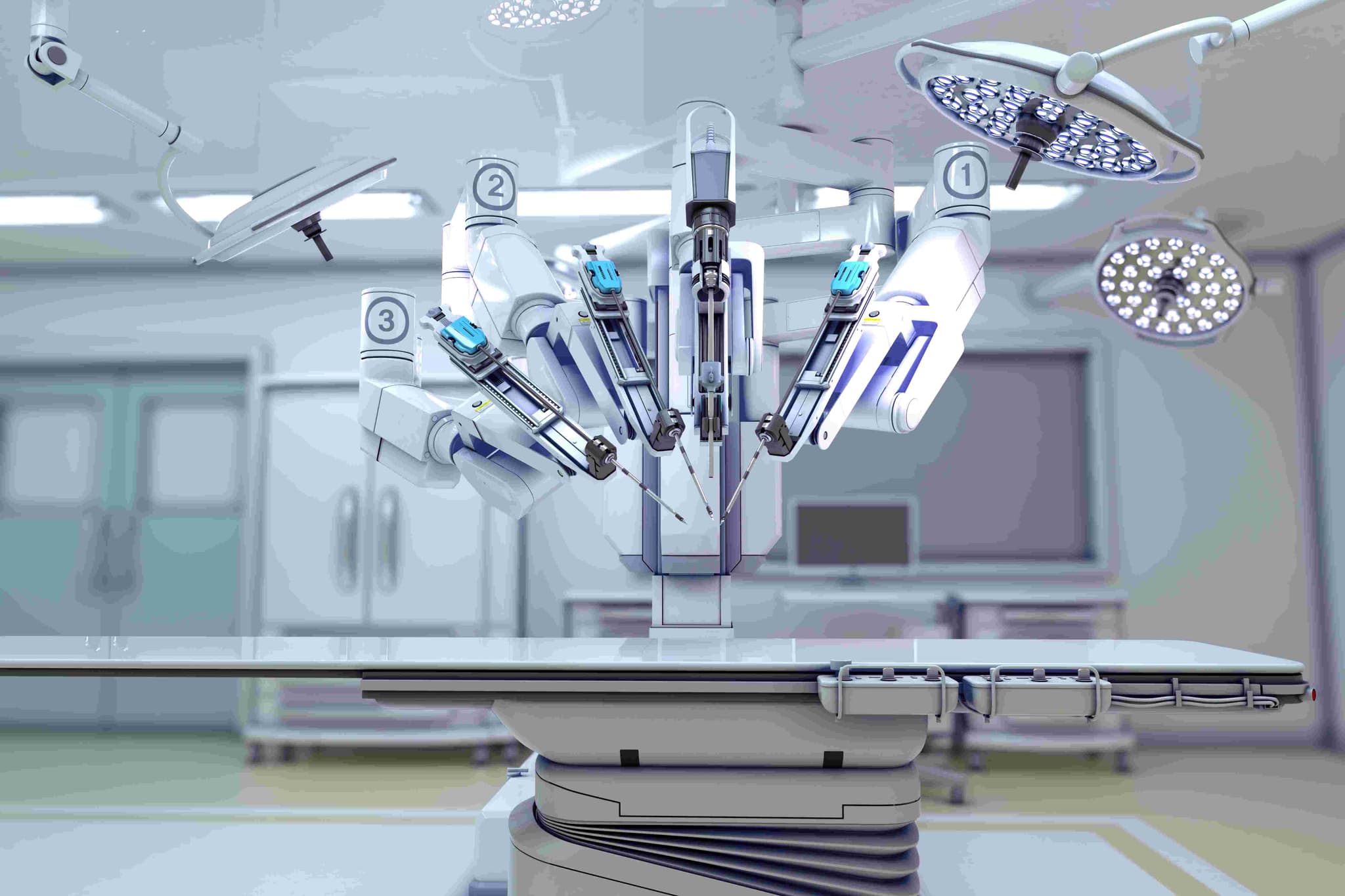
The Da Vinci Surgical System represents the pinnacle of robotic-assisted, minimally invasive surgery. By seamlessly fusing advanced computer hardware, high-definition 3D optics, and wristed mechanical instrumentation, the platform empowers surgeons to execute complex procedures through tiny keyhole incisions with absolute precision, stability, and control.
How the Technology Works: High-Definition 3D Vision & Articulation
The core architecture of the da Vinci platform enhances human surgical capability far beyond traditional open or laparoscopic methods through sophisticated engineering:
Magnified 3D-HD Visualization: The surgeon sits at an ergonomic console viewing a real-time, high-definition three-dimensional optical feed magnified up to 10x, providing true depth perception and microscopic clarity of hidden anatomical planes.
EndoWrist® Articulation: Specialized robotic instruments feature miniaturized "wrists" that bend and rotate with a range of motion far exceeding the human hand, enabling effortless navigation in tight, confined surgical spaces.
Natural Tremor Filtration: Advanced digital software instantly filters out any natural physiological micro-tremors from the surgeon's hands, translating operator movements into ultra-smooth, scaling micro-actions.
Advanced Technical Features of the Latest Fleet (da Vinci 5)
Modern iterations, including the advanced da Vinci 5 platform, incorporate next-generation computational and sensory innovations designed to maximize patient safety and surgical efficacy:
Force Feedback (HaptiSense™) Technology: Sensors positioned near the instrument tips measure physical push and pull forces in real time, transmitting tactile sensations directly to the surgeon's console. This tactile awareness helps surgeons gauge tissue tension accurately and apply significantly less force during dissections, preventing accidental tissue trauma.
Firefly® Fluorescence Imaging: Integrated near-infrared fluorescence technology enables surgeons to visualize real-time blood flow, tissue perfusion, and biliary ducts instantly by administering a safe green dye during critical oncological resections.
AI-Powered Surgical Copilots & Intelligent Integration: Advanced real-time analytics assist the surgical team by highlighting critical anatomical structures, nerves, and blood vessels on the 3D display screen, while streamlined docking workflows reduce preparation time and physical strain during long-duration procedures.
Key Clinical Applications Across Specialties
The da Vinci system is widely deployed across multiple high-precision surgical disciplines where tissue preservation and functional recovery are critical:
Urology: The global gold standard for nerve-sparing radical prostatectomies and complex partial nephrectomies, protecting urinary continence and sexual function.
Gynecology: Provides a minimally invasive approach for complex hysterectomies, radical myomectomies, and deep infiltrating endometriosis excisions with minimal scarring.
Surgical Oncology: Enhances clean-margin tumor removal in gastrointestinal, colorectal, and head-and-neck oncological resections.
Cardiothoracic Surgery: Facilitates delicate mitral valve repairs and internal thoracic artery harvesting through narrow intercostal spaces without splitting the breastbone.
Engineering Advantages, Cost & Patient Benefits
By combining robotic precision with minimally invasive access, the da Vinci platform yields exceptional clinical outcomes and significant cost advantages for international patients:
Cost Efficiency: While a robotic surgical procedure typically ranges from $30,000 to $75,000+ in the United States and Europe, international patients can access state-of-the-art da Vinci robotic procedures in JCI-accredited Indian hospitals for $6,500 to $12,000 (achieving up to 75% to 80% cost savings).
Minimized Physical Trauma: Operations are conducted through small 1–2 cm ports, drastically reducing intraoperative blood loss and eliminating the risk of large, painful abdominal incisions.
Accelerated Recovery Pathways: Patients experience significantly less post-operative pain, lowered reliance on heavy analgesics, shorter hospital stays (often 1 to 2 days), and a rapid return to daily activities within a week or two.
Reduced Complication Rates: Precision dissection and real-time visualization lower infection risks, tissue trauma, and overall post-operative morbidity.
Frequently Asked Questions (FAQs)
Does the robot perform the surgery automatically?
No. The robot does not program or perform any actions autonomously. The da Vinci system is entirely controlled by the expert surgeon sitting at the master console inside the operating room. Every movement ofoma the robotic instruments is a direct translation of the surgeon's hand commands in real time.
What is Force Feedback technology in the newest da Vinci systems?
Force Feedback allows surgeons to physically "feel" the resistance and tension of tissues through the console controllers. This sensory feedback helps surgeons handle delicate structures more gently, reducing excessive force and minimizing accidental tissue trauma.
How much shorter is the recovery time compared to open surgery?
Because da Vinci surgery avoids large incisions and major muscle splitting, most patients leave the hospital days earlier than open surgery patients and resume light normal routines within 1 to 2 weeks, compared to 6 weeks or more for traditional open operations.