MAKO Robotic Joint Replacement
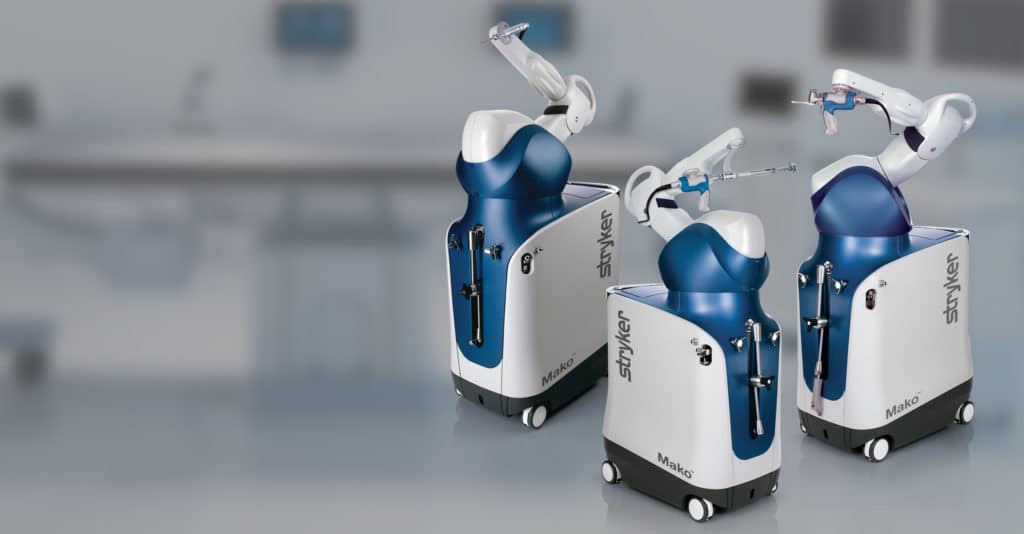
The MAKO Robotic System: Precision Joint Replacement Technology
The MAKO Robotic System represents a transformative advancement in orthopedic surgery, bringing unprecedented accuracy to knee and hip joint replacements. By fusing pre-surgical 3D CT modeling with real-time haptic robotic-arm assistance, this platform allows orthopedic surgeons to execute custom alignment plans tailored entirely to an individual's unique anatomical blueprint. Designed to protect surrounding healthy tissue and optimize implant positioning, MAKO technology enhances the longevity and natural feel of joint restorations.
How the Technology Works: 3D Modeling & Pre-Surgical Planning
The precision of a MAKO procedure begins well before the patient enters the operating room through an advanced digital mapping workflow:
CT-Based 3D Anatomical Modeling: High-resolution CT scan data is converted into a detailed, interactive 3D virtual model of the damaged joint, offering deep structural insights far beyond standard 2D X-rays.
Personalized Alignment & Sizing: The surgical team maps out the exact implant size, bone resection depth, and mechanical alignment angles specific to the patient's skeletal geometry.
Virtual Surgical Simulation: Surgeons can virtually "rehearse" the entire operation on the 3D model, testing range of motion and ligament balance before making any physical incisions.
Technical Features & Execution: Haptic Guidance
During the procedure, the orthopedic surgeon maintains absolute control while utilizing the robotic system's advanced guidance features:
Tactile Haptic Feedback Boundaries
The robotic arm is programmed with virtual boundaries based on the pre-operative plan. If the surgical burr approaches healthy bone, cartilage, or vital ligaments, the system provides real-time resistance and tactile feedback, preventing accidental over-resection.
Sub-Millimeter Implant Seating
Accurate mechanical alignment is critical for reducing long-term joint wear. The system ensures components are seated within fractions of a millimeter of the planned target, restoring optimal biomechanical balance.
Intraoperative Ligament Balancing
The platform monitors real-time joint tension throughout the range of motion, enabling the surgeon to make micro-adjustments for a natural feel and stable gait.
Key Clinical Applications in Orthopedics
The MAKO system is utilized across multiple specialized orthopedic procedures:
Total Knee Replacement (TKR): Replaces severely arthritic knee compartments with customized precision to relieve chronic pain and restore mobility.
Partial Knee Replacement (PKR): Selectively targets only the damaged compartment of the knee while preserving healthy bone, cruciate ligaments, and natural joint kinematics.
Total Hip Replacement (THR): Optimizes cup and stem positioning to maximize stability, prevent joint dislocation, and equalize leg length.
Engineering Advantages, Cost & Patient Benefits
By combining robotic precision with minimally invasive surgical techniques, the MAKO platform delivers remarkable clinical and financial advantages:
Cost Efficiency: While a robotic joint replacement typically costs between $35,000 and $60,000 in the United States or Europe, international patients can access the exact same technology in top-tier Indian hospitals for $7,000 to $12,000 (achieving up to 70% savings inclusive of implants, robotic fees, and initial rehabilitation).
Reduced Tissue Trauma: Smaller surgical exposures and haptic boundary control minimize damage to surrounding muscles, tendons, and blood vessels.
Accelerated Functional Recovery: Minimized soft-tissue trauma results in less post-operative pain, decreased blood loss, and a faster return to physical therapy and daily life.
Enhanced Implant Longevity: Near-perfect component alignment distributes weight evenly across the artificial joint, reducing long-term wear and tear and lowering revision surgery risks.
Frequently Asked Questions (FAQs)
Does the robot perform the joint replacement surgery automatically?
No. The MAKO system is a surgeon-guided technology. The robotic arm does not operate autonomously; instead, it acts as a high-precision instrument under the direct, continuous control of the orthopedic surgeon, using haptic feedback to ensure the plan is executed flawlessly.
How does MAKO differ from traditional joint replacement surgery?
Traditional surgery relies heavily on manual hand-held alignment guides and visual estimates during the operation. MAKO utilizes a patient-specific 3D CT blueprint and active haptic robotic feedback to achieve sub-millimeter precision that is difficult to replicate manually.
What are the long-term benefits of precise implant alignment?
Precise alignment restores your natural joint kinematics (the way the joint moves). This reduces uneven friction on the implant surfaces, minimizes premature loosening, and significantly extends the lifespan of the artificial joint.