MR-LINAC (MRI-Guided Radiation)
MR-LINAC: Real-Time Guided Radiation Therapy
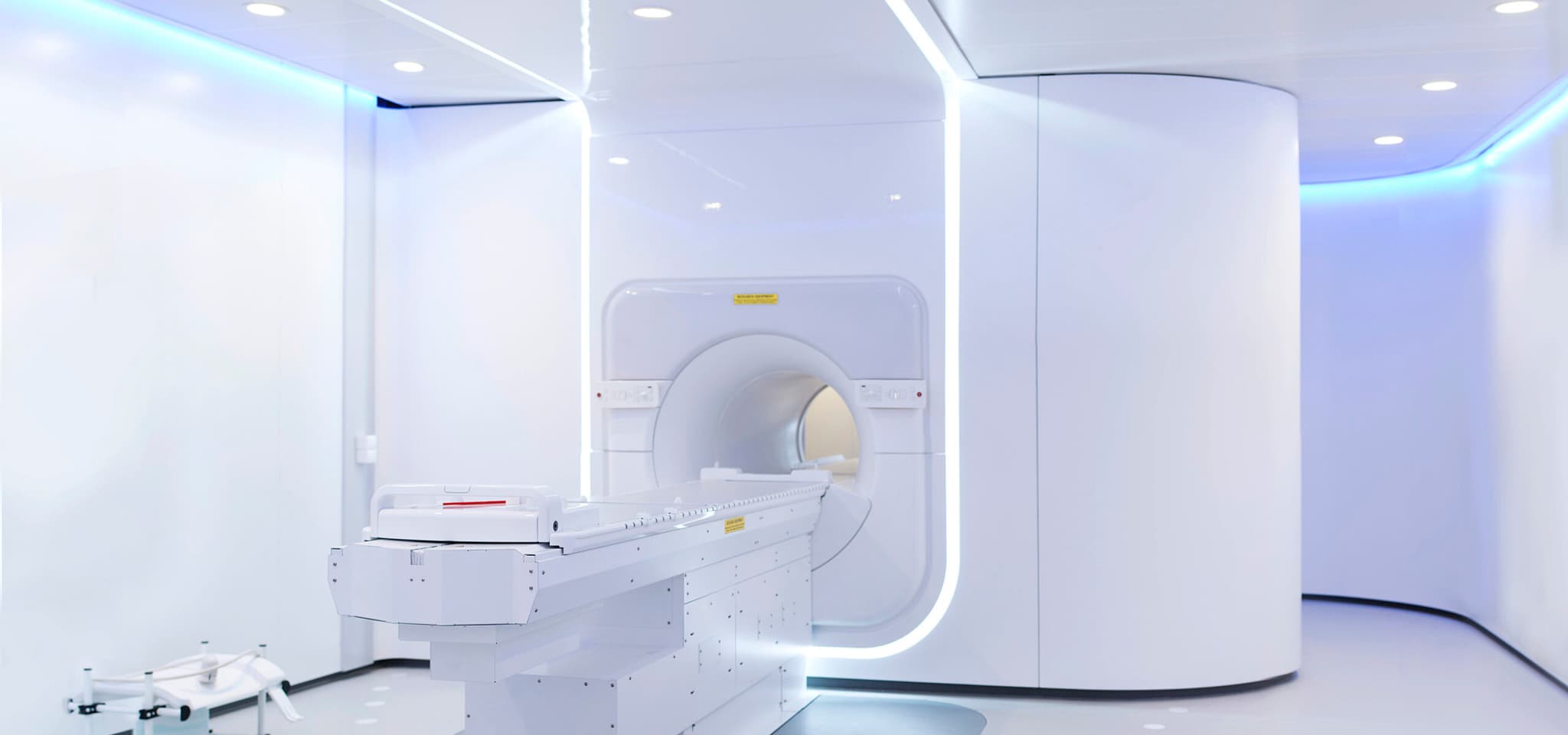
MR-LINAC represents a groundbreaking advancement in radiation oncology, combining the power of Magnetic Resonance Imaging (MRI) with a Linear Accelerator to deliver highly precise radiation therapy. Unlike traditional radiation systems that rely on static imaging taken before treatment, MR-LINAC provides continuous, real-time imaging during the actual delivery of radiation. This allows clinicians to visualize the tumor and surrounding organs at every moment of the procedure.
Real-Time Visualization and Motion Tracking
One of the most significant advantages of MR-LINAC is its ability to "see" while it treats, addressing the challenge of internal organ movement:
Continuous Monitoring: Tumors can move due to natural body processes such as breathing or digestion, particularly in organs like the lungs, liver, or pancreas.
Live Adjustments: MR-LINAC tracks these movements in real time and adjusts radiation delivery accordingly, ensuring the beam stays locked on the target.
Unprecedented Clarity: The integrated MRI provides superior soft-tissue contrast compared to standard X-ray guidance, allowing doctors to distinguish between the tumor and healthy tissue with extreme clarity.
Adaptive Therapy and Daily Optimization
This adaptive capability makes MR-LINAC especially valuable for treating complex and hard-to-target cancers by allowing for "daily personalized" medicine:
Dynamic Treatment Plans: Clinicians can modify treatment plans every single day based on changes in tumor size, shape, or position.
Personalized Precision: If a tumor shrinks or an adjacent organ shifts between sessions, the system recalibrates the radiation dose to match the new anatomy.
Optimized Outcomes: This flexibility leads to improved tumor control and significantly reduced side effects compared to traditional, static radiation plans.
Applications for High-Risk and Complex Cancers
MR-LINAC is the gold standard for areas where precision is critical due to proximity to sensitive, high-risk structures:
Abdominal & Pelvic Oncology: Highly effective for cancers of the pancreas, liver, and prostate, where organs are in constant motion.
Sensitive Structure Sparing: It is particularly beneficial when a tumor is located near critical tissues that cannot tolerate accidental radiation exposure.
Challenging Lesions: Providing a viable treatment path for hard-to-target cancers that were previously considered too risky for conventional radiation.
Patient Safety and Enhanced Quality of Life
From a patient perspective, MR-LINAC enhances both the safety and the long-term comfort of the cancer journey:
Reduced Tissue Damage: The pinpoint precision reduces collateral damage to healthy tissues, which lowers the risk of complications.
Improved Quality of Life: By minimizing side effects, patients can maintain their daily routines and overall well-being during and after therapy.
Increased Safety: Real-time tracking acts as a constant safety "gate," pausing treatment instantly if the tumor moves outside the target zone.
Non-Invasive Care: The procedure is entirely non-invasive and performed in an outpatient setting, requiring no hospitalization or surgical incisions.